




Iran Sanctions Escalation Drives Oil Costs Up 8-12% | Shipping Impact for Cross-Border Sellers
- Brent crude reaches $70/barrel amid geopolitical tensions; fuel surcharges expected to increase 8-12% for international logistics; sellers shipping via Middle East routes face 2-3 week delays











































概览
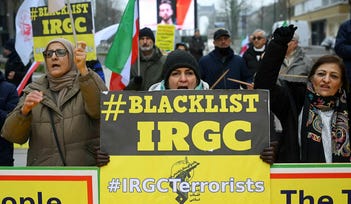
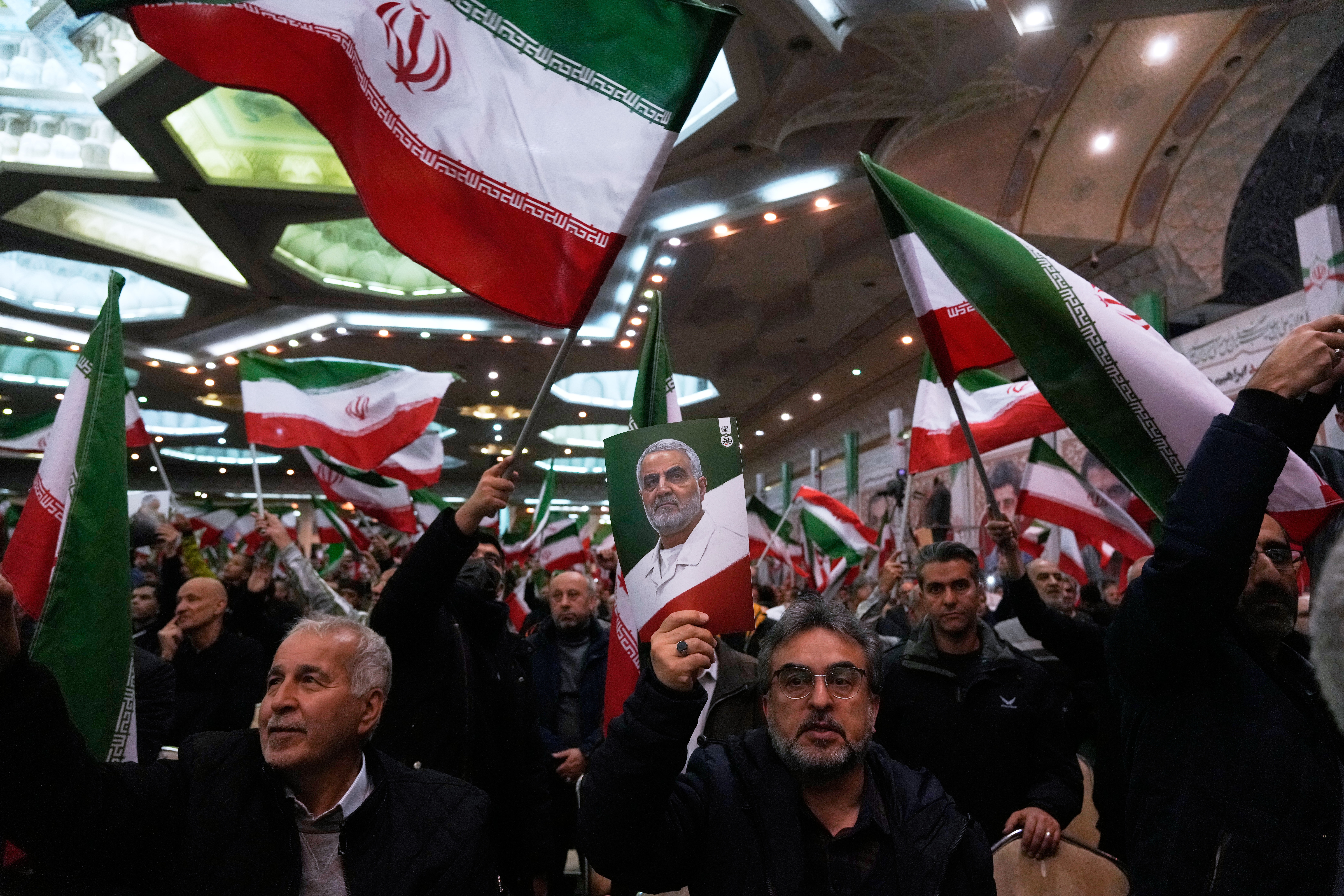
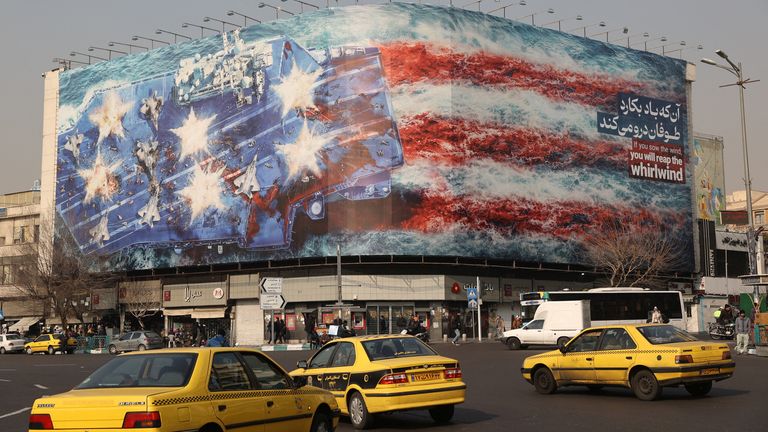
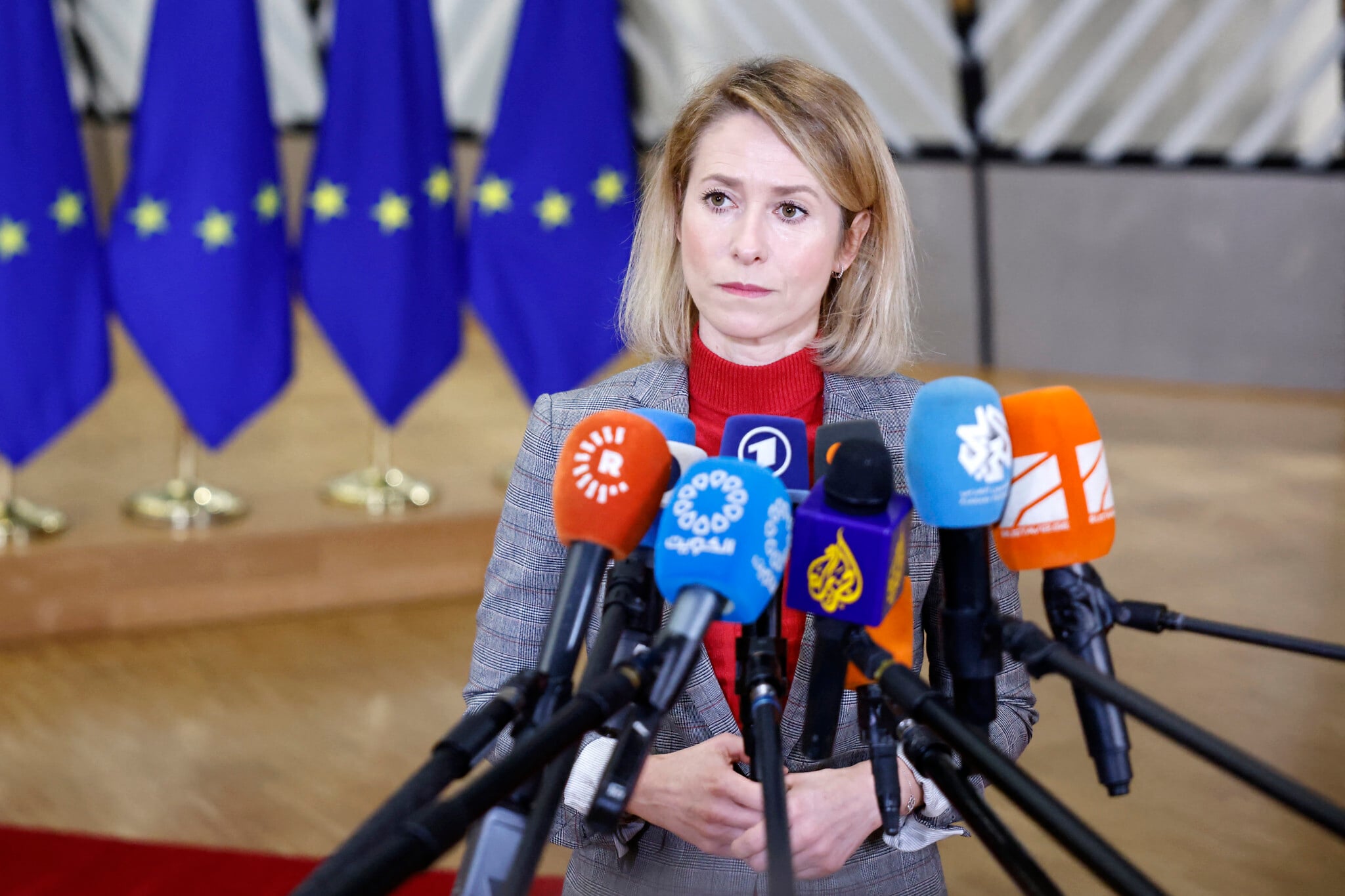
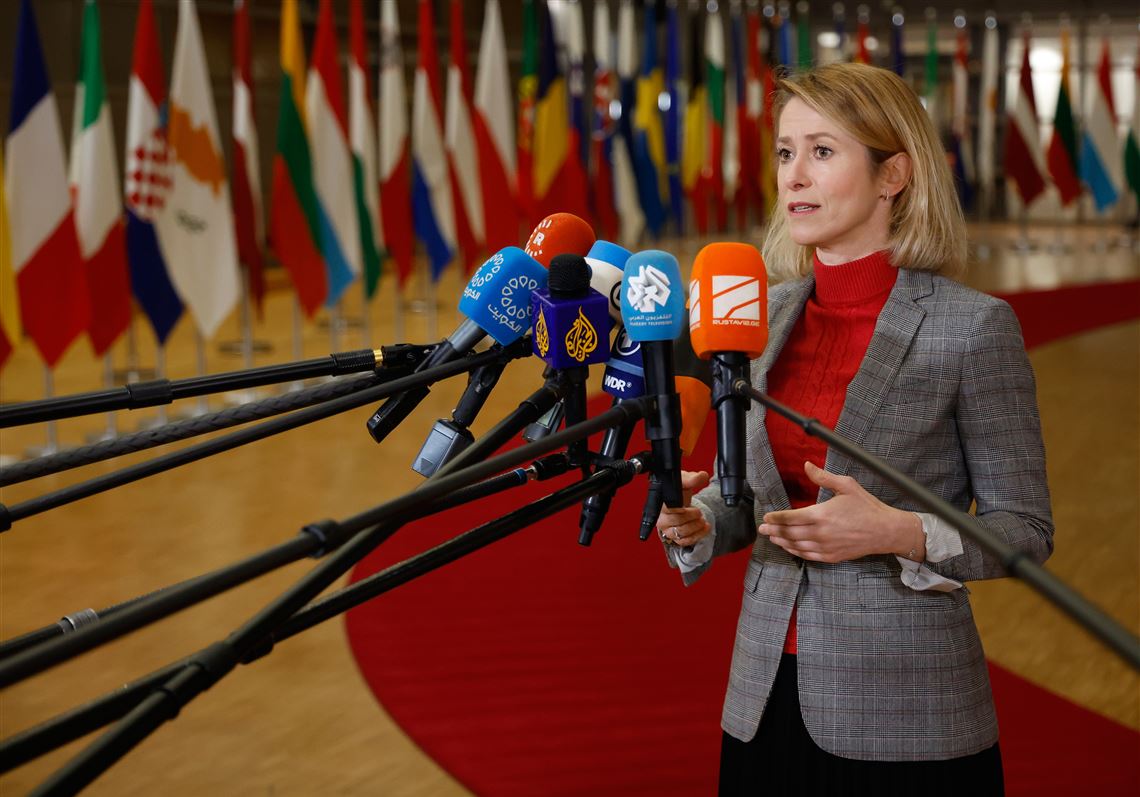
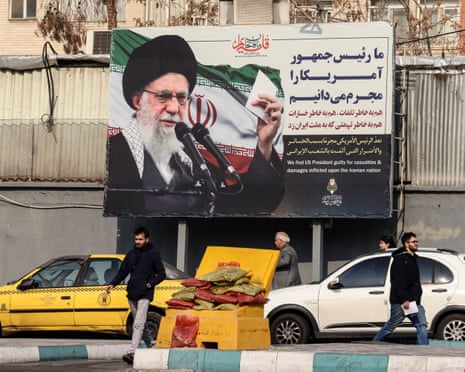
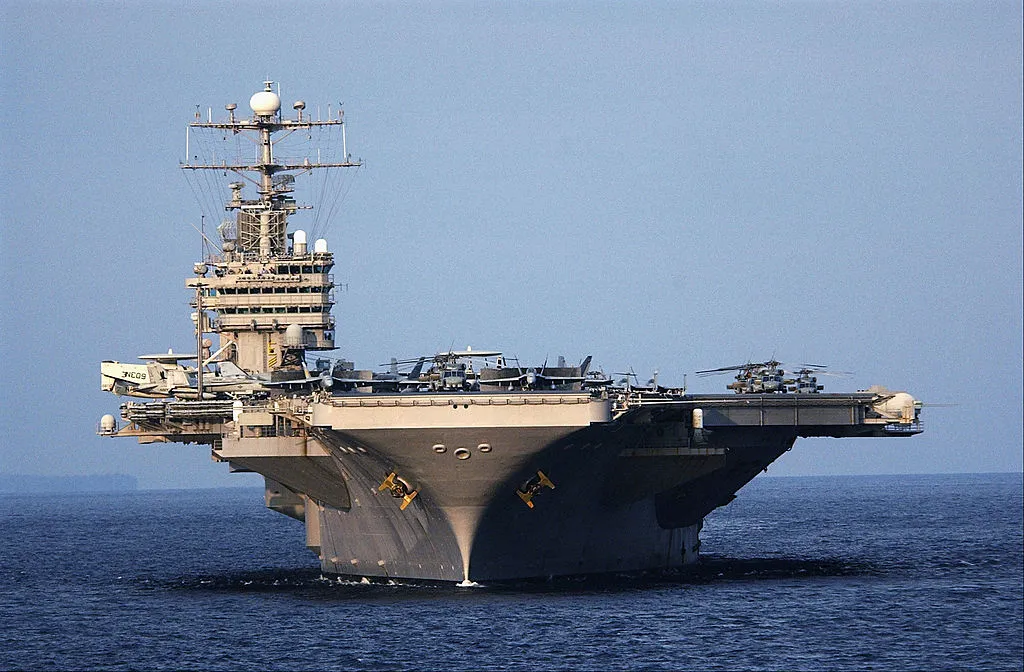
The European Union's designation of Iran's Islamic Revolutionary Guard Corps (IRGC) as a terrorist organization on January 29, 2026, combined with escalating US military positioning and announced Iranian naval exercises in the Strait of Hormuz—a waterway handling 20% of global oil—creates immediate cost pressures for cross-border e-commerce sellers. Brent crude futures have reached $70 per barrel for the first time since September, driven by geopolitical risk premiums that directly translate to shipping cost increases. This represents a critical operational challenge for sellers relying on international logistics networks.
Shipping Cost Impact Analysis: For sellers using FBA (Fulfillment by Amazon) or third-party logistics providers, fuel surcharges typically increase 8-12% when crude oil prices spike above $65/barrel. A seller shipping 1,000 units monthly via ocean freight from Asia to EU warehouses can expect additional costs of $400-800 per shipment. Air freight premiums are even steeper—expect 15-20% increases for time-sensitive categories like electronics, fashion, and perishables. The announced Iranian naval exercises in the Strait of Hormuz next week create additional uncertainty; if tensions escalate further, shipping delays of 2-3 weeks are possible as carriers reroute vessels around the Cape of Good Hope, adding 10-14 days to transit times and increasing storage costs at origin warehouses.
Seller Segment Vulnerability: Small to mid-sized sellers (annual revenue $500K-$5M) operating on thin margins of 15-25% face the greatest pressure, as they lack negotiating power with 3PL providers to absorb fuel surcharge increases. Large sellers with established contracts may have fuel escalation clauses that cap increases at 5-7%. Sellers in high-velocity categories (electronics, home goods, apparel) shipping via FBA are most exposed, as Amazon's fulfillment network relies heavily on international logistics corridors. Conversely, sellers sourcing from Mexico, India, or Eastern Europe—avoiding Middle East shipping routes—gain competitive advantage during this period. The policy escalation also signals potential future sanctions on Iranian-origin goods; sellers currently sourcing electronics components or textiles from Iran-linked suppliers should immediately audit supply chains for compliance risk.
Strategic Opportunity Window: This geopolitical uncertainty creates a 4-6 week window for sellers to lock in shipping rates before carriers implement formal fuel surcharge increases. Sellers should negotiate fixed-rate contracts with 3PL providers immediately, prioritize inventory consolidation to reduce shipment frequency, and consider shifting 15-20% of inventory to regional fulfillment centers (EU, US, Asia-Pacific) to reduce exposure to Middle East shipping routes. The policy also creates demand for products addressing supply chain resilience—sellers of inventory management software, warehouse automation tools, and logistics optimization platforms should expect increased B2B inquiry volume from sellers seeking to mitigate these risks.
問題 8
Are there product categories that benefit from this geopolitical escalation and shipping disruption?
Yes—sellers of supply chain resilience products see increased demand: inventory management software, warehouse automation tools, logistics optimization platforms, and supply chain consulting services. B2B sellers in these categories should expect 30-40% increase in inquiry volume from sellers seeking to mitigate shipping risks. Additionally, sellers of regional/local products (Mexico-sourced goods, India-manufactured items, Eastern Europe production) gain competitive advantage as they avoid Middle East shipping routes. Sellers of premium/luxury goods with high margins can absorb cost increases and maintain pricing power. Finally, sellers of energy-efficient products and sustainable logistics solutions (carbon-neutral shipping, regional sourcing) align with emerging buyer preferences for supply chain resilience and should emphasize these benefits in marketing.
What compliance steps must I take regarding the EU's IRGC terrorist designation?
The EU's IRGC designation (January 29, 2026) requires immediate compliance action: (1) Review your supplier list and identify any entities with Iranian ownership or operations; (2) Check the EU's consolidated sanctions list at https://ec.europa.eu/info/business-economy-euro/banking-and-finance/international-relations/sanctions_en; (3) Audit product sourcing to ensure no Iranian-origin components; (4) Update your compliance documentation and supplier agreements to include Iran sanctions clauses; (5) Implement screening procedures for new suppliers. Non-compliance risks account suspension on Amazon/eBay, customs seizure of goods, and potential fines up to 5% of annual revenue. For sellers with existing Iranian suppliers, you have 30 days to transition sourcing. Document all compliance actions in case of audit.