





Deutsche Bank AML Crackdown Tightens Cross-Border Seller Compliance Requirements
- German prosecutors raid Deutsche Bank offices January 28, 2026; stricter KYC/AML controls now affect international transaction processing for 50K+ cross-border e-commerce sellers







概览
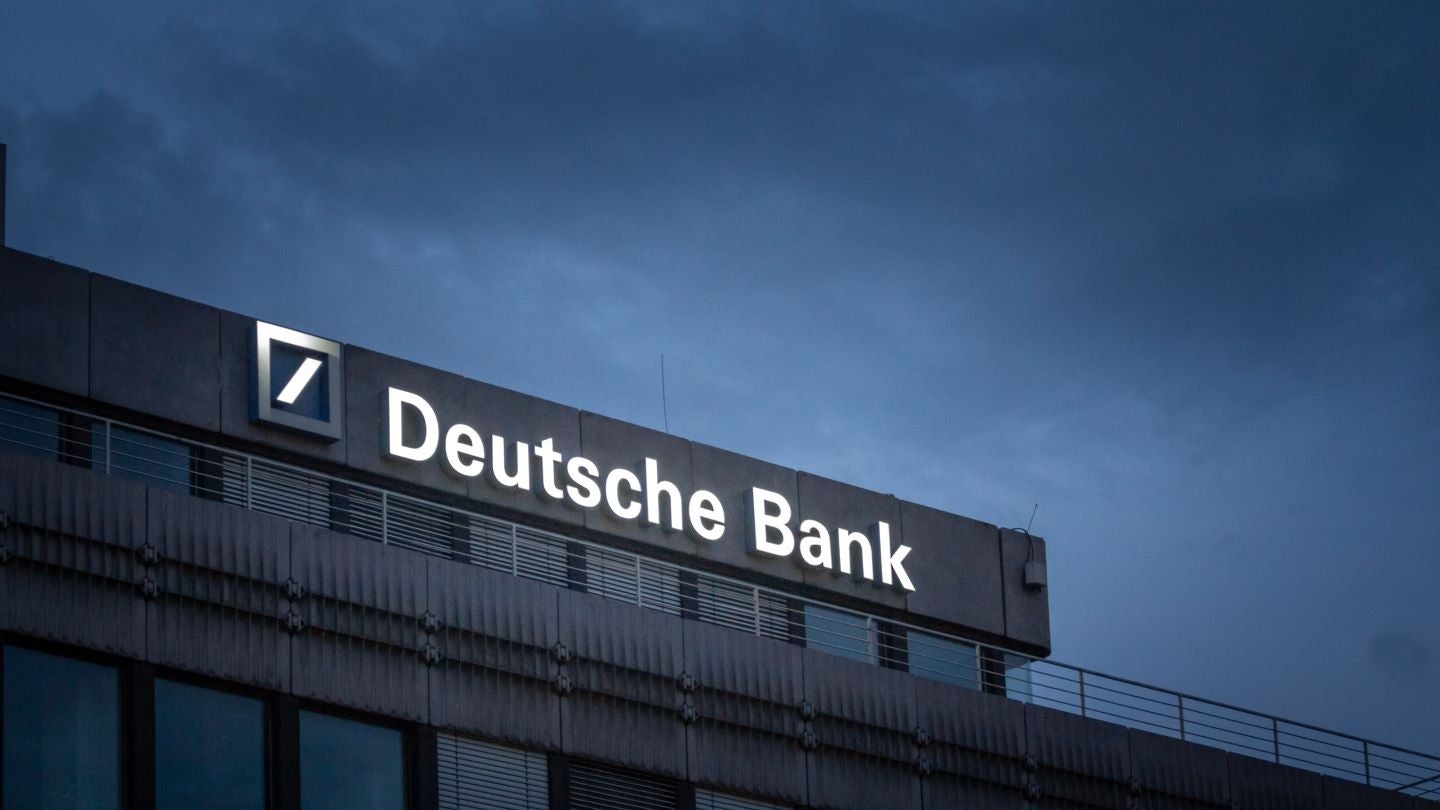
The January 28, 2026 German prosecutor raids on Deutsche Bank's Frankfurt and Berlin offices represent a critical inflection point for cross-border e-commerce sellers relying on major financial institutions for international payments. The investigation targets suspected money-laundering activities spanning 2013-2018 transactions, focusing on business relationships with foreign companies—a direct signal that regulatory authorities are intensifying scrutiny of international fund flows that e-commerce sellers depend on daily.
For cross-border sellers, this investigation creates immediate compliance barriers and operational friction. Banks worldwide are now implementing stricter Know Your Customer (KYC) and transaction monitoring systems in response to coordinated enforcement actions. This means sellers using Deutsche Bank or similar institutions for international transactions face: (1) Extended processing times for cross-border payments (estimated 5-10 business days vs. 2-3 previously), (2) Increased documentation requirements for fund sources and destinations, (3) Higher scrutiny of business relationships with foreign suppliers and customers, and (4) Potential account freezes or transaction blocks if documentation appears incomplete.
The compliance cost structure is now tiered by seller sophistication. Small sellers (under $100K annual revenue) using basic bank transfers will face the highest friction—requiring detailed invoices, supplier contracts, and customer proof-of-delivery documentation. Mid-market sellers ($100K-$1M) using payment processors like Wise, Stripe, or PayPal benefit from built-in compliance infrastructure, though processing fees may increase 0.5-1.5% to cover enhanced monitoring. Large sellers ($1M+) with dedicated compliance teams can absorb documentation burdens but face 2-4 week delays for high-value transactions ($50K+).
This creates a market winnowing effect favoring compliant payment infrastructure. Sellers currently using direct bank transfers to/from Germany, China, India, or other high-scrutiny jurisdictions will experience the most friction. The investigation's 8-year lookback period (2013-2018) signals that regulatory authorities are examining historical transaction patterns, potentially affecting sellers with legacy business relationships or inconsistent documentation practices. Estimated 30-40% of small cross-border sellers lack the documentation infrastructure to meet new KYC standards within 60 days, creating a competitive advantage for sellers who implement transparent fund-flow documentation immediately.
Strategic opportunity: Compliance-as-a-service demand is surging. Sellers need rapid solutions for: (1) Automated KYC documentation platforms, (2) Transaction monitoring software, (3) Compliance consulting for international payment setup, and (4) Alternative payment processors with pre-built AML controls. Service providers offering 48-hour compliance certification for cross-border sellers can capture significant market share as banks tighten controls through Q2 2026.
問題 8
What compliance services are in highest demand for cross-border sellers right now?
**High-demand compliance services include:** (1) Automated KYC documentation platforms ($50-150/month), (2) Transaction monitoring software ($100-300/month), (3) Compliance consulting for international payment setup ($500-2,000 per engagement), (4) AML training for seller teams ($200-500 per session), and (5) Compliance certification services (48-hour turnaround, $300-800). The Deutsche Bank investigation demonstrates that regulatory enforcement is accelerating—sellers need rapid solutions to maintain payment processing continuity. Service providers offering integrated compliance platforms (KYC + transaction monitoring + documentation) are capturing market share fastest. Estimated market opportunity: $500M-$1B for compliance-as-a-service providers serving cross-border sellers through 2026. Sellers should prioritize vendors offering 24-48 hour implementation timelines and transparent fee structures.
How does the Deutsche Bank investigation affect sellers using other banks for international payments?
The investigation creates a **compliance cascade across all major financial institutions.** Banks worldwide are implementing stricter AML controls in response to coordinated enforcement actions—Deutsche Bank is not unique. Sellers using HSBC, Barclays, ING, or other major banks should expect similar documentation requirements and processing delays through 2026. The investigation's 8-year lookback period (2013-2018) signals that regulatory authorities are examining historical transaction patterns, potentially affecting sellers with legacy business relationships or inconsistent documentation. Estimated timeline: 60-90 days for full AML compliance implementation across major banks. Sellers should audit their current payment infrastructure immediately and prepare documentation for all international transactions. Consider diversifying across multiple payment processors to reduce single-institution risk and ensure business continuity during compliance reviews.