

Geopolitical Sanctions & Energy Sector Restructuring | Cross-Border Seller Compliance & Logistics Impact 2026
- Ukraine ceasefire negotiations and Russian energy asset divestitures signal escalating sanctions regimes affecting international commerce, supply chain costs, and regulatory compliance obligations for cross-border sellers






















概览
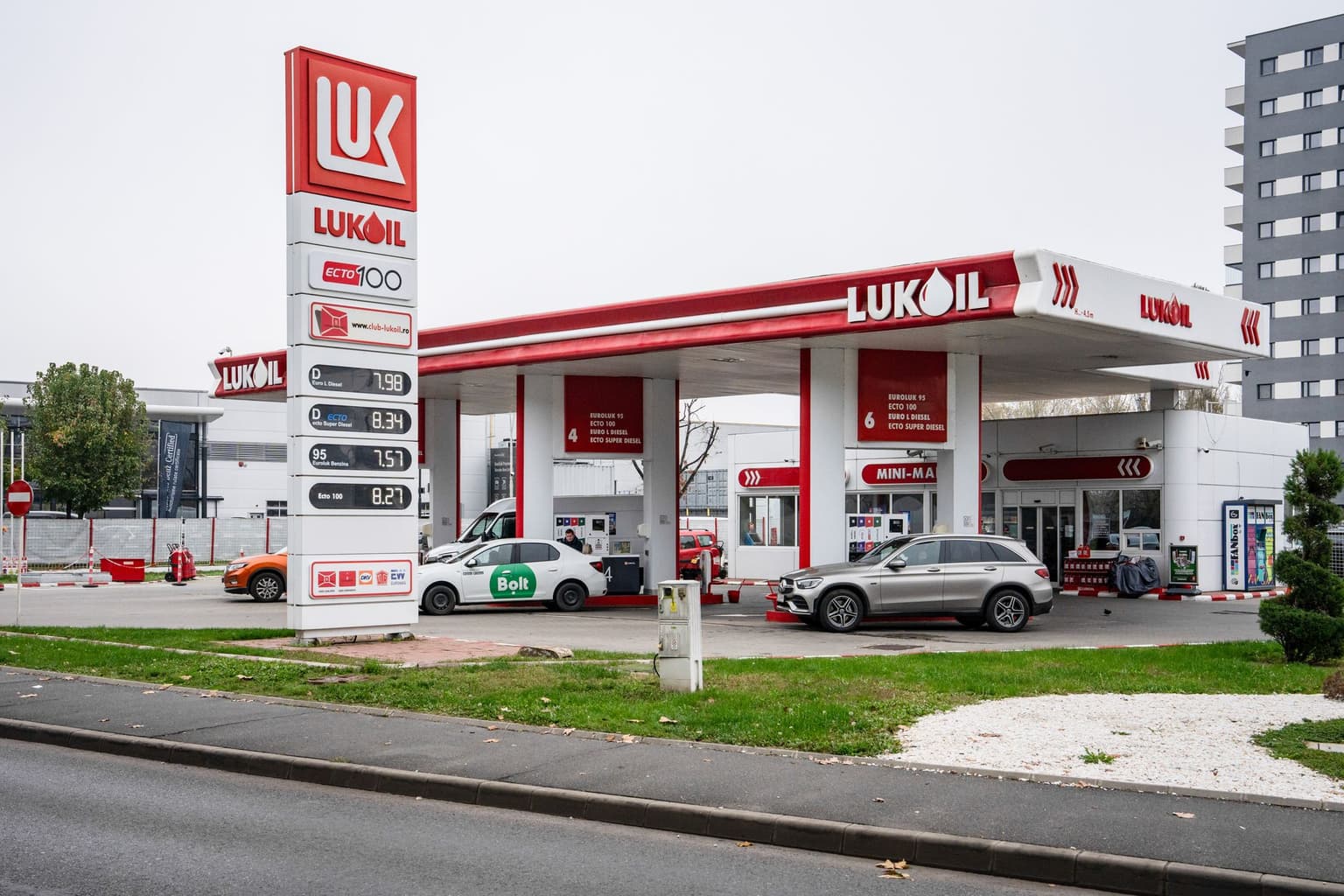
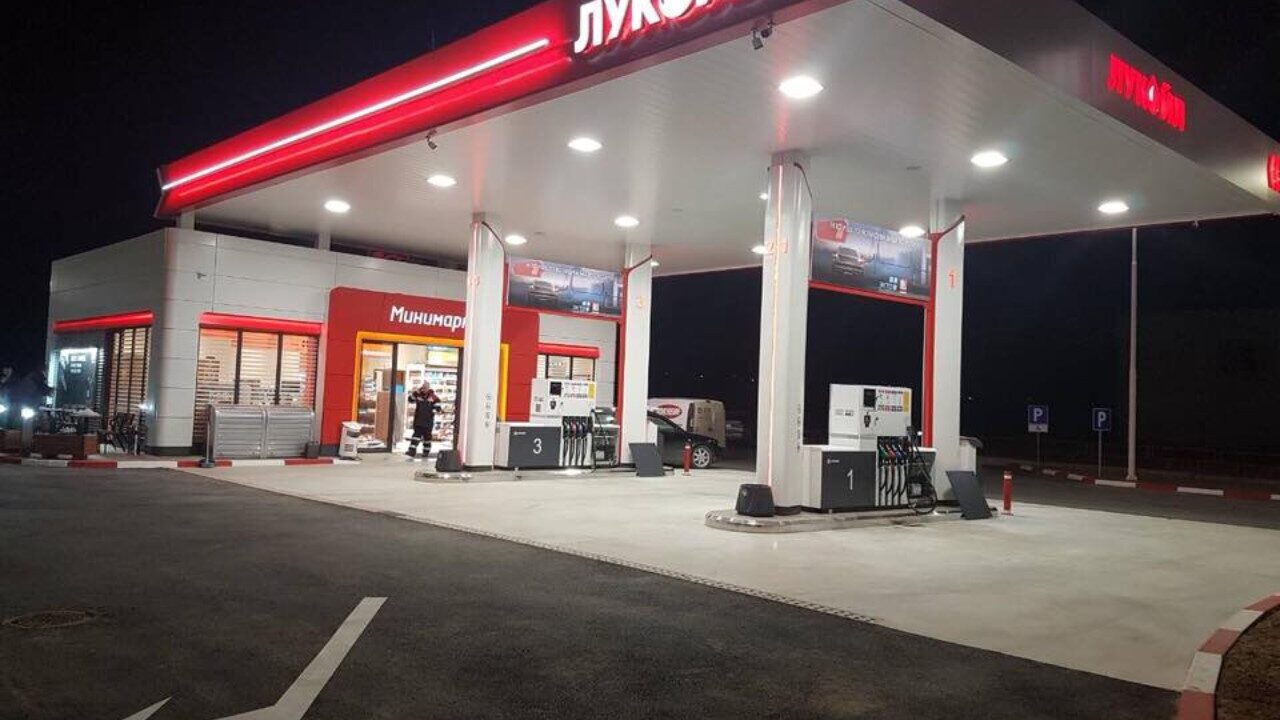
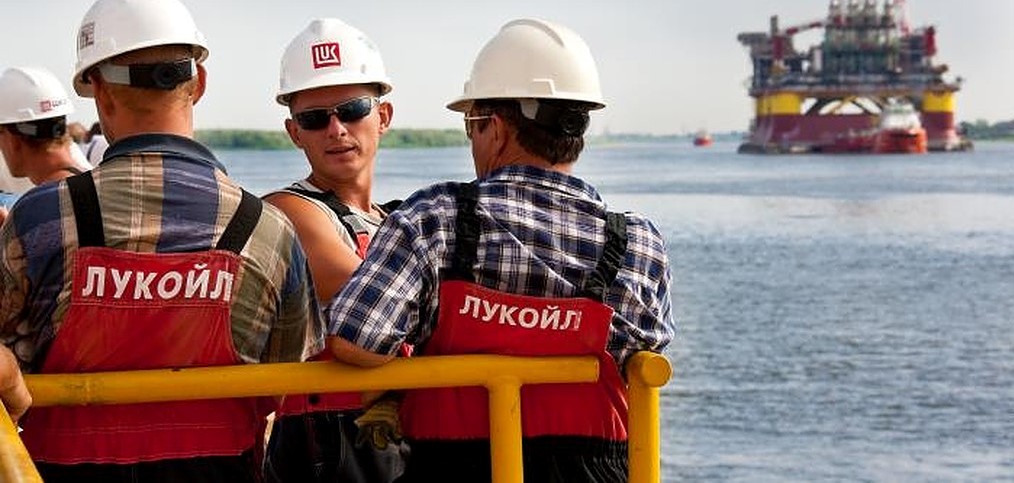
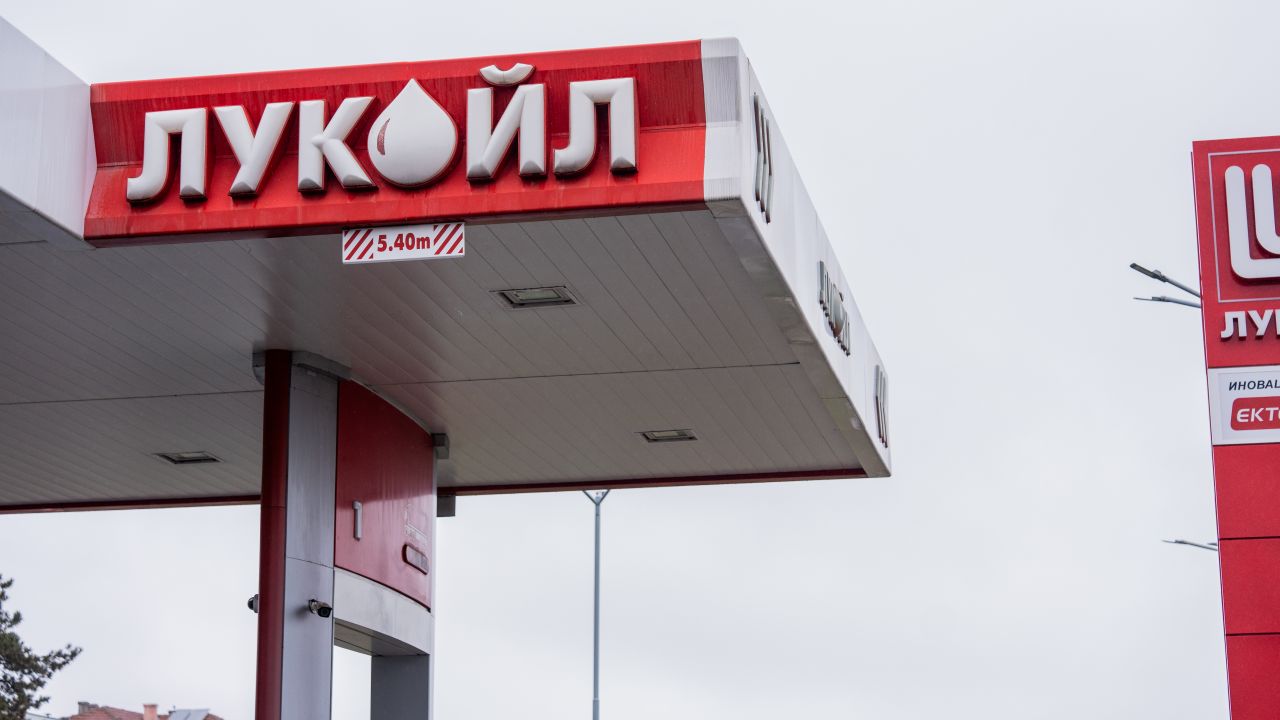
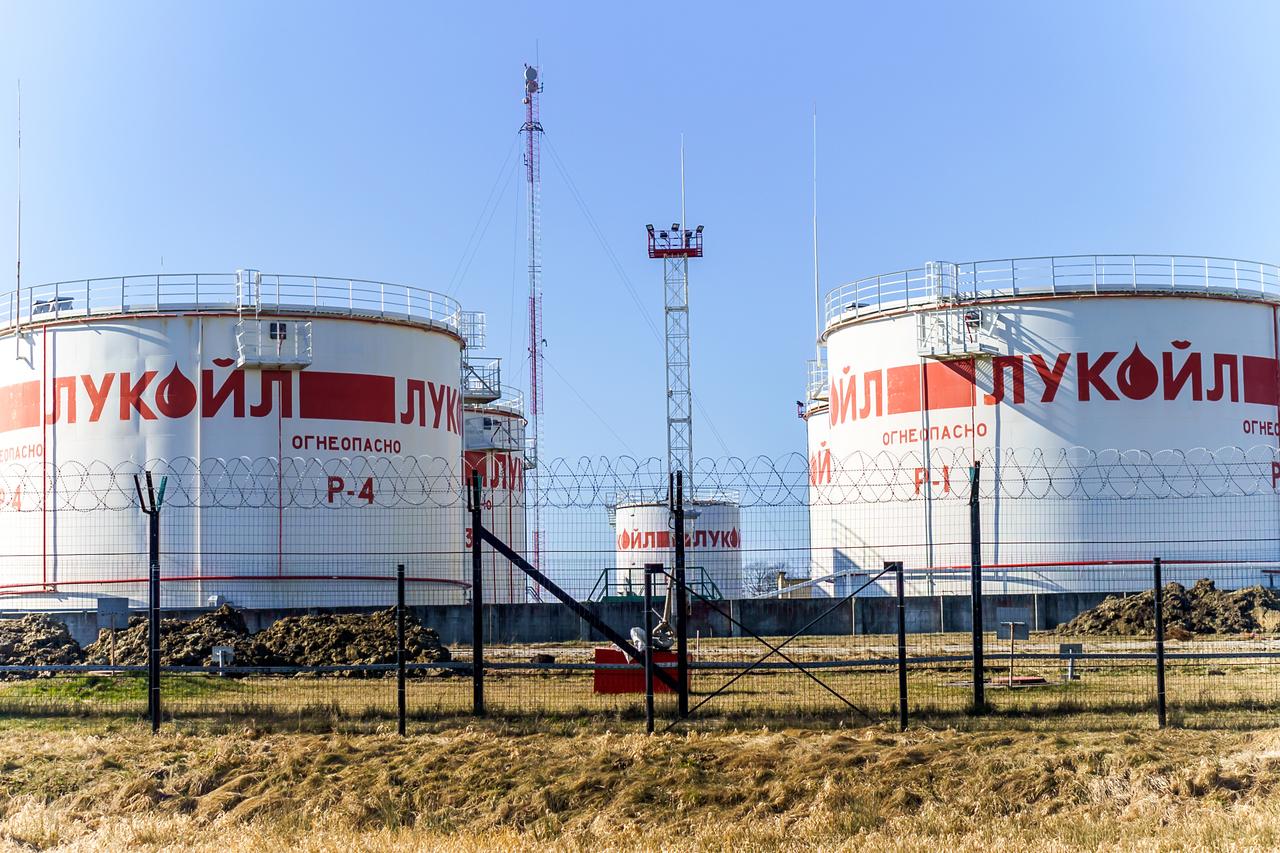
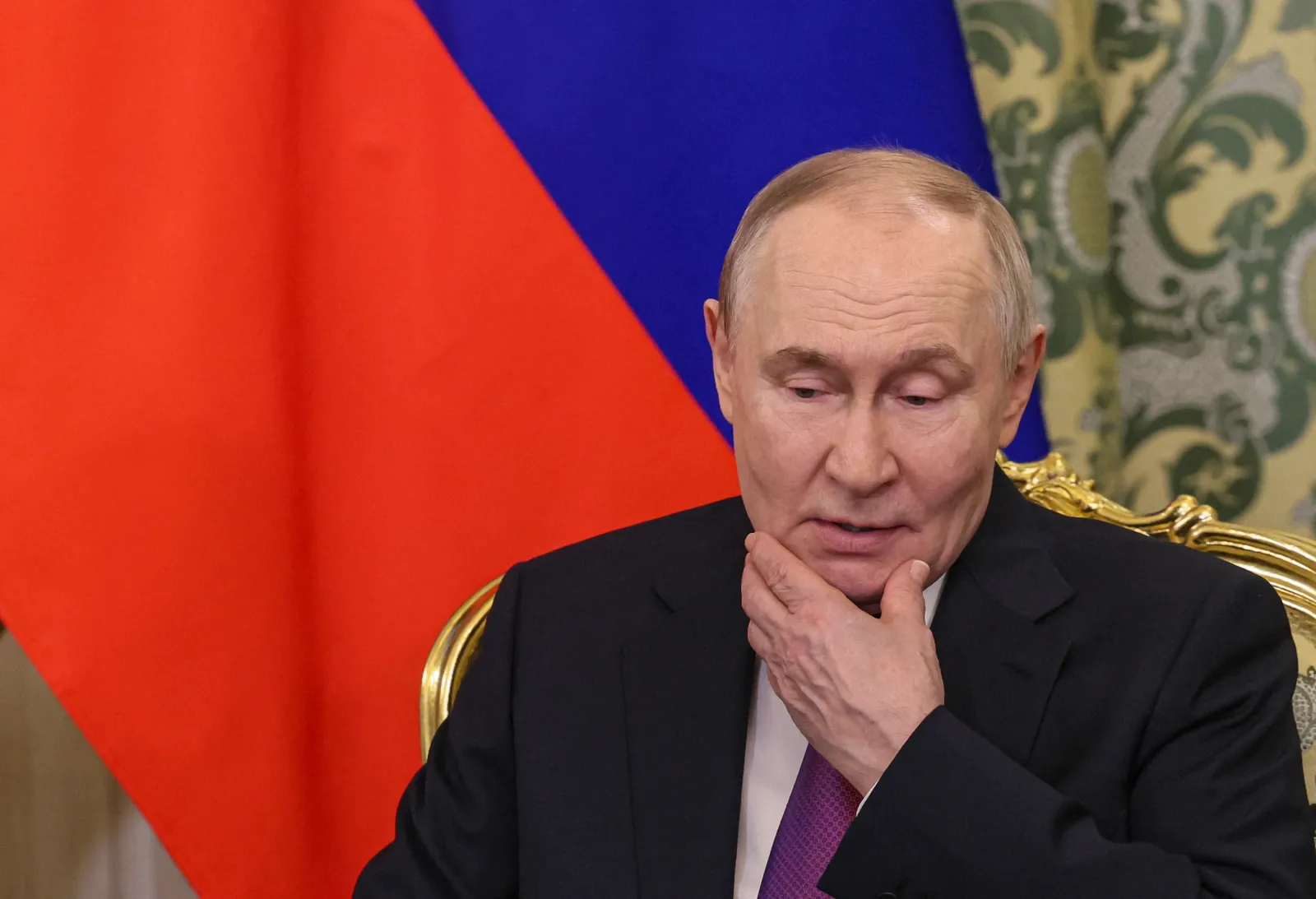
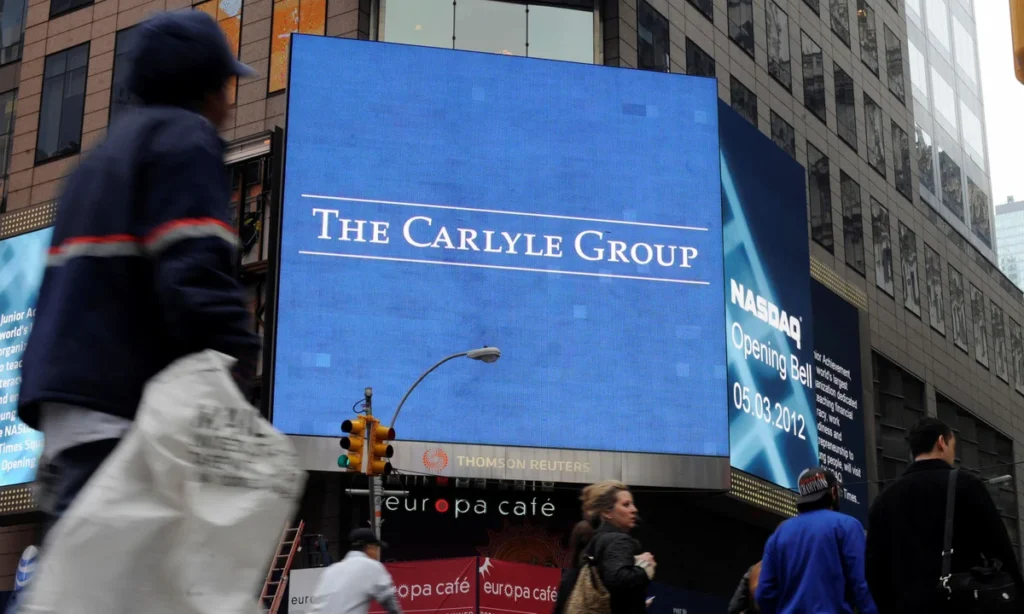
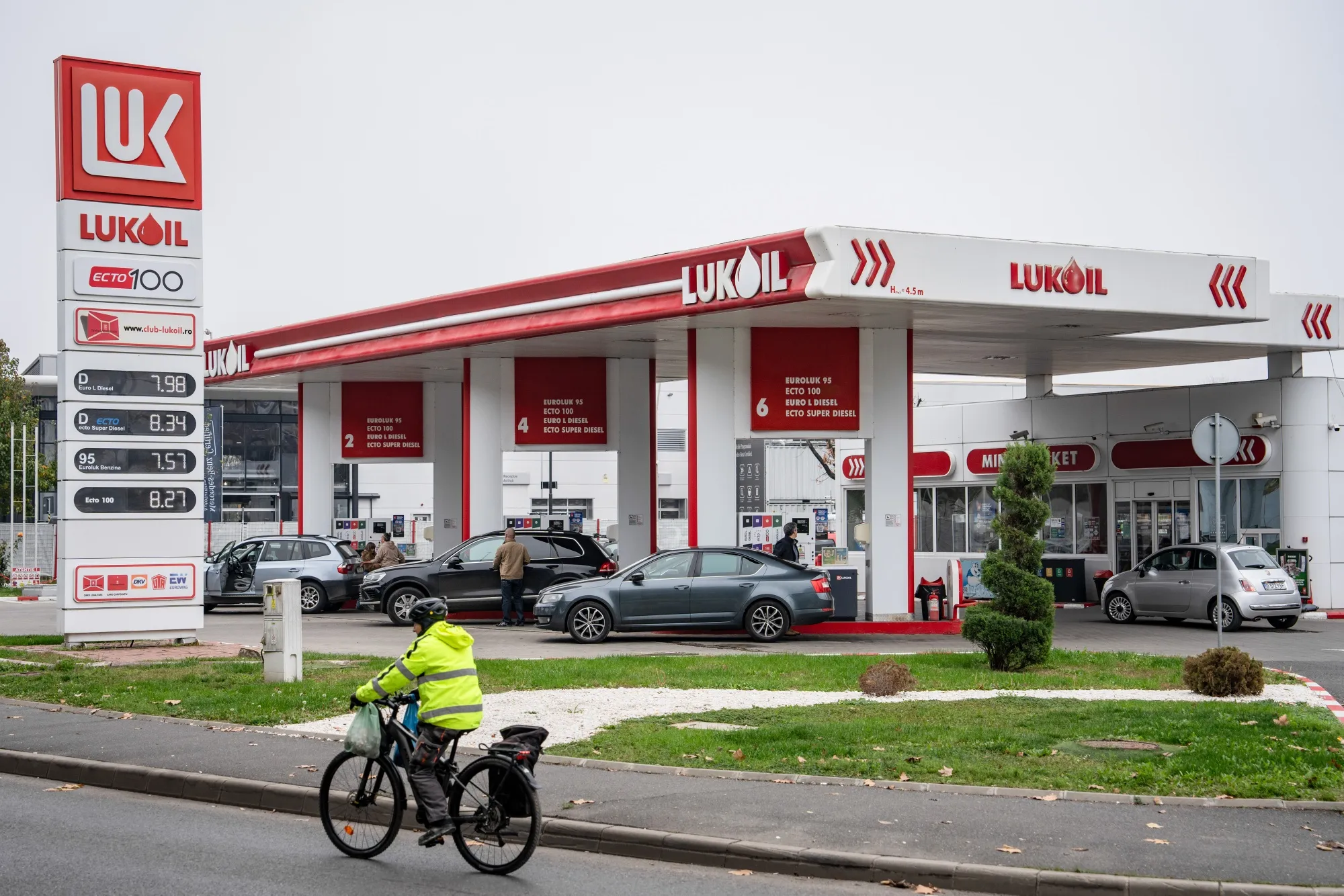
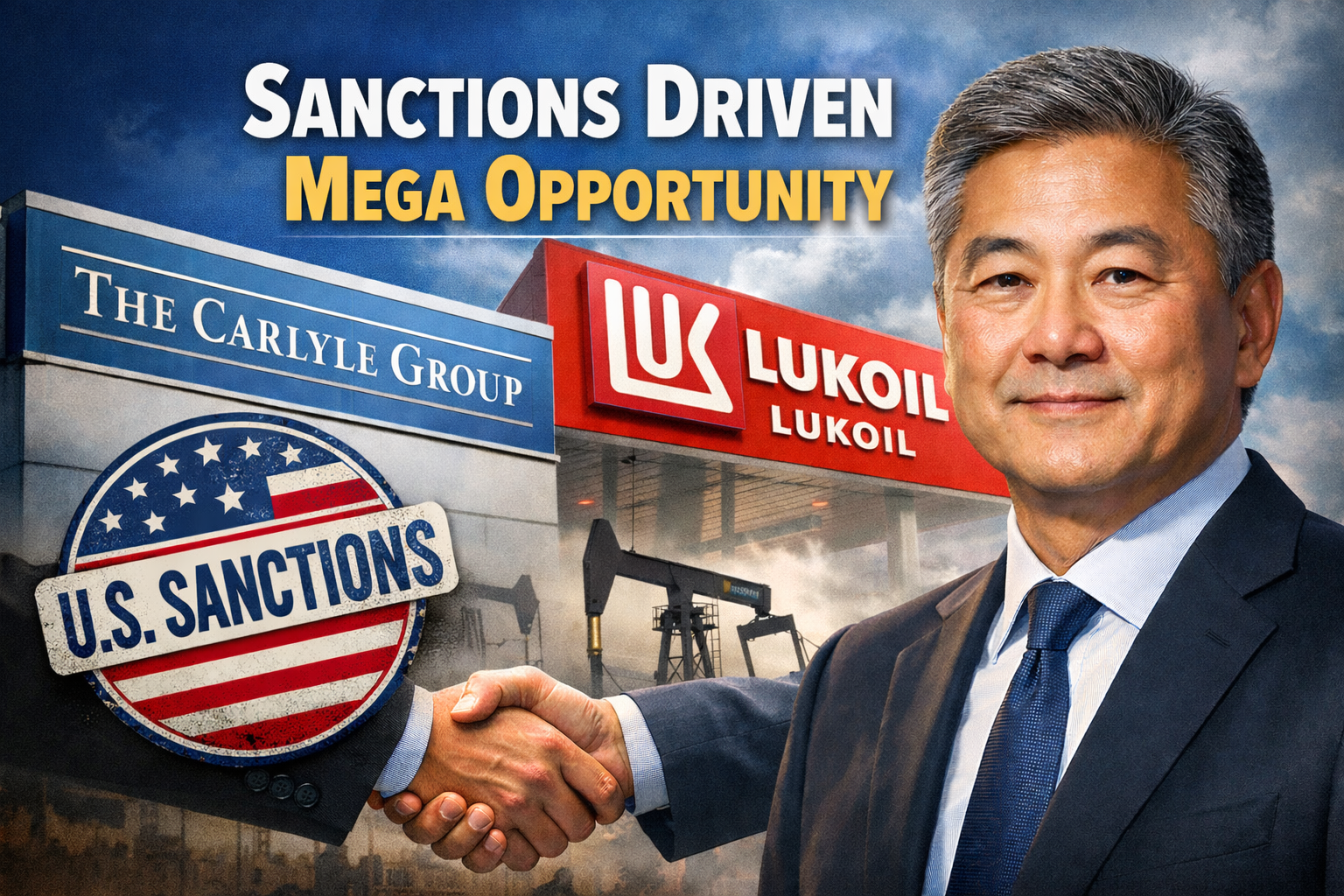
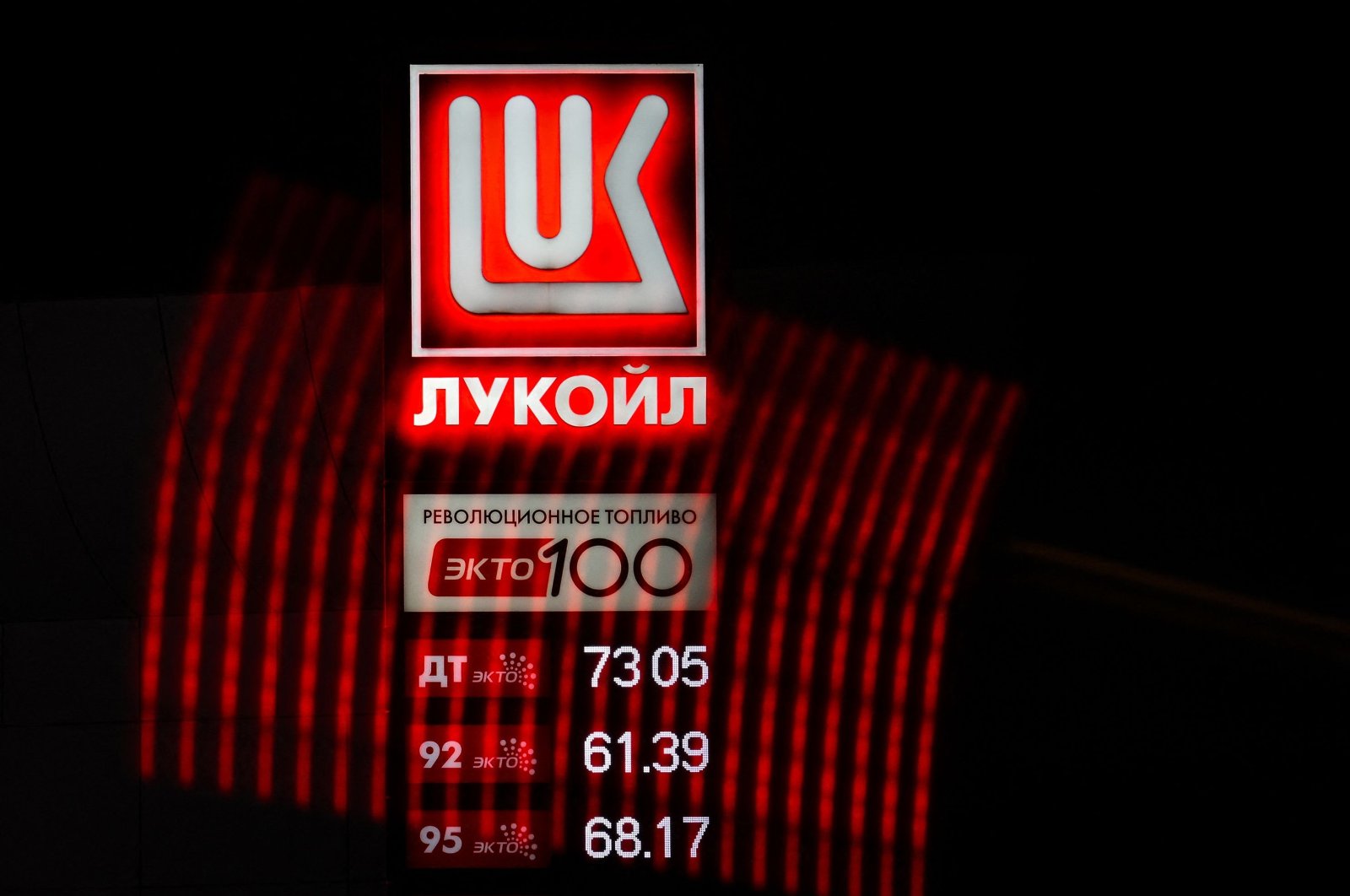
The convergence of Ukraine-Russia diplomatic developments and major Russian energy asset restructuring creates a complex geopolitical environment directly impacting cross-border e-commerce operations and seller compliance obligations. On January 29, 2026, Carlyle Group reached a provisional agreement to acquire Lukoil's international assets (oil fields, refineries, gas stations across multiple markets excluding Kazakhstan), requiring U.S. Treasury Department approval as the sanctioned Russian energy giant navigates comprehensive sanctions imposed in October 2025. Simultaneously, Ukrainian President Zelensky announced a week-long ceasefire on attacks against Ukrainian cities during severe winter weather (temperatures below -30°C), following discussions in the United Arab Emirates with U.S. President Trump personally requesting the agreement from Russian President Putin. These parallel developments underscore how geopolitical tensions create cascading regulatory barriers affecting international commerce.
For cross-border sellers, the immediate impact manifests through three critical channels: First, energy cost volatility directly affects logistics expenses—fuel-dependent transportation networks serving international fulfillment operations face uncertainty as energy sector consolidation proceeds. The Lukoil asset sale, pending Treasury approval, could reshape global energy pricing and operational costs for sellers managing 3PL networks and international shipping. Second, sanctions compliance complexity intensifies significantly. The precedent of forced asset divestitures and Treasury Department gatekeeping demonstrates how regulatory frameworks can compel corporate restructuring. Sellers importing Russian goods, sourcing from sanctioned regions, or operating in energy-dependent supply chains must monitor OFAC sanctions lists and Treasury updates continuously. Third, supply chain disruption risks escalate as geopolitical tensions persist despite diplomatic efforts. The ceasefire remains provisional and non-binding, with Russian military advances continuing (capture of Bila Bereza village in Sumy region) and significant disagreement persisting between negotiating parties—Chechen leader Ramzan Kadyrov opposed peace talks while Russia's Foreign Minister Sergei Lavrov expressed skepticism about U.S.-Ukraine security guarantees.
Strategic implications for seller operations: The provisional nature of the Carlyle-Lukoil deal (negotiations continue with alternative buyers, no purchase price disclosed) indicates prolonged regulatory uncertainty affecting energy markets through Q2 2026. EU sanctions requiring the 27-nation bloc to phase out Russian fuel imports create additional pressure on global energy pricing. Sellers with inventory sourced from or shipped through energy-intensive routes (air freight, expedited ocean shipping) should anticipate 8-15% cost increases over the next 6-12 months. Additionally, the Ukraine ceasefire's fragility—with only week-long commitments and continued military operations—suggests geopolitical risk remains elevated, potentially triggering additional sanctions waves targeting other Russian sectors beyond energy. The involvement of major private-equity firms like Carlyle in acquiring sanctioned assets demonstrates capital markets' adaptation to regulatory constraints, but also signals that similar forced divestitures may expand to other industries, creating broader compliance obligations for international sellers.
問題 8
What should I monitor to stay compliant with evolving sanctions regimes?
Subscribe to Treasury Department OFAC updates (home.treasury.gov) and EU sanctions notices (ec.europa.eu). Check the SDN list monthly for new designations affecting your suppliers. Review your vendor contracts for sanctions compliance clauses—ensure suppliers warrant they're not sanctioned entities. Implement automated screening tools that flag high-risk jurisdictions (Russia, Belarus, Iran). Document all compliance checks for audit purposes. Given the precedent of forced asset divestitures (Lukoil case), expect sanctions to expand beyond energy to other sectors by Q3 2026. Conduct quarterly compliance audits of your entire supply chain.
How will the Carlyle-Lukoil asset sale impact global energy prices for sellers?
The provisional agreement (announced January 29, 2026) requires U.S. Treasury approval and remains non-binding—negotiations continue with alternative buyers. This uncertainty prolongs energy market volatility through Q2 2026. If approved, Carlyle's acquisition could stabilize energy pricing by bringing sanctioned assets under Western management. However, the deal's provisional nature means energy prices may remain elevated and unpredictable. Sellers should lock in fuel surcharge rates with 3PL providers through Q2 2026 if possible, and avoid long-term shipping contracts until Treasury approval clarity emerges (expected by April 2026).