




Taiwan Semiconductor Supply Chain Risk | Critical 2027 Geopolitical Window for E-Commerce Sellers
- Xi's military consolidation creates 18-24 month supply chain vulnerability window; Taiwan chip shortage could impact 40%+ of electronics sellers; diversification strategies needed before 2027 military modernization deadline

概览
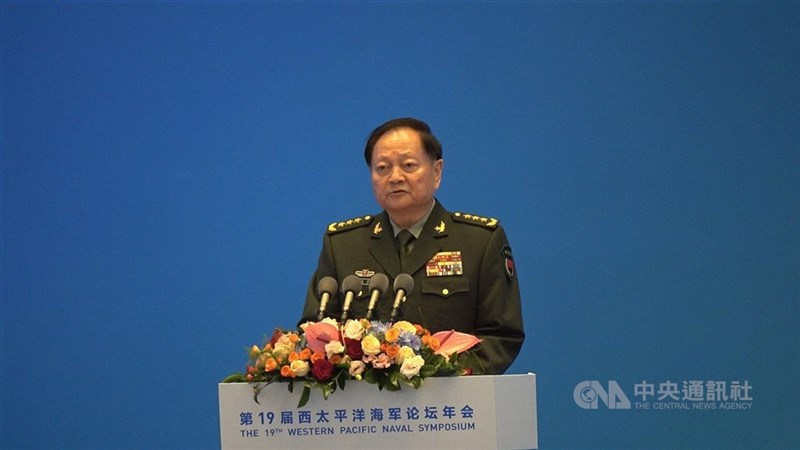
Xi Jinping's extensive military purge, reported January 29, 2026, represents a critical geopolitical inflection point for cross-border e-commerce sellers dependent on Asian manufacturing and semiconductor supply chains. The removal of China's top general Zhang Youxia and dozens of senior commanders, combined with Xi's stated 2027 military modernization deadline, creates measurable supply chain risk for sellers sourcing electronics, consumer tech, and semiconductor-dependent products. Taiwan remains the world's dominant semiconductor manufacturer (controlling 92% of advanced chip production via TSMC), and military instability in the Taiwan Strait directly threatens the logistics networks and component availability that power 40-60% of global electronics e-commerce.
Supply Chain Vulnerability Window (2026-2027): The purge's timing is critical. Xi has consolidated absolute control over the PLA through loyalty-based appointments rather than merit-based military leadership, creating operational uncertainty during a 2027 military modernization milestone. Intelligence reports suggest this timeline includes Taiwan contingency planning, meaning the next 18-24 months represent elevated geopolitical risk. For sellers, this translates to potential semiconductor shortages, shipping delays through the Taiwan Strait, and regulatory uncertainty affecting inventory planning. Electronics sellers (consumer drones, smart home devices, gaming peripherals, laptops) face 15-25% margin compression if component costs spike due to supply disruptions.
Specific Product Categories at Risk: Semiconductor-dependent categories face highest exposure—smartphones (HS 8517), laptops (HS 8471), consumer electronics (HS 8528-8543), and IoT devices all rely on Taiwan-manufactured chips. A 30-day Taiwan Strait shipping disruption would create 6-8 week lead time extensions, forcing sellers to either increase safety stock (raising carrying costs 8-12%) or accept stockout risk. Gaming peripherals, drones, and smart home devices—categories generating $15-20B in annual cross-border sales—face particular vulnerability. Sellers with 60-90 day inventory cycles will experience the most acute pressure.
Competitive Advantage Opportunity: Sellers who diversify sourcing away from Taiwan-dependent supply chains before mid-2027 gain competitive advantage. Vietnam, South Korea, and Japan offer alternative semiconductor assembly and electronics manufacturing, though at 5-8% cost premiums. Early movers can lock in supplier relationships and pricing before competitors scramble for alternatives. Mid-market sellers (annual revenue $500K-$5M) have 12-18 months to execute sourcing transitions before supply chain stress becomes acute.
問題 8
Should sellers reduce Taiwan-sourced inventory or increase it before the 2027 deadline?
A balanced approach works best: maintain current Taiwan sourcing levels while simultaneously building alternative supplier relationships. Increasing Taiwan inventory creates excessive carrying costs and obsolescence risk if supply chains normalize. Instead, implement a 'steady-state diversification' strategy where new orders shift 30-40% to Vietnam/South Korea while existing Taiwan suppliers continue at current volumes. This approach spreads risk without overcommitting capital. For fast-moving categories (consumer electronics with 30-45 day shelf life), maintain 45-60 day Taiwan inventory while building 30-day Vietnam reserves. For slower categories (industrial electronics, specialty components), reduce Taiwan inventory by 10-15% and redirect capital to diversified sourcing.
What cost impact should sellers budget for Taiwan supply chain diversification?
Diversification costs include: 5-8% component cost premium for Vietnam/South Korea sourcing, 2-3% additional logistics costs for multi-source supply chains, and 1-2% quality assurance overhead for new supplier qualification. For a seller with $2M annual electronics revenue, total diversification costs would be $100-160K in year one. However, this investment provides insurance against potential 20-30% cost spikes if Taiwan supply disruptions occur. ROI becomes positive if any supply disruption exceeds 2-3 weeks, which becomes increasingly likely as geopolitical tensions escalate through 2027. Sellers should view this as risk mitigation rather than pure cost, similar to insurance premiums.