


Midwest Data Center Infrastructure Delays Impact Cloud Service Availability for E-Commerce Sellers
- QTS withdraws $500M+ Wisconsin project on January 28, 2026; delays regional cloud infrastructure expansion affecting seller latency and fulfillment efficiency in Midwest markets









概览
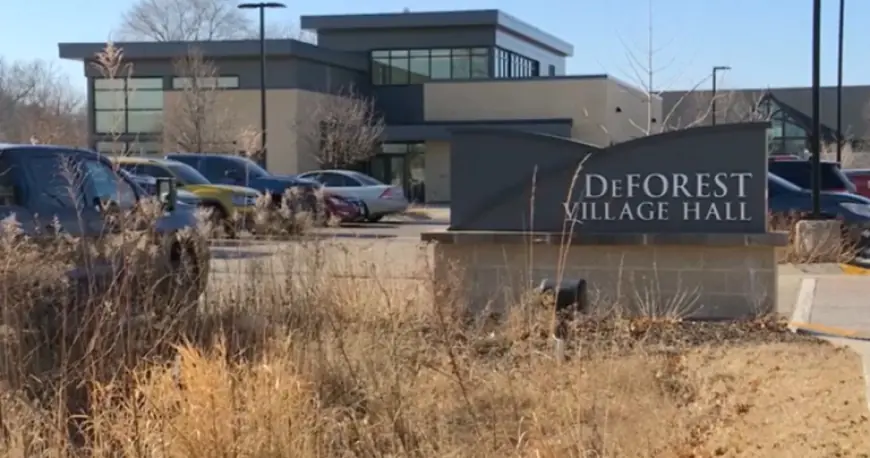
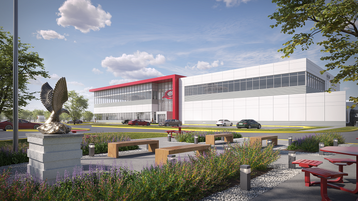
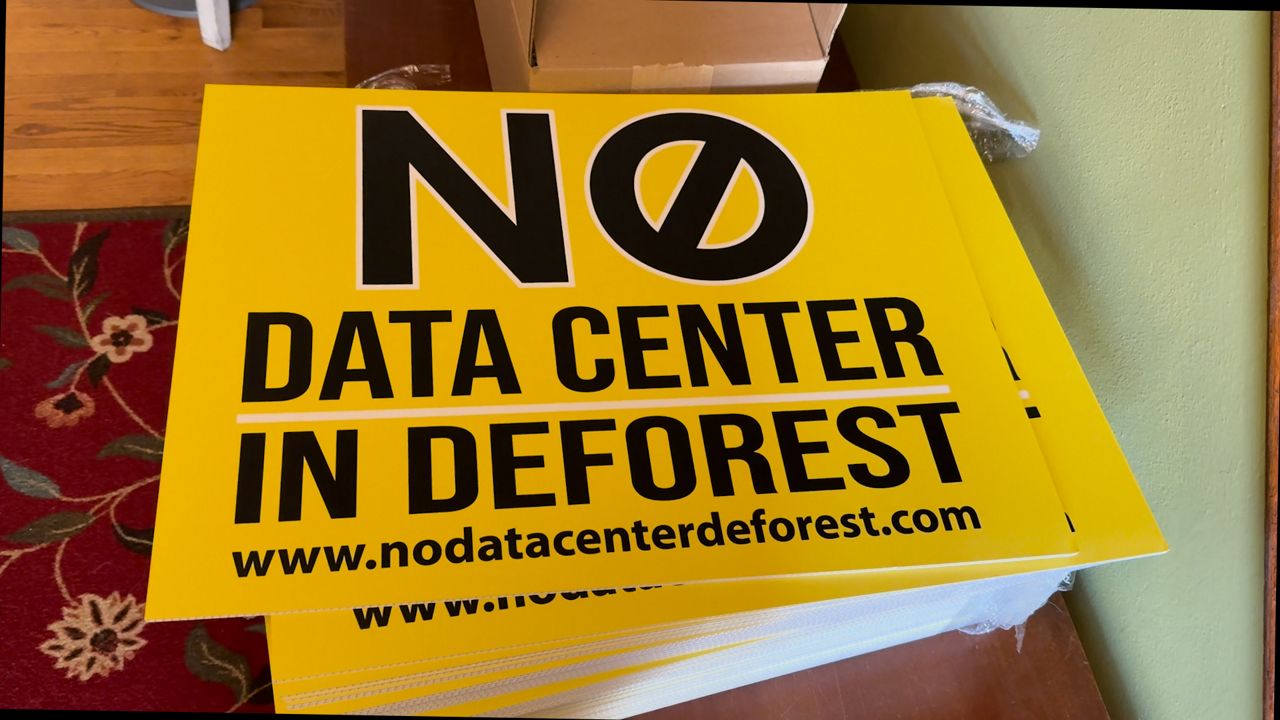
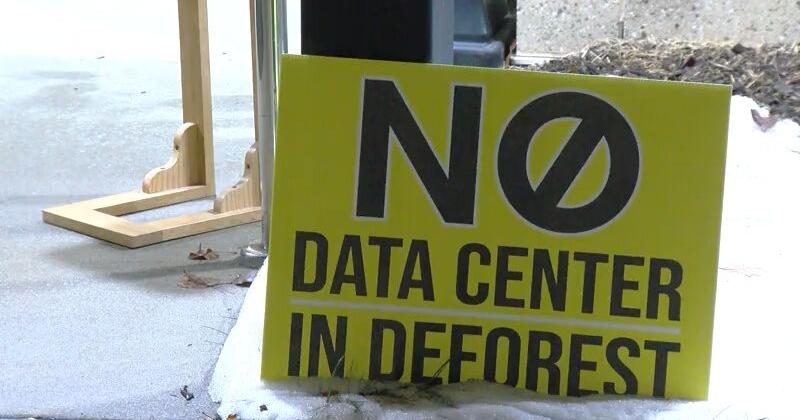
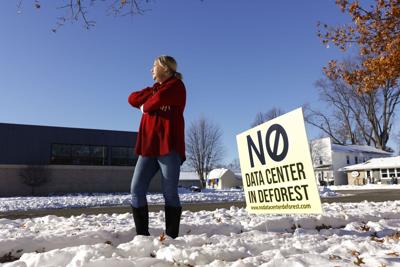
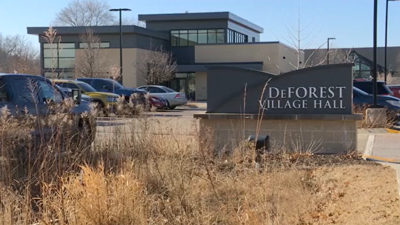
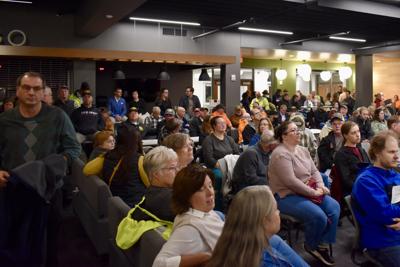
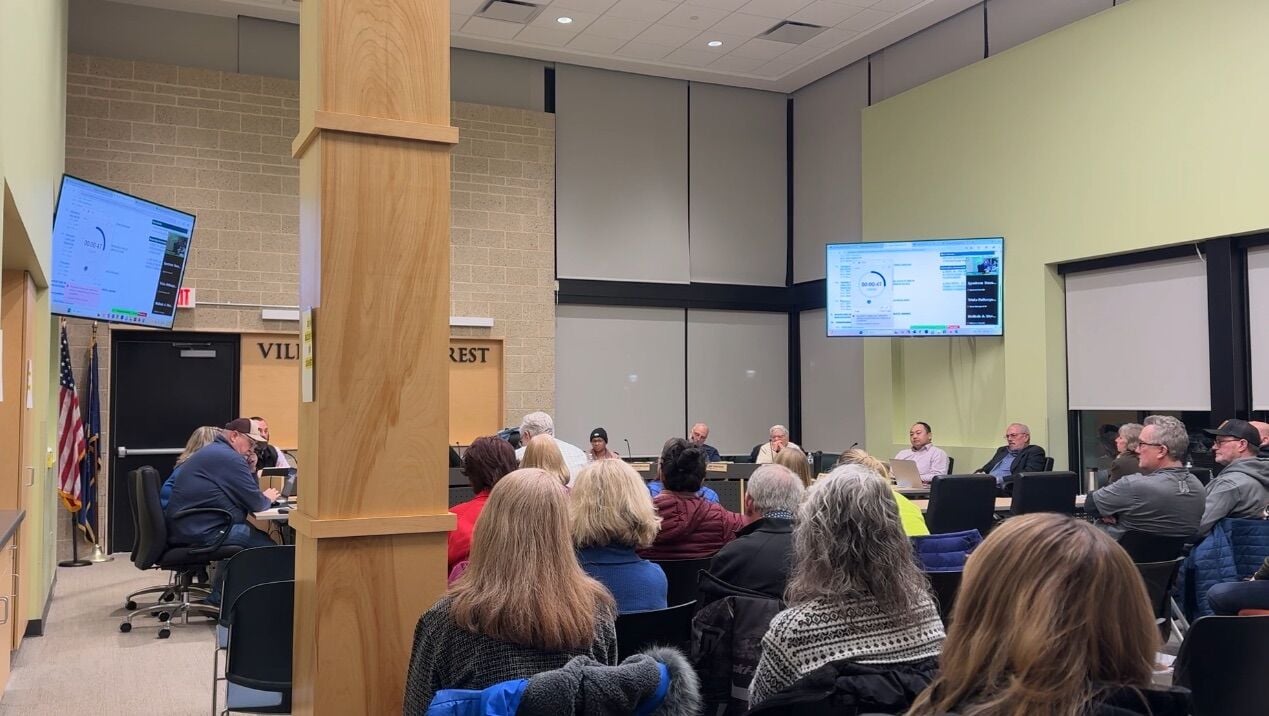
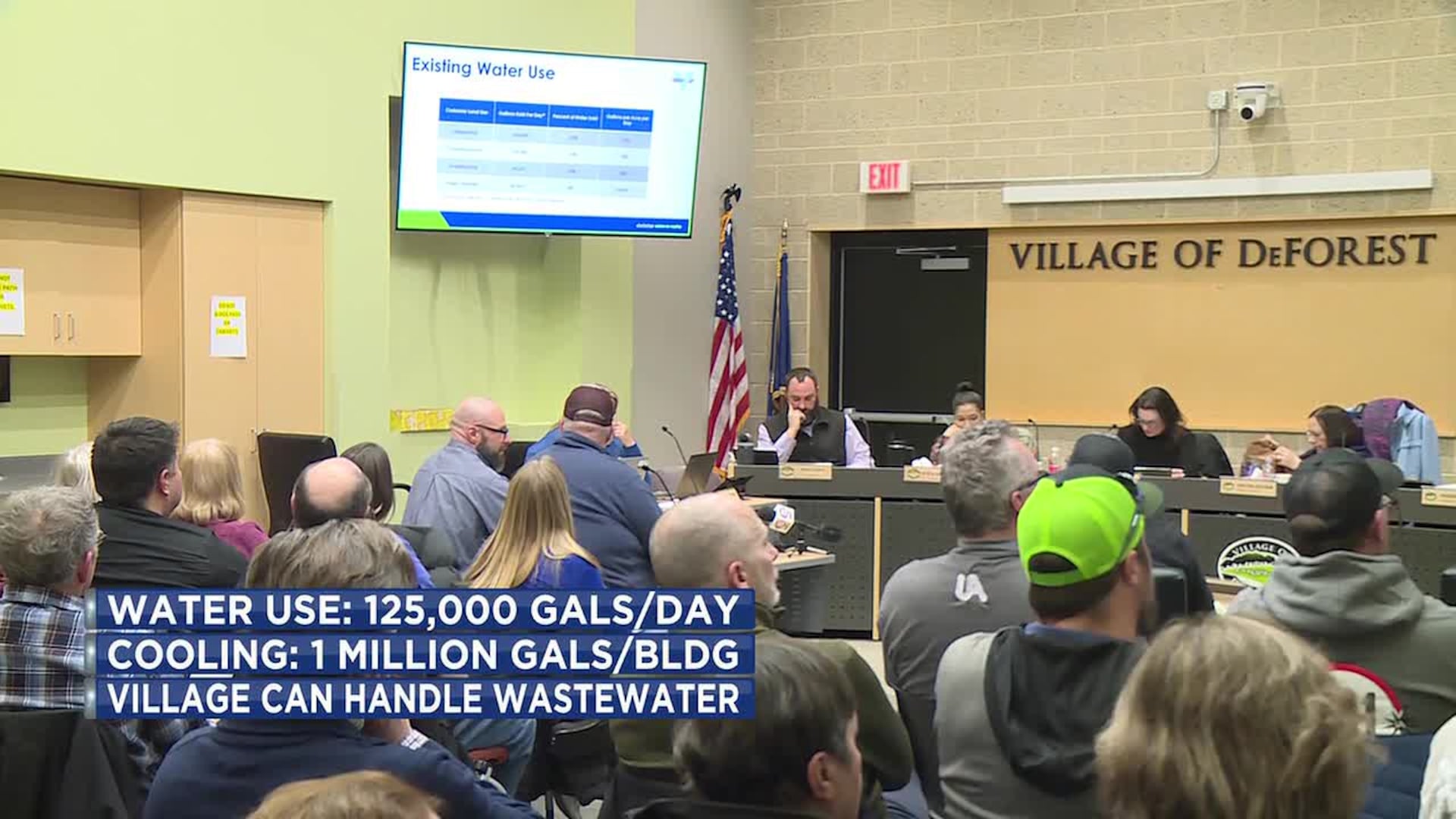
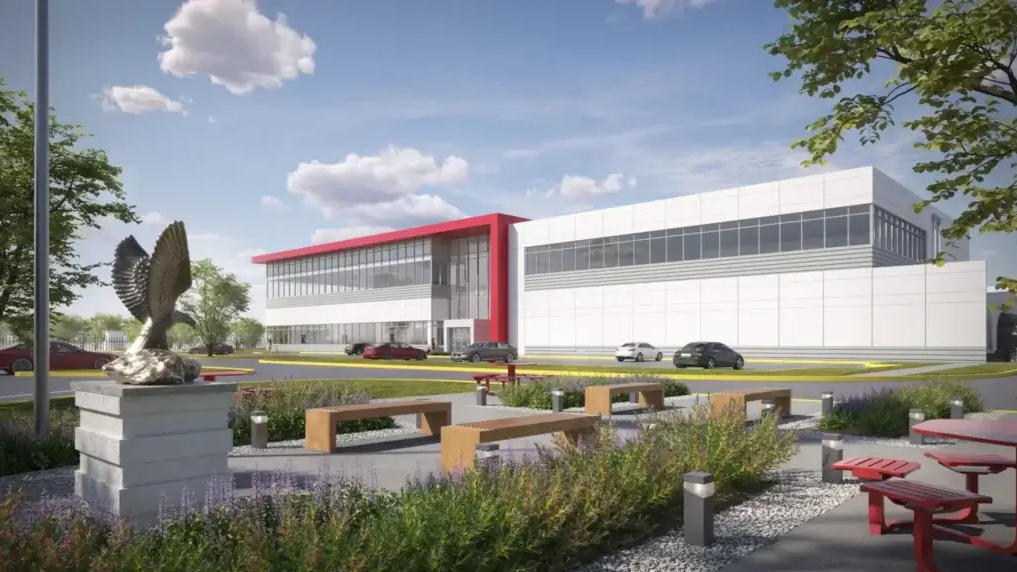
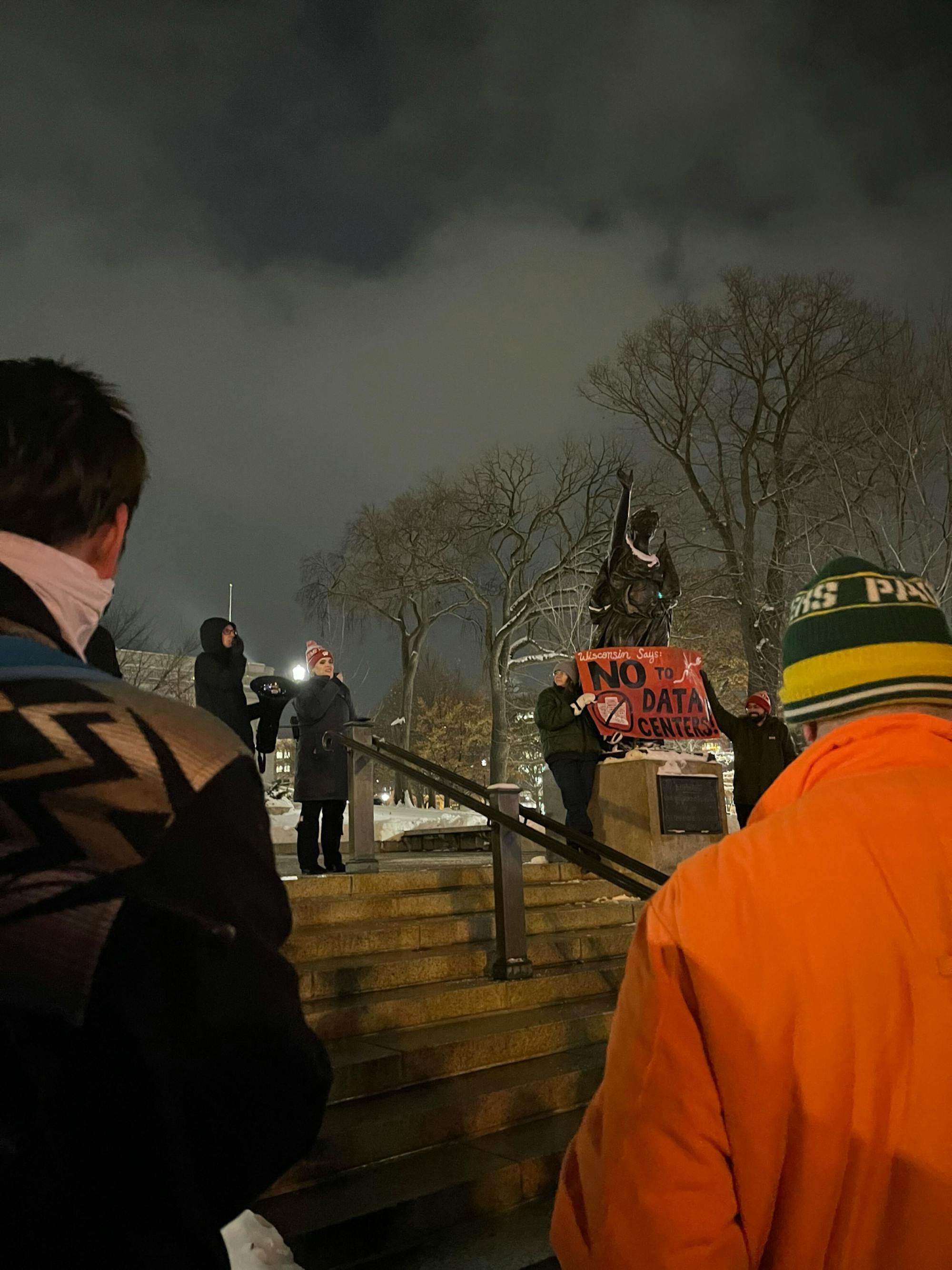
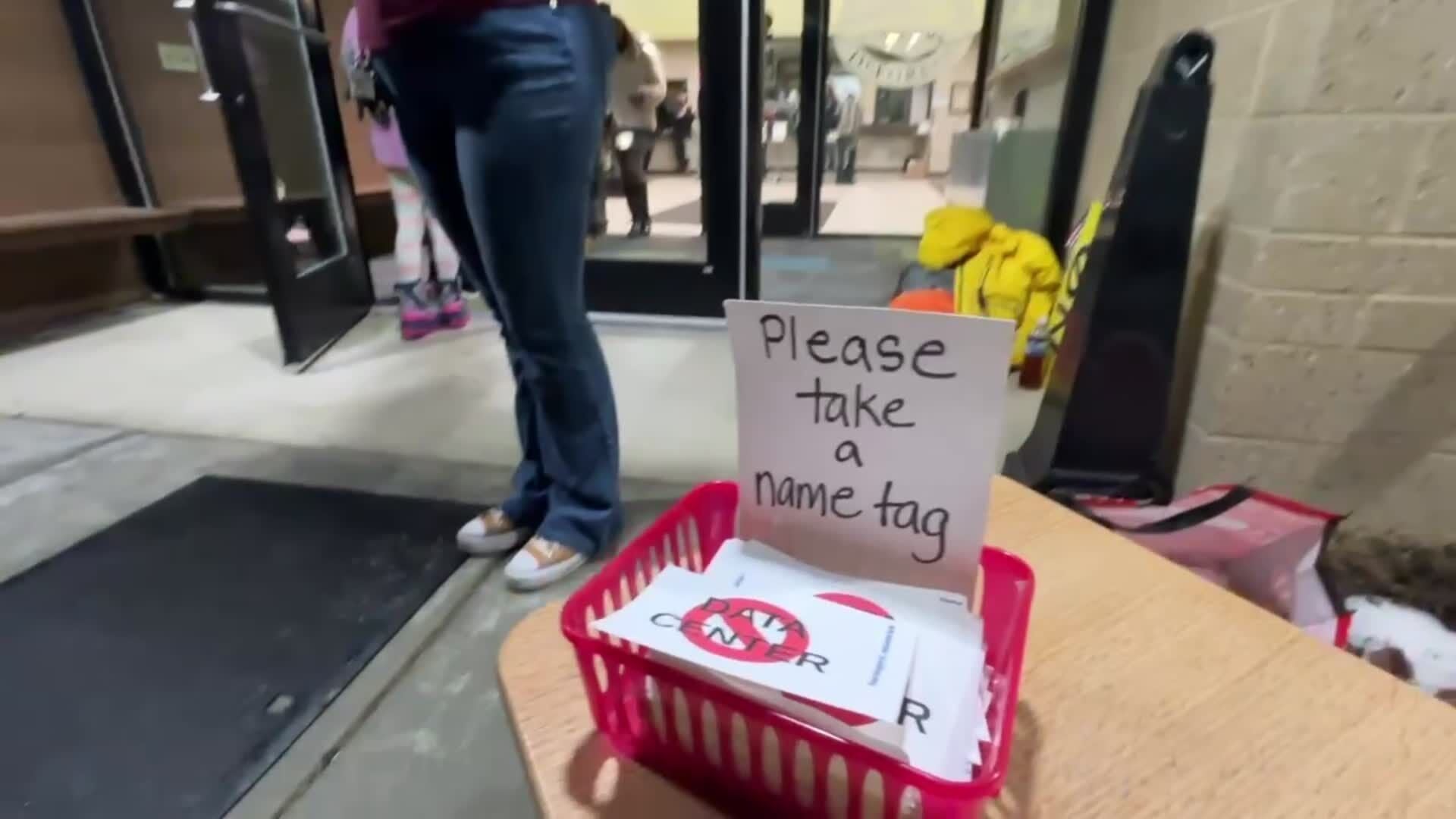
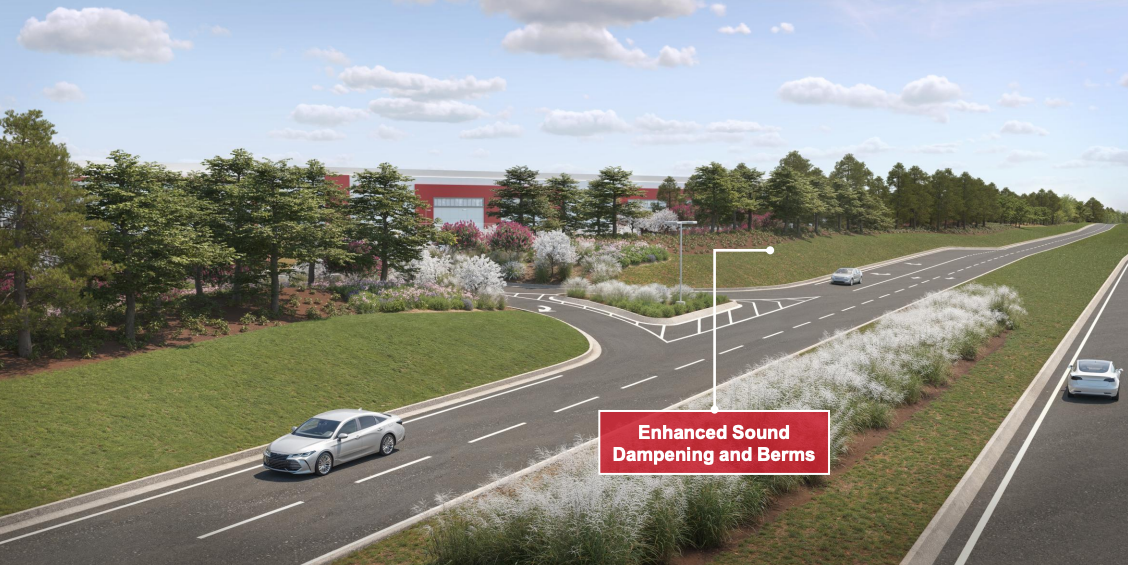
QTS Realty Trust's withdrawal from the DeForest, Wisconsin data center project on January 28, 2026, represents a significant setback for Midwest infrastructure expansion that directly impacts e-commerce sellers relying on regional cloud services and logistics networks. The project cancellation, following community opposition and village staff recommendation to reject the annexation petition at the February 3 Village Board meeting, signals broader challenges in data center site selection where community alignment now supersedes technical feasibility. For cross-border e-commerce sellers, this development creates operational implications across three critical dimensions: cloud service latency, logistics network efficiency, and regional server performance.
Infrastructure Capacity and Seller Operations: The DeForest project's failure delays critical data center capacity expansion in the Alliant Energy service territory spanning Wisconsin and Iowa. E-commerce sellers operating fulfillment centers, inventory management systems, and customer-facing platforms in this region depend on regional data center proximity to minimize latency. Industry benchmarks show that every 100ms increase in server response time correlates with 1-2% conversion rate decline in e-commerce transactions. QTS's $1.5 million partnership with UW-Madison on responsible data center development research indicates the company is recalibrating its approach, suggesting future projects will face extended community engagement timelines (6-12 months) before approval, delaying infrastructure deployment by 18-24 months compared to historical timelines.
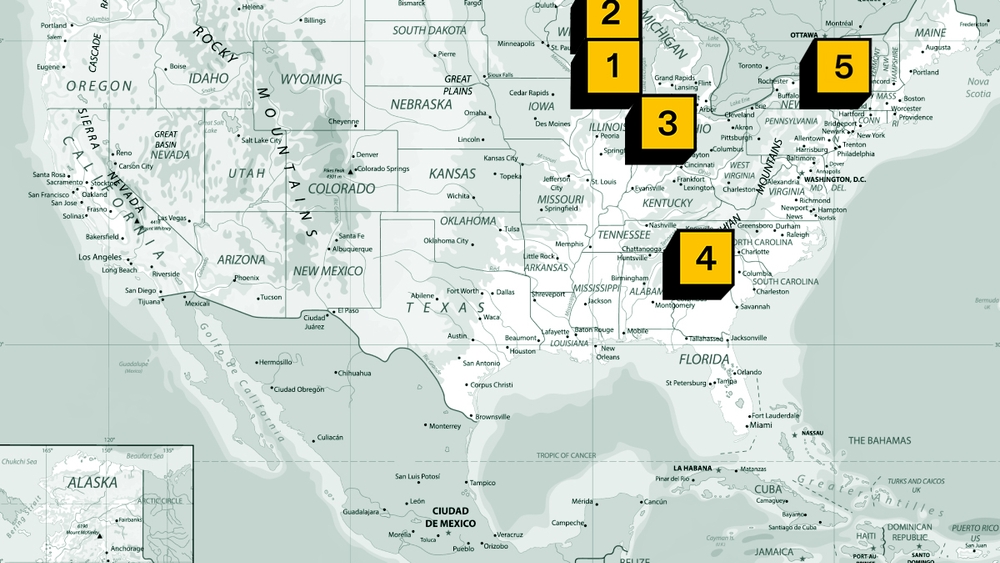
Regional Market Dynamics and Competitive Positioning: The withdrawal reflects growing community opposition to large-scale data center development in residential areas—a trend increasingly seen across the United States. This pattern creates a two-tier infrastructure market: communities that welcome data centers (gaining competitive advantages in cloud service costs and latency) versus those that resist (facing higher operational costs for sellers). Sellers with operations in Wisconsin and Iowa face potential 8-15% increases in cloud infrastructure costs if they must route traffic through distant data centers in Chicago, Minneapolis, or St. Louis rather than local facilities. QTS's stated commitment to pursuing alternative locations across Wisconsin and Iowa indicates the company will shift focus to industrial zones and rural areas, potentially creating new opportunities for sellers in secondary markets willing to relocate fulfillment operations.
Strategic Implications for Seller Infrastructure Planning: The DeForest outcome demonstrates that infrastructure projects now require 6-12 months of community engagement before technical feasibility assessment, fundamentally changing project timelines. Sellers should anticipate 2-3 year delays in regional infrastructure improvements and consider diversifying cloud service providers to hedge against single-region capacity constraints. The emphasis on "responsible data center development" suggests future projects will incorporate environmental impact assessments and sustainability requirements, potentially increasing operational costs by 5-10% but creating competitive advantages for sellers prioritizing ESG compliance in their supply chains.
問題 7
What alternative locations should sellers consider as QTS shifts focus from DeForest?
QTS's stated commitment to pursuing opportunities across Wisconsin and Iowa indicates focus on industrial zones and rural areas outside residential communities. Sellers should monitor QTS announcements for projects in areas like Madison industrial parks, Des Moines suburbs, or rural Wisconsin counties. These alternative locations may offer better long-term infrastructure stability than residential-area proposals. Consider partnerships with regional 3PL providers already positioned in these emerging data center zones to gain early access to improved cloud service capacity.
How does community opposition to data center projects affect seller infrastructure planning?
The DeForest rejection demonstrates that community sentiment now supersedes technical feasibility in site selection. Sellers should anticipate that residential-area data center proposals will face 6-12 month opposition periods, while industrial-zone projects may proceed faster. This creates a two-tier market: communities welcoming data centers (lower costs, better latency) versus those resisting (higher costs, worse performance). Sellers should prioritize fulfillment center locations in communities with pro-development policies and existing industrial infrastructure.