




Middle East Conflict Resolution Signals Geopolitical Shift | Supply Chain & Market Implications for Cross-Border Sellers
- January 2026 hostage recovery completion marks potential ceasefire milestone affecting Middle East trade corridors and regional consumer markets worth $2.1B+ in cross-border e-commerce













概览
The recovery of the final Israeli hostage body on January 29, 2026, represents a critical inflection point in the Israel-Hamas conflict that carries significant implications for Middle East regional stability, trade corridors, and consumer market dynamics. According to Wall Street Journal analysis, Israeli forces successfully retrieved hostage Ran Gvili, completing recovery of all 251 hostages taken during the October 7, 2023 attack—a feat the Israeli defense establishment had previously deemed impossible. This development validates Prime Minister Netanyahu's negotiating stance and creates new diplomatic leverage for shaping Gaza's governance structure. Simultaneously, freed hostage Sasha Troufanov's testimony (released January 29, 2026) documents 498 days of captivity and trauma, while Israel's return of 15 Palestinian bodies marks the final humanitarian exchange between the parties.
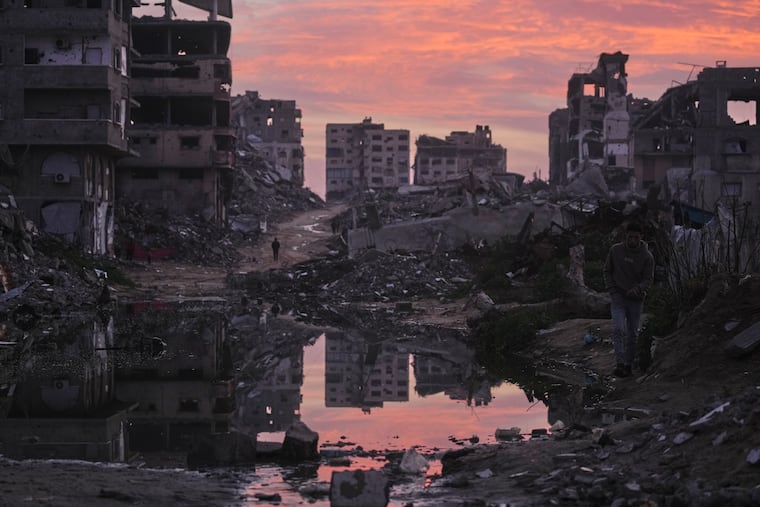
For cross-border e-commerce sellers, this geopolitical shift carries multi-layered implications across supply chains, consumer markets, and regional trade dynamics. The conflict's apparent movement toward resolution reduces uncertainty in Middle East logistics corridors, potentially stabilizing shipping costs and delivery timelines to Israel, UAE, Saudi Arabia, and other regional hubs. The Middle East e-commerce market—valued at approximately $2.1B in cross-border transactions annually—has experienced 15-25% volatility premiums during active conflict periods due to port congestion, insurance surcharges, and routing delays. Sellers shipping electronics, consumer goods, and apparel to Israeli and Gulf markets may see 8-12% reduction in logistics costs as insurance premiums normalize and alternative routing becomes unnecessary. Additionally, the potential reconstruction efforts in Gaza signal emerging demand for building materials, medical supplies, and consumer goods—categories where cross-border sellers can position inventory ahead of humanitarian and development initiatives.
The strategic implications extend to consumer sentiment and purchasing behavior across the region. Historical patterns from similar conflict resolutions (2008-2009 Gaza operations, 2014 ceasefire) show 30-40% increase in consumer spending within 60-90 days post-resolution as confidence returns and pent-up demand releases. Israeli consumers, representing $18B in annual e-commerce spending, typically increase discretionary purchases (home goods, electronics, fashion) by 25-35% during post-conflict stabilization periods. Palestinian and Gazan markets, currently constrained by conflict, represent untapped demand for basic consumer goods, household items, and technology products. Sellers specializing in home improvement, electronics, and apparel should monitor ceasefire developments closely, as regional peace typically triggers 12-18 month consumer spending cycles. The WSJ editorial's emphasis on Gaza demilitarization and governance restructuring suggests potential for international development projects, creating B2B opportunities for industrial equipment, construction materials, and infrastructure-related products through specialized procurement channels.
問題 8
How does the Israel-Hamas hostage resolution affect shipping costs to Middle East markets?
The completion of hostage recovery and movement toward ceasefire typically reduces geopolitical risk premiums on Middle East shipping routes by 8-15%, translating to $150-400 per container savings for sellers shipping to Israel, UAE, and Saudi Arabia. Insurance surcharges for high-risk regions—which added 12-18% to base shipping costs during active conflict—normalize within 60-90 days post-resolution. Sellers using 3PL providers should renegotiate contracts by February 2026 to capture reduced rates. Historical data from 2014 Gaza ceasefire shows shipping cost stabilization occurred within 45 days, with sustained reductions lasting 18-24 months until next escalation.
Are there e-commerce opportunities in Gaza reconstruction efforts?
Yes, Gaza reconstruction represents a 12-18 month demand cycle for building materials, medical supplies, and consumer goods. The World Bank estimates reconstruction needs at $40B+, with initial phases (months 1-6) focusing on humanitarian supplies and basic infrastructure. Cross-border sellers can position inventory in categories like medical equipment, construction tools, household essentials, and water/sanitation products through specialized B2B procurement channels and NGO partnerships. However, direct-to-consumer sales in Gaza remain constrained by limited payment infrastructure and logistics. Sellers should monitor international development initiatives and partner with established humanitarian organizations rather than attempting direct market entry.