



Counterfeit Product Enforcement & Supply Chain Risk | Cross-Border Sellers Must Strengthen Authentication
- £288M counterfeit operation bust reveals critical gaps in product verification; sellers face increased platform scrutiny and liability exposure in 2026
















概览
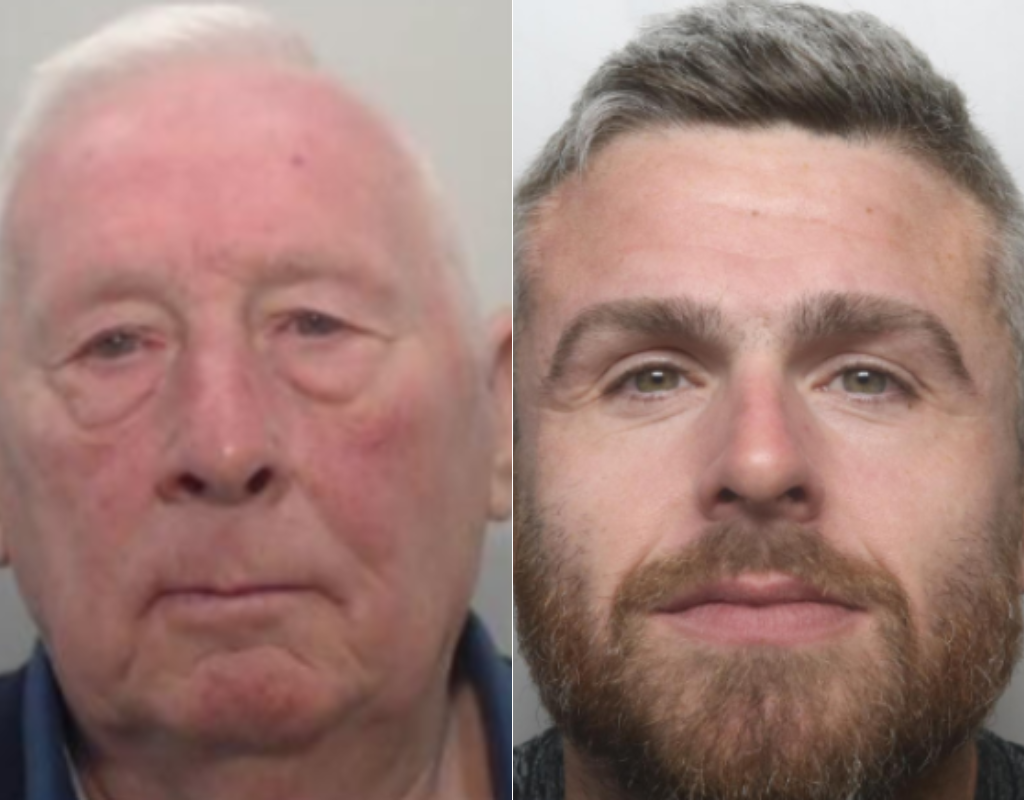
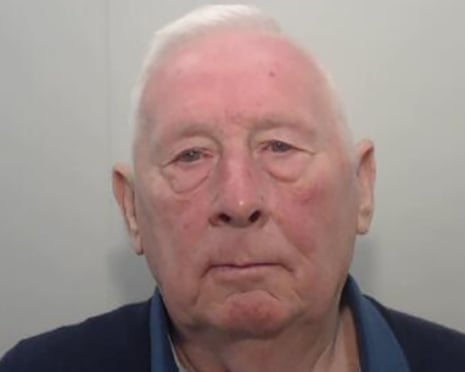
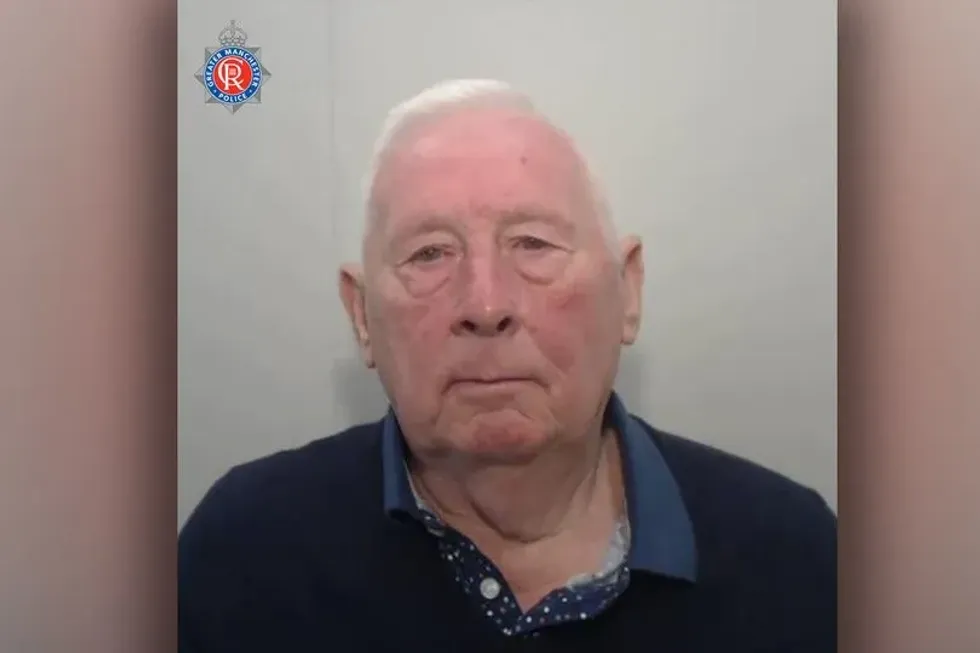
The January 2026 conviction of a £288 million counterfeit pharmaceutical operation in Wigan, UK—the largest of its kind uncovered by UK police—signals an escalating enforcement environment that directly impacts cross-border e-commerce sellers, particularly those in health, wellness, and regulated product categories. John Eric Spiby and his organized crime network produced industrial-scale counterfeit diazepam tablets from a rural cottage, demonstrating how sophisticated counterfeiting operations exploit supply chain vulnerabilities that legitimate sellers must now defend against.
Platform Implications for Sellers: Amazon, eBay, and Shopify have intensified anti-counterfeiting measures following high-profile enforcement actions. The Wigan case, prosecuted under UK conspiracy and Class C drug manufacturing statutes, establishes legal precedent that platforms themselves face liability if counterfeit products reach consumers. This translates to stricter seller verification requirements, increased account audits for sellers in pharmaceutical, supplement, and health categories, and mandatory authentication documentation. Sellers shipping to UK and EU markets should expect enhanced customs inspections and third-party verification requests—adding 5-15 business days to fulfillment timelines and £200-500 per shipment in compliance costs.
Supply Chain Risk Assessment: The operation's scale (£288M street value, industrial machinery, multi-person coordination) reveals that counterfeiters now operate with enterprise-level sophistication. For legitimate sellers, this means: (1) Supplier verification has become non-negotiable—platforms now require certificates of authenticity, manufacturing documentation, and batch traceability for health/wellness products; (2) Packaging and labeling must include anti-counterfeiting features (holograms, QR codes, serialization) to differentiate from fakes; (3) Sellers in high-risk categories (vitamins, supplements, pharmaceuticals, beauty) face account suspension if even 0.1% of inventory is flagged as potentially counterfeit. The Spiby case demonstrates that counterfeiters target high-margin, regulated products—exactly where legitimate sellers operate.
Regional Enforcement Escalation: The UK prosecution involved Greater Manchester Police, Crown Court proceedings, and sentences ranging 9-16.5 years, signaling that counterfeiting is now treated as serious organized crime rather than IP infringement. EU and UK customs authorities are coordinating enforcement; sellers should anticipate: increased random inspections at ports (Felixstowe, Southampton), mandatory product testing for health claims, and potential account freezes during investigations. The 2025-2026 period marks a shift from platform-level enforcement to criminal prosecution of supply chains.
問題 7
How does this enforcement action impact my product liability insurance and seller protection?
The £288M counterfeit operation and resulting criminal prosecution establish that sellers can face liability if counterfeit products reach consumers. Shopify, Amazon, and eBay now require sellers to maintain product liability insurance covering counterfeiting scenarios. Standard e-commerce insurance may exclude counterfeit-related claims, so review your policy immediately. The Wigan case demonstrates that organized crime networks target high-margin products—exactly where legitimate sellers operate. Consider upgrading to comprehensive product liability coverage (£1-3M) that explicitly covers counterfeit-related claims, authentication failures, and supply chain breaches. Cost: typically £500-2,000 annually depending on category and volume.
What are the account suspension risks if counterfeit products are detected in my inventory?
Amazon, eBay, and Shopify now treat counterfeit detection as account-level risk. Even 0.1% of flagged inventory can trigger suspension in health/wellness categories. The Wigan case—involving 16.5-year prison sentences—signals that platforms view counterfeiting as serious liability. If a customer reports a counterfeit product or third-party testing flags an item, expect: immediate account review, inventory hold (7-30 days), and potential permanent suspension if you cannot prove supplier legitimacy. Mitigation: maintain batch documentation, implement QR code verification, and conduct quarterly inventory audits. Document all supplier communications and certifications.