



Dollar Hits 4-Year Low: Import Costs Surge 3-8% for Cross-Border Sellers
- Weaker USD increases COGS for import-dependent sellers while boosting export competitiveness; ING projects 4-5% additional depreciation in 2025













概览
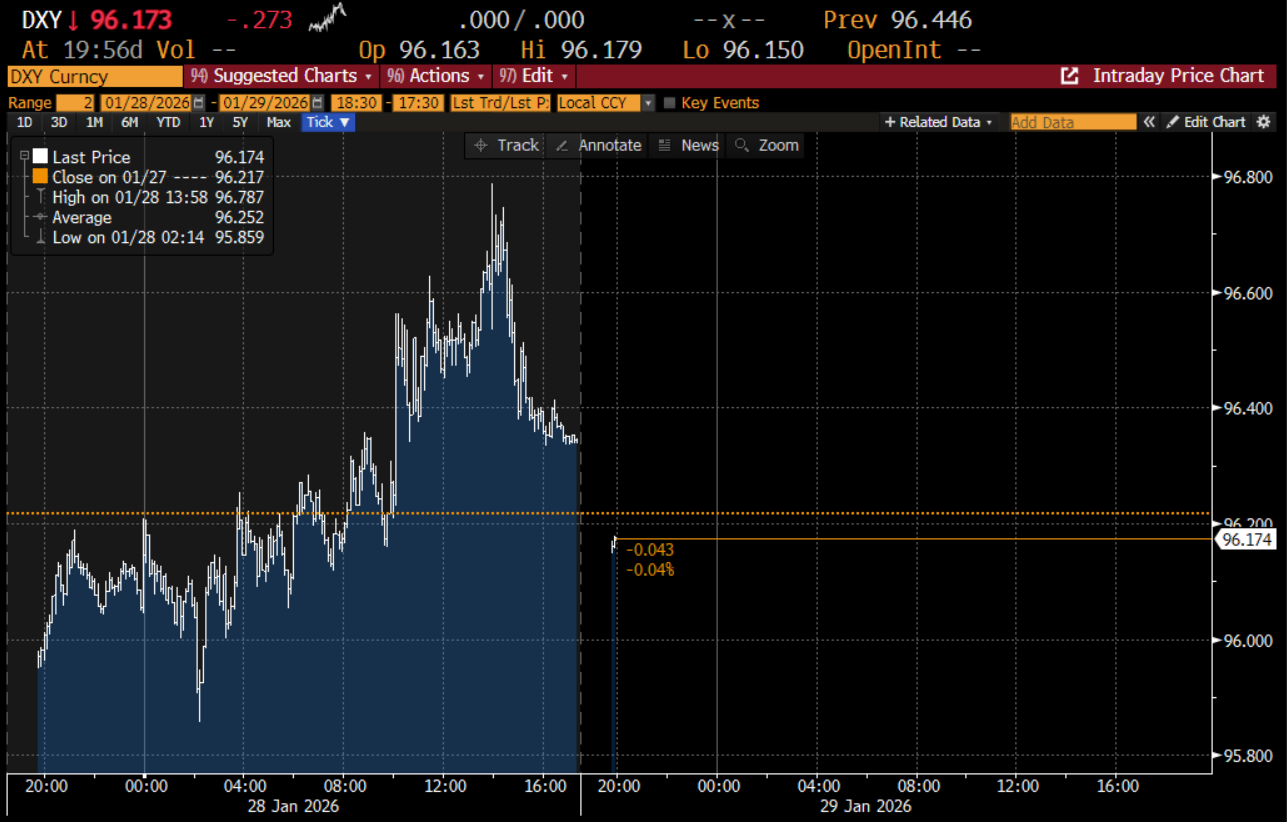
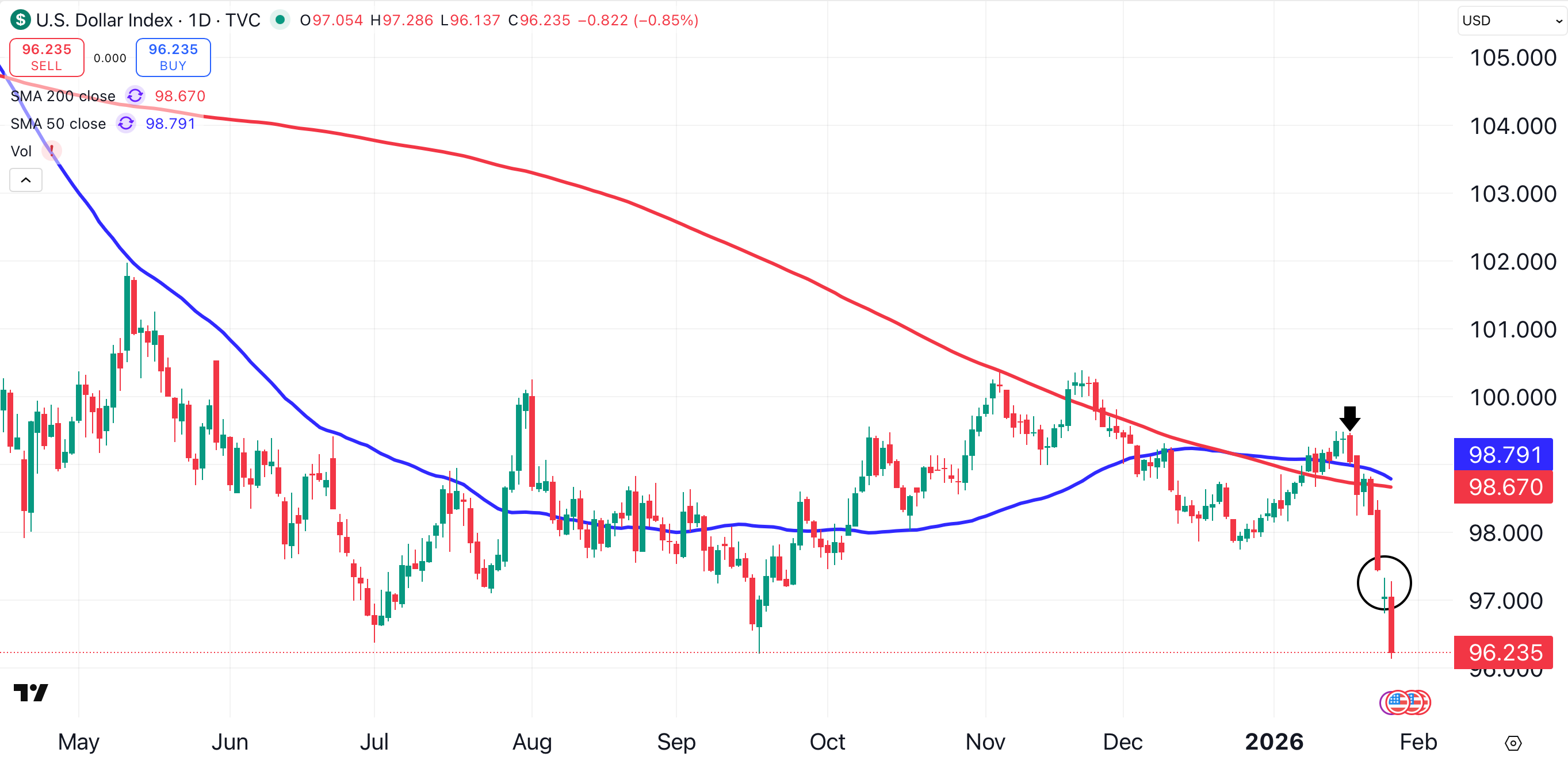
The US dollar has declined to its lowest point in four years, dropping 3% in roughly a week against a basket of currencies and hitting multi-year lows against the Euro and pound sterling. According to the ICE U.S. Dollar Index, the decline accelerated significantly, dropping more than 3% since mid-January 2026. This currency depreciation creates a critical bifurcation in cross-border e-commerce: import-dependent sellers face immediate margin compression, while US exporters gain competitive advantages. The currency movement reflects multiple factors including Trump administration tariff policy uncertainty, Federal Reserve interest rate decisions, and Japanese bond market volatility that prompted currency traders to unwind yen-dollar bets.
For import-dependent sellers, the financial impact is immediate and substantial. A weaker dollar increases the cost of goods sold (COGS) for sellers relying on overseas manufacturing from China, Vietnam, India, and other Asian suppliers. When the dollar weakens 3-8%, sellers importing products priced in foreign currencies face proportional cost increases. For example, a seller importing $100,000 in inventory from China experiences a $3,000-$8,000 cost increase without corresponding price adjustments. This compresses profit margins by 2-5 percentage points for sellers operating on typical 20-30% margins. The impact is most severe in price-sensitive categories (electronics, apparel, home goods) where consumers resist price increases. Sellers must immediately review supplier contracts, evaluate hedging strategies, and consider dynamic pricing adjustments on Amazon, eBay, and Shopify platforms.
Conversely, US-based manufacturers and exporters benefit from improved international competitiveness. A weaker dollar makes US-manufactured products more attractive to overseas buyers, particularly in Europe and emerging markets where the Euro and local currencies have strengthened against the dollar. Sellers exporting US-made goods (specialty foods, industrial equipment, branded merchandise) can capture market share from competitors while maintaining current pricing in foreign currencies. The "Sell America" trade, where investors shift from US assets to safe-haven alternatives like gold (recently reaching $5,500 per ounce), signals broader capital reallocation that may support export demand.
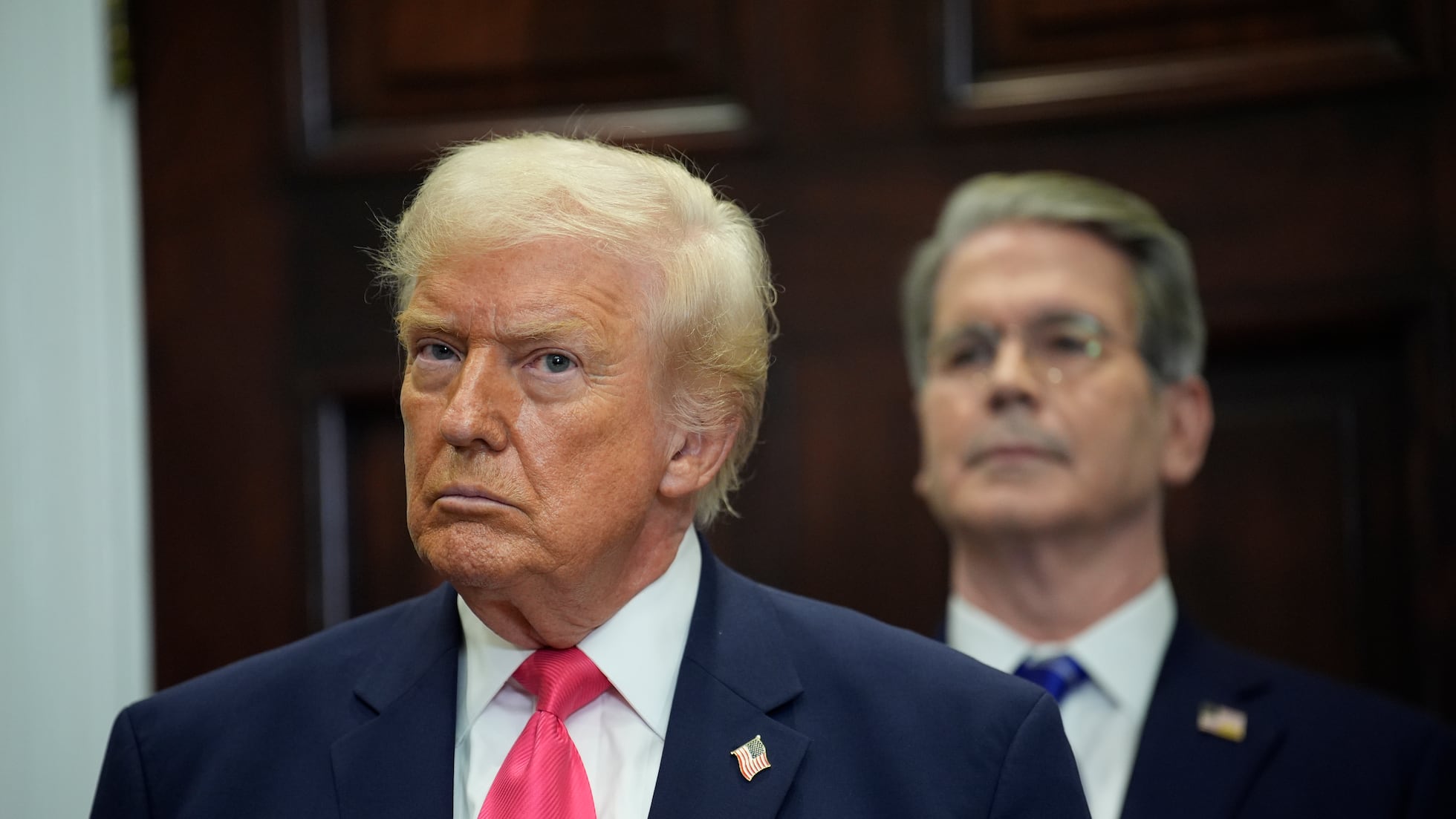
FX hedging and payment optimization become critical financial tools. ING projects additional 4-5% dollar depreciation in 2025, while FxPro's chief market analyst warns the dollar could fall 7-8% in coming months, returning to 2018-2021 lows. The dollar's share of global foreign reserves declined from 57.5% in Q1 2025 to 56% in Q3 2025, indicating shifting global investment patterns. Sellers should implement forward contracts to lock in supplier costs, utilize multi-currency payment platforms (Wise, OFX, Payoneer) to reduce conversion fees by 1-3%, and consider invoice financing in foreign currencies to accelerate cash conversion cycles. Treasury Secretary Scott Bessent's mixed messaging on dollar strength creates timing uncertainty, requiring sellers to monitor Federal Reserve policy announcements and Trump administration statements weekly.
問題 7
Which seller categories are most vulnerable to dollar weakness?
Import-dependent categories face the highest vulnerability: electronics (40-60% imported), apparel (70-80% imported), home goods (50-70% imported), and toys (60-80% imported). These categories operate on thin margins (15-25%) where 3-5% cost increases compress profitability significantly. Sellers in these categories should prioritize hedging and dynamic pricing. Conversely, US-manufactured categories benefit: specialty foods, industrial equipment, branded merchandise, and artisanal goods. If you sell in vulnerable categories, diversify suppliers across multiple countries to reduce single-currency exposure. Consider sourcing 30-40% from Mexico or Canada (USMCA partners) where currency movements are less volatile than Asian suppliers.
What forward contracts should I use to lock in supplier costs?
Forward contracts allow you to lock in exchange rates 30-180 days ahead, protecting against further dollar weakness. For example, if you pay suppliers $100,000 monthly in Chinese Yuan, a 90-day forward contract locks in today's USD/CNY rate, eliminating currency risk. Banks and platforms like Wise, OFX, and OANDA offer forward contracts with 0.5-1.5% fees. Calculate your typical monthly supplier payments, then contract 60-90 days forward to balance protection with flexibility. If you import $300,000 quarterly, contract $100,000 monthly for 90 days. This protects 75% of costs while allowing 25% flexibility for price negotiations. Avoid over-hedging—maintain some exposure to benefit if the dollar strengthens unexpectedly.