




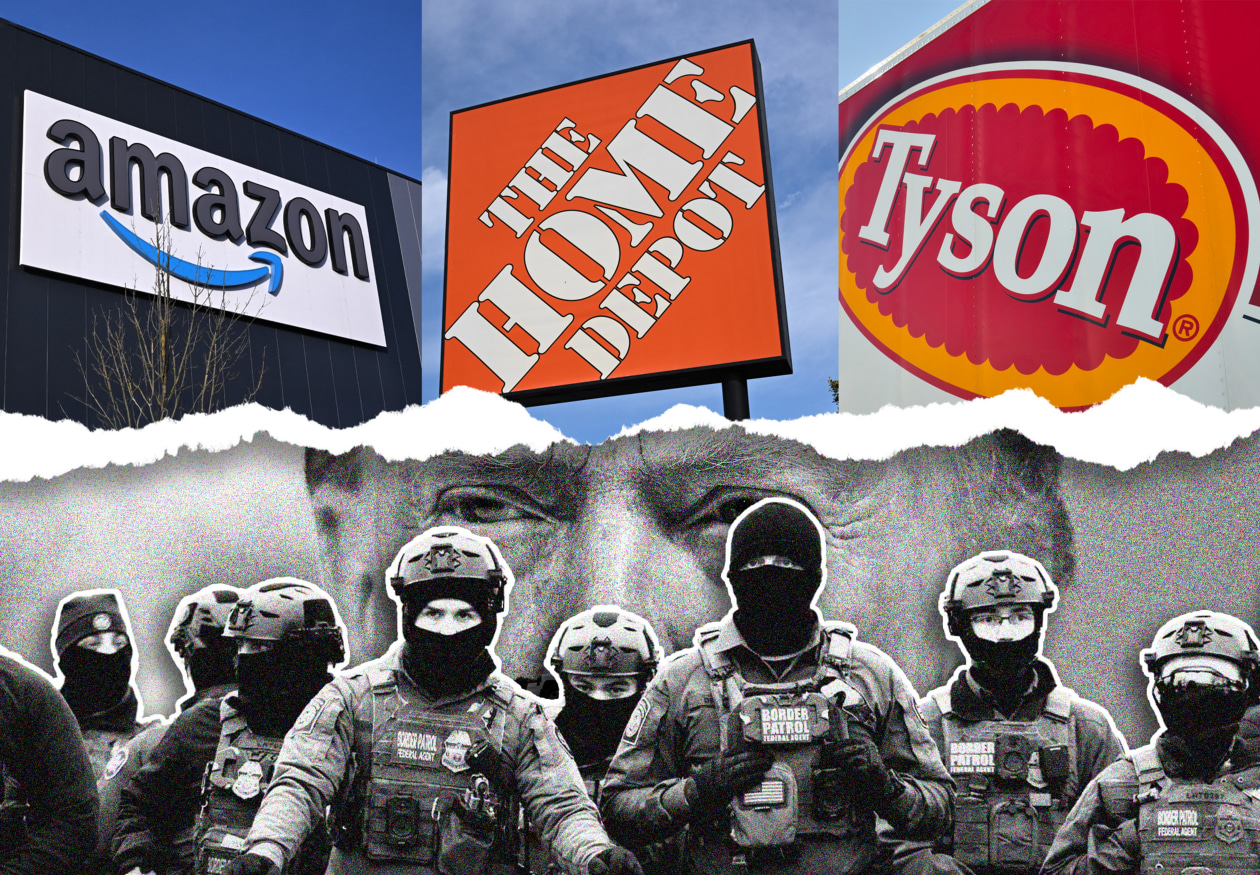
Corporate Crisis Management & Brand Reputation Risk | Retail Leadership Transitions Impact Seller Partnerships
- Target stock down 25% YoY amid leadership crisis; 50+ Minneapolis locations face operational disruption; corporate neutrality backlash signals broader retail sector vulnerability affecting supplier relationships and marketplace dynamics



















概览
Corporate Crisis Management in Retail Leadership Transitions: Strategic Implications for E-Commerce Sellers and Supply Chain Partners
The convergence of Target's CEO transition (February 1, 2026) with unprecedented reputational challenges reveals critical vulnerabilities in major retail operations that directly impact third-party sellers, marketplace suppliers, and logistics partners. Target's stock decline of 25% year-over-year, combined with its removal from Fortune's "Most Admired All-Stars" list for the first time in 24 years, signals fundamental operational instability affecting the company's 50+ Minneapolis locations and broader retail strategy. New CEO Michael Fiddelke inherits a retailer struggling with declining comparable sales for 10 of the past 12 quarters while simultaneously managing workforce crises, community activism, and reputational damage from corporate response decisions.
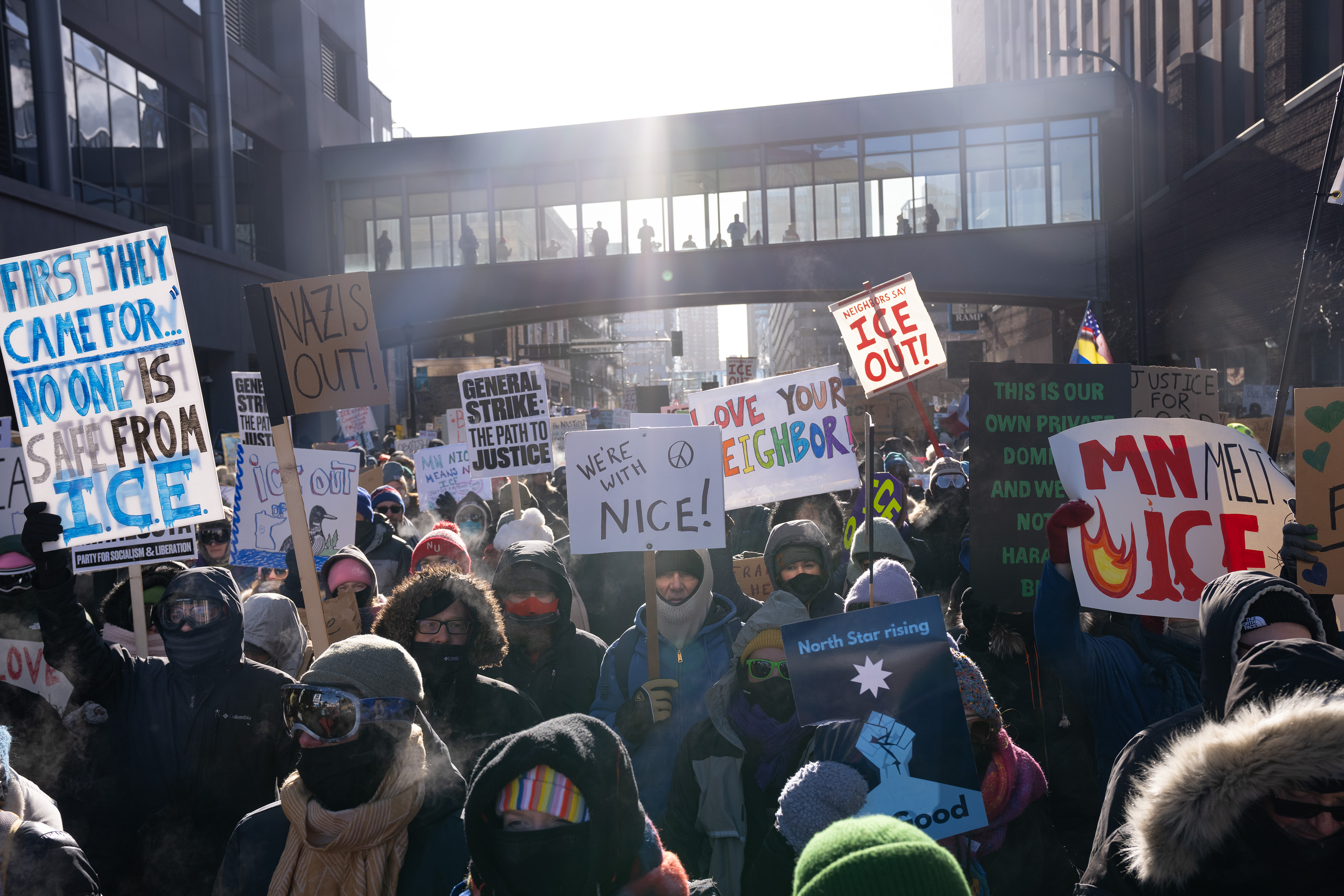
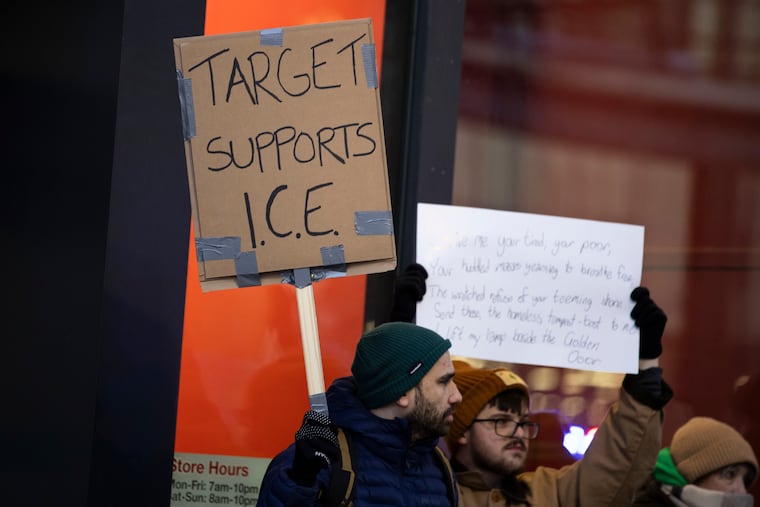
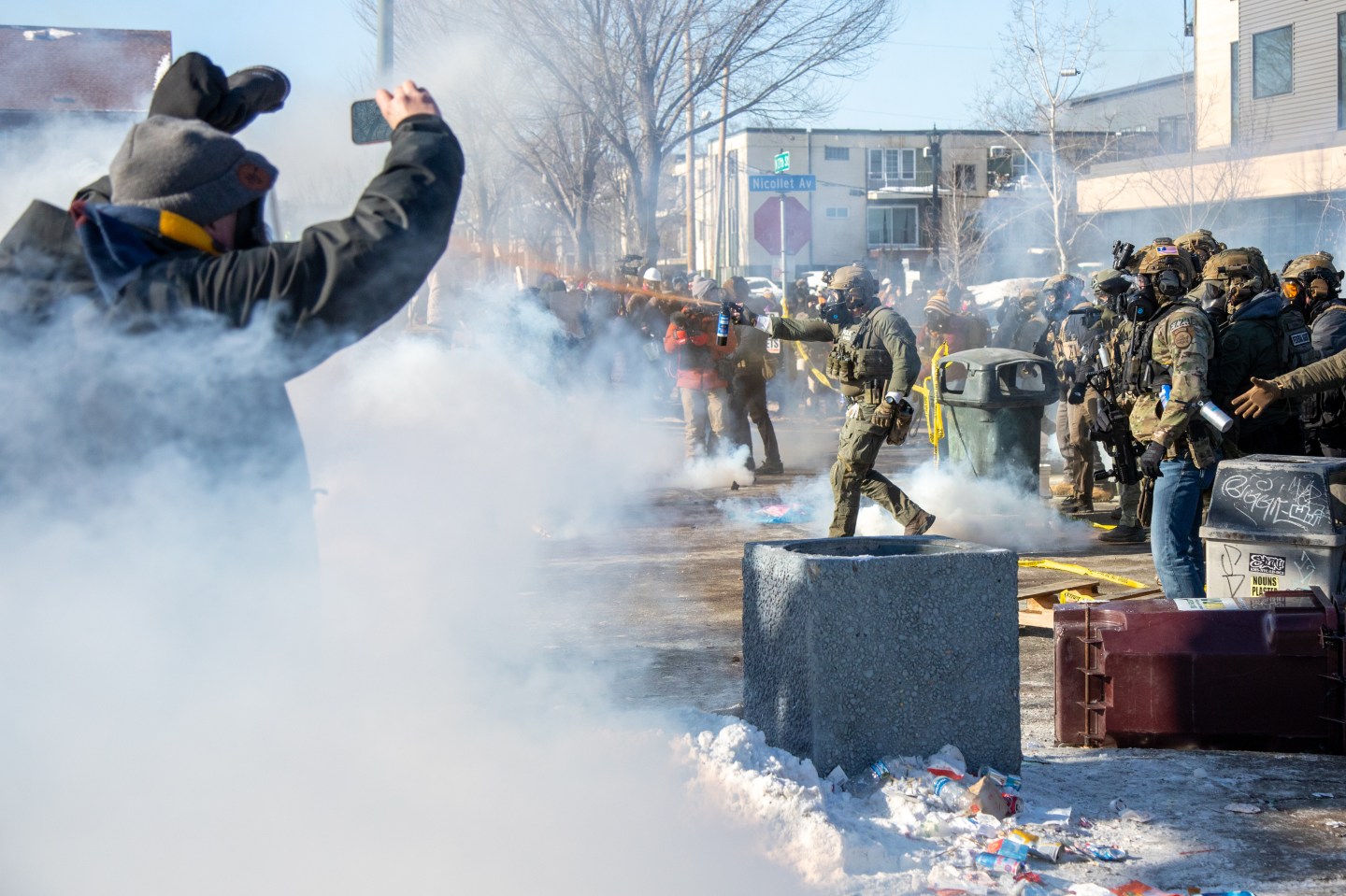
The Crisis Context and Retail Sector Implications: The January 27-28, 2026 events in Minneapolis—involving federal enforcement actions and fatal incidents—triggered divergent corporate responses that expose how major retailers navigate political and social pressures. Target's cautious internal memo (January 28) and weak public positioning contrasts sharply with OpenAI CEO Sam Altman's direct internal communication stating ICE actions are "going too far," which received hundreds of supportive employee responses. This divergence reveals a critical strategic tension: retailers like Target fear displeasing the Trump administration (evidenced by observers noting corporate "fear" of administration backlash), while tech leaders can afford more explicit positioning. For e-commerce sellers, this indicates Target's leadership is operating in defensive mode, likely to prioritize operational stability and risk mitigation over aggressive marketplace expansion or supplier relationship investments.
Operational and Partnership Risks for Sellers: Fiddelke's constrained authority—the board retained outgoing CEO Brian Cornell as executive chairman, a structure industry experts warn "limits meaningful change"—creates decision-making paralysis precisely when the company needs strategic clarity. Third-party sellers and logistics partners should anticipate: (1) delayed vendor onboarding and contract negotiations as leadership focuses on internal stabilization; (2) potential inventory reduction or category rationalization as the company tightens capital allocation; (3) increased compliance scrutiny and operational audits as new leadership establishes control; (4) possible shifts in Target's marketplace strategy as Fiddelke implements his three-point plan emphasizing "style differentiation" and "technology infrastructure investment." The 800+ employee signatures demanding ICE policy positions indicate workforce morale challenges that could translate to fulfillment delays, customer service degradation, and supply chain friction.
Strategic Positioning for E-Commerce Sellers: The broader context shows Minnesota's largest companies facing criticism for insufficient public statements on controversial policies, suggesting corporate leadership is navigating unprecedented pressure to balance stakeholder demands (employees, communities, activists) with government relationships. For sellers, this creates both risk and opportunity: retailers in crisis mode may reduce supplier diversity initiatives, consolidate vendor bases, or demand more favorable terms to preserve margins. Conversely, sellers positioned to support operational efficiency, technology modernization, or supply chain resilience may find expanded opportunities as new leadership implements turnaround strategies. The contrast between Target's cautious approach and tech sector's more explicit positioning also signals that retail and tech sectors are diverging in corporate governance philosophy—a shift that will reshape how major platforms approach vendor relationships, content moderation, and policy engagement.
問題 8
What are the long-term implications of corporate activism pressure on platform stability?
The 800+ signatures on ICEout.tech and employee activism at Palantir signal that corporate policy decisions are increasingly subject to workforce pressure. This creates long-term platform instability: companies may suddenly change service terms, pricing, or availability based on activist campaigns. Sellers should reduce dependency on single platforms, maintain portable data systems, and build direct customer relationships. Companies facing sustained activist pressure (like Palantir) may experience talent drain, service quality degradation, or sudden policy pivots. Diversify your technology stack and maintain relationships with 2-3 alternative providers for each critical function.
What timeline should sellers expect for Target's operational stabilization and vendor strategy clarity?
Yale research shows internal CEO transitions deliver superior shareholder returns at one-, three-, and five-year marks, suggesting Fiddelke has a 6-month window to establish authority and implement changes. However, the constrained board structure and reputational crisis extend this timeline. Sellers should expect: (1) 0-60 days: defensive positioning and operational focus; (2) 60-120 days: initial strategic announcements and vendor communication; (3) 120-180 days: implementation of turnaround initiatives affecting vendor relationships; (4) 6+ months: clarity on long-term vendor strategy. Fiddelke's Minneapolis family ties provide credibility for local stakeholder engagement, potentially accelerating community trust rebuilding but not necessarily vendor relationship clarity. Plan vendor negotiations for Q2-Q3 2026 when leadership has established clearer strategic direction.