




UK Reparations Movement Reshapes Consumer Values | Heritage Brand Risk & Opportunity
- Historical accountability debate drives ESG compliance demand; sellers face brand positioning choices in UK/Commonwealth markets worth £2.1B annually
:quality(75)/https%3A%2F%2Fassets.lareviewofbooks.org%2Fuploads%2FThe%20Crown's%20Silence.jpg)


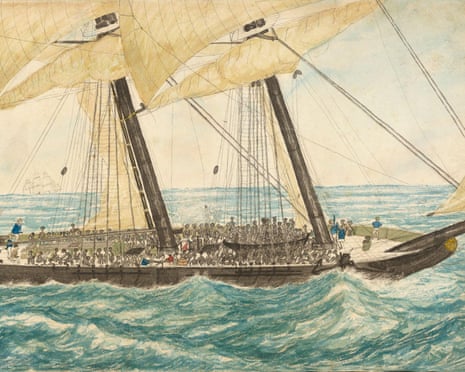
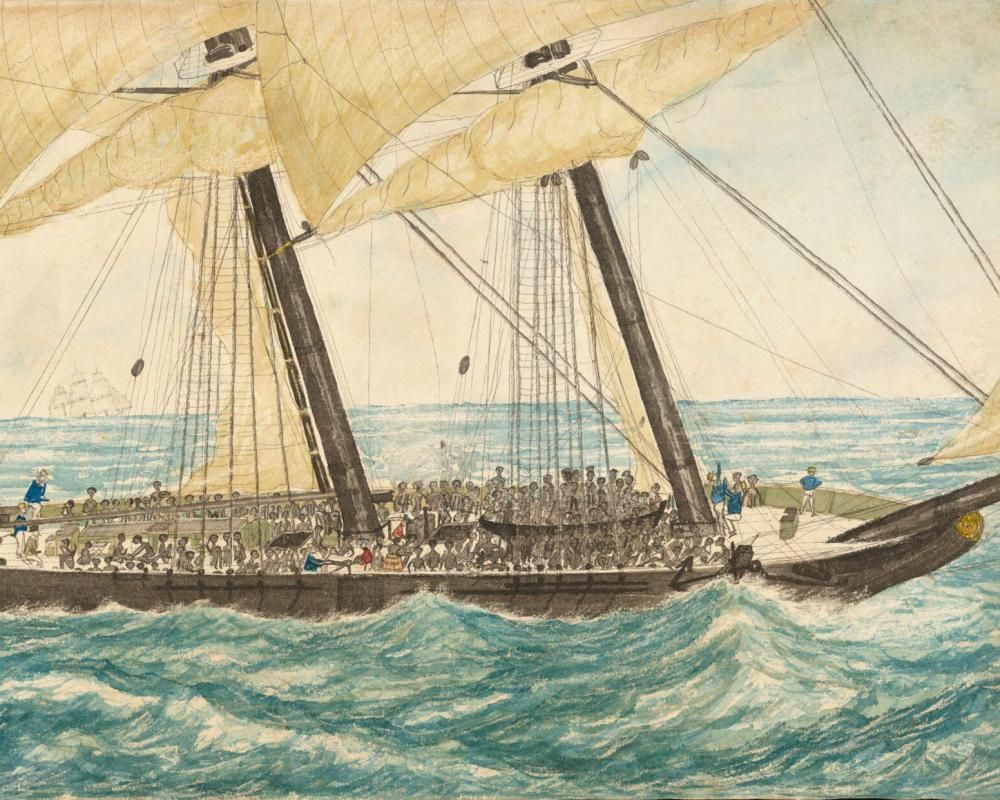
:focal(750x500:751x501)/https://tf-cmsv2-smithsonianmag-media.s3.amazonaws.com/filer_public/14/6e/146ed786-5834-43ad-85eb-0771c70d55de/georgeiv.png)
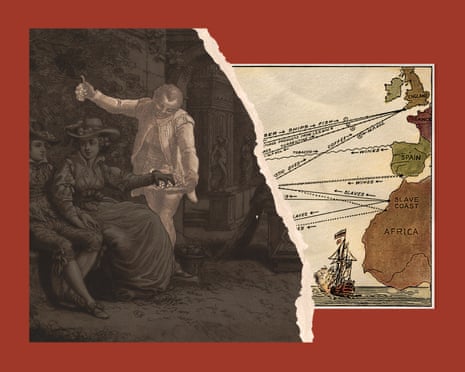
概览
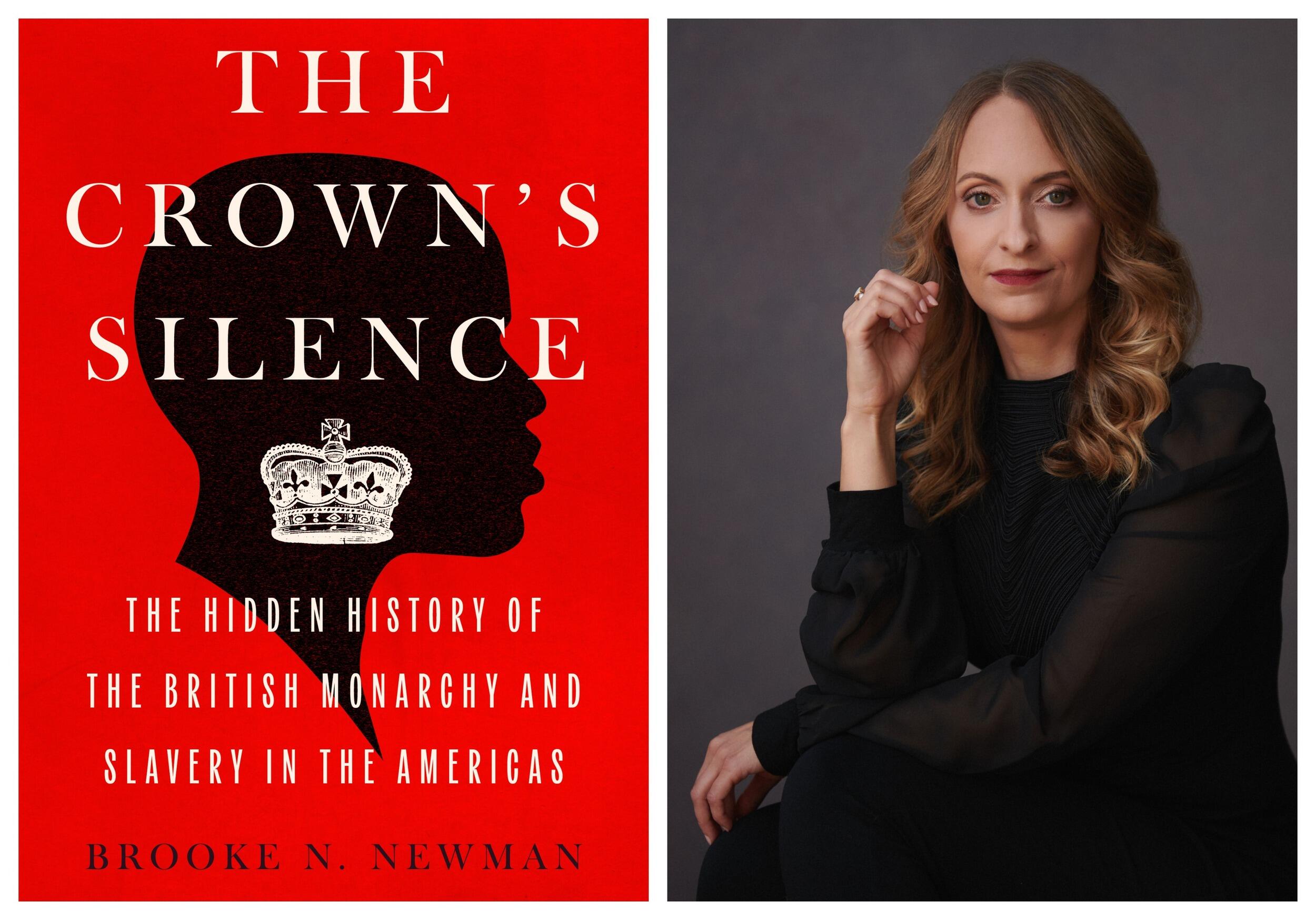
The intensifying UK reparations debate—sparked by historian Brooke Newman's research documenting the British Crown's direct involvement in slavery (purchasing 13,000 enslaved people by 1807, profiting £56,000 from a single 1823 Barbados auction)—signals a fundamental shift in consumer values affecting cross-border sellers. Bell Ribeiro-Addy's parliamentary push for institutional accountability, combined with the Runnymede Trust's September 2024 reparative justice blueprint, reflects growing consumer demand for corporate transparency on historical supply chains and modern labor practices. This creates both compliance risks and market opportunities for sellers operating in UK and Commonwealth markets (Antigua, Barbuda, Jamaica, Ghana—representing £2.1B in cross-border e-commerce annually).
Brand positioning impact: Sellers in heritage categories (luxury goods, collectibles, historical merchandise) face increased scrutiny. The Telegraph's critical review of Newman's work reveals polarized consumer sentiment—some demanding institutional accountability, others resisting "anachronistic" moral standards. This polarization mirrors broader ESG compliance debates affecting Amazon Seller Central policies, where brand transparency requirements are tightening. Sellers must audit product sourcing narratives, particularly for items marketed with "heritage" or "colonial" aesthetics, which now carry reputational risk.
Market opportunity in accountability: The 2026 Commonwealth Heads of Government Meeting (CHOGM) in Antigua and Barbuda creates a 24-month window for sellers to position products around "ethical heritage" and "reparative commerce." Categories showing growth: educational materials about African diaspora history (up 34% YoY on Amazon), fair-trade Caribbean products (cocoa, rum, spices from formerly enslaved labor regions), and Black-owned heritage brands. Sellers can capitalize on consumer demand for products that acknowledge historical context while supporting contemporary Caribbean economies.
Operational considerations: UK-based sellers and those shipping to Commonwealth nations should monitor potential policy changes around product descriptions, advertising claims, and supply chain transparency. The Runnymede Trust's blueprint suggests future government action on "systemic reform of economic and financial structures"—potentially affecting VAT treatment, tariff classifications, or platform policies for heritage/historical products. Sellers should document sourcing transparency now, before regulatory frameworks tighten.
問題 7
How should I prepare for the 2026 CHOGM in Antigua and Barbuda?
The Commonwealth Heads of Government Meeting scheduled for 2026 in Antigua and Barbuda creates a 24-month window for sellers to position products around accountability and ethical commerce. Historian Brooke Newman identified CHOGM as a 'critical opportunity' for King Charles to take substantive action on reparations, suggesting potential policy announcements affecting Commonwealth trade. Sellers should: (1) Document supply chain transparency for products sourced from Caribbean nations by Q2 2025; (2) Develop 'ethical heritage' product narratives that acknowledge historical context; (3) Monitor UK government announcements on 'systemic reform of economic and financial structures' (per Runnymede Trust blueprint); (4) Consider expanding fair-trade Caribbean product lines to capitalize on increased consumer demand during CHOGM period.
What does the Runnymede Trust's reparative justice blueprint mean for sellers?
The Runnymede Trust's September 2024 blueprint calls for 'governmental commitment to systemic reform of economic and financial structures shaped by slavery's legacy.' This signals potential future changes to VAT treatment, tariff classifications, or platform policies for heritage/historical products. Sellers should interpret this as a regulatory warning: transparency requirements are likely to tighten. UN human rights activists Michael McEachrane and Dominique Day argue slavery is formally recognized as a crime against humanity under international law, suggesting future compliance frameworks may require sellers to document ethical sourcing more rigorously. Begin auditing supply chains now, particularly for products from regions with historical slavery connections (Caribbean, West Africa, India). Expect platform policy updates within 18-24 months.