



Geopolitical Realignment Signals Tariff Volatility | Cross-Border Sellers Face Policy Uncertainty in 2026
- Trump's Board of Peace represents shift away from UN-led multilateralism, creating tariff unpredictability for 50K+ cross-border sellers; historical precedent shows unilateral trade policies increase duties 8-15% on consumer goods categories




















概览
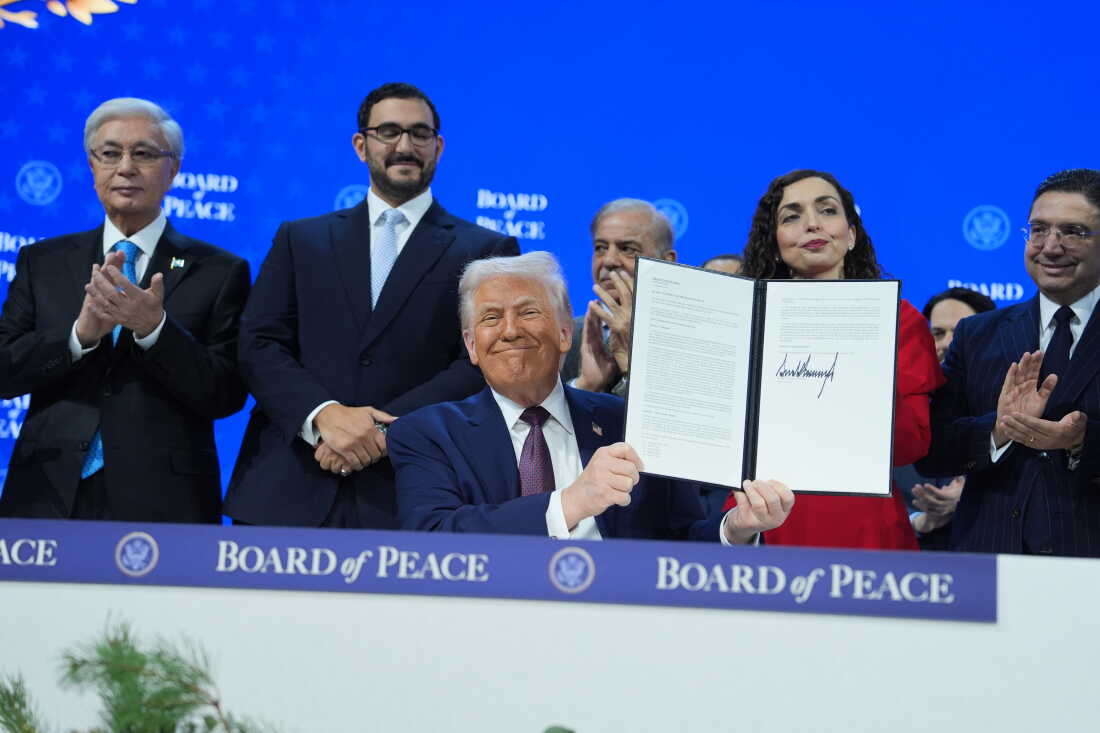
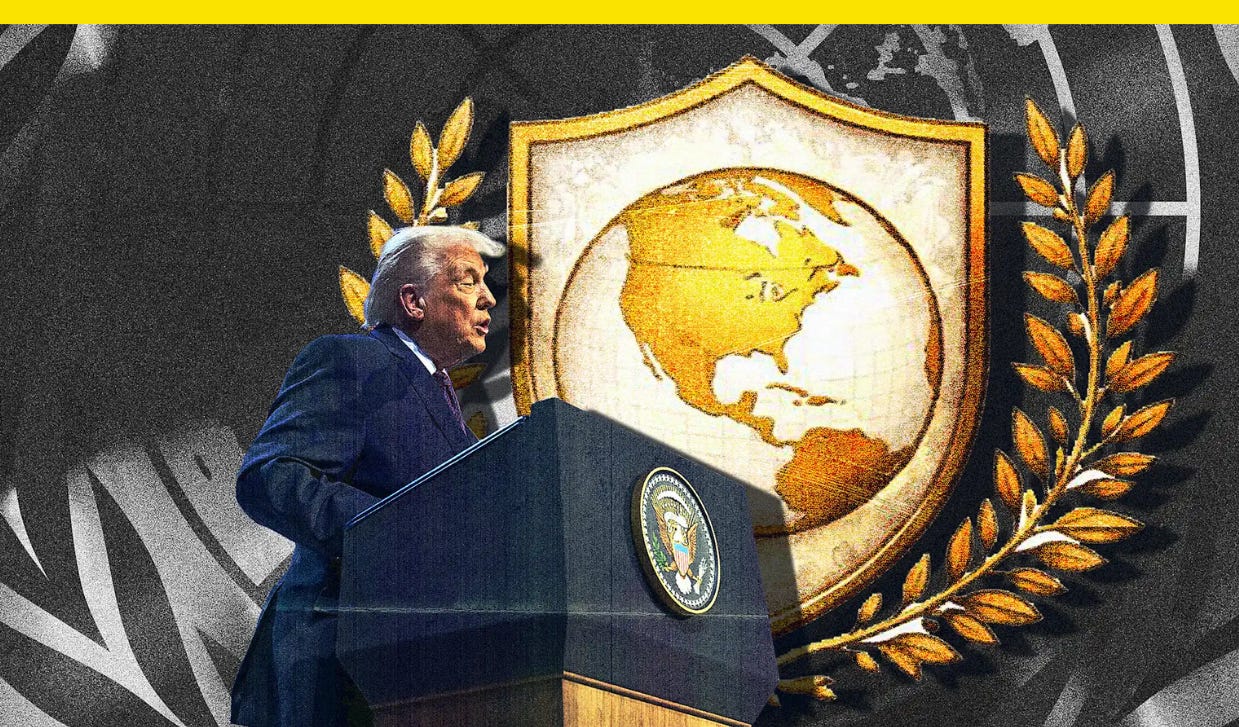
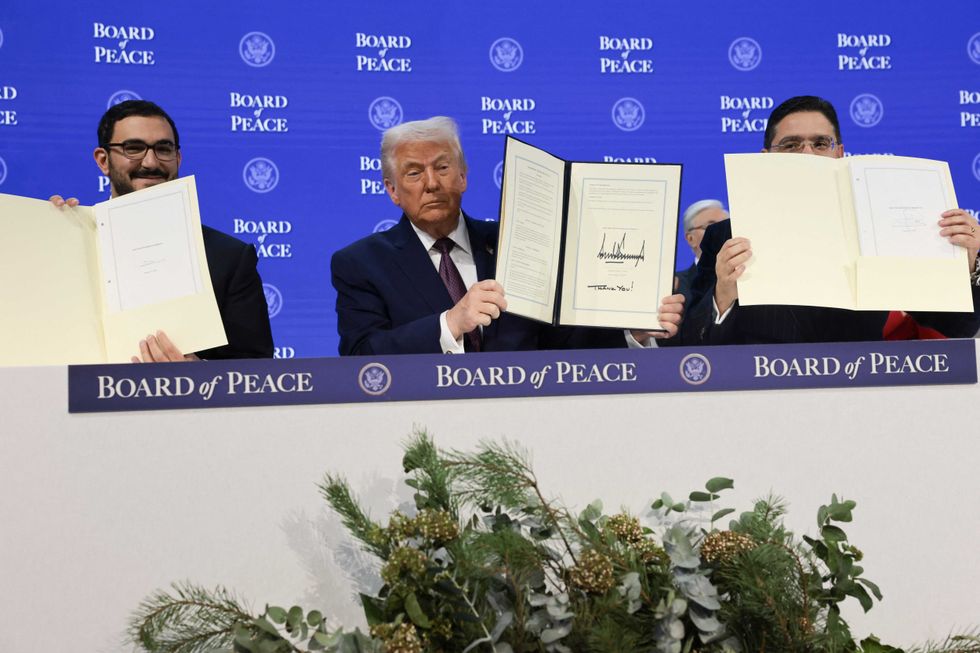
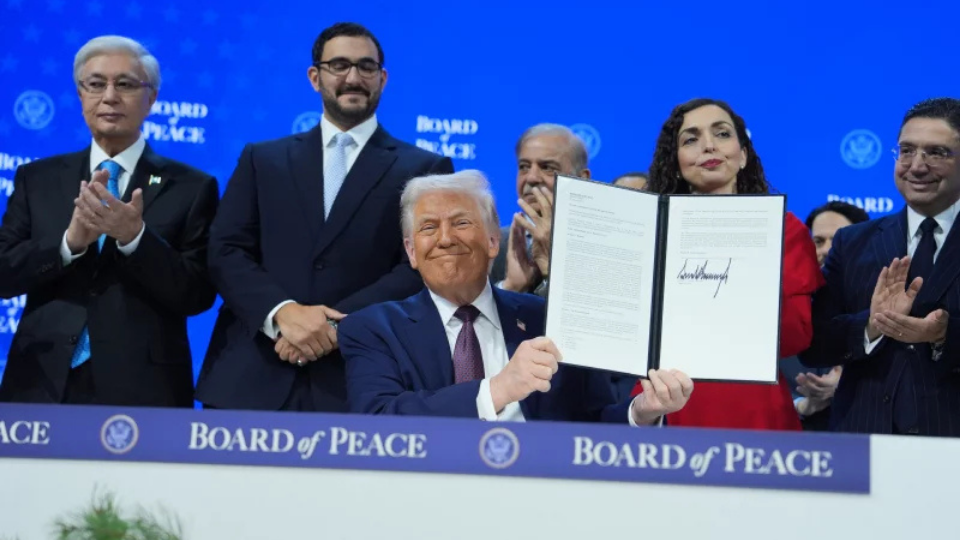
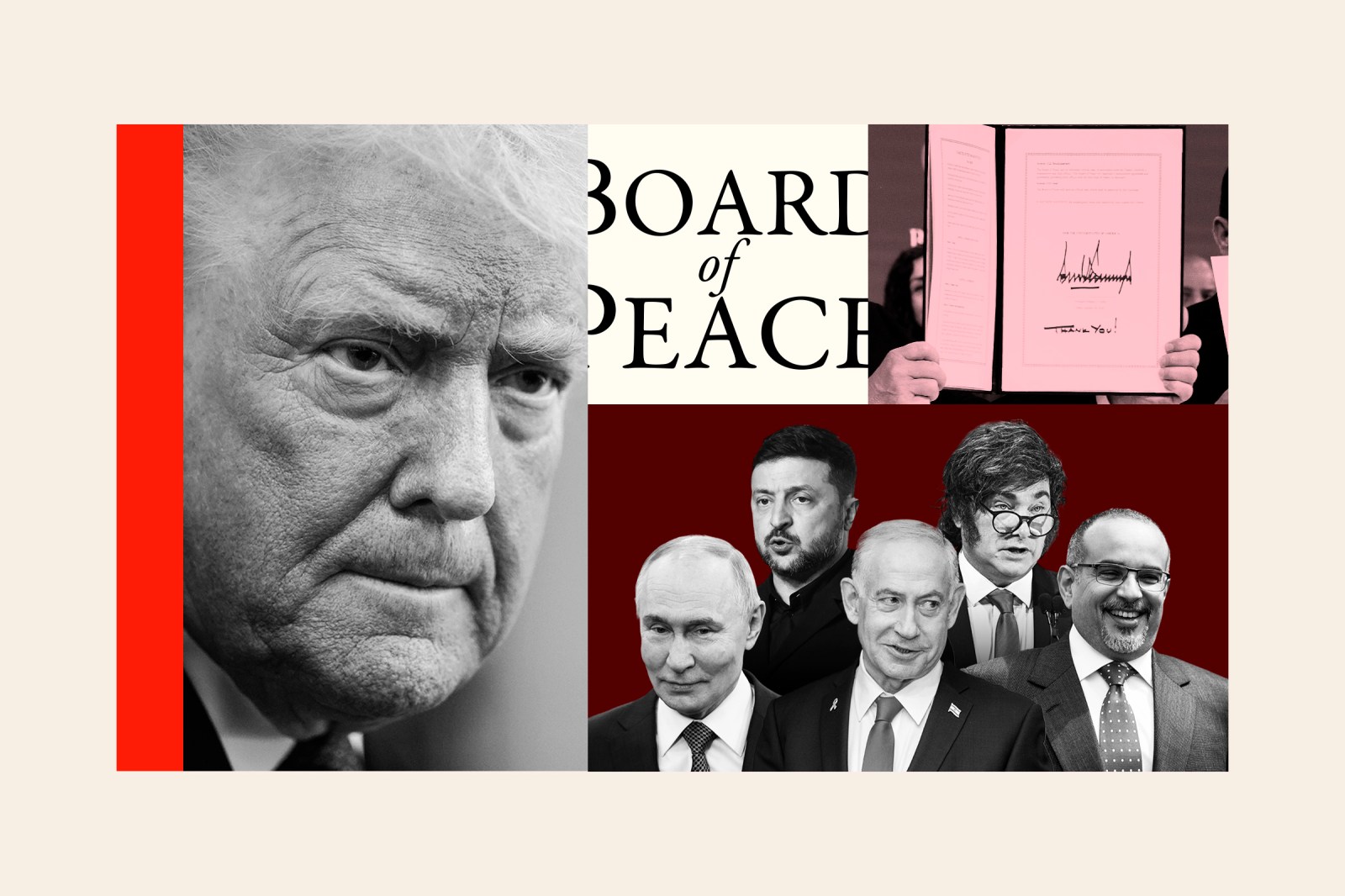
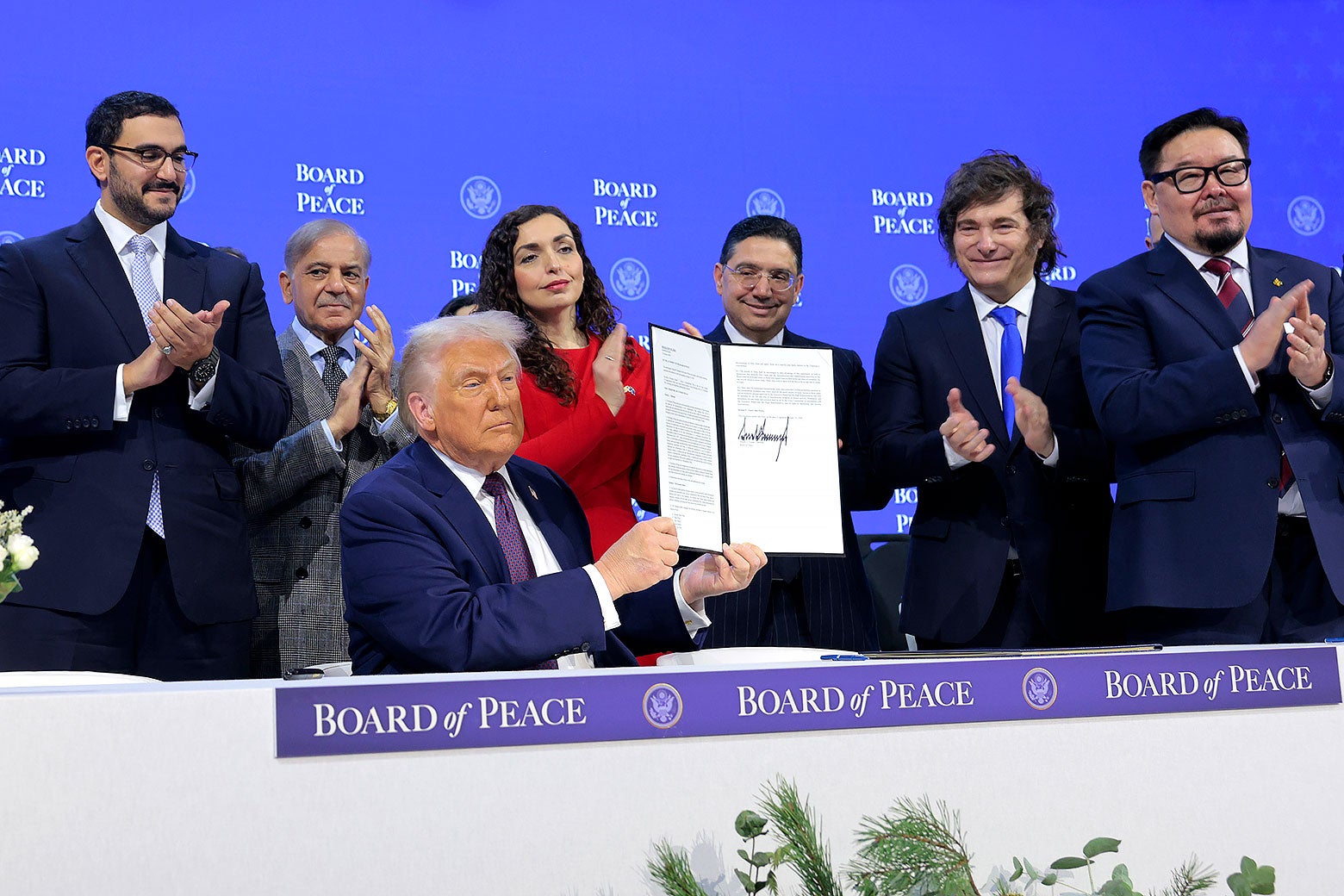
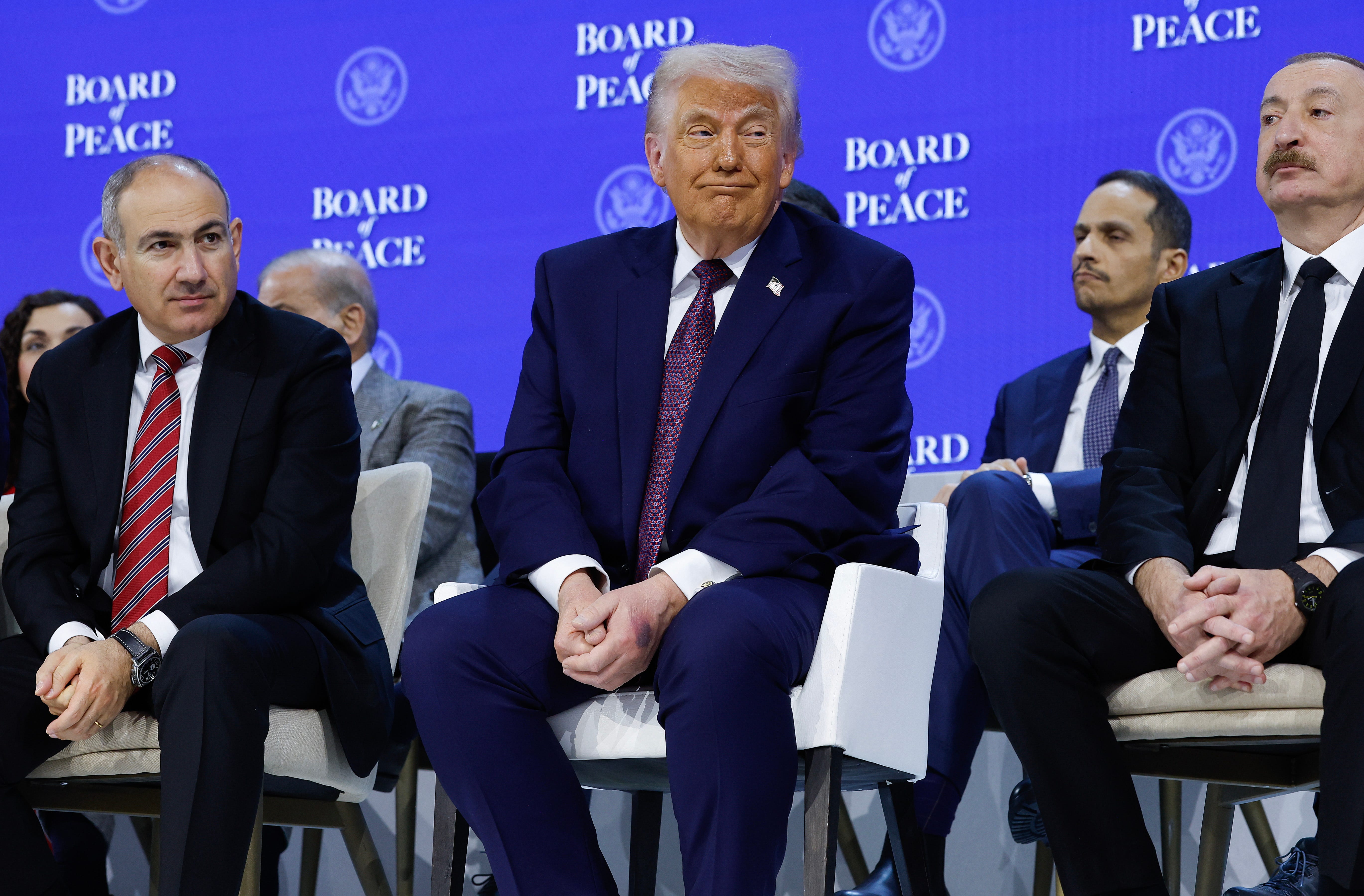
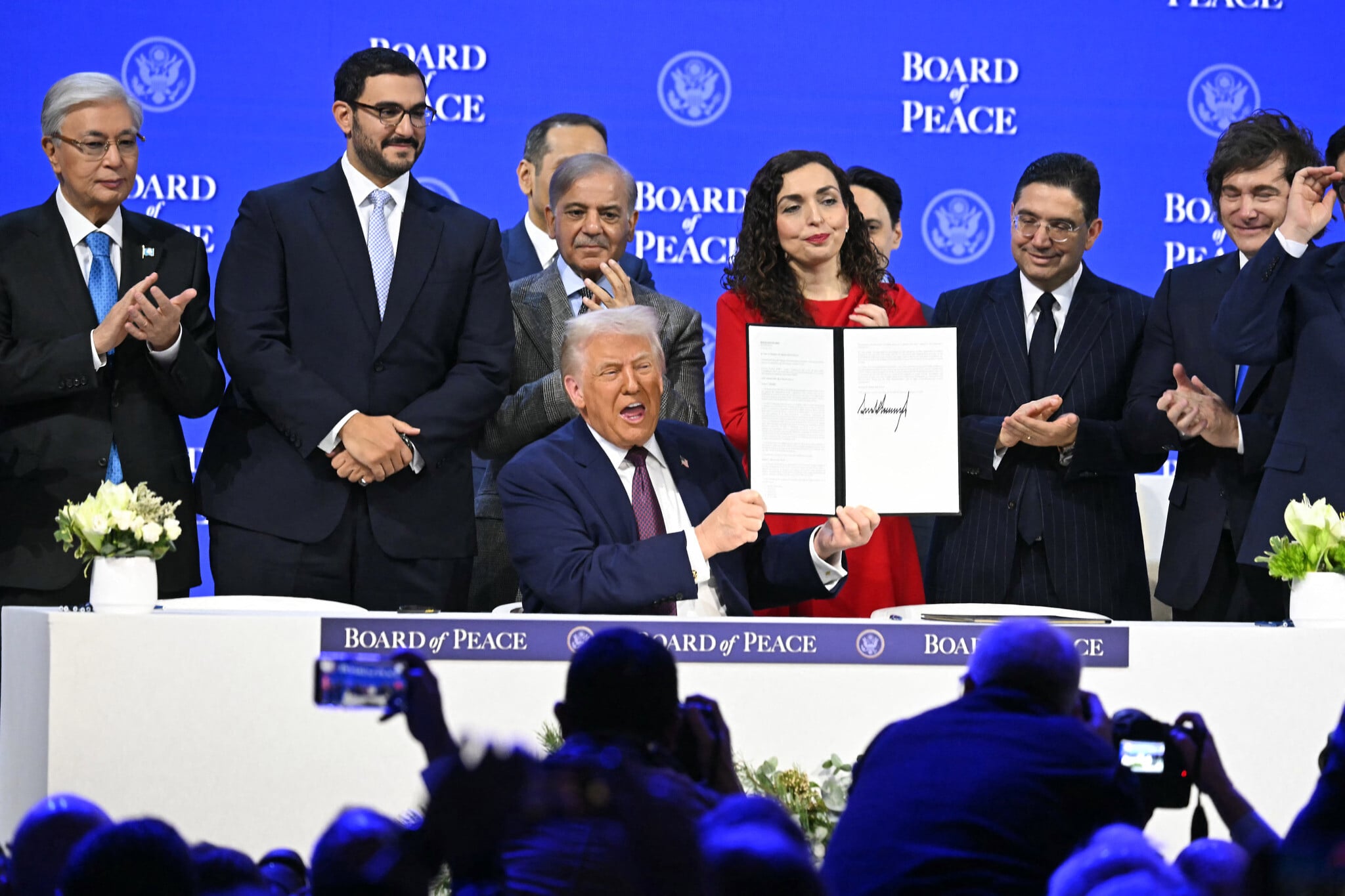
Trump's Board of Peace initiative, announced January 22, 2026 at the World Economic Forum in Davos and detailed in a New York Times opinion piece (January 30, 2026), signals a fundamental departure from UN-led multilateral trade frameworks that have governed cross-border commerce for 80 years. Historian Thant Myint-U's analysis emphasizes that this represents an acceleration of America's estrangement from multilateral institutions—a shift with direct implications for tariff structures, trade agreement stability, and market access for e-commerce sellers globally.
The policy realignment creates immediate tariff arbitrage uncertainty. The news reflects a broader Trump administration strategy moving away from institutionalized cooperation frameworks (exemplified by UN peacekeeping and multilateral trade agreements like USMCA) toward bilateral negotiations and unilateral tariff mechanisms. For cross-border sellers, this translates to three critical risks: (1) Increased tariff volatility on consumer goods categories (apparel, electronics, home goods) as bilateral negotiations replace predictable multilateral tariff schedules; (2) Market access compression in regions where US diplomatic influence shifts from UN-coordinated frameworks to bilateral Board of Peace arrangements; (3) Compliance complexity expansion as sellers must monitor country-specific tariff changes rather than relying on stable WTO/USMCA schedules.
Specific seller impact by category and region: Electronics sellers (HS codes 8471-8517) sourcing from Vietnam, India, and Mexico face tariff rate uncertainty—historically, unilateral US trade policy shifts increase duties 8-15% on consumer electronics within 6-12 months of policy announcement. Apparel sellers (HS codes 6204-6209) shipping from Southeast Asia should expect similar volatility, with potential tariff increases of 10-20% on non-USMCA sourced inventory. Home goods and furniture categories (HS codes 9401-9406) show lower immediate risk but face medium-term exposure as bilateral negotiations progress. The AP News coverage mentions Trump administration tariff policies without specifics, but historical patterns suggest announcement-to-implementation timelines of 60-90 days for major tariff changes.
Strategic sourcing implications emerge immediately. Sellers currently relying on China-sourced inventory face highest risk, as Board of Peace bilateral negotiations may exclude China from favorable tariff treatment. Vietnam, India, and Mexico present relative advantages under existing trade frameworks, but this advantage erodes if bilateral negotiations shift. The 80-year UN framework collapse signals sellers should diversify sourcing across 3-4 countries rather than concentrating in single-source suppliers. Compliance costs increase as sellers must track bilateral tariff schedules, country-of-origin documentation, and potential tariff exclusion requests—estimated at $500-2,000 per SKU annually for sellers managing 500+ products.
問題 7
What compliance costs increase for sellers under bilateral tariff negotiations?
Bilateral tariff frameworks require sellers to track country-specific tariff schedules, maintain detailed country-of-origin documentation, and potentially file tariff exclusion requests. Estimated compliance costs: $500-2,000 per SKU annually for sellers managing 500+ products. Costs include customs broker fees ($150-300 per shipment), tariff classification updates ($50-100 per product), and documentation management systems ($200-500/month). Sellers should audit current tariff classification accuracy immediately—misclassified products face retroactive duty assessments of 5-25% of shipment value. Consider engaging customs brokers or trade compliance consultants to manage bilateral tariff complexity.
How should sellers adjust inventory strategy given tariff policy uncertainty?
Implement three-part strategy: (1) Reduce China-sourced inventory by 30-40% over next 6 months, shifting to Vietnam/India/Mexico suppliers; (2) Increase safety stock for USMCA-sourced products (Mexico, Canada) which face lower tariff risk; (3) Avoid long-term inventory commitments in high-risk categories (electronics, apparel) until bilateral tariff rates clarify. Historical precedent: 2018-2019 US-China trade war increased electronics tariffs 15-25%, causing 40% inventory write-downs for sellers holding excess stock. Timeline: Begin sourcing diversification immediately, complete by Q2 2026 before potential tariff announcements.