
Ukraine EU Membership 2027 | Cross-Border Sellers Face Tariff Uncertainty & Market Access Delays
- Delayed EU accession extends tariff barriers for 40M+ Ukrainian consumers; sellers must reassess Eastern European sourcing strategies through 2027-2028













)


概览
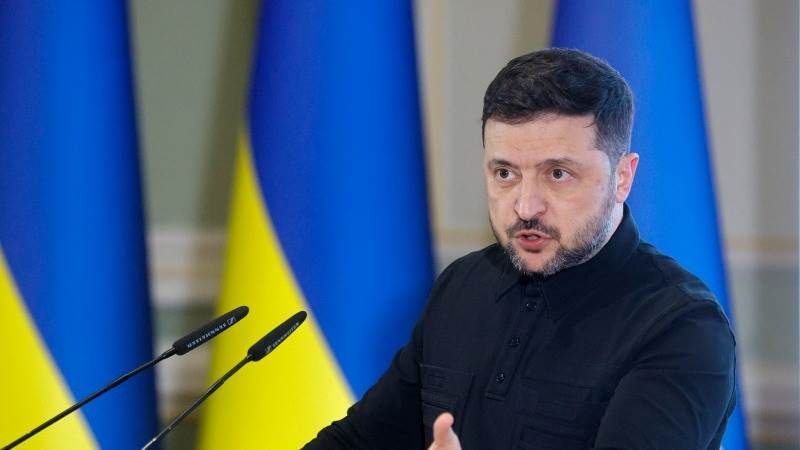
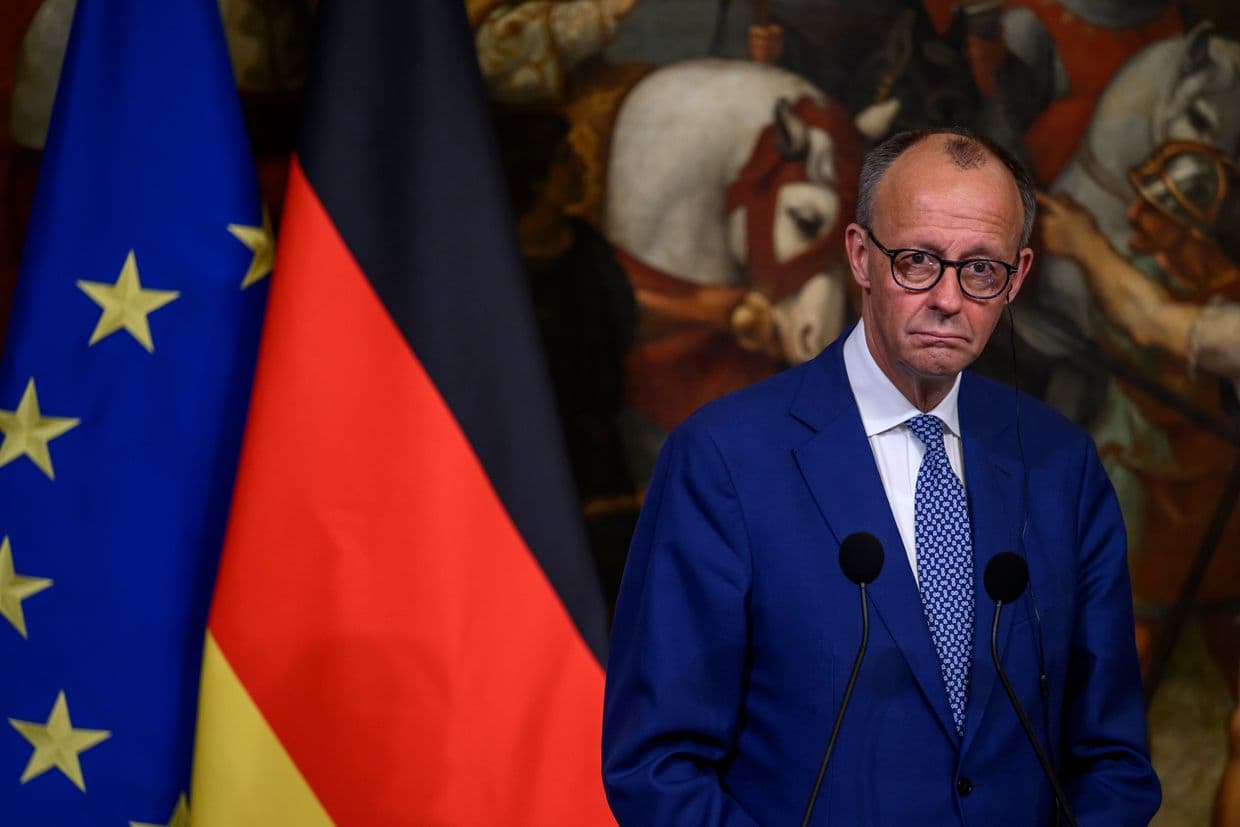
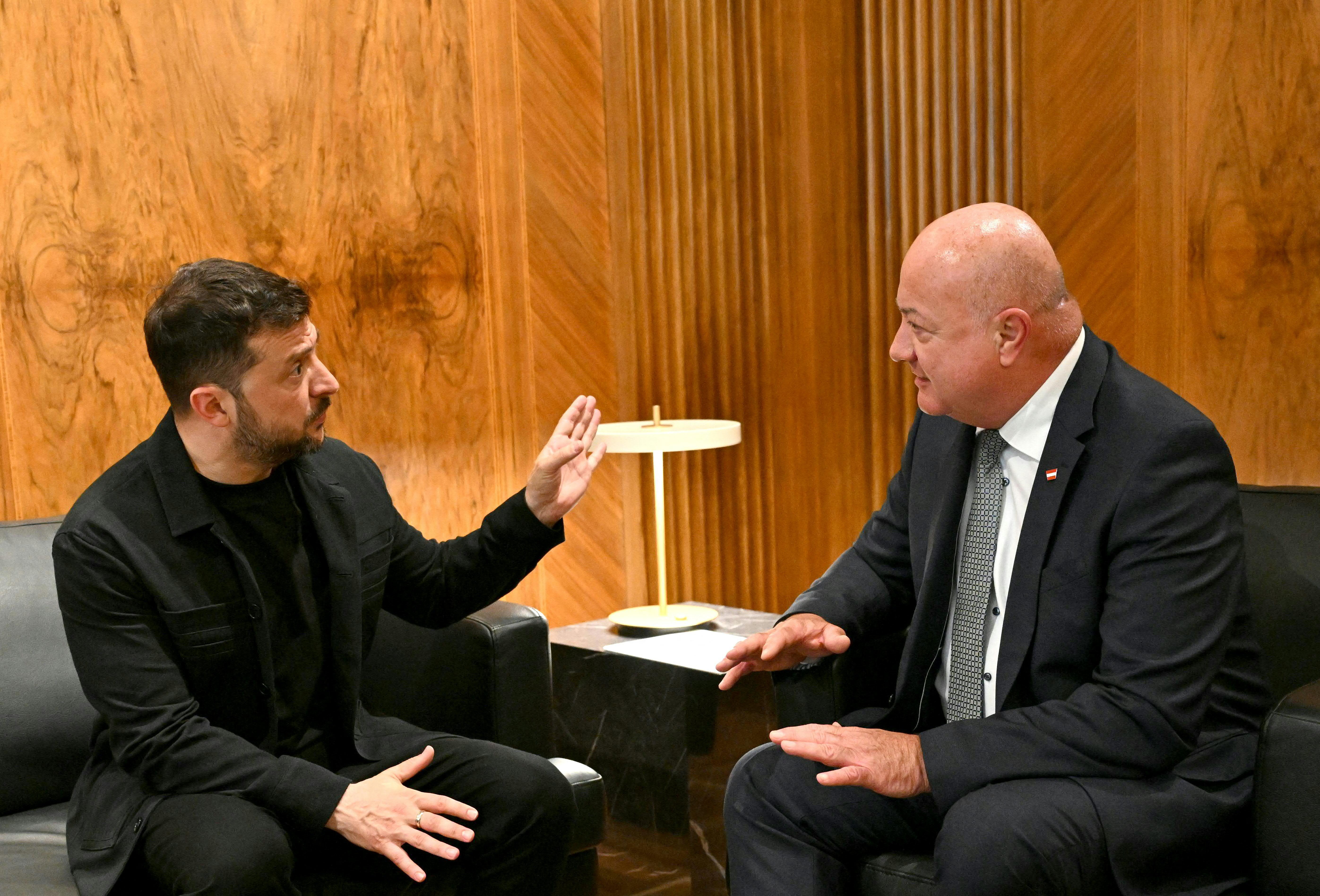
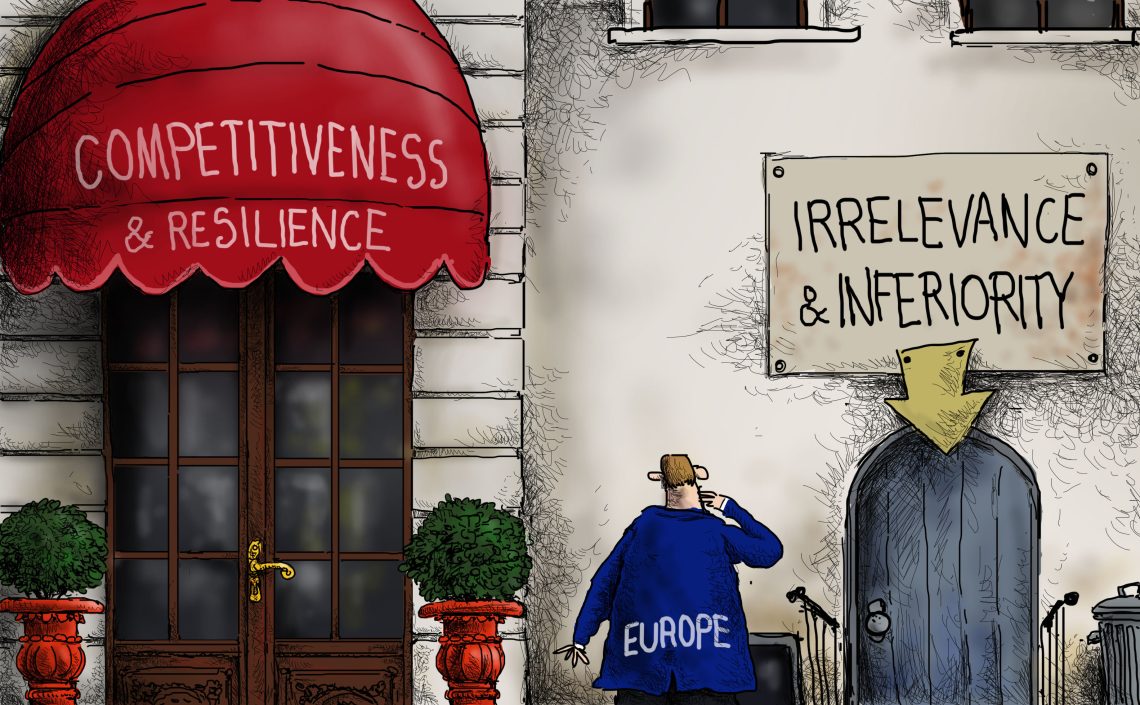
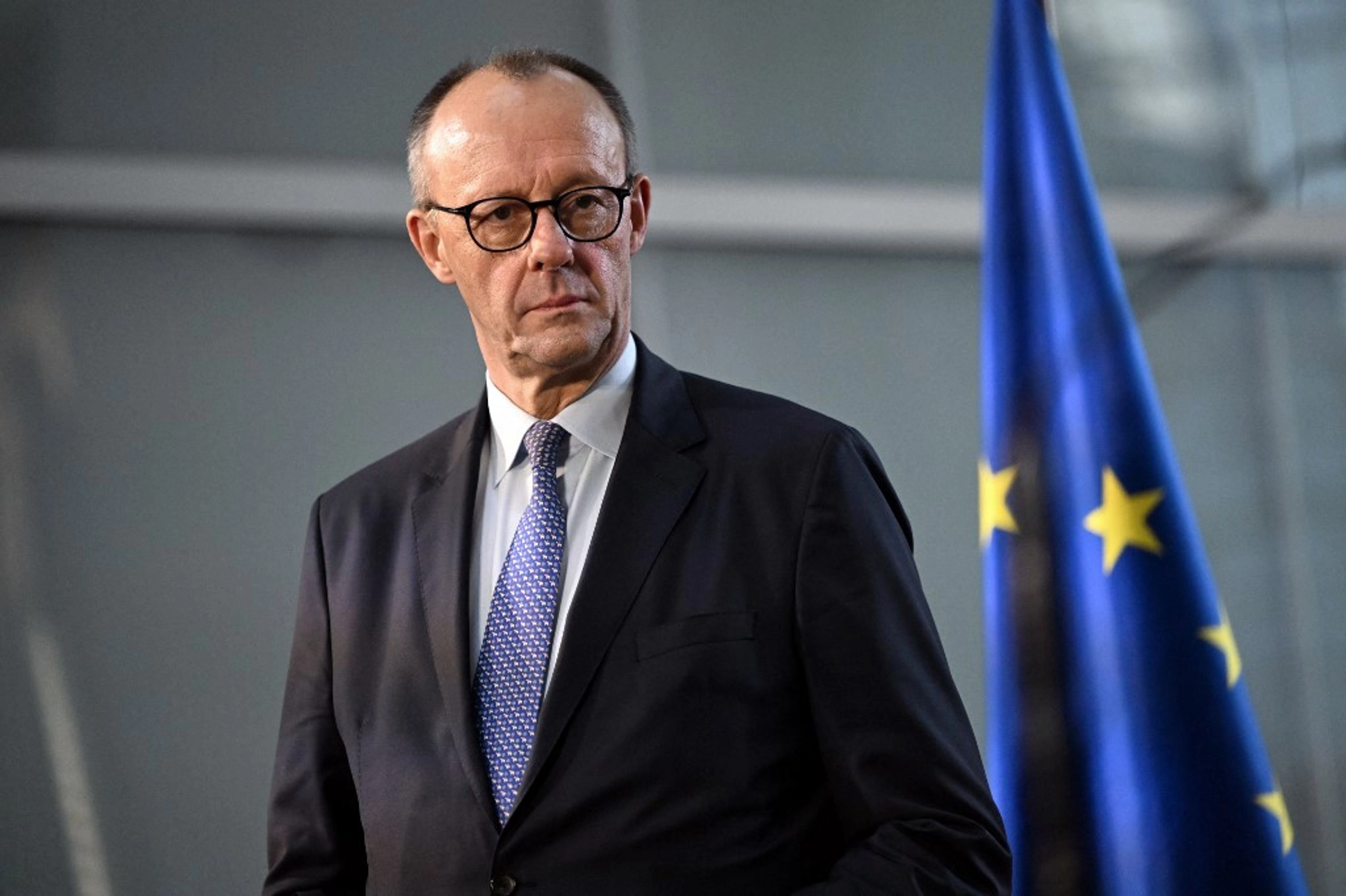
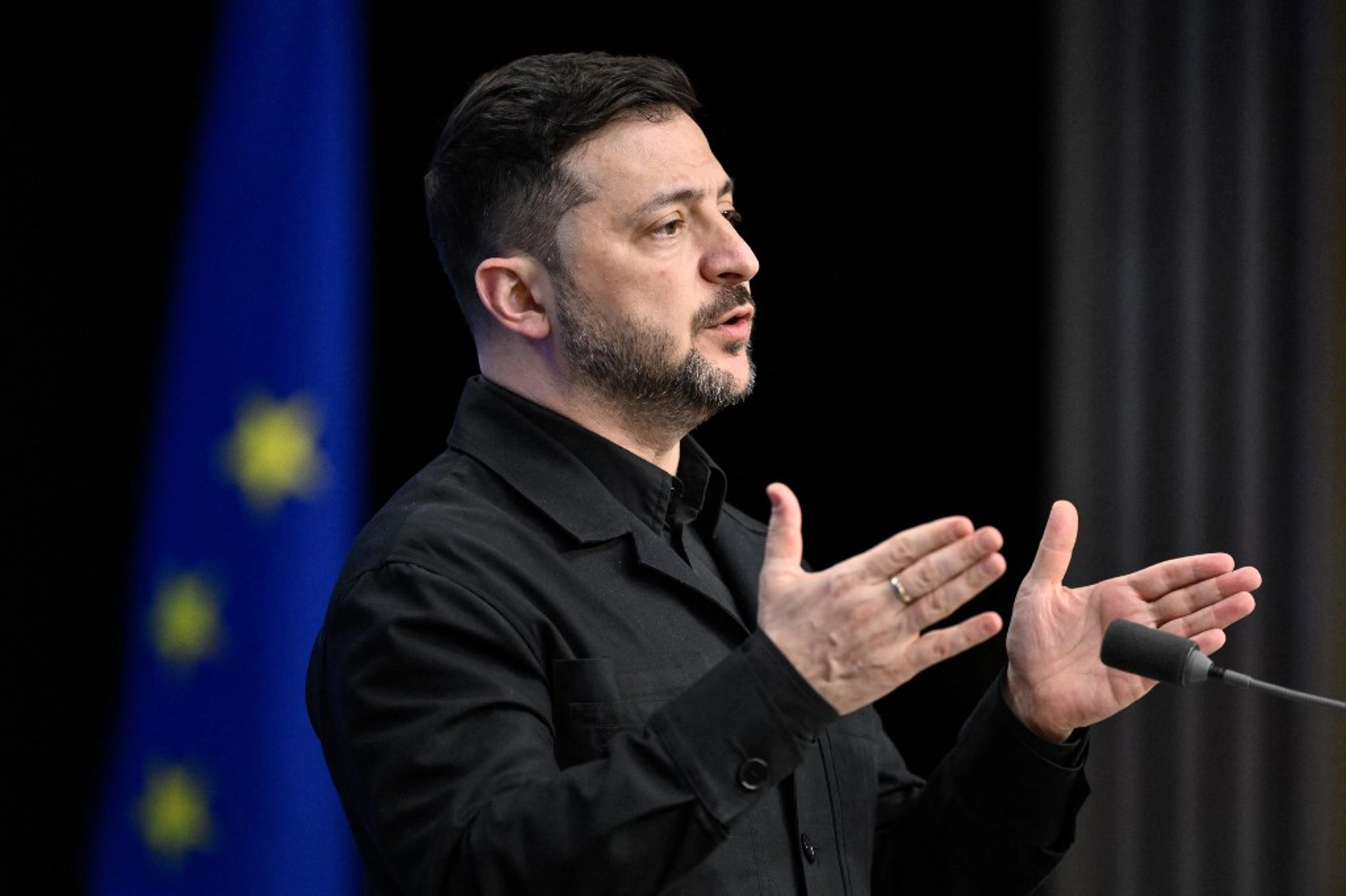
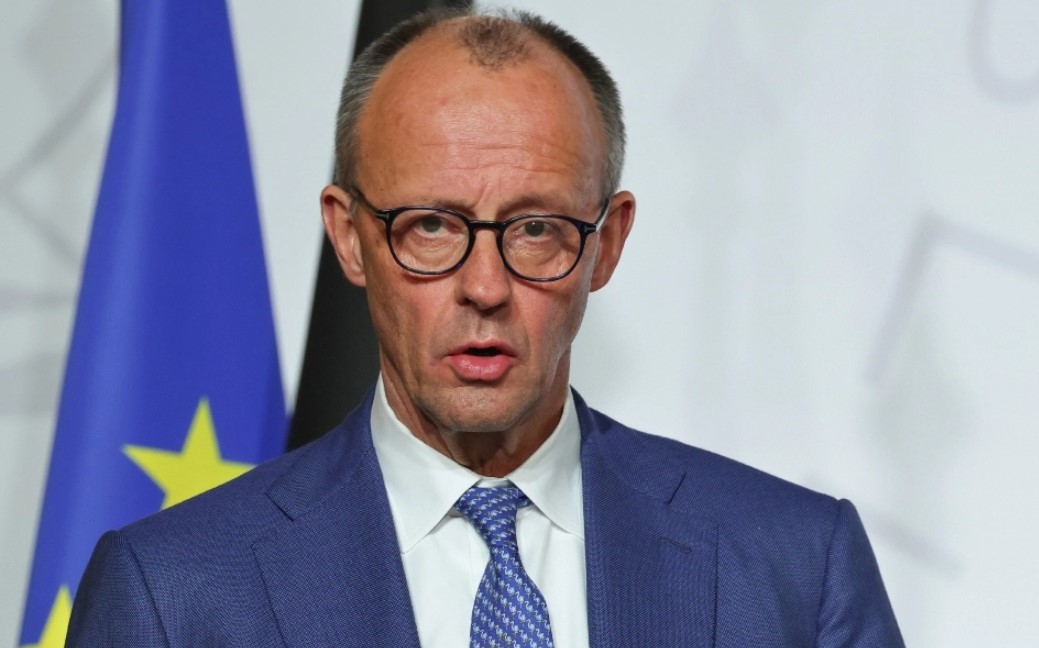
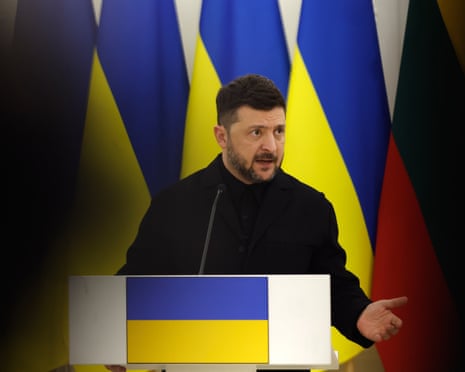
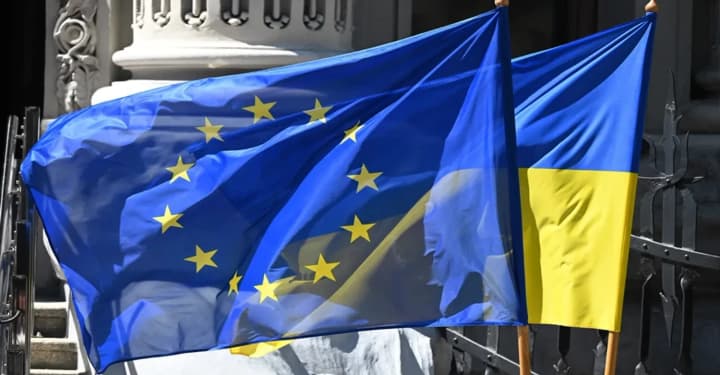
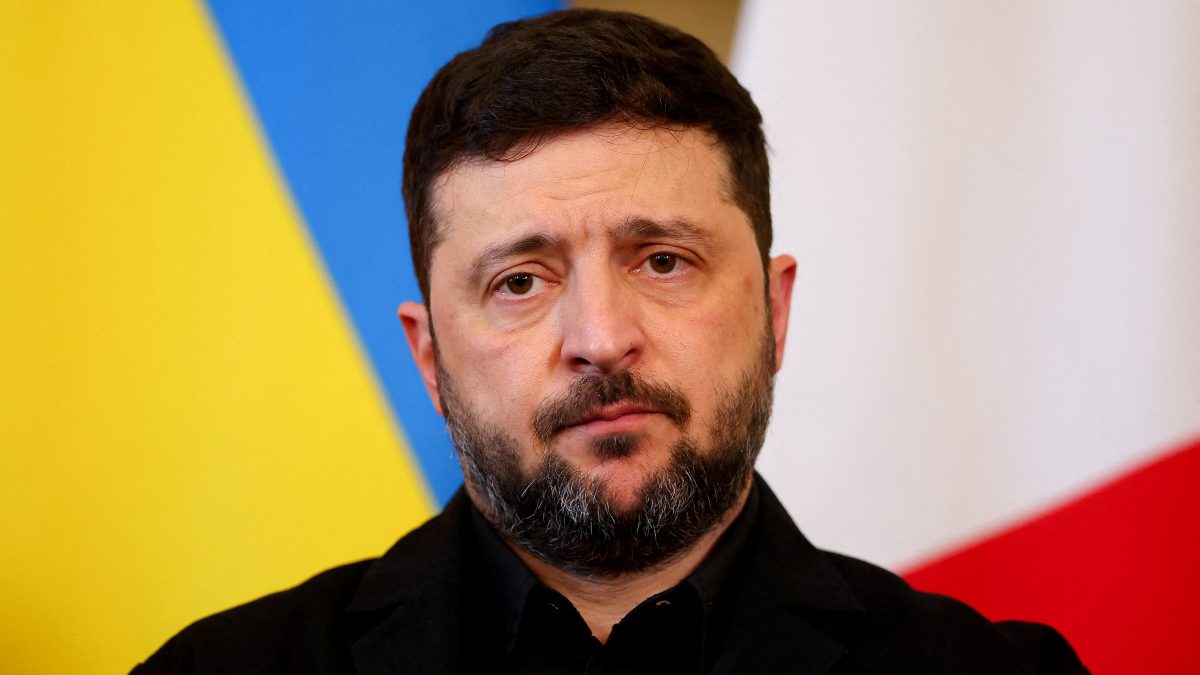
Ukraine's contested EU accession timeline creates significant tariff arbitrage uncertainty for cross-border sellers targeting Eastern European markets. President Zelenskyy's January 30, 2026 declaration that Ukraine will be "technically ready" for EU membership by 2027 contradicts German Chancellor Merz's January 28 statement that accession by January 1, 2027 is "not possible." This political deadlock—requiring unanimous approval from all 27 EU member states with Hungary wielding veto power—directly impacts tariff structures affecting $8-12B in annual cross-border trade flows to Ukraine and neighboring markets.
The immediate tariff arbitrage opportunity lies in the extended non-EU status of Ukraine through at least 2028. Currently, Ukrainian imports face standard third-country tariffs (12-25% on consumer goods, 8-15% on electronics, 15-20% on apparel) versus EU member rates (0-5%). Sellers sourcing from Ukraine or selling to Ukrainian consumers face 18-month minimum tariff exposure before potential accession. This creates a critical window: sellers can exploit current tariff differentials by establishing supply chains through non-EU intermediaries (Poland, Hungary, Romania) before Ukraine's accession harmonizes rates. The European Commission's "two-tier accession plan" mentioned in News 2 suggests even post-accession, Ukraine may face temporary restrictions on certain membership rights, potentially maintaining tariff barriers on specific categories (agricultural products, steel, chemicals) through 2029-2030.
Market access dynamics shift dramatically based on accession timing. If accession occurs in 2027-2028 as optimistically projected, Ukrainian sellers gain immediate access to 450M EU consumers without tariff barriers, creating competitive pressure on existing cross-border sellers. However, the current political uncertainty (Hungary's 95% domestic opposition, Orbán's parliamentary election risk with Tisza party polling 49% vs. Fidesz's 39%) suggests accession delays to 2029-2030 are increasingly probable. This extended timeline benefits sellers currently positioned in non-EU Eastern European markets (Poland, Romania, Hungary) who can maintain tariff advantages over Ukrainian competitors for 24-36 additional months. Sellers should immediately audit their sourcing footprint: products currently sourced from Ukraine face tariff disadvantages versus EU-sourced equivalents until accession, making Poland and Romania more cost-effective sourcing destinations through 2027.
Competitive advantage shifts toward sellers with established Central European logistics networks. Hungary's veto power—driven by Orbán's concern that EU budget reallocation would redirect funds from Central European countries—signals that even post-accession, Hungary may negotiate special tariff provisions for specific categories. Sellers with 3PL operations in Budapest, Warsaw, or Bucharest can exploit this uncertainty by positioning inventory in tariff-advantaged zones. The 2028 EU budget cycle deadline creates a hard constraint: if Ukraine accedes before 2028, budget negotiations may force tariff concessions on agricultural products and raw materials, benefiting sellers in these categories. Conversely, if accession delays past 2028, Ukraine remains outside the budget framework, maintaining current tariff structures indefinitely.
問題 8
Which EU member states' tariff policies should sellers monitor most closely?
Hungary's tariff policy is most critical due to Orbán's veto power and concern about budget reallocation post-accession. Orbán's parliamentary election risk (Tisza party polling 49% vs. Fidesz's 39%) could trigger dramatic tariff policy shifts if opposition wins. Poland and Romania's tariff policies are secondary but important, as these countries host major 3PL operations and may negotiate special tariff provisions for their own industries. Germany's position (Merz's skepticism about 2027 accession) suggests Berlin will push for extended tariff transition periods, potentially maintaining barriers through 2029-2030. Sellers should subscribe to EU Customs Union policy updates and monitor Hungarian parliamentary election developments (expected 2026) as leading indicators of tariff policy changes.
How should sellers adjust inventory positioning based on accession timeline uncertainty?
Sellers should implement a three-scenario inventory strategy: (1) Optimistic (2027 accession): Reduce Ukrainian inventory by 30-40% by Q4 2026, shift to EU-based warehousing; (2) Base case (2028-2029 accession): Maintain 50-60% inventory in Ukraine through 2027, begin EU transition in Q2 2027; (3) Pessimistic (2030+ accession): Maximize Ukrainian sourcing through 2028, exploit tariff advantages for 24-36 months. Current political uncertainty (Hungary's veto, Orbán's election risk) suggests base-case or pessimistic scenarios are more probable. Sellers should immediately audit inventory turnover rates by location and adjust safety stock levels accordingly. Consider reducing inventory carrying costs in Ukraine by 15-20% through just-in-time sourcing until accession timing clarifies.