


Gaza Border Reopening Creates $2B+ Trade Opportunity | Emerging Market Access for Cross-Border Sellers
- Rafah crossing reopens after 2-year closure with 32,000+ trucks/year capacity; humanitarian goods and reconstruction products face March 2026 disarmament deadline before full market access












概览
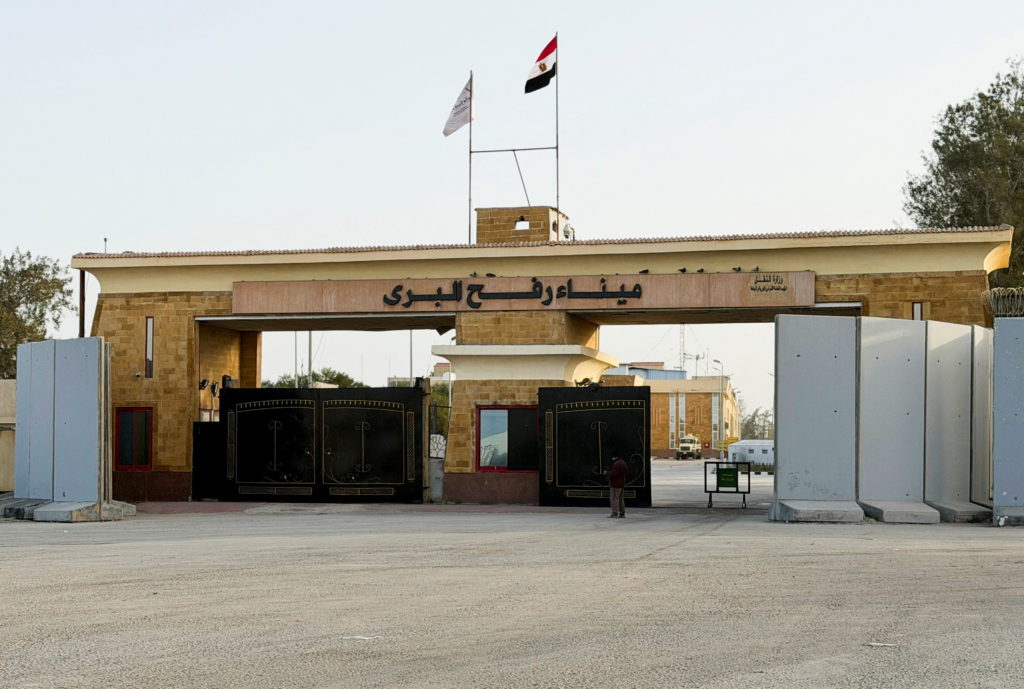
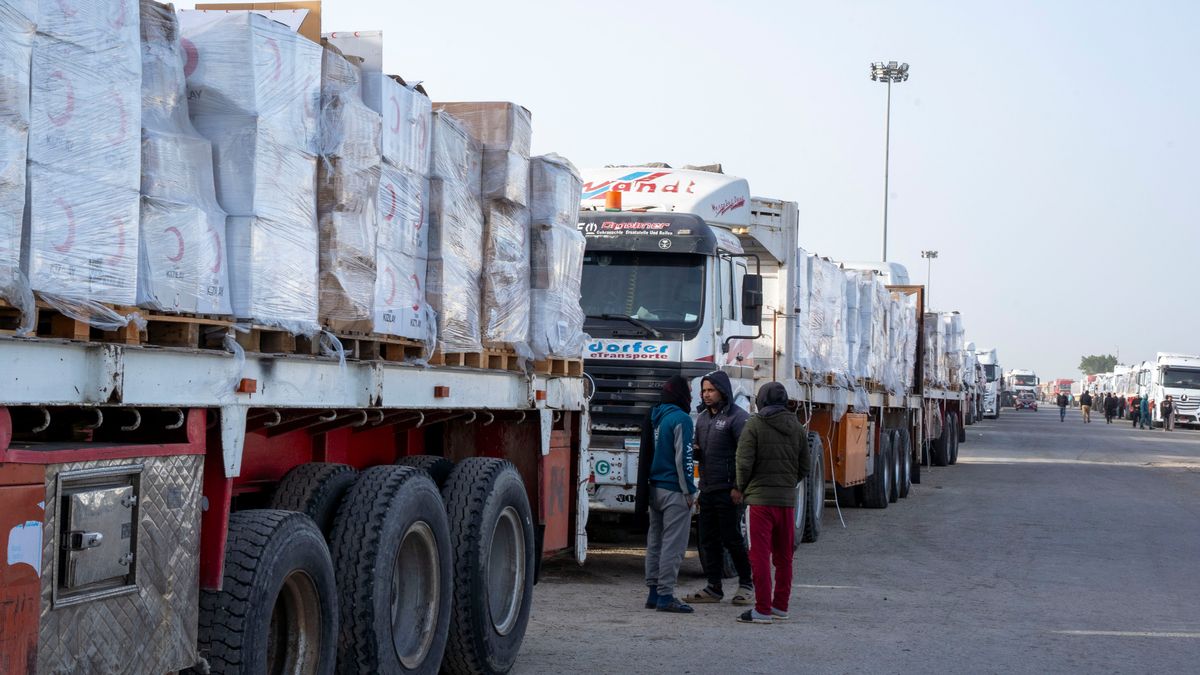
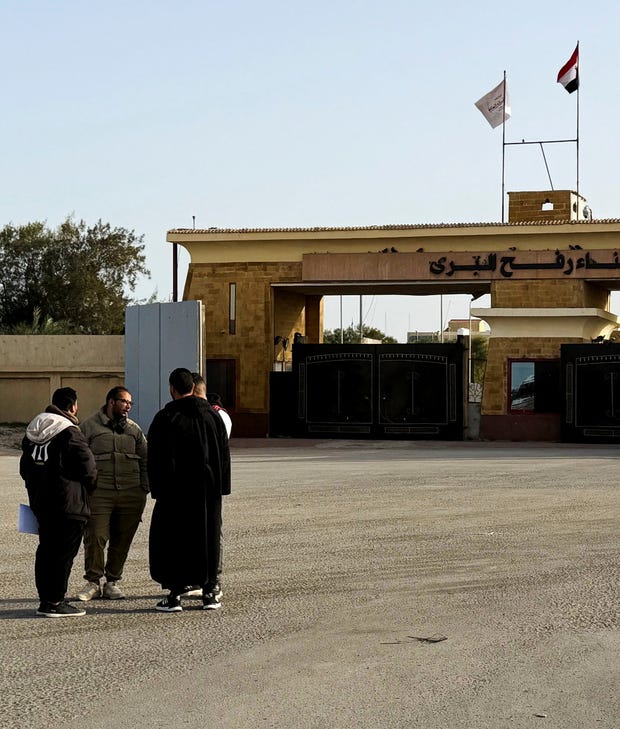
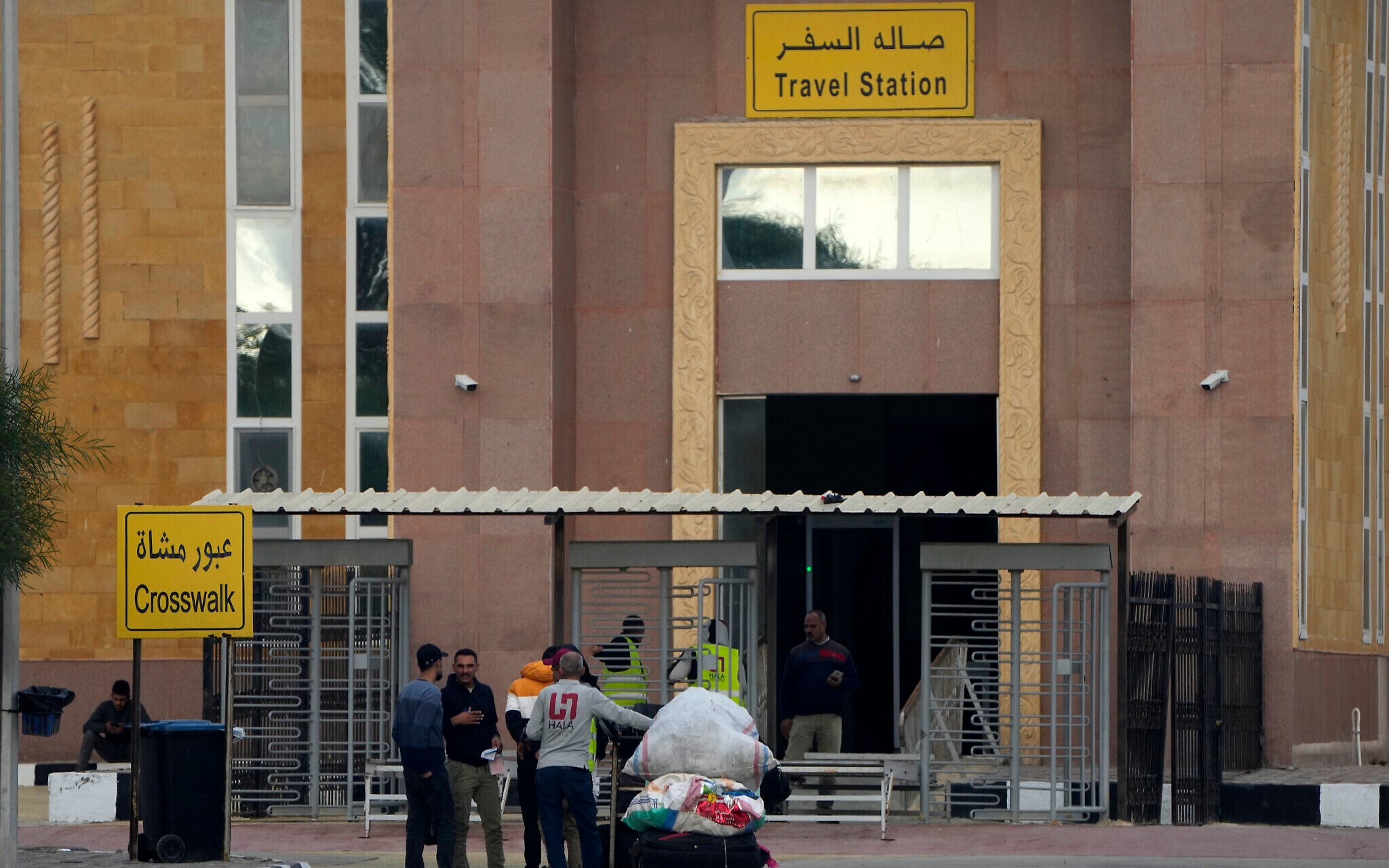
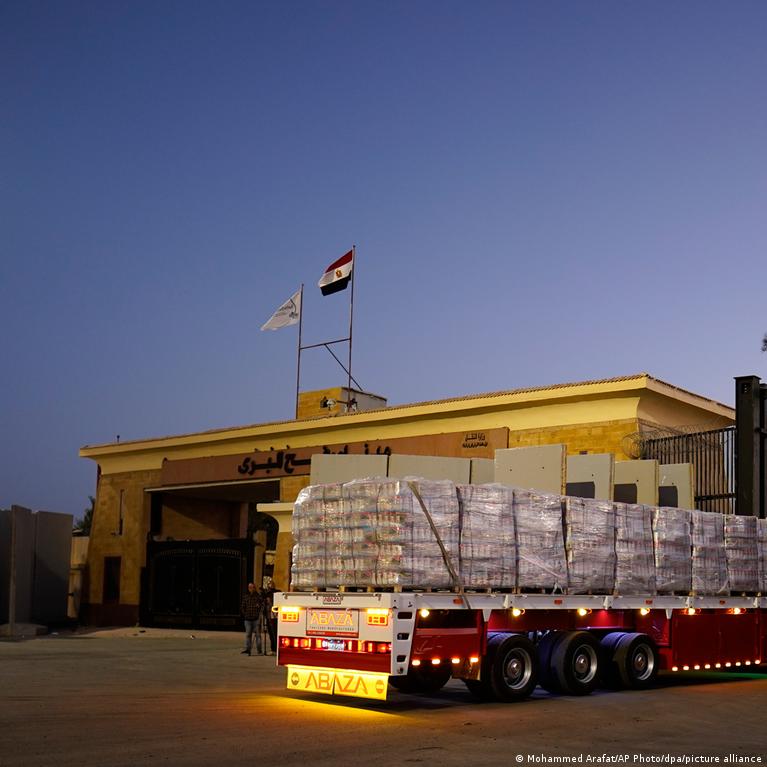
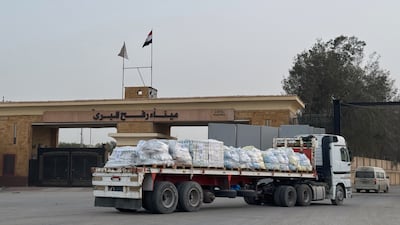
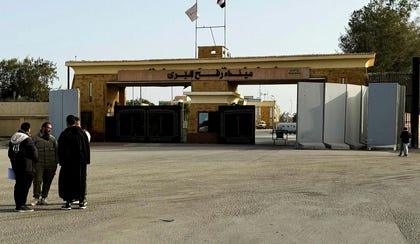
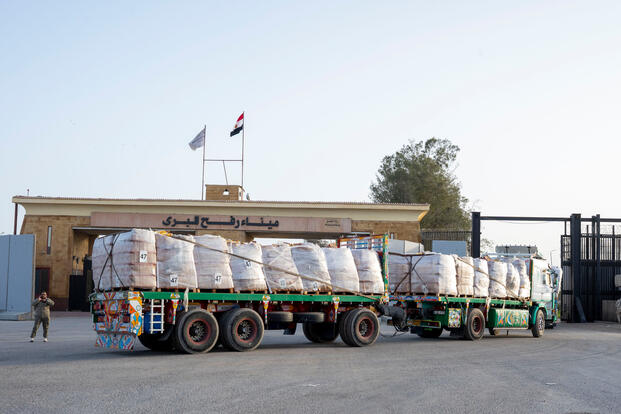
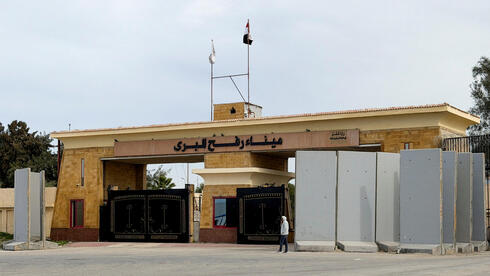
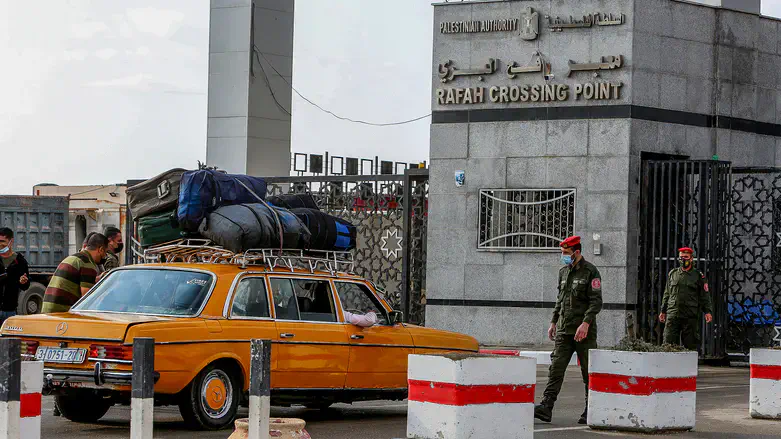
The reopening of Gaza's Rafah crossing represents a significant geopolitical shift with direct implications for cross-border e-commerce sellers targeting Middle Eastern and North African markets. Israel announced the crossing will reopen beginning January 2026 in both directions after nearly two years of closure, with initial capacity of 50 medical evacuees exiting and 50 returnees entering daily. Pre-war data shows Rafah handled 133,000+ annual entries and 144,000+ exits, with Egyptian authorities permitting imports on 150 days yearly and over 32,000 trucks of goods entering Gaza—representing a potential $2B+ annual trade corridor once fully operational.
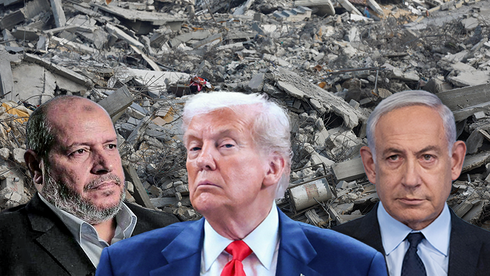
Critical Market Access Dynamics: The reopening is contingent on Hamas disarmament, with U.S.-backed "Board of Peace" officials setting March 2026 as the target timeline for weapons handover. Crucially, News 3 explicitly states "no expansion of goods entering Gaza will occur until Hamas disarms," creating a conditional market-opening scenario. This creates a time-sensitive arbitrage window for sellers: humanitarian goods (medical supplies, pharmaceuticals, food products, water purification systems) face immediate demand with 20,000+ sick/wounded Palestinians requiring external treatment and 30,000+ registered for return. Multi-layered security protocols (EUBAM primary checks, IDF secondary inspections, video surveillance) will increase customs clearance timelines by 15-25% compared to pre-war operations, affecting supply chain planning.
Seller Opportunity Segmentation: Small-to-medium sellers (SMEs) specializing in medical/pharmaceutical products, food staples, and construction materials can capitalize on the immediate humanitarian phase (January-March 2026) with lower competition. Larger sellers should position for post-disarmament reconstruction phase (April 2026+) targeting building materials, electrical equipment, and consumer durables. The crossing's status as Gaza's sole gateway to Egypt (four other crossings are Israeli-controlled) creates a geographic monopoly for Egypt-based suppliers and sellers with established Egyptian logistics networks. Tariff implications remain unclear pending "Board of Peace" governance structure, but international oversight suggests potential duty reductions on humanitarian goods and reconstruction materials under UN/EU frameworks.
Compliance and Risk Factors: The conditional nature of market access creates execution risk—if Hamas obstruction continues, military operations could resume, closing the crossing again. Sellers must monitor March 2026 disarmament deadline closely and maintain flexible inventory strategies. The multi-layered security screening will require enhanced customs documentation, potentially 10-15 additional days for goods clearance. Currency volatility in Palestinian territories and Egyptian pound fluctuations add 3-5% cost uncertainty. However, first-mover advantage is substantial: sellers establishing supply chains before March 2026 will capture market share as reconstruction accelerates post-disarmament.
問題 8
What compliance documentation is required for goods entering Gaza via Rafah?
Enhanced customs documentation is mandatory due to multi-layered security screening. Sellers must provide: detailed product manifests (HS codes, quantities, values), origin certificates proving non-weapons status, end-use declarations for sensitive categories, and phytosanitary certificates for food/agricultural products. Medical goods require pharmaceutical registration or WHO pre-qualification documentation. The IDF performs secondary physical inspections, so packaging must clearly identify contents and comply with international standards. EUBAM (EU border agents) conduct primary checks, suggesting EU customs standards apply. Palestinian Authority vetting adds intelligence database checks for individuals involved in October 7 attacks—this affects seller representatives and logistics personnel. Work with customs brokers experienced in post-conflict Palestinian trade to ensure compliance. Documentation delays of 5-10 days are common, so submit all paperwork 15+ days before shipment arrival.
How does Gaza's reopening compare to other emerging market opportunities in 2026?
Gaza represents a unique high-risk, high-reward opportunity versus traditional emerging markets. Pre-war data shows 32,000+ trucks annually entered Gaza, suggesting $2B+ annual trade potential once fully operational. However, execution risk is substantially higher than Southeast Asian or African markets due to geopolitical instability and conditional market access. Sellers should view Gaza as a supplementary market, not primary focus, until post-disarmament stability is confirmed (May 2026+). The humanitarian goods phase (January-March 2026) offers lower-risk entry with immediate demand, similar to disaster relief markets. Reconstruction phase (April 2026+) parallels post-conflict markets like Ukraine, with 18-24 month windows for rapid growth before market saturation. Sellers with risk tolerance and Middle East expertise should allocate 5-10% of inventory to Gaza; conservative sellers should wait until May 2026 for stability confirmation.