


Oil Price Collapse & Venezuela Geopolitics | Cross-Border Logistics Costs Drop 8-15% in Q1 2026
- Crude oil prices fell 20% YoY to $57.42/barrel; shipping fuel surcharges declining for international sellers; Latin America supply chain risks spike amid political instability





























概览
Oil Market Collapse Creates Immediate Logistics Savings for Cross-Border Sellers
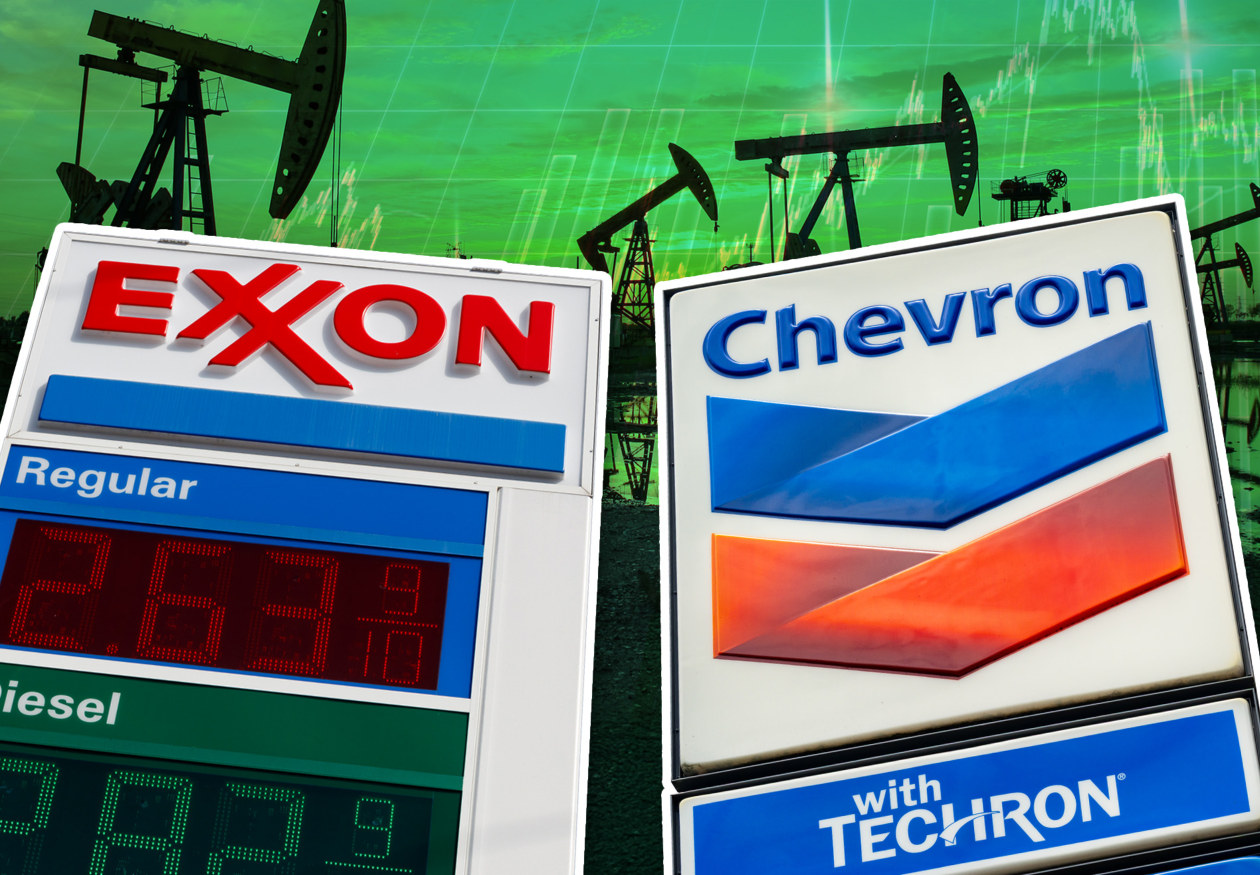
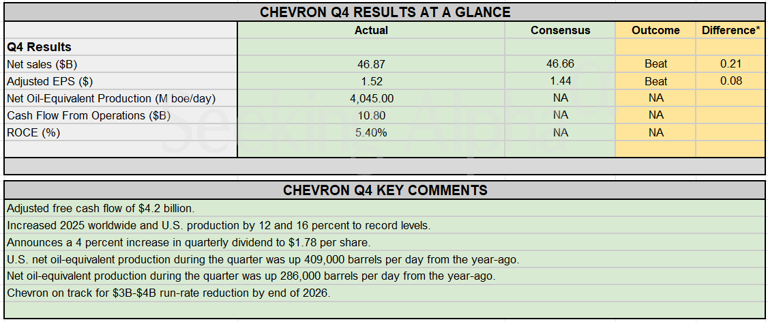
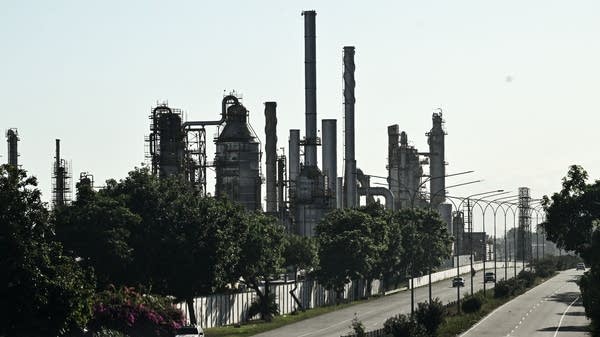
The January 2026 earnings reports from Exxon Mobil and Chevron reveal a critical market shift with direct implications for e-commerce sellers managing international logistics. Crude oil prices collapsed to $57.42 per barrel by Q4 2025, down from $71.72 year-over-year—a 20% decline representing the largest annual drop since 2020. This price compression directly translates to reduced fuel surcharges on international shipping, potentially lowering fulfillment costs by 8-15% for sellers shipping 500+ units monthly to Europe, Asia, and Latin America.
Immediate Logistics Cost Relief for FBA and 3PL Sellers
For Amazon FBA sellers and third-party logistics providers, the oil price decline offers tangible margin expansion. Fuel surcharges—typically 5-12% of base shipping rates—are directly indexed to crude prices. At current levels, sellers shipping containers from US ports to EU warehouses can expect cost reductions of $200-400 per 40-foot container, while Asia-Pacific routes see $150-300 savings per shipment. This relief is particularly valuable for sellers managing tight margins in categories like electronics, apparel, and home goods where logistics represent 15-25% of COGS. However, this advantage is temporary; the news also reports January 2026 crude futures rallying 13.1% amid U.S.-Iran tensions, signaling potential price recovery by Q2 2026.
Venezuela Political Shift Creates Supply Chain Uncertainty for Latin America Sellers
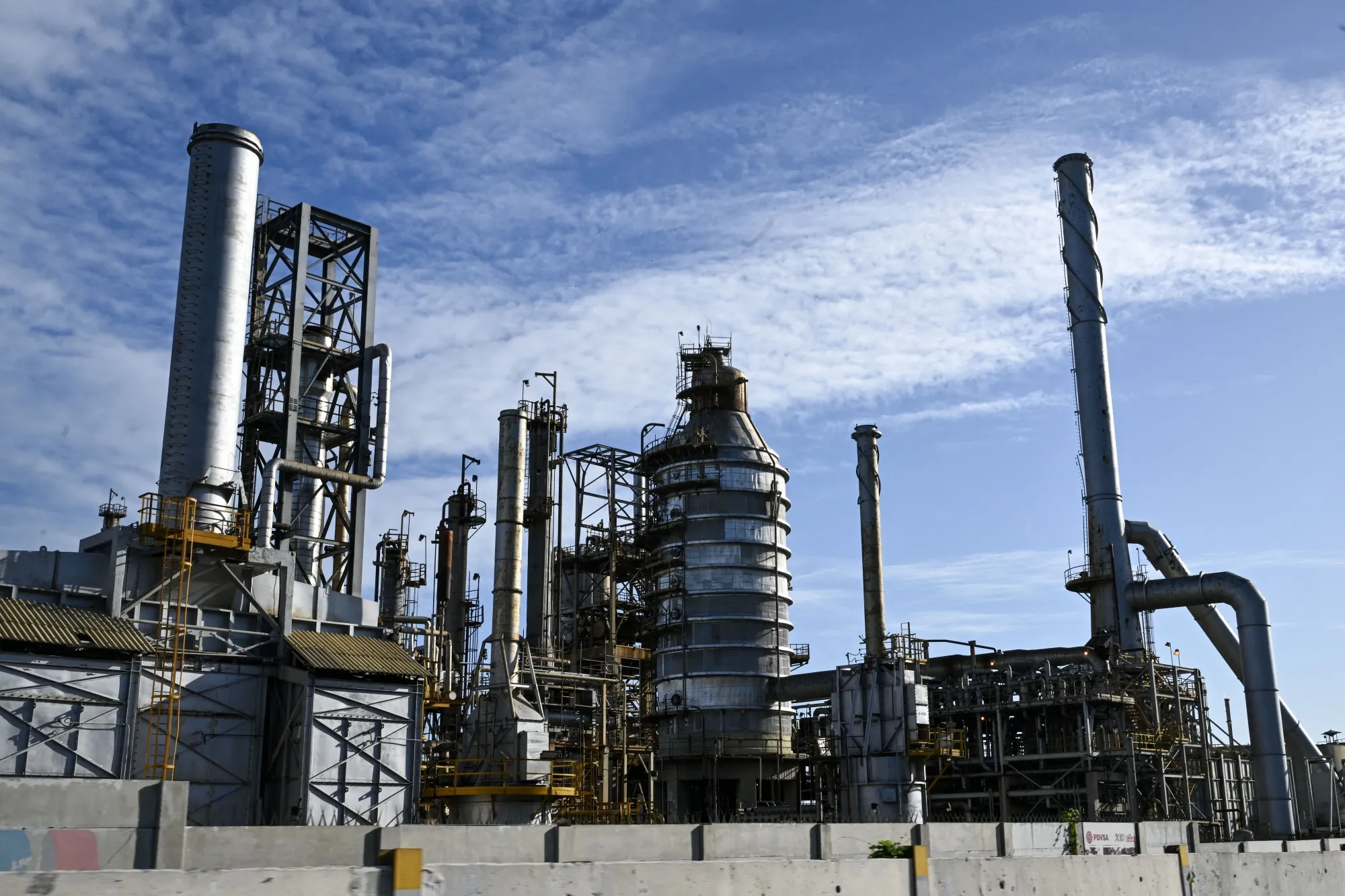
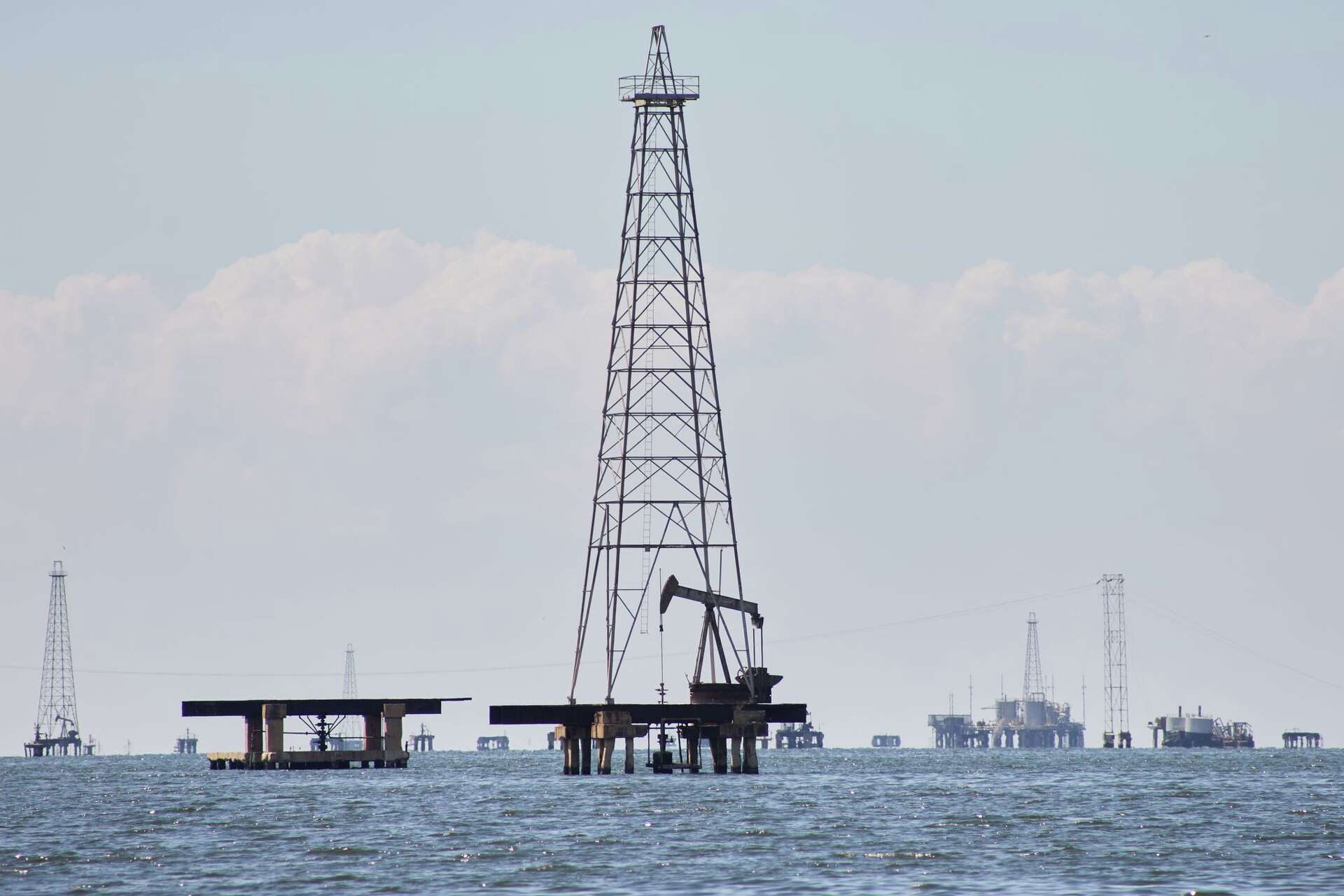
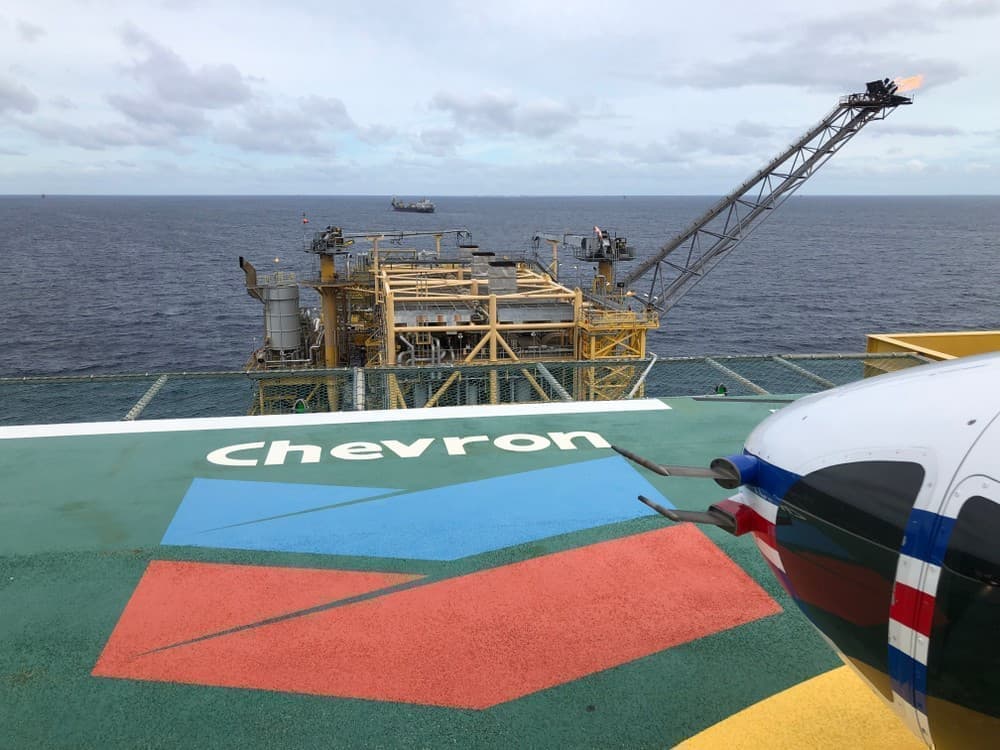
The geopolitical dimension presents a more complex challenge. Following the January 2026 U.S. military intervention removing President Nicolás Maduro, Chevron announced plans to increase Venezuelan oil production by 50% over 18-24 months, positioning itself as the only U.S. oil major operating there. While increased Venezuelan crude supply could theoretically stabilize regional energy markets and reduce shipping costs across Latin America, the political instability creates operational risks for sellers. Venezuela's history of nationalizing foreign assets without compensation makes it a cautionary tale. Sellers relying on Venezuelan suppliers for products (textiles, minerals, agricultural goods) or operating logistics hubs in Colombia, Brazil, or other South American countries face potential supply chain disruptions if political conditions deteriorate. The Trump administration is reportedly pressuring oil companies to invest $100 billion in Venezuelan reconstruction, but ExxonMobil CEO Darren Woods called Venezuela "uninvestable" without democratic reforms, reflecting broader industry skepticism about long-term stability.
Strategic Implications: Timing Logistics Expansion Before Price Recovery
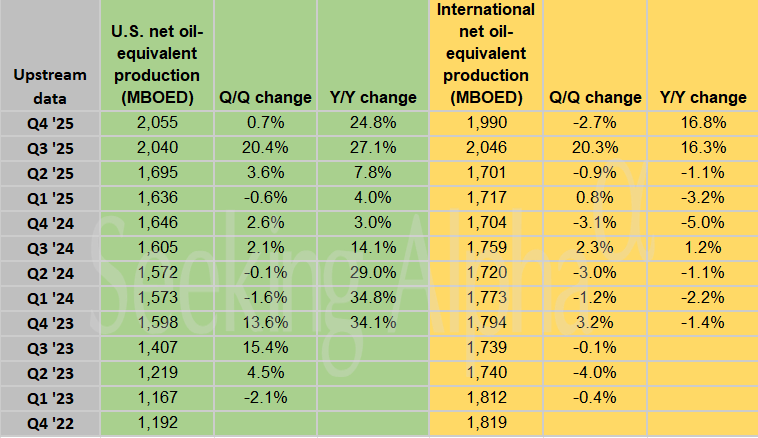
The earnings data shows both oil majors achieved record production levels (Chevron up 12% globally, Exxon at 40-year highs) yet experienced 14.5% net income declines due to price weakness. This supply-demand imbalance suggests crude prices may remain depressed through Q1-Q2 2026 before geopolitical factors (Iran tensions, Venezuelan investment) drive recovery. Sellers should capitalize on this window by: (1) negotiating multi-month shipping contracts with 3PL providers before fuel surcharges reset, (2) accelerating inventory shipments to FBA warehouses to lock in lower logistics costs, and (3) stress-testing supply chains for Latin America exposure, particularly for sellers sourcing from or shipping through Venezuela-adjacent regions.
問題 7
What is the best time to ship inventory to FBA warehouses given oil price trends?
Now through March 2026 represents an optimal window. Crude prices are at 5-year lows ($57.42/barrel), fuel surcharges are minimized, and shipping costs are 8-15% below 2025 averages. The news reports January 2026 crude futures rallying 13.1% due to U.S.-Iran tensions, signaling potential price recovery by Q2. Sellers should accelerate inventory shipments to FBA warehouses before April 2026 to lock in lower logistics costs. Calculate your monthly FBA storage costs and compare against current shipping rates; if you're near IPI score thresholds, aggressive Q1 shipments now could prevent Q2 storage fee penalties while costs remain favorable.
Should I be concerned about Venezuela affecting my Latin America supply chain?
Yes, if you source products from Venezuela or operate logistics hubs in Colombia, Brazil, or other South American countries. Following the January 2026 political transition, Chevron announced plans to increase Venezuelan oil production 50% over 18-24 months, which could stabilize regional energy costs. However, Venezuela's history of nationalizing foreign assets creates operational risk. ExxonMobil CEO called Venezuela 'uninvestable' without democratic reforms. Sellers should: (1) diversify suppliers away from Venezuela-dependent regions, (2) establish backup logistics routes through Mexico or Central America, (3) monitor political stability indicators weekly, and (4) avoid long-term contracts with Venezuelan suppliers until governance stabilizes.