

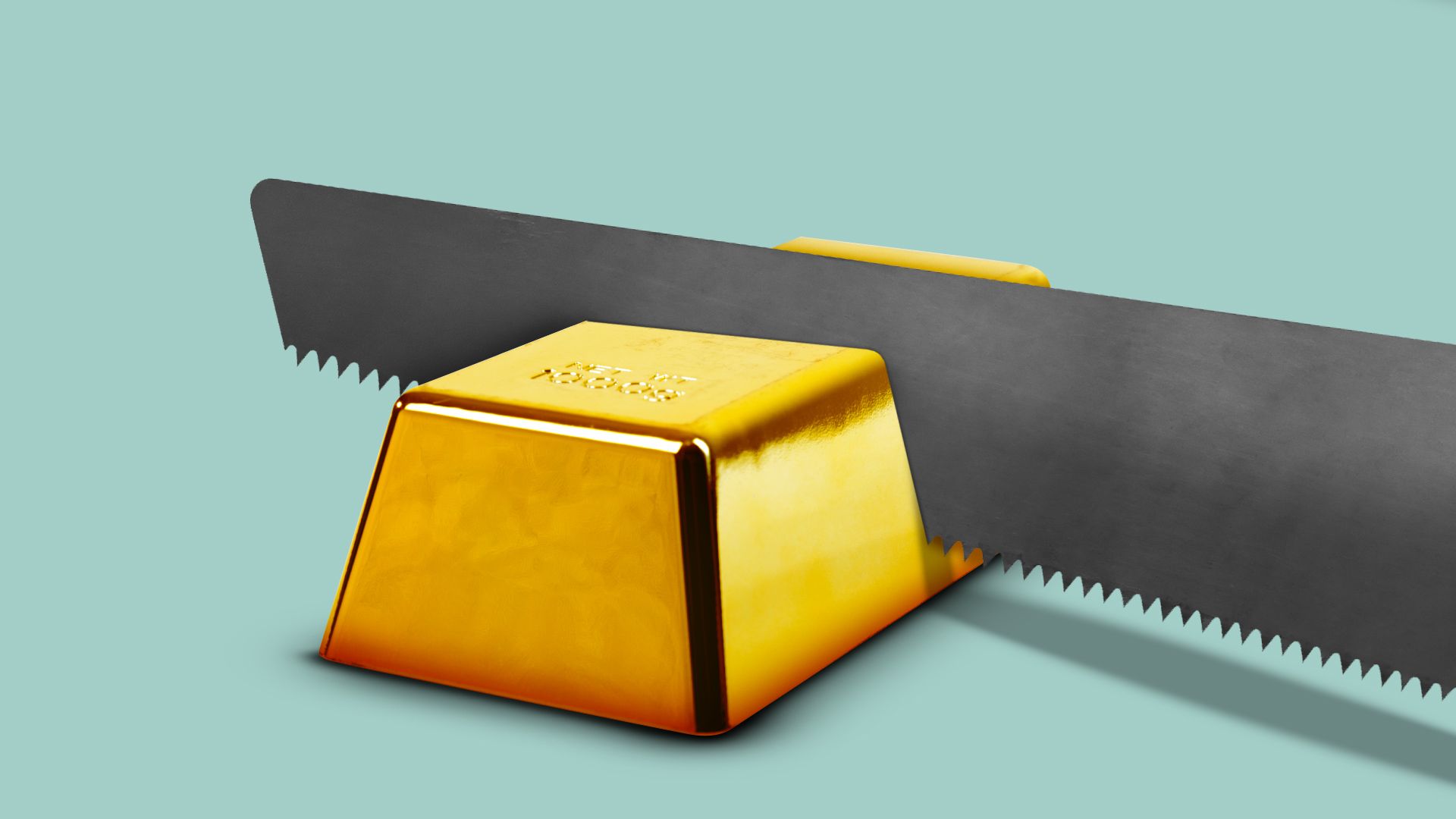




Dollar Surges 0.9% as Silver Crashes 37%, Gold Falls 11% | Cross-Border Payment Impact
- Strongest USD day since May 2025 creates immediate FX arbitrage opportunities for sellers; commodity currency weakness unlocks 3-8% sourcing cost savings for importers from AUD/CAD regions


















































概览
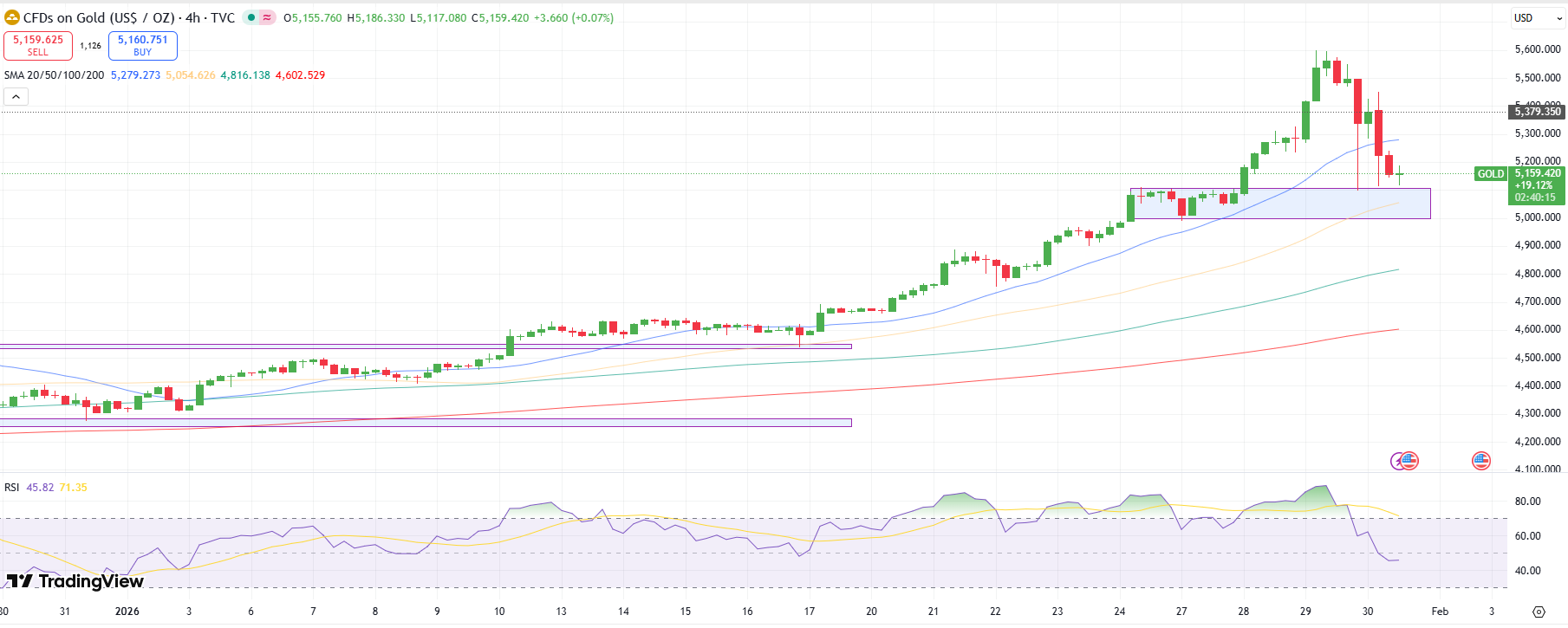
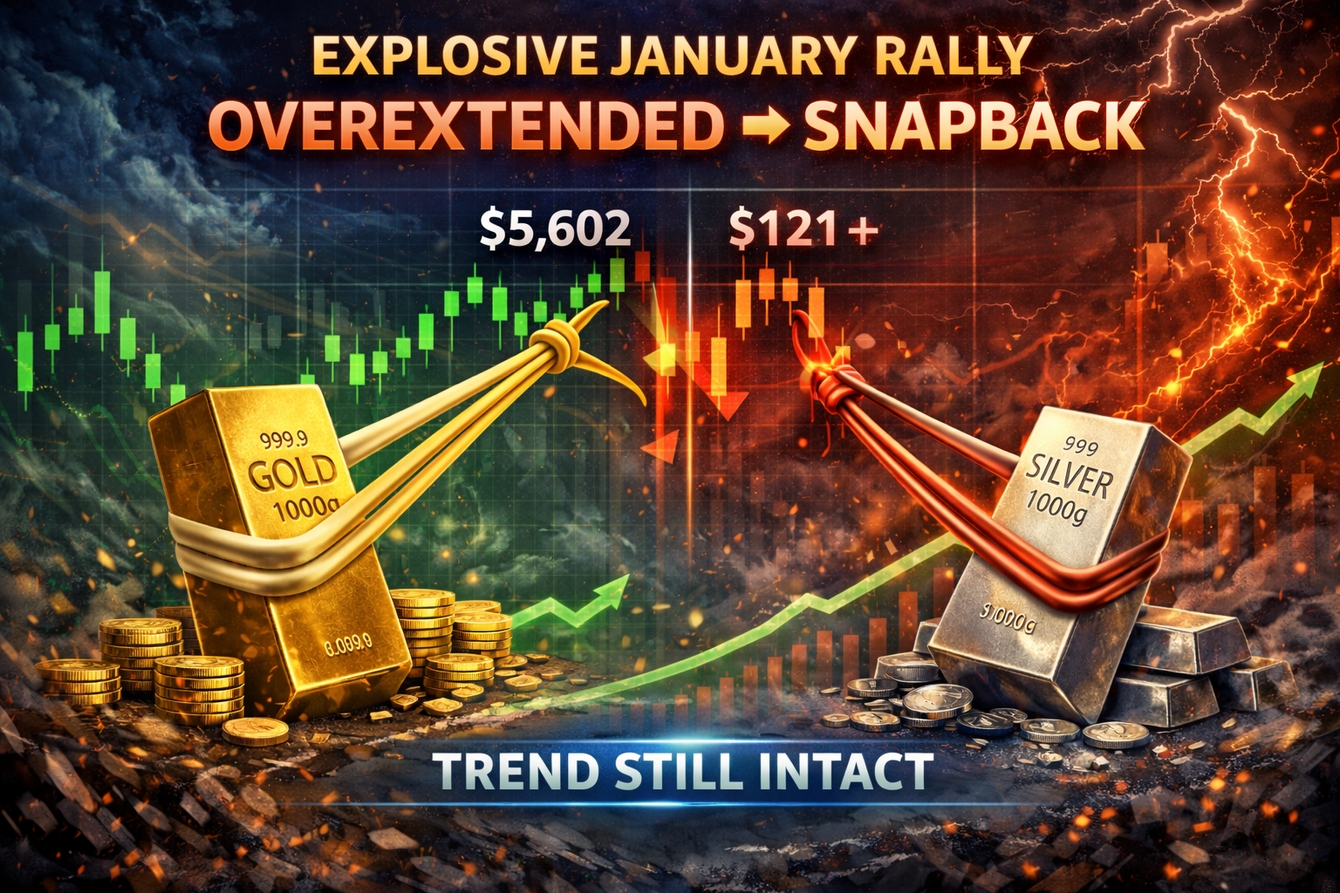
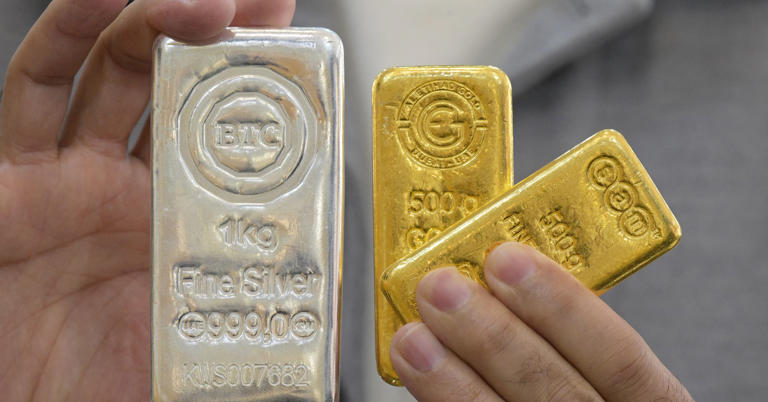
Federal Reserve Chair Kevin Warsh's nomination on January 30, 2026, triggered a historic precious metals correction that fundamentally reshapes cross-border payment economics for e-commerce sellers. Silver plummeted 37% to $84.63/oz (from $114+), gold fell 11% to $4,864/oz (from $5,354.80), and the ICE Dollar Index surged 0.8%—its biggest single-day gain since May 2025—creating immediate currency arbitrage windows for international sellers.
For cross-border payment optimization, this correction unlocks three critical financial opportunities: First, commodity currency weakness (AUD, CAD, NZD, SEK) creates 3-8% sourcing cost advantages for sellers importing from resource-exporting nations. A seller sourcing $100K of goods from Australia now converts back to USD at more favorable rates, reducing COGS by $3-8K. Second, the stronger dollar creates FX hedging opportunities—sellers with forward contracts locked in at weaker dollar rates (96.0-96.2 ICE DXY) can now execute at 96.38+, capturing 0.15-0.35% gains on large transaction volumes ($500K+). Third, payment processing fees decline for USD-denominated corridors as payment providers (Wise, Stripe, PayPal) reduce spreads during high-volatility periods; sellers routing payments through USD-first gateways save 0.3-0.6% on cross-border transfers versus direct currency conversions.
The market mechanics driving this opportunity: Warsh's "hawkish" reputation (historically opposed rate cuts) triggered investor profit-taking in precious metals after silver's 150% YTD 2025 rally and gold's 65% gain. However, analysts including Commerzbank's Thu Lan Nguyen note Trump will likely pressure the Fed for rate cuts regardless, suggesting this correction is temporary profit-taking rather than fundamental weakness—meaning the dollar strength window may close within 2-4 weeks. For jewelry/luxury goods sellers, the 37% silver crash directly impacts inventory valuation; sellers holding silver-based inventory should consider liquidating at current prices before potential rebounds, or hedging via silver futures at $78-84 levels. For tech/electronics sellers sourcing from commodity-dependent regions, the AUD/CAD weakness window creates a 30-45 day opportunity to lock in lower acquisition costs before currencies stabilize.
Cash flow acceleration opportunity: Sellers with outstanding invoices in AUD/CAD can accelerate collection timing to capture stronger conversion rates. A $50K AUD invoice collected today converts at 0.65+ USD/AUD versus 0.62-0.63 two weeks ago—unlocking $1,500-1,500 additional working capital. Financing access improves as commodity currency weakness reduces default risk for lenders in resource-exporting nations; trade finance APRs for Australia/Canada-based suppliers may drop 0.5-1.0% as risk premiums compress.
問題 7
How does the 0.8% USD surge impact payment costs for sellers importing from Australia?
The ICE Dollar Index's 0.8% single-day gain strengthens the USD against commodity currencies like AUD, creating immediate sourcing cost advantages. A seller importing $100K AUD of goods now converts at stronger rates (0.65+ USD/AUD vs. 0.62-0.63 previously), unlocking $3-5K in COGS savings. This window typically remains open 2-4 weeks before currency stabilization. Sellers should accelerate import orders and lock in supplier quotes immediately to capture the advantage before AUD rebounds.
What is the timeline for this USD strength window before currency stabilization?
Analysts characterize this correction as profit-taking after rapid precious metals appreciation (silver +150% YTD 2025, gold +65%), not fundamental weakness. Commerzbank's Thu Lan Nguyen notes Trump will likely continue demanding Fed rate cuts, suggesting structural support for weaker-dollar policies. The USD strength window typically remains open 2-4 weeks before commodity currencies stabilize. Sellers should execute sourcing, hedging, and invoice collection strategies within this 30-45 day window. After stabilization, the dollar may weaken again, reversing current advantages for importers from commodity-currency regions.