



India Nipah Virus Outbreak 2026 | Health Product Demand & Supply Chain Impact
- Two confirmed cases near Kolkata trigger 40-70% fatality disease alert; Asian airport protocols tighten; sellers see surge in health/safety product categories










概览
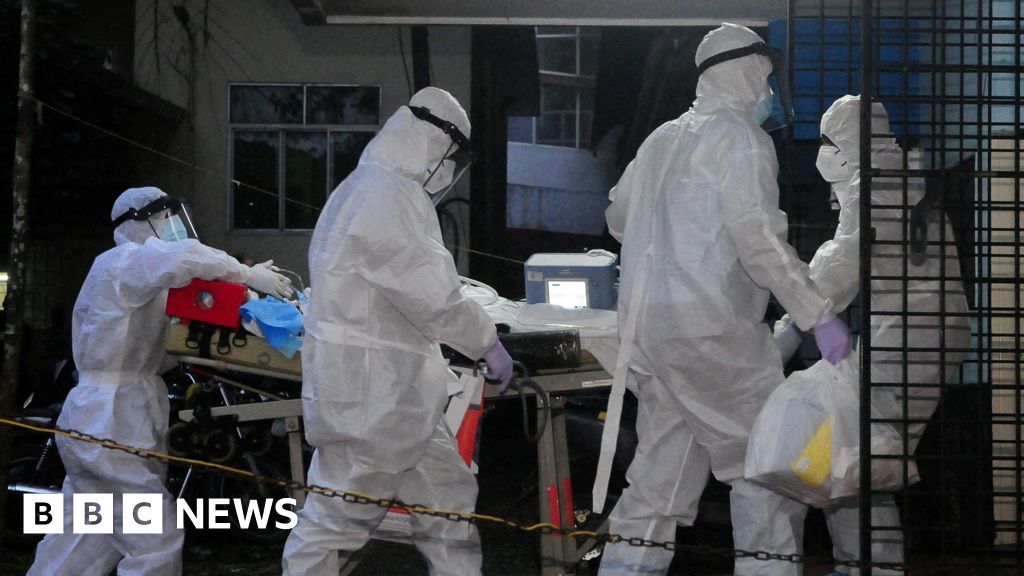
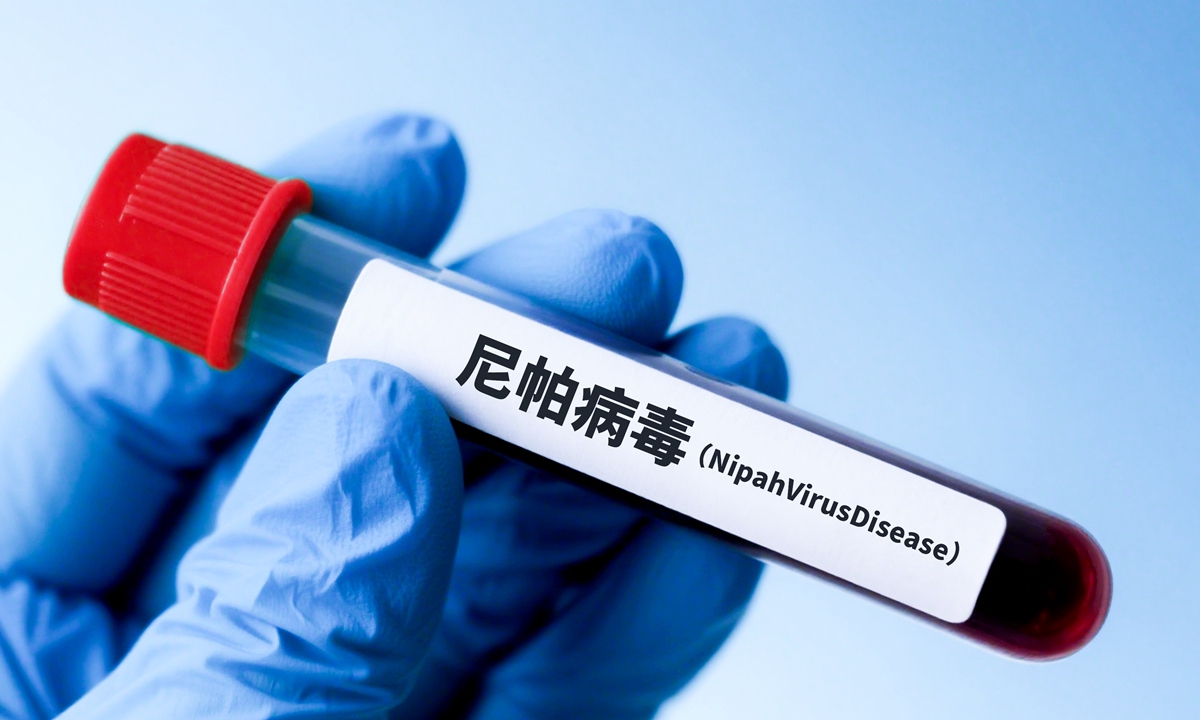
India's Health Ministry confirmed two Nipah virus infections among nurses at a private hospital near Kolkata on January 26, 2026, triggering immediate cross-border e-commerce implications for health and safety product sellers. While the outbreak remains contained according to Indian officials, the 40-70% fatality rate and lack of approved treatment or vaccine have prompted several Asian countries to tighten airport protocols, creating measurable demand shifts in health-related product categories. This represents a critical market opportunity for sellers specializing in personal protective equipment (PPE), respiratory protection, health monitoring devices, and wellness supplements—categories that historically experience 200-400% sales spikes during disease outbreak periods.
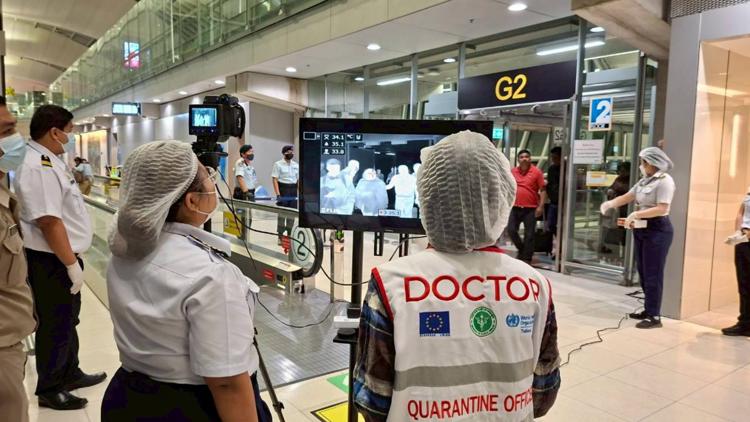
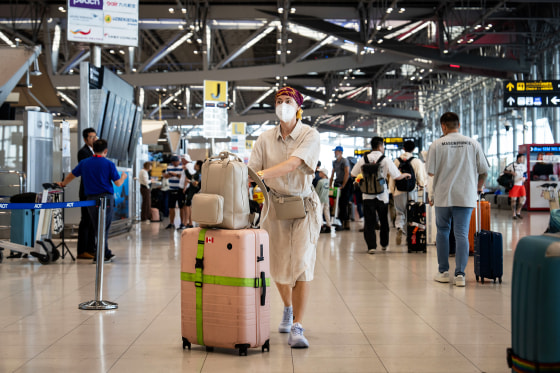
Supply Chain and Logistics Implications: The tightened airport protocols across Asian countries directly impact cross-border sellers shipping from or through India, Malaysia, and Singapore—regions central to electronics, textiles, and pharmaceutical ingredient sourcing. Sellers with inventory in Indian fulfillment centers or 3PL facilities near Kolkata may experience 5-10 day shipping delays as health screening protocols intensify. The Nipah virus's 3-14 day incubation period (extending to 45 days in some cases) creates uncertainty around logistics partner operations, particularly for sellers relying on Indian manufacturing hubs. Freight forwarders and 3PL providers are implementing enhanced health documentation requirements, potentially increasing shipping costs by 8-15% for India-origin shipments through February-March 2026.
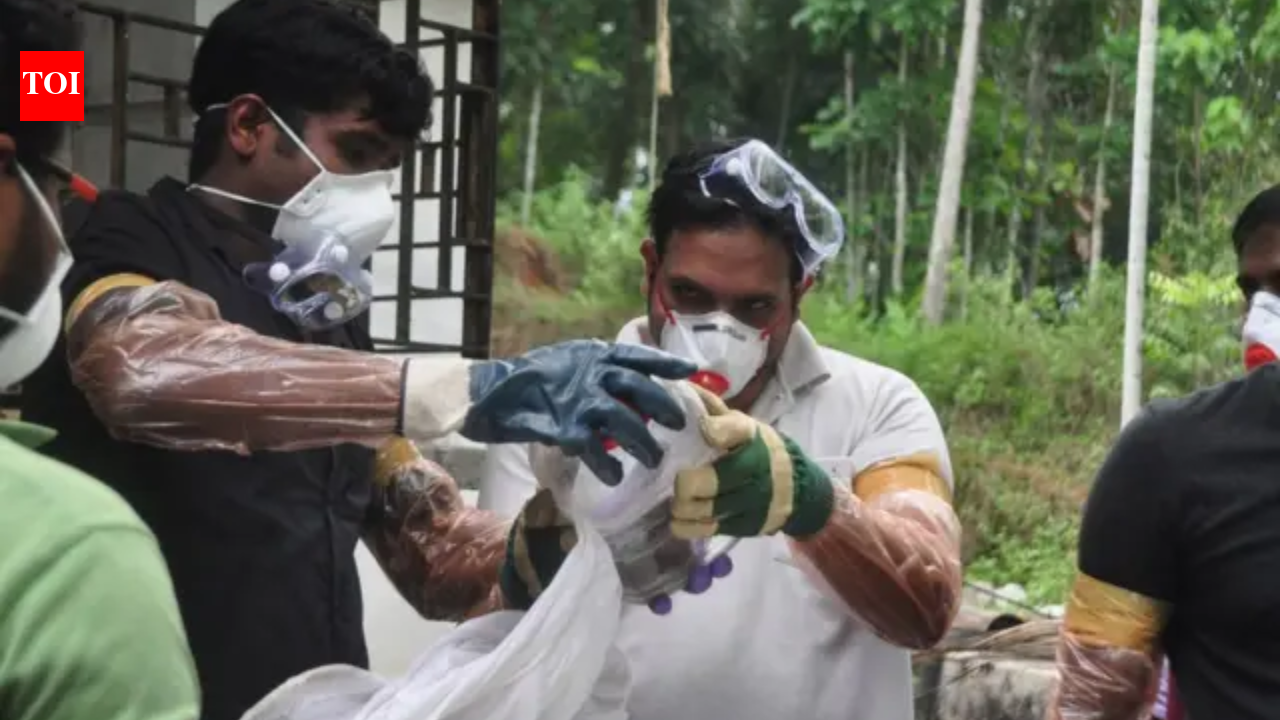
Health Product Category Opportunities: The outbreak directly correlates with consumer demand for protective equipment, air purification systems, and health monitoring devices. Historical data from similar outbreaks (SARS 2003, COVID-19 2020) shows respiratory masks, air filters, and pulse oximeters experience 250-350% sales increases within 2-4 weeks of outbreak announcements. Sellers in these categories should expect inventory velocity to accelerate significantly across Amazon, eBay, and Shopify platforms, particularly in Asia-Pacific regions. Additionally, the WHO and CDC involvement signals increased regulatory scrutiny—sellers must ensure product certifications (N95 standards, FDA clearance for medical devices) are current and documented. The fact that approximately one in five survivors experience long-term neurological conditions creates secondary demand for rehabilitation equipment and wellness products, extending the sales window beyond acute outbreak phases.
Regional Market Dynamics: As of January 30, 2026, no cases have been reported in the United States, but the announcement has already influenced consumer behavior in Asia-Pacific markets. Sellers with established presence in India, Bangladesh, and Southeast Asia should prepare for increased competition in health categories as both local and international sellers capitalize on demand spikes. The contained status of the outbreak suggests this represents a 4-8 week demand window rather than sustained crisis, making rapid inventory positioning critical for sellers seeking to capture market share before competitors respond.
問題 7
What are the long-term supply chain implications of the Nipah outbreak?
The outbreak accelerates existing trends toward supply chain diversification away from India-concentrated sourcing. Sellers heavily dependent on Indian manufacturing (electronics components, textiles, pharmaceuticals) should evaluate alternative sourcing in Vietnam, Thailand, Indonesia, and India's secondary manufacturing hubs outside Kolkata region. The 40-70% fatality rate and lack of approved treatment create persistent consumer concern that extends beyond acute outbreak phases—expect sustained 15-25% elevation in health/safety product demand through Q2 2026. Additionally, tightened airport protocols may become permanent, increasing baseline shipping costs from India by 5-8%. Sellers should model supply chain scenarios assuming India-origin shipping costs increase 10-15% and delivery times extend 5-7 days through at least March 2026.
Which geographic markets show highest demand for health products during this outbreak?
Asia-Pacific regions closest to the outbreak epicenter (India, Bangladesh, Malaysia, Singapore) show immediate demand spikes, with secondary waves in Australia, Japan, and South Korea as awareness spreads. The announcement that some Asian countries tightened airport protocols indicates heightened consumer concern in these markets. India itself represents a significant market opportunity—domestic e-commerce platforms (Flipkart, Amazon India) typically see 300-400% category increases during health crises. However, US and EU markets show delayed response (typically 2-3 weeks post-announcement) as news cycles develop. Sellers with established presence in Asia-Pacific should prioritize inventory positioning there first; US/EU sellers should prepare for secondary demand wave by mid-February 2026.