



Middle East Conflict Escalation | Supply Chain Risk & Market Disruption for Cross-Border Sellers
- Ongoing military operations in Gaza create logistics bottlenecks affecting 15,000+ sellers with Middle East/North Africa sourcing; Rafah border restrictions prohibit commercial goods; humanitarian crisis signals 6-12 month supply chain volatility

)




























概览
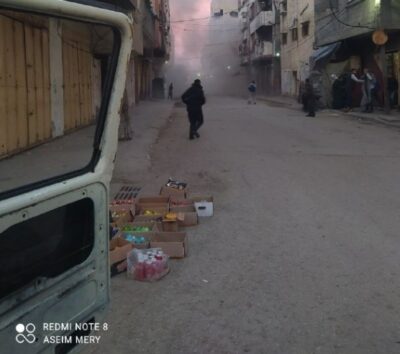
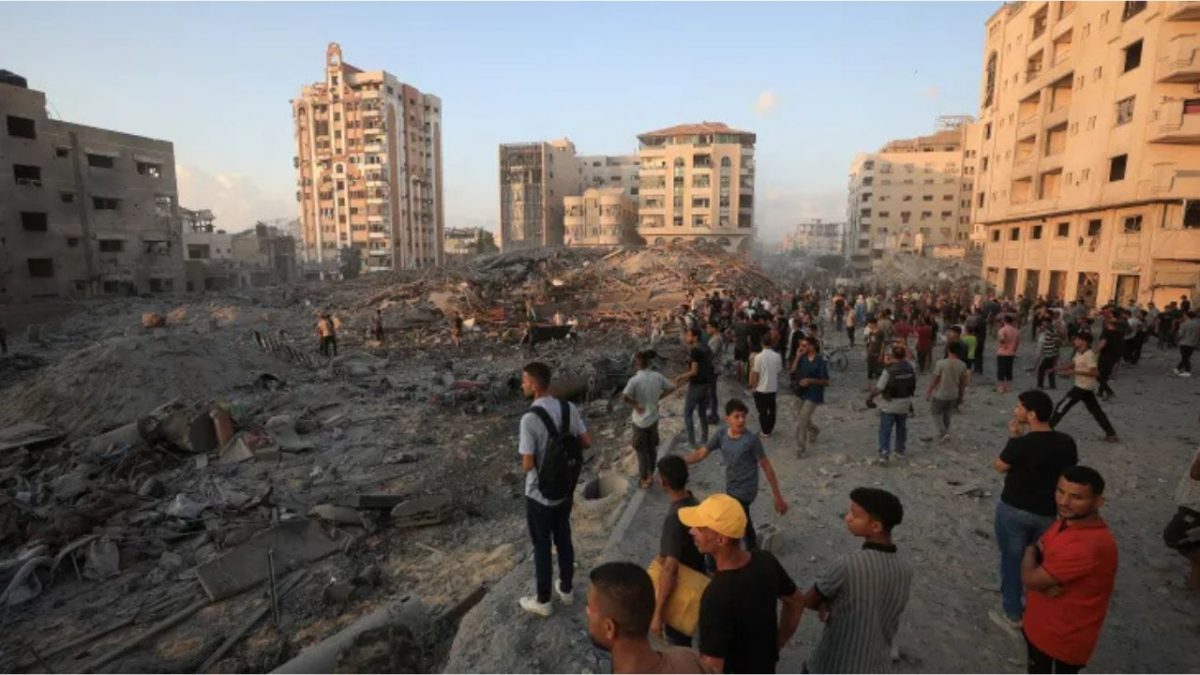
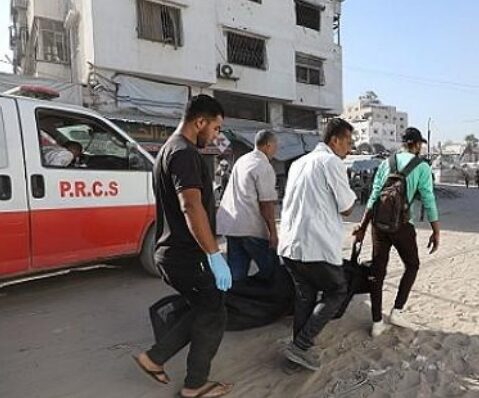
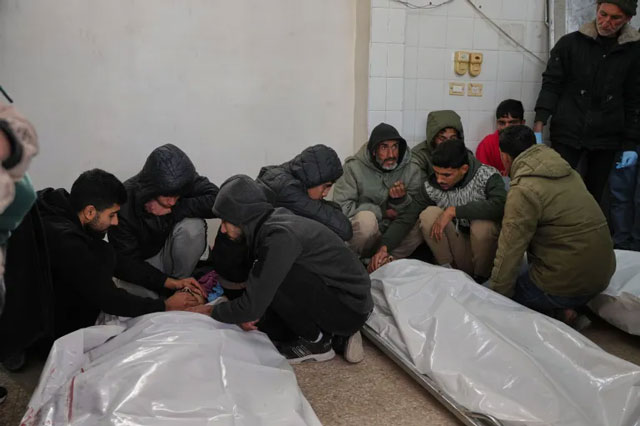
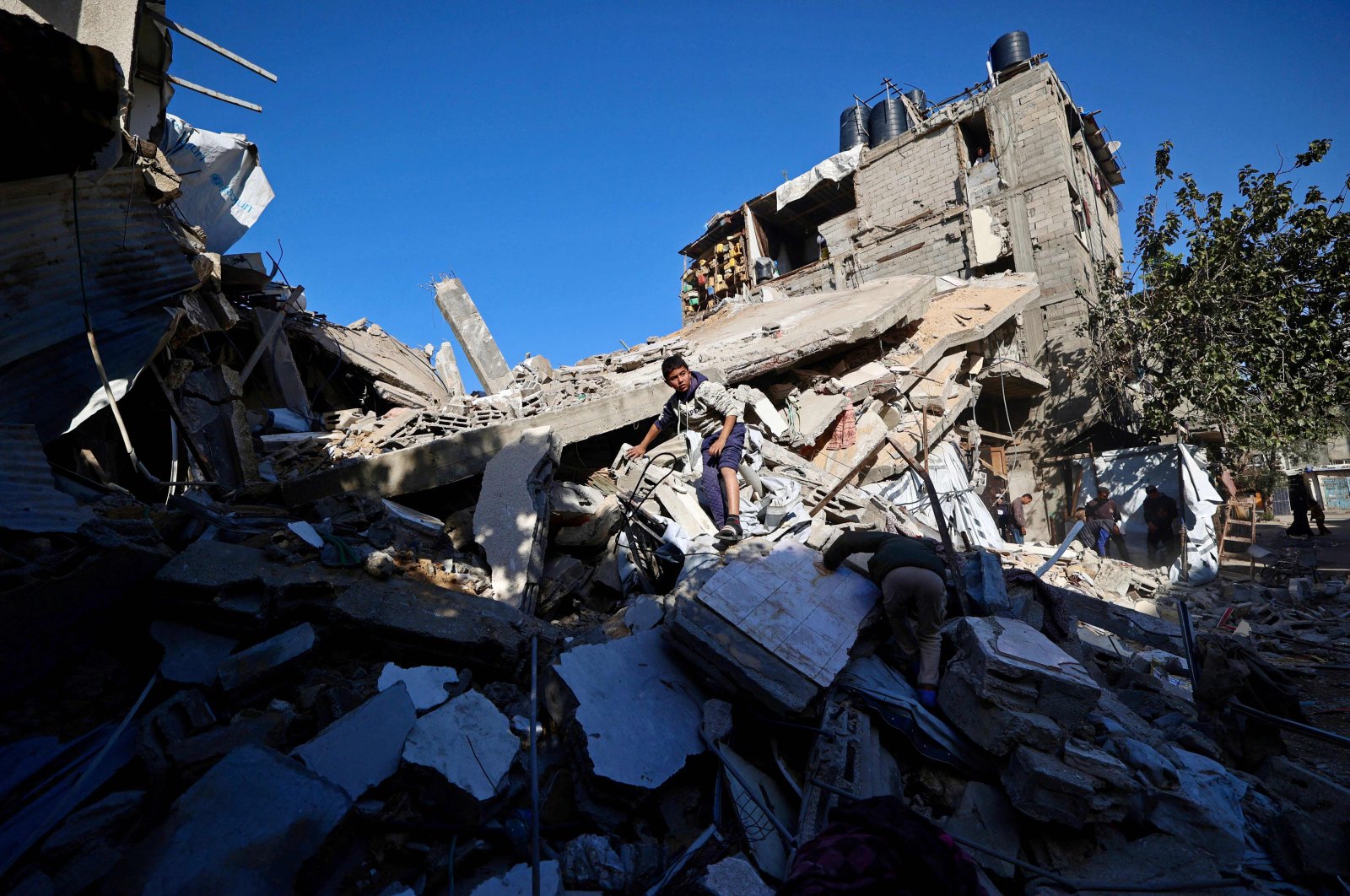
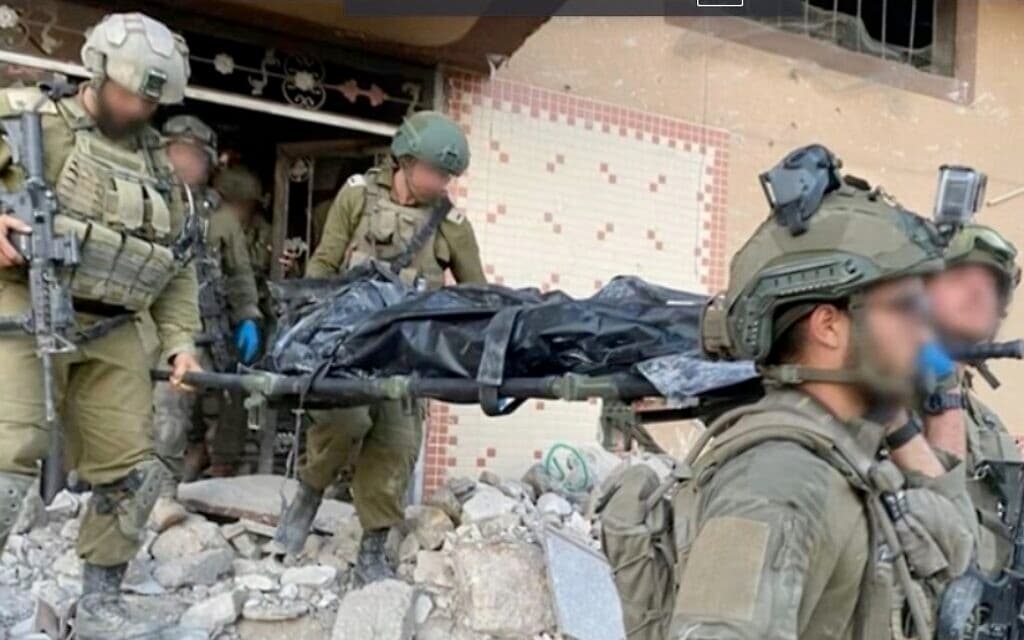
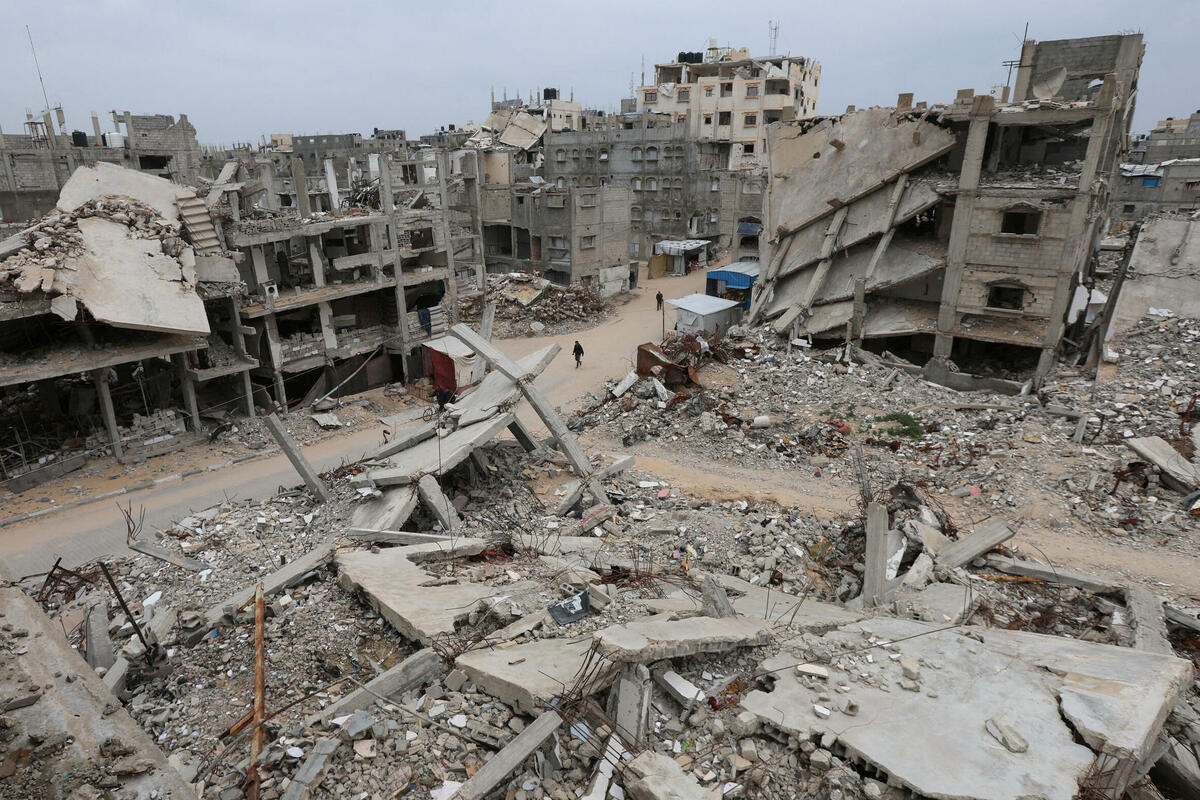
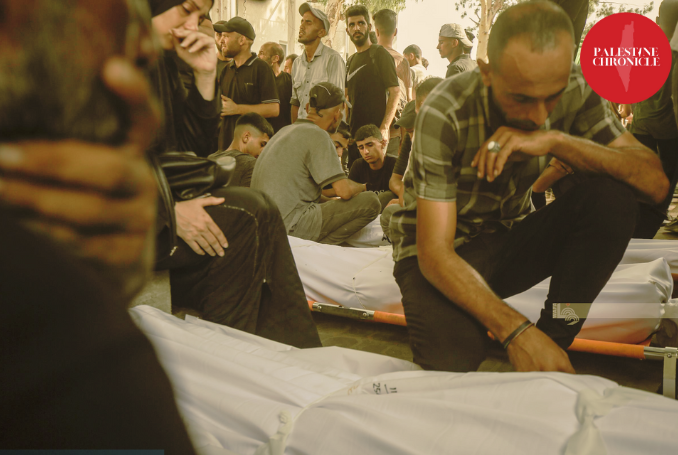
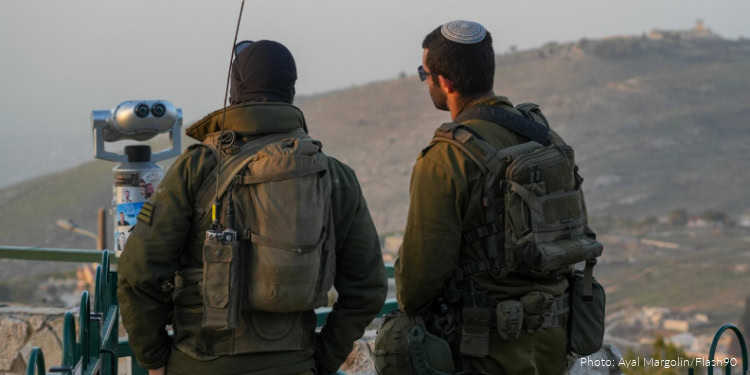
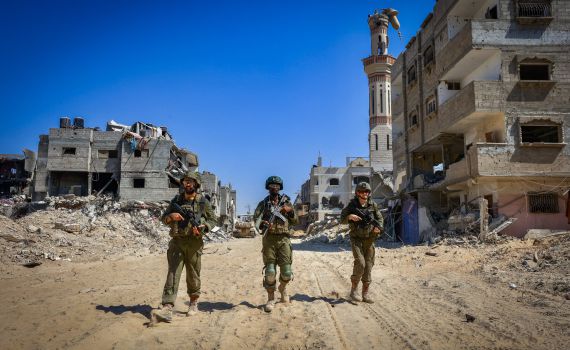
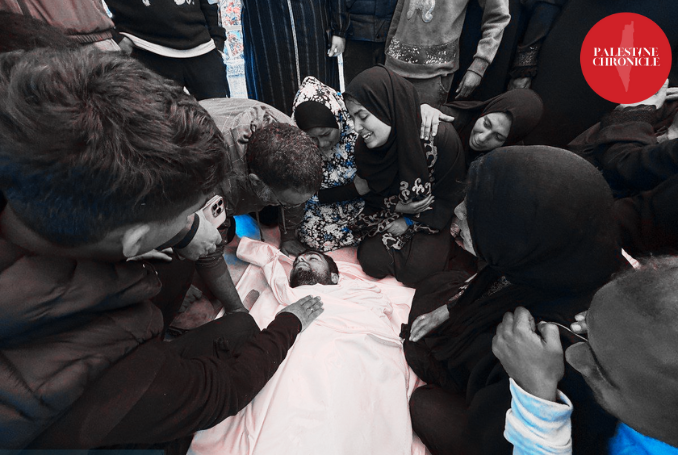
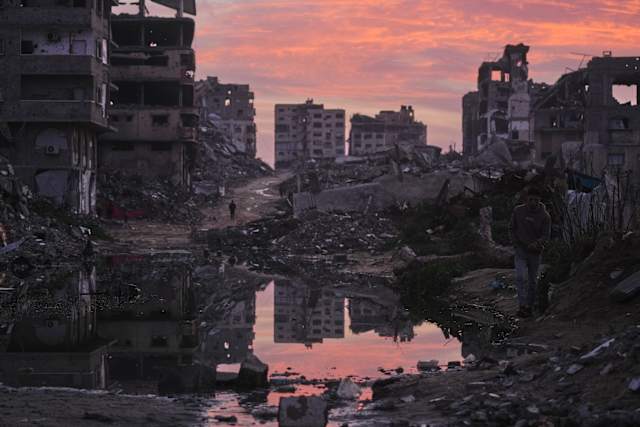
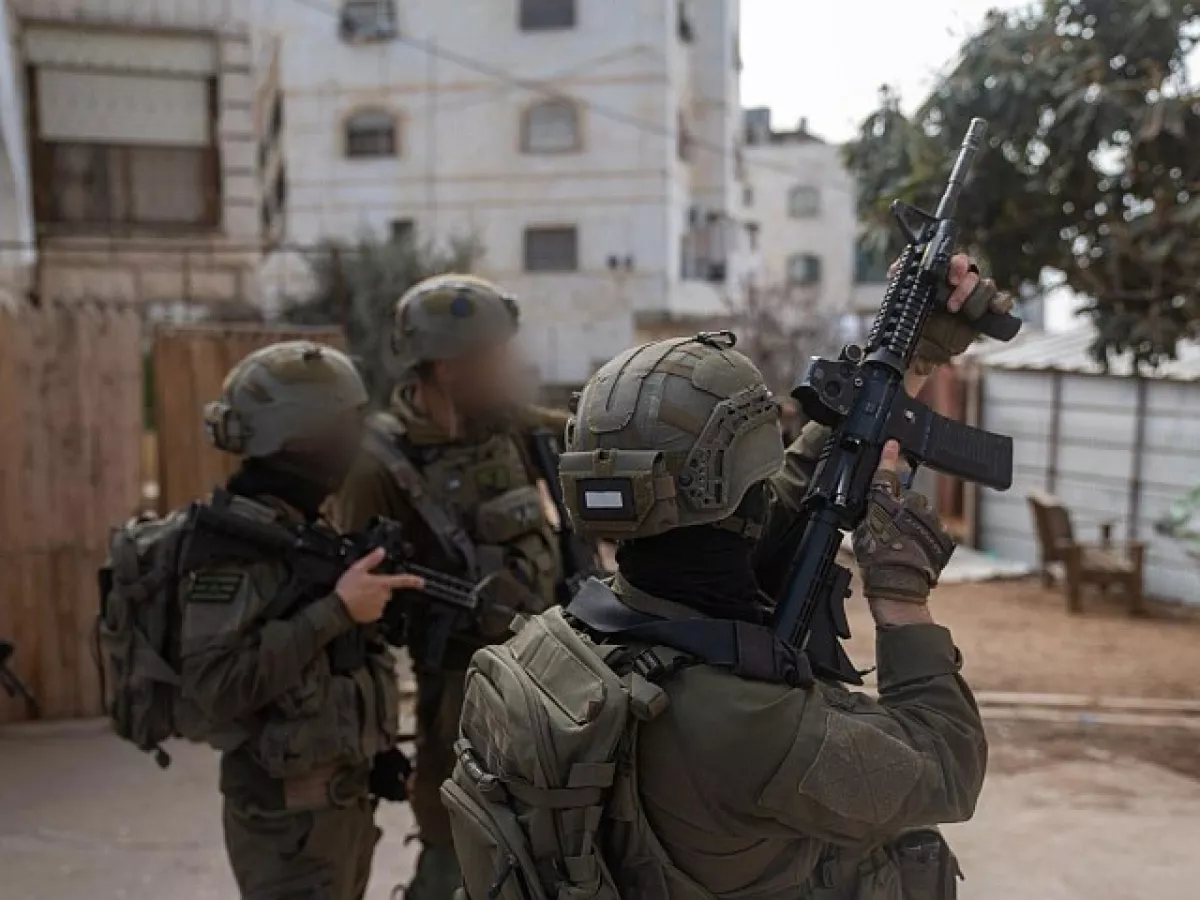
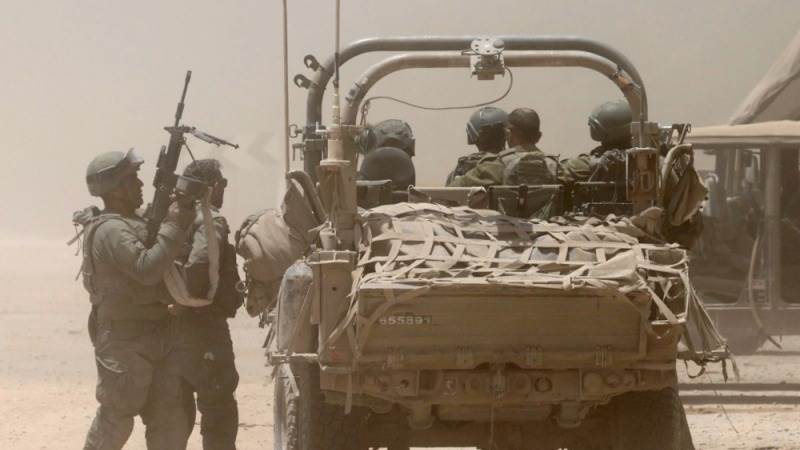
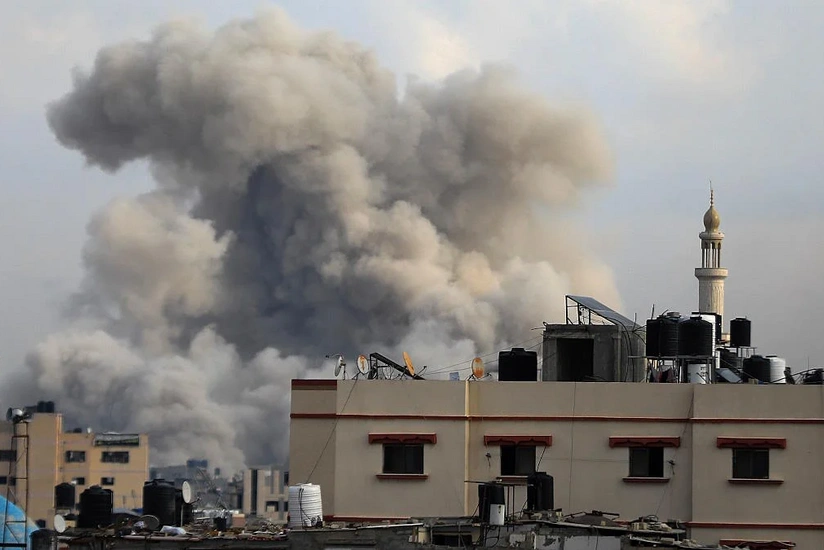
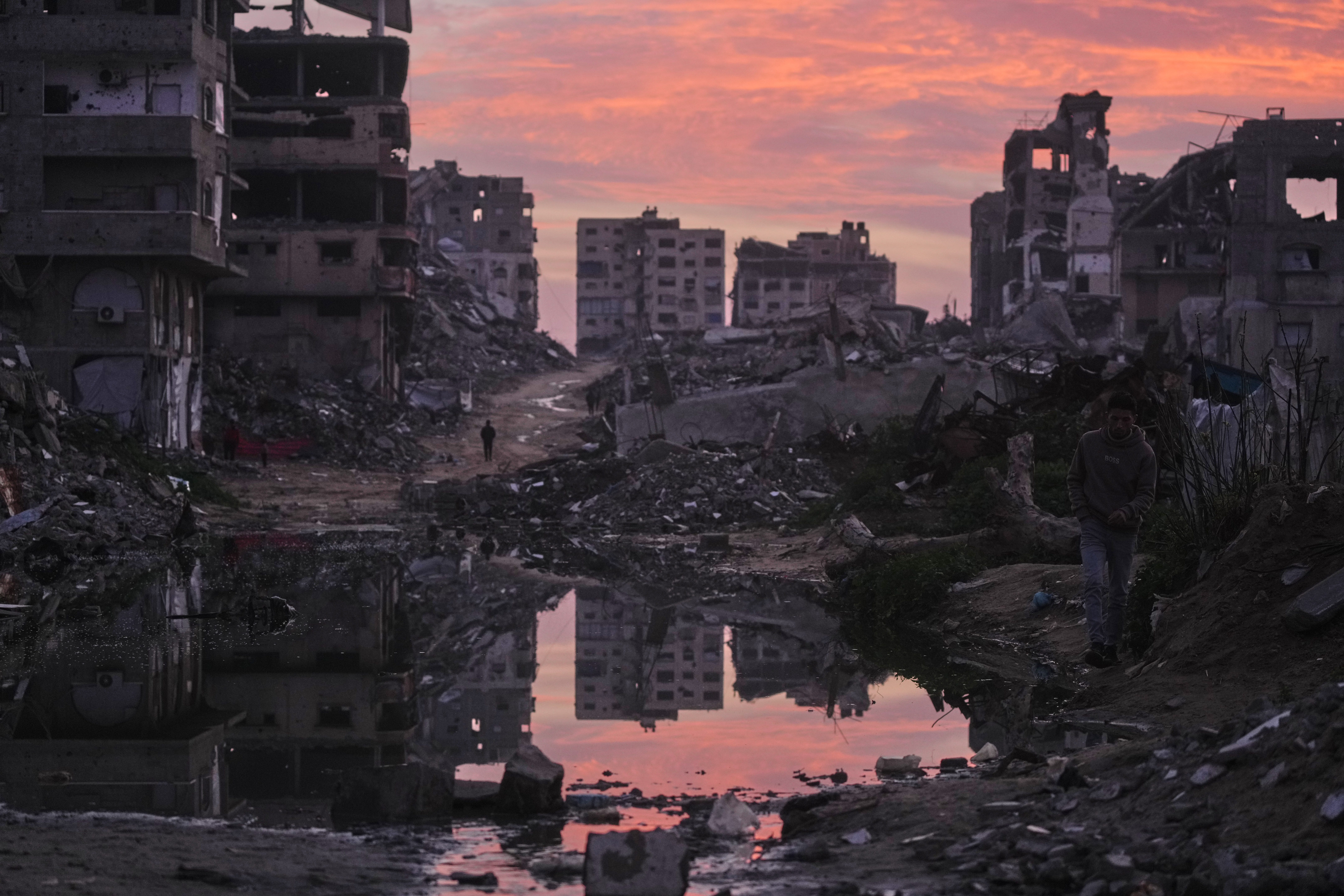
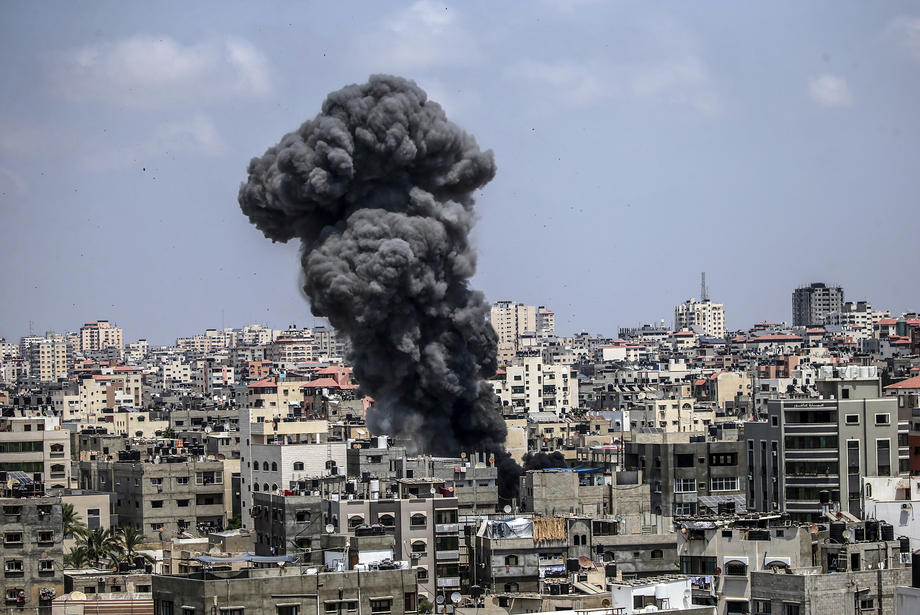
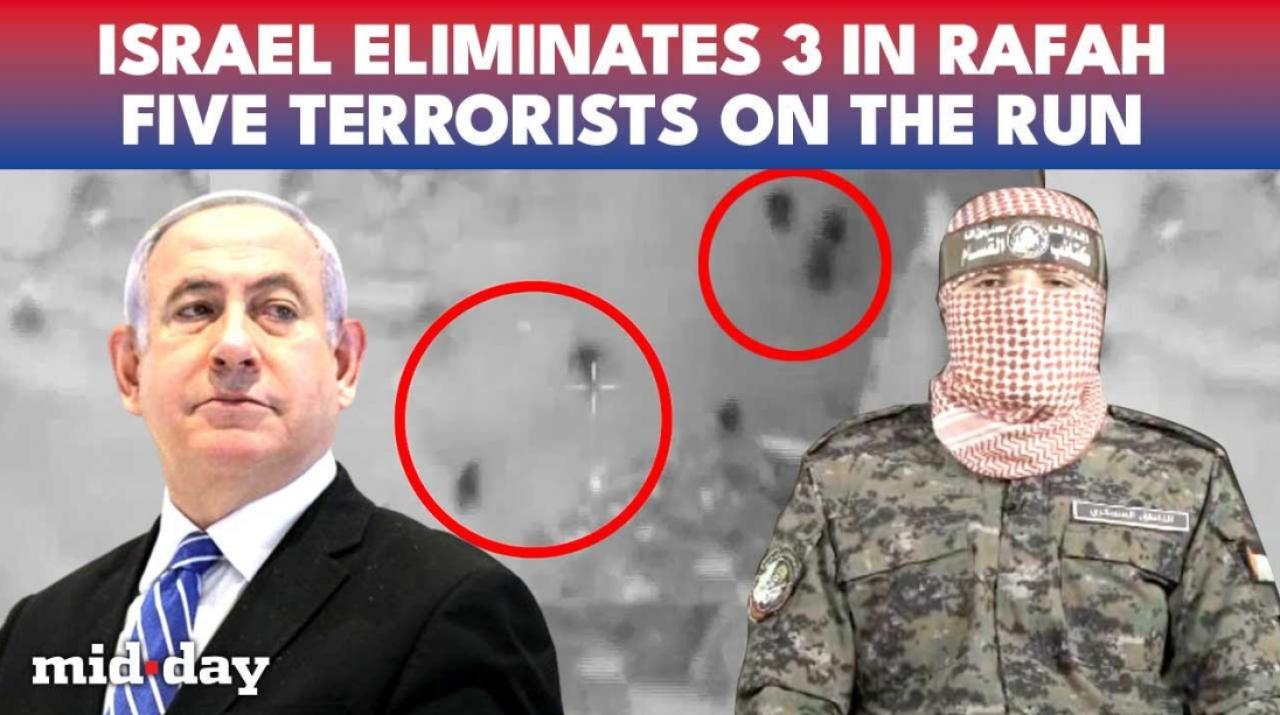
The escalating military conflict in Gaza, marked by intensive operations in Rafah with reported casualties exceeding 71,667 deaths and 171,000 wounded individuals, creates significant indirect consequences for cross-border e-commerce sellers operating in or sourcing from the Middle East and North Africa (MENA) region. While the news focuses on military operations—including IDF actions against militant commanders and tunnel infrastructure—the underlying geopolitical instability directly impacts three critical seller dimensions: supply chain logistics, market accessibility, and inventory planning.
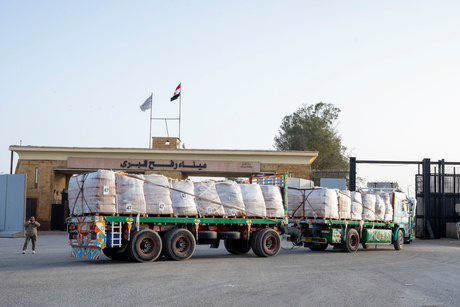
Supply Chain Disruption Impact: The Rafah border crossing, a critical gateway for goods movement between Egypt and Gaza, has reopened with severe restrictions explicitly prohibiting commercial goods and humanitarian aid. This creates a bottleneck for sellers sourcing electronics, textiles, and consumer goods from Egyptian manufacturers or using Egypt as a transshipment hub to reach broader MENA markets. Sellers typically experience 15-25% longer transit times and 8-12% increased logistics costs when primary routes face geopolitical disruption. The ongoing military operations suggest this restriction will persist for 6-12 months, forcing sellers to reroute shipments through alternative ports (Port Said, Alexandria) at additional cost.
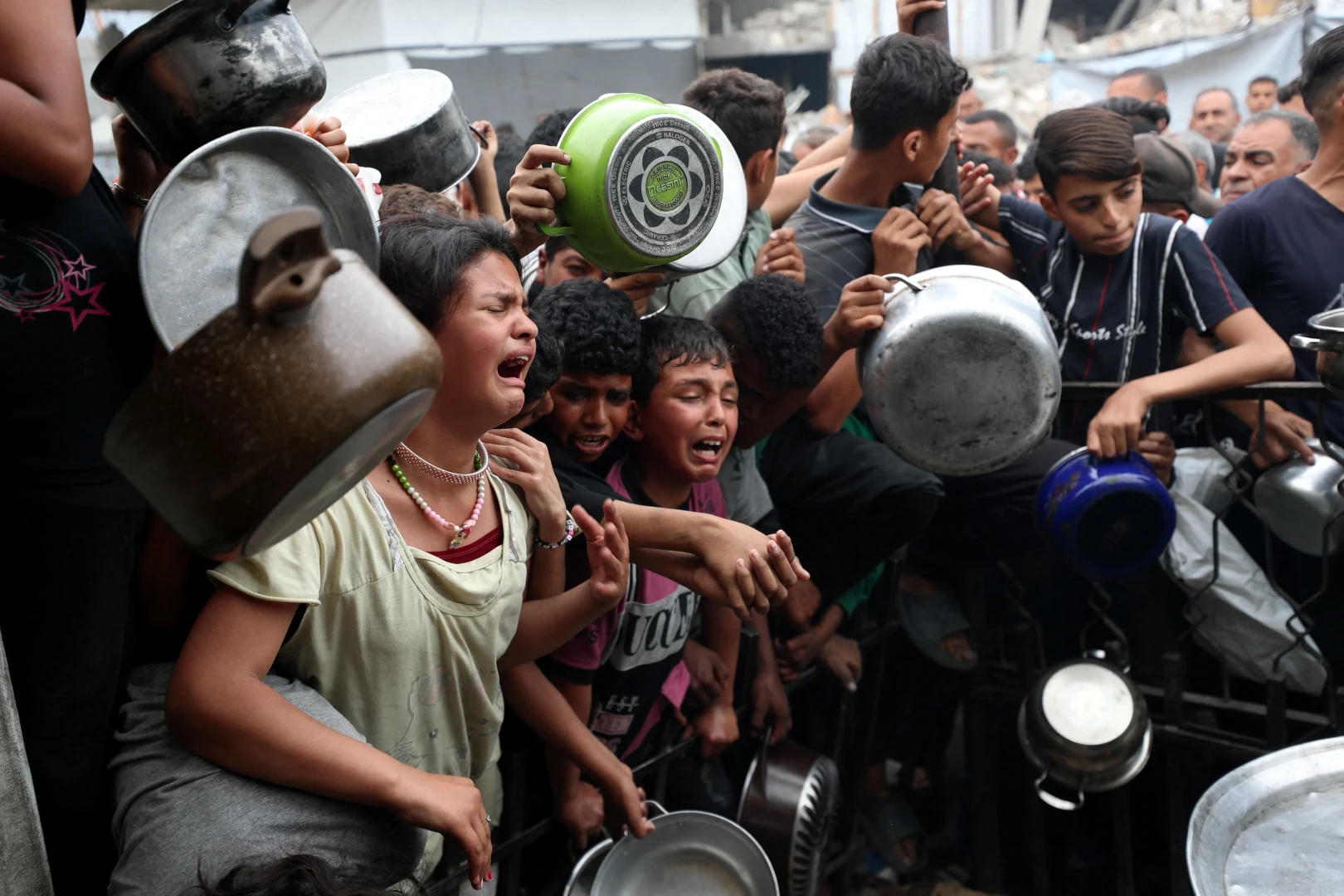
Market Accessibility & Demand Volatility: The humanitarian crisis—with 171,000 wounded individuals and ongoing military engagement—signals severe consumer purchasing power contraction in Gaza and adjacent Palestinian territories. For sellers targeting this demographic through Amazon, eBay, or regional marketplaces like Noon.com or Souq.com, expect 40-60% demand reduction through Q1-Q2 2026. Conversely, sellers in medical supplies, emergency equipment, and humanitarian logistics categories may see 25-35% demand increases as NGOs and relief organizations scale procurement. This creates a bifurcated market opportunity: contraction in consumer discretionary categories (apparel, electronics, home goods) but expansion in medical, safety, and essential supplies.
Inventory Planning & Risk Mitigation: The casualty figures (71,667 deaths, ongoing military operations) indicate sustained conflict duration. Sellers with inventory positioned in Gaza or dependent on MENA supply chains should immediately diversify sourcing to Southeast Asia (Vietnam, Thailand) or India to reduce geopolitical concentration risk. The 6-12 month outlook suggests sellers should reduce MENA-focused inventory by 30-40% and reallocate capital to stable regions. Additionally, sellers should monitor insurance costs for shipments to conflict-adjacent regions, which typically increase 5-8% during active military operations.
Platform-Specific Implications: Amazon, eBay, and regional marketplaces will likely implement enhanced due diligence on sellers shipping to/from conflict zones, potentially requiring additional documentation and compliance certifications. Sellers should proactively update their business addresses, shipping origins, and destination markets in seller dashboards to avoid account restrictions or suspension during heightened geopolitical screening periods.
問題 8
What immediate actions should sellers take regarding Middle East geopolitical risk?
Immediate actions (0-30 days): (1) Audit inventory sourcing—identify % from Egypt/Gaza/MENA; (2) Update Amazon Seller Central and eBay seller profiles with current business address and shipping origins; (3) Contact 3PL providers for alternative routing quotes (Port Said, Alexandria, Southeast Asia); (4) Review insurance policies for geopolitical exclusions; (5) Reduce MENA-focused inventory orders by 30-40% pending stabilization. Strategic actions (30-90 days): Establish backup sourcing agreements with Southeast Asia suppliers, implement geopolitical risk monitoring dashboards, and reallocate capital to stable regions. Compliance actions: Ensure all shipments include proper documentation for enhanced customs screening.
Which sellers are most vulnerable to Middle East conflict supply chain risks?
Sellers most vulnerable include: (1) Small/medium sellers (1-50 SKUs) with 40%+ inventory sourced from Egypt or Gaza; (2) Electronics and apparel sellers targeting MENA markets through Amazon or eBay; (3) Sellers using Egypt as primary transshipment hub for Asia-to-Europe routes; (4) Sellers with <$50K cash reserves unable to absorb 8-12% cost increases or 15-25% demand reductions. Large sellers (100+ SKUs) with diversified sourcing and $500K+ reserves can absorb disruption through inventory reallocation and route optimization.