


Ukraine War Casualty Surge Reshapes European Labor Markets | Cross-Border Seller Supply Chain Impact
- Escalating Russian military losses (35,000-50,000 monthly) trigger European labor shortages affecting manufacturing, logistics, and consumer spending across Eastern Europe and EU markets





概览
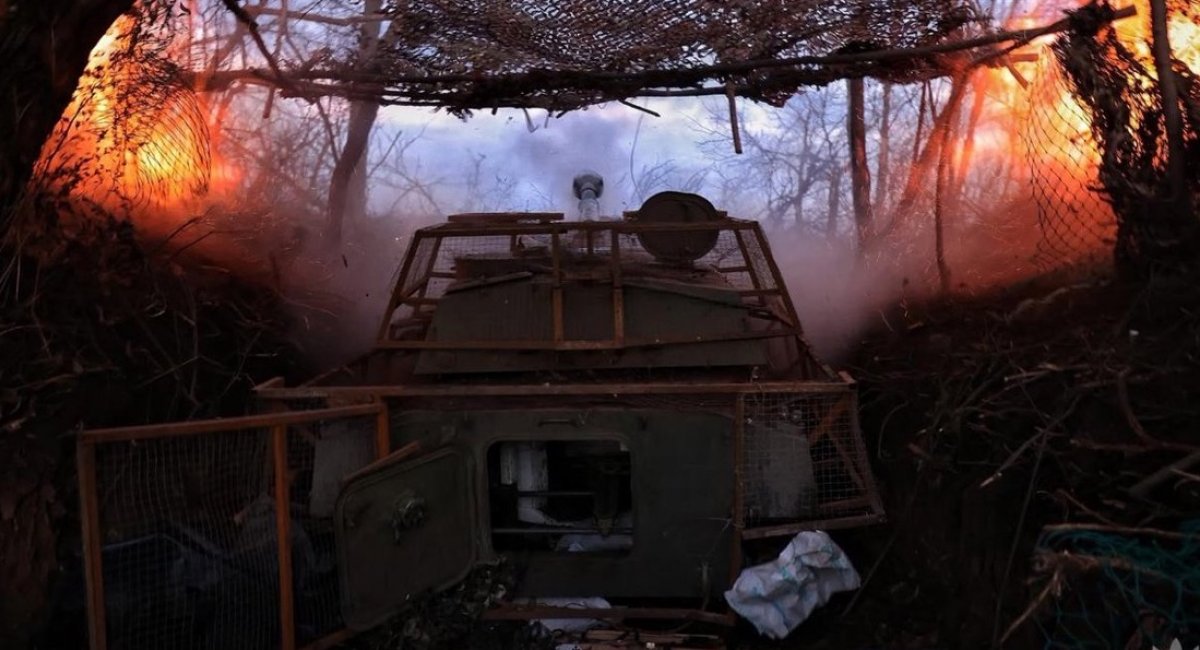
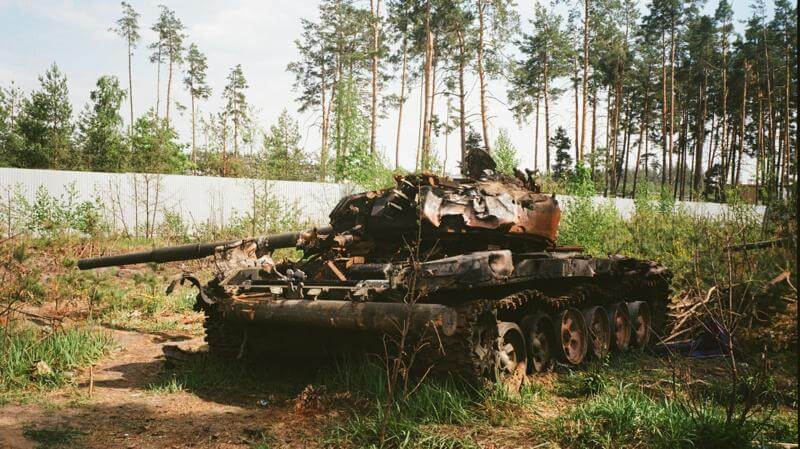
The Ukraine-Russia conflict has entered a critical phase where military casualty rates directly impact European economic stability and cross-border e-commerce operations. Ukrainian President Zelenskyy announced a strategic target of 50,000 Russian monthly losses (killed and severely wounded) by summer 2026—roughly double NATO's 2025 average—achieved through drone warfare that struck 819,737 targets in the past year alone. With 35,000 confirmed Russian casualties in December 2025 (up from 30,000 in November and 26,000 in October), Ukraine is systematically degrading Russia's reinforcement capacity to force negotiation. This casualty trajectory has triggered heightened European scrutiny on recruitment practices and military sustainability, as sustained losses could severely constrain Russia's ability to replace troops without formal mobilization.
For cross-border sellers, this conflict creates a dual supply-chain disruption: (1) Eastern European Manufacturing Constraints: Countries like Poland, Romania, and Hungary—critical sourcing hubs for electronics, textiles, and components—face labor shortages as military recruitment accelerates. European governments monitoring recruitment challenges signals potential workforce reallocation from commercial sectors to defense industries. (2) Consumer Spending Volatility: The Bloomberg report emphasizes geopolitical implications affecting labor markets, economic productivity, and regional stability across Eastern and Central Europe. Prolonged conflict uncertainty depresses consumer confidence in affected regions, reducing demand for discretionary e-commerce categories (fashion, home goods, electronics) while increasing demand for essential supplies and security-related products.
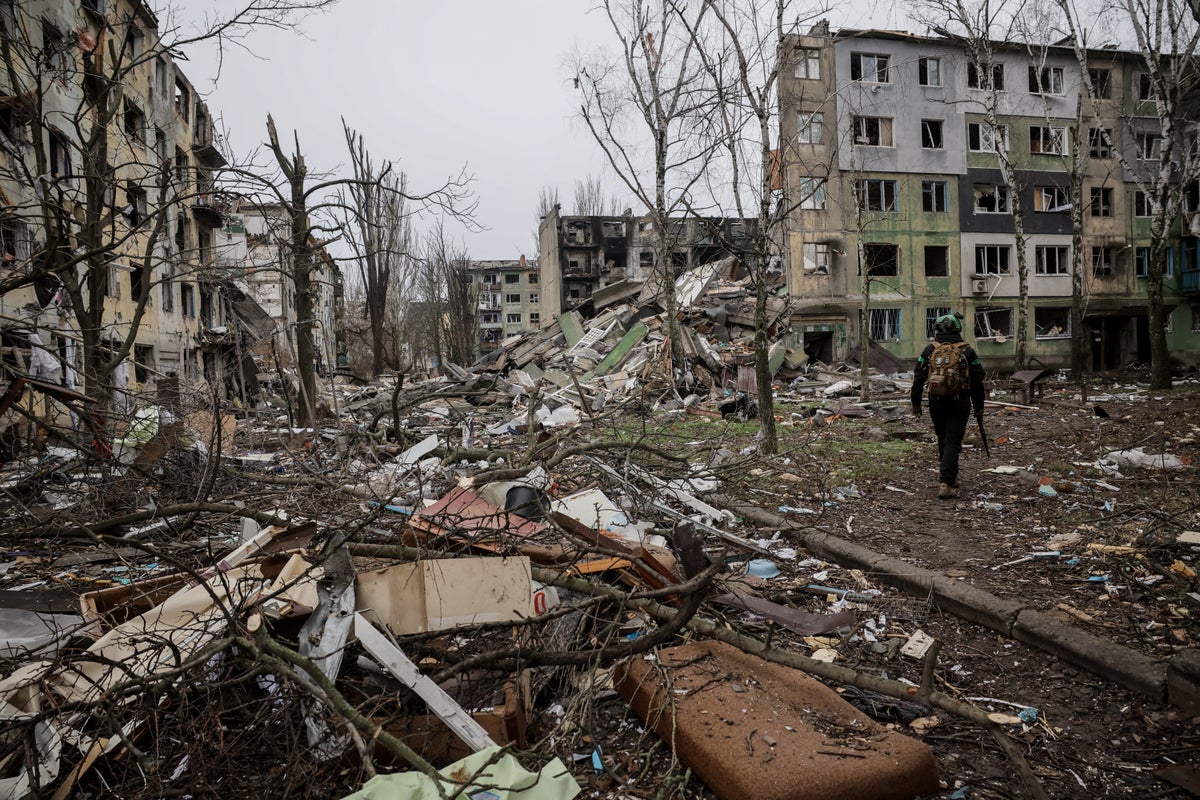
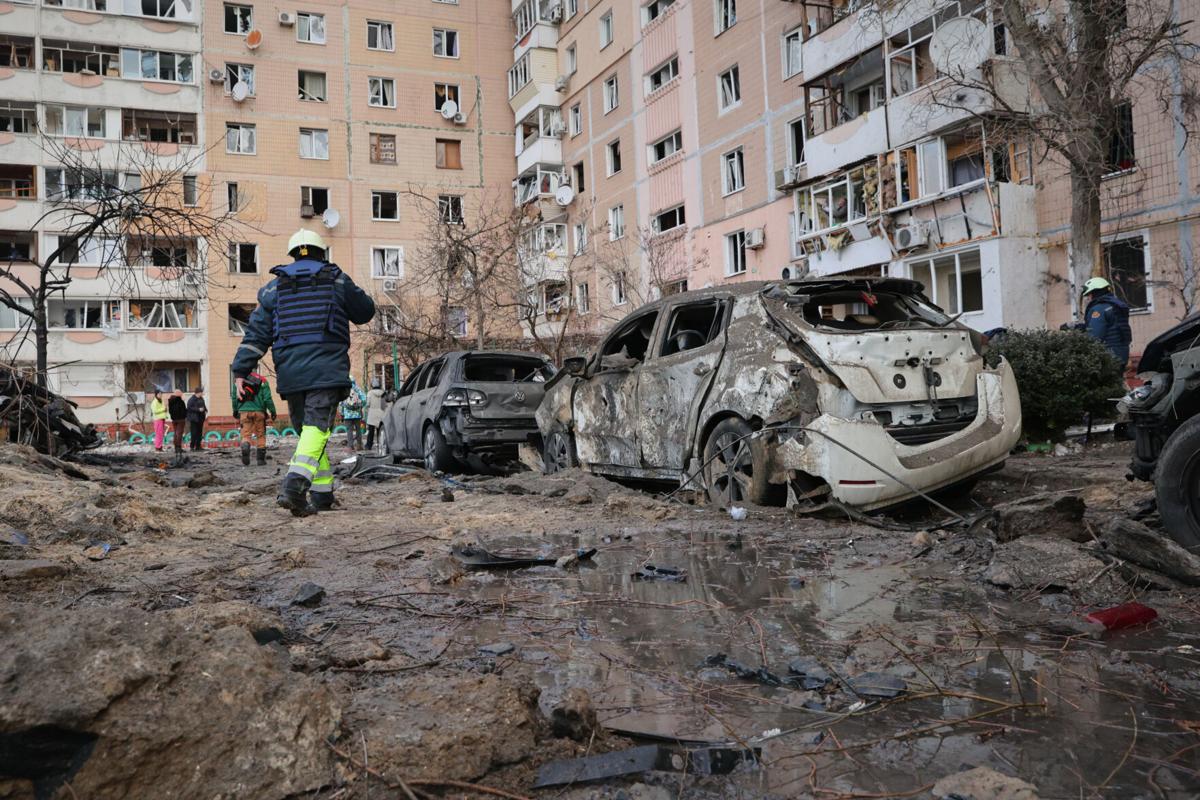
Specific seller implications: Sellers sourcing from Ukraine (textiles, machinery, agricultural products) face 19.3% territorial disruption as Russia controls contested regions. The January 18, 2025 assault leaving 1.2 million homes without power demonstrates infrastructure vulnerability affecting logistics hubs and manufacturing capacity. Sellers with 3PL operations in Poland, Czech Republic, or Hungary should anticipate 8-15% labor cost increases as military recruitment competes for workforce. European sellers targeting Eastern European markets should diversify inventory toward essential categories (medical supplies, emergency equipment, food preservation) while reducing exposure to discretionary goods. The deadlocked Abu Dhabi ceasefire negotiations indicate prolonged conflict ahead, extending supply-chain disruption through 2026 and beyond.
問題 7
How does drone warfare technology adoption affect supply chain security and product sourcing?
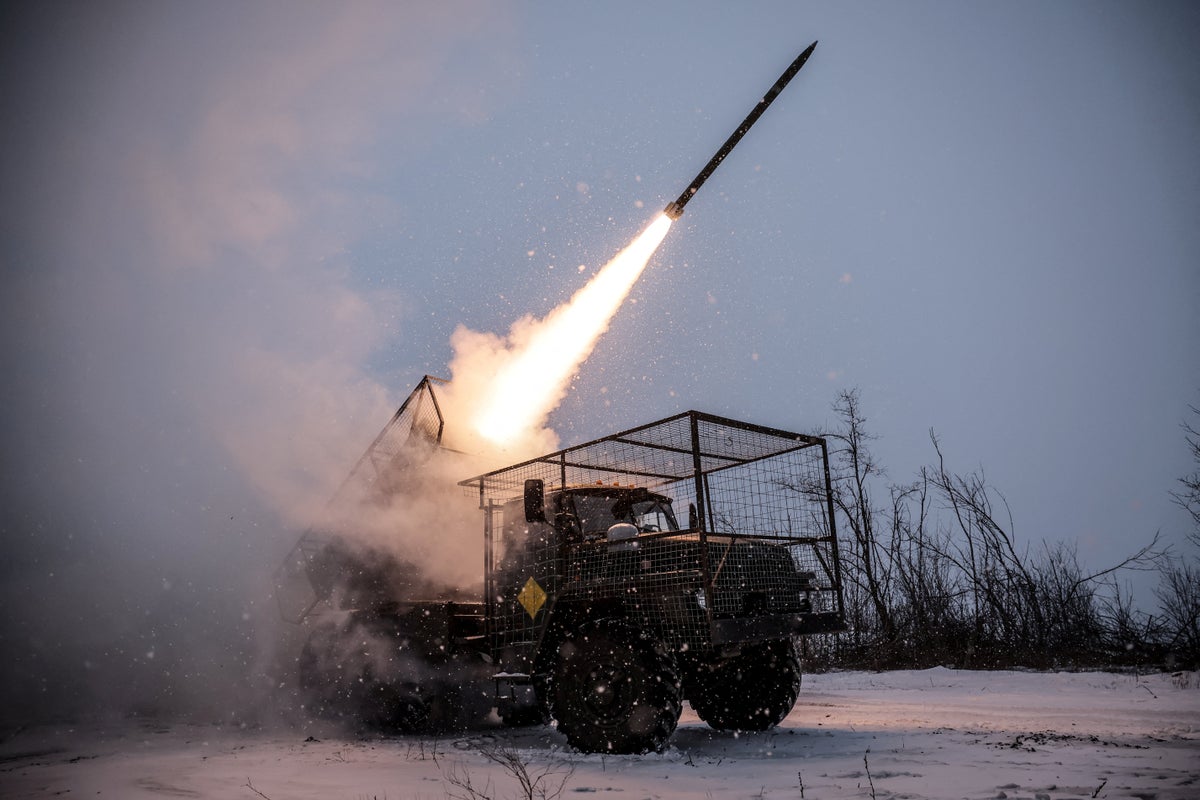
Ukraine's drone strategy (819,737 targets struck in one year, 80% of battlefield targets) demonstrates rapid militarization of commercial drone technology. This signals potential dual-use export restrictions on drone components and electronics used in autonomous systems. Sellers sourcing electronics, semiconductors, or components from Eastern Europe should verify supply chains don't include restricted materials. Additionally, increased military demand for drone components may inflate prices for commercial electronics by 5-10%. Review supplier contracts for force majeure clauses covering military procurement and potential export restrictions on technology products.
What infrastructure vulnerabilities should sellers monitor in Eastern European logistics hubs?
The January 18, 2025 Russian assault deployed 375 drones and 21 missiles, leaving 1.2 million homes without power—demonstrating critical infrastructure vulnerability. Sellers should identify their 3PL warehouse locations relative to power grids, telecommunications infrastructure, and transportation hubs in Poland, Romania, and Hungary. Facilities within 50km of borders or major infrastructure face elevated risk. Implement backup power systems (generators, UPS), redundant internet connectivity, and alternative transportation routes. Request infrastructure resilience certifications from 3PL providers and establish contingency warehousing in less vulnerable regions (southern Poland, central Romania).