



U.S. Government Shutdown & ICE Reform Impact Supply Chain Stability for E-Commerce Sellers
- Partial shutdown affects labor markets and logistics; two-week DHS funding pause creates operational uncertainty for sellers relying on U.S. fulfillment infrastructure



































概览
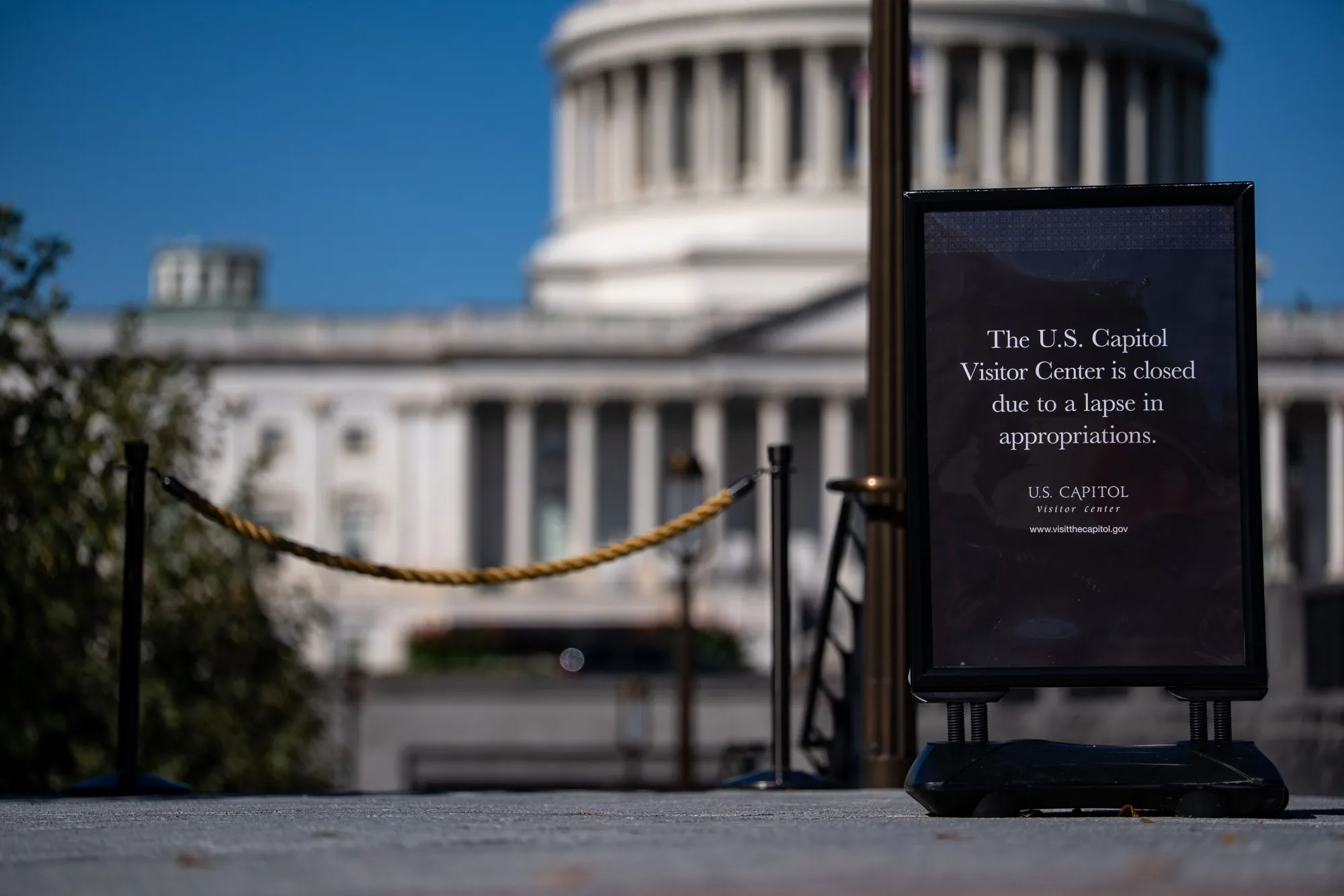
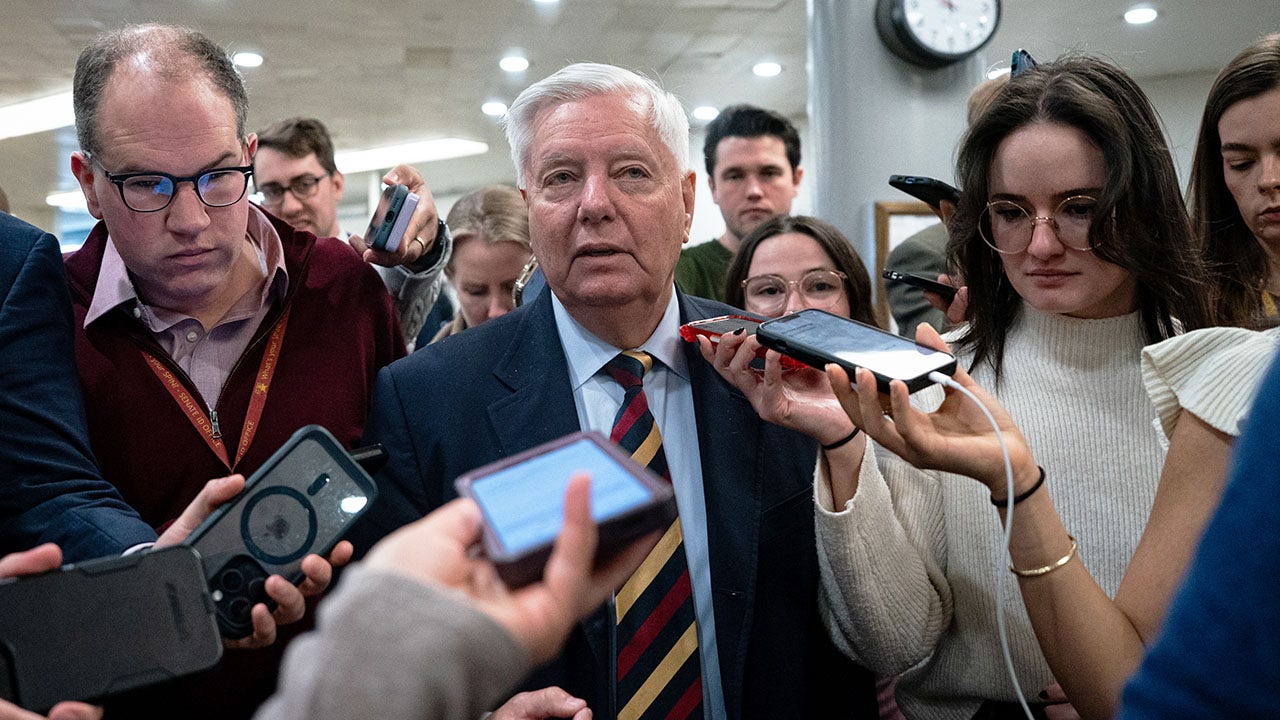
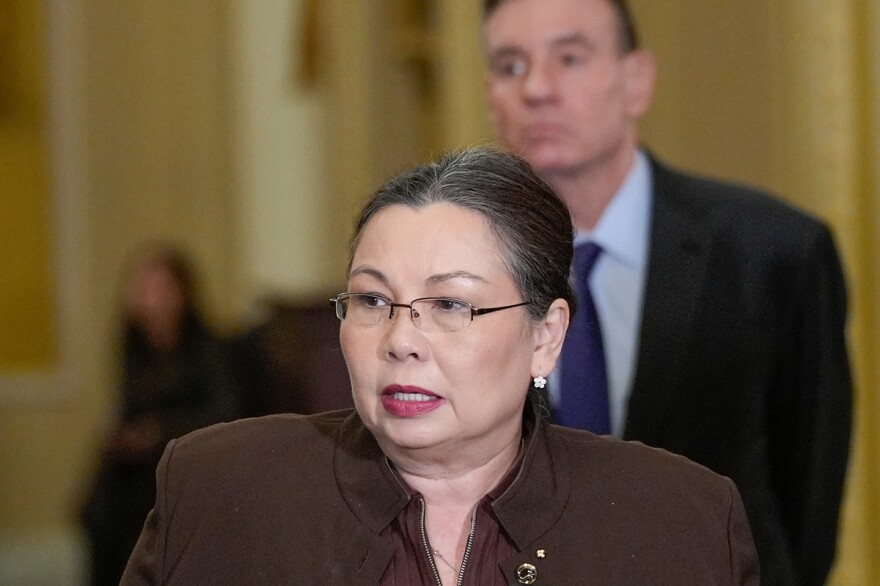
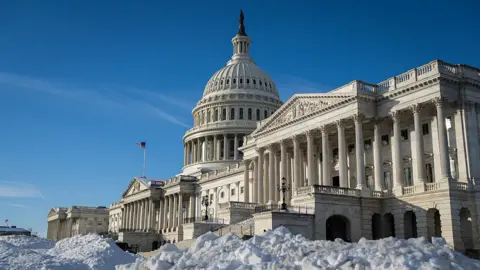
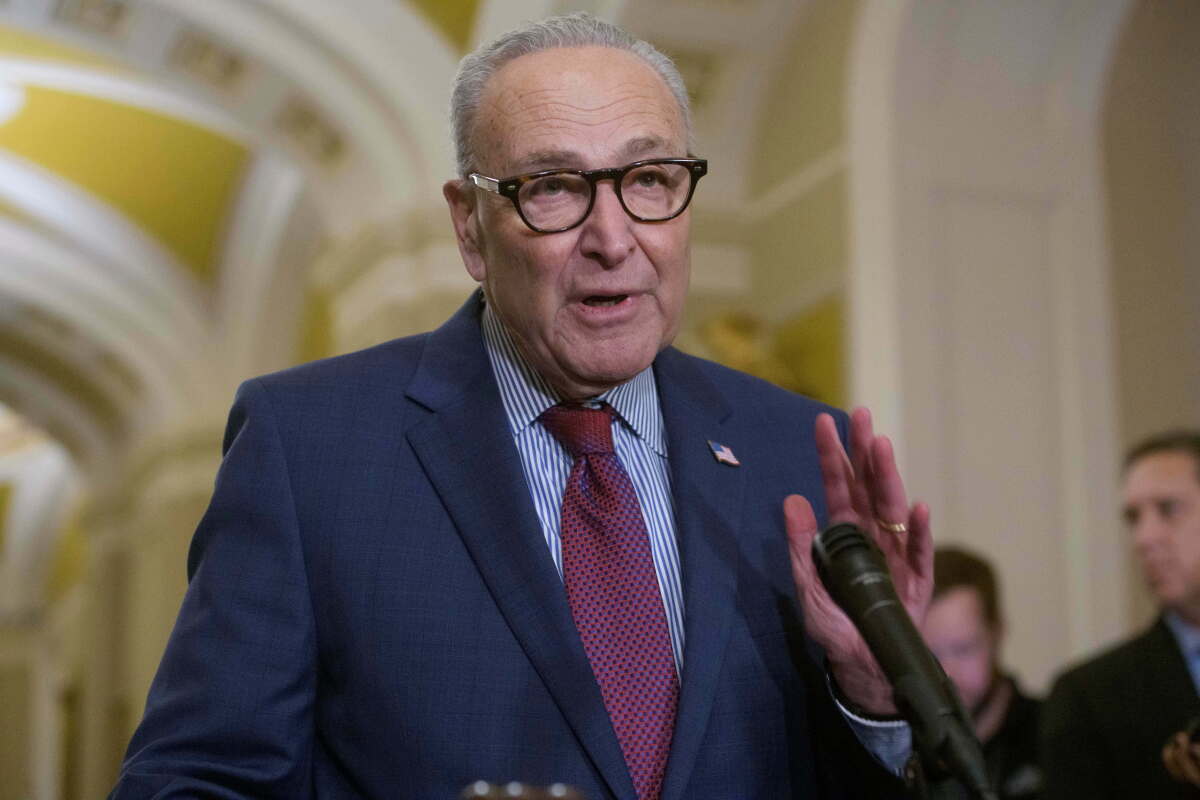
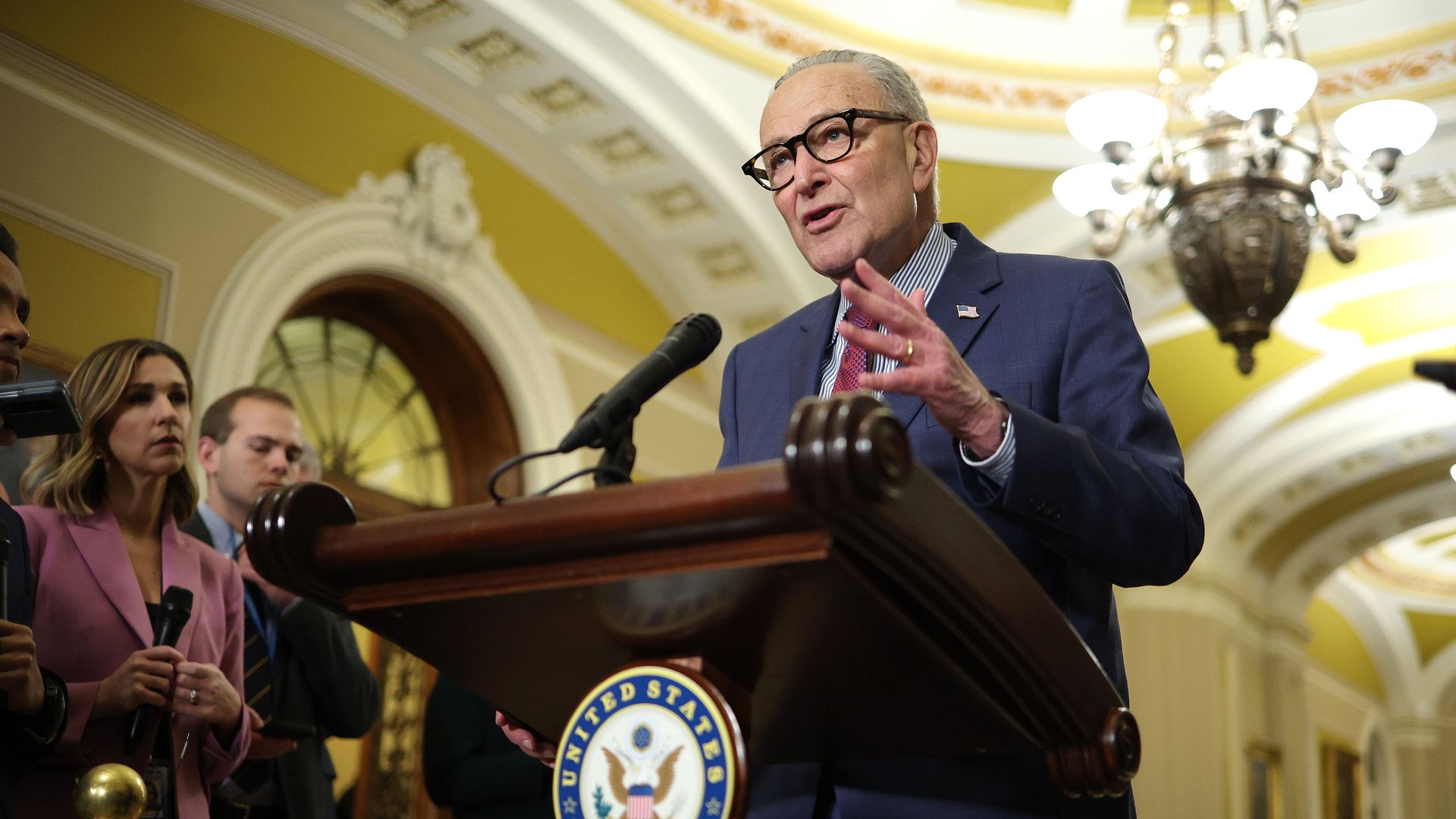
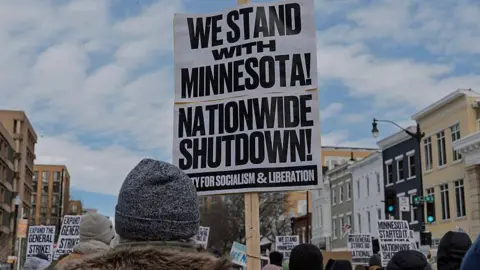
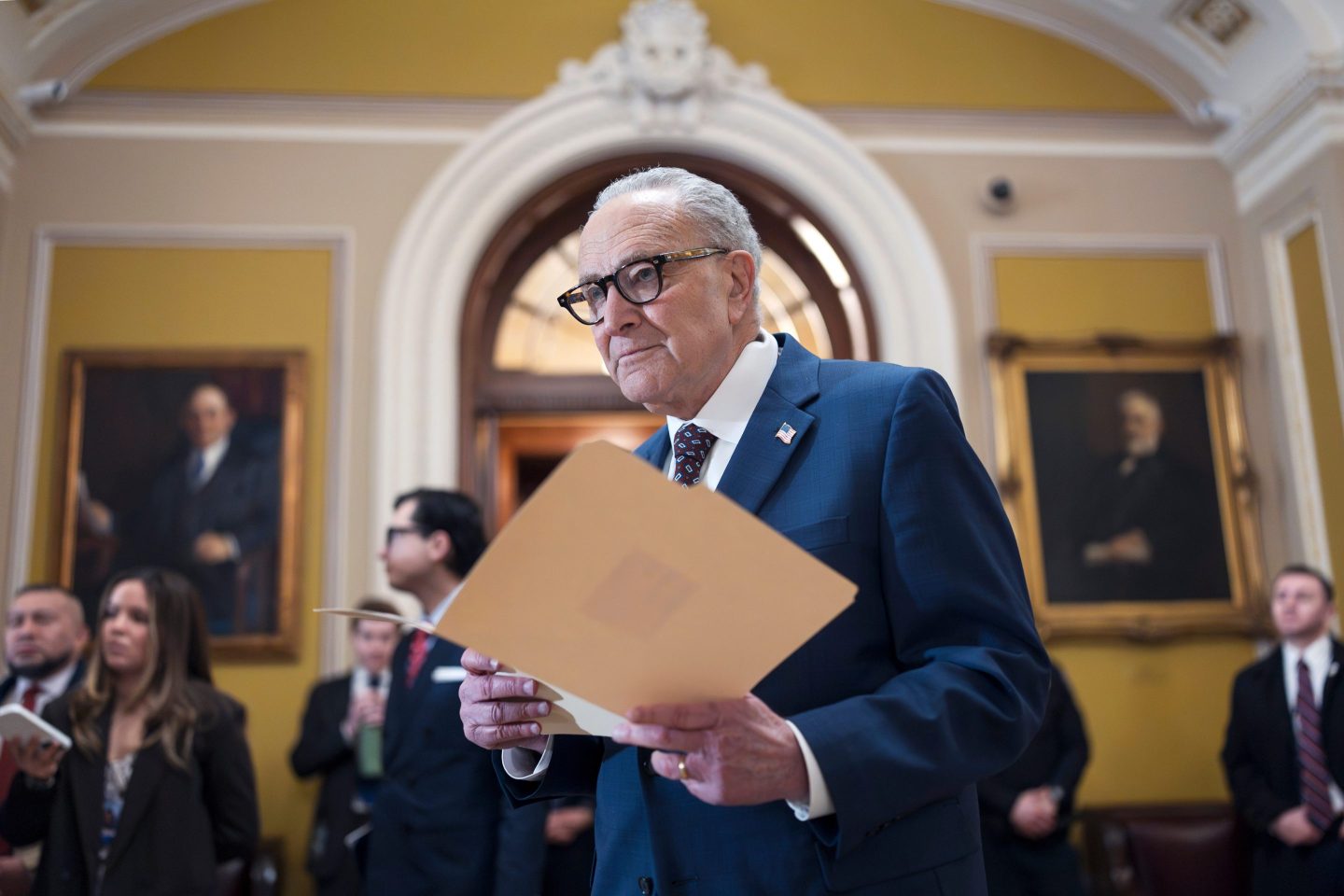
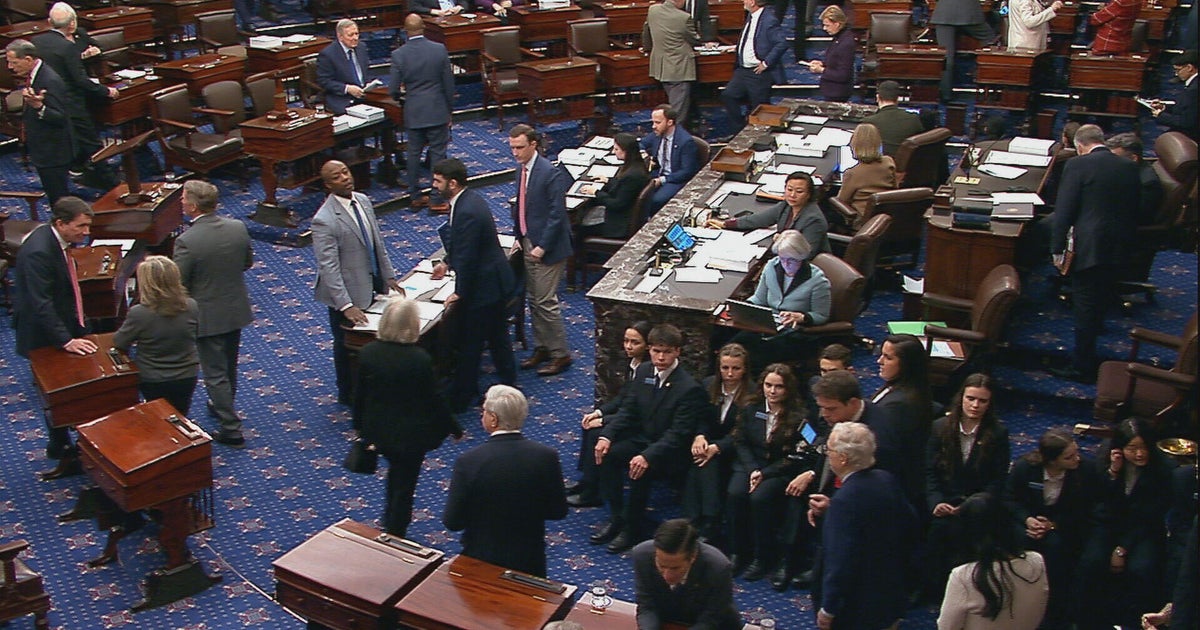
The U.S. government entered a partial shutdown beginning January 25-31, 2026, centered on Department of Homeland Security (DHS) funding disputes following fatal shootings by federal immigration agents in Minneapolis. The Senate passed a bipartisan compromise on January 30, 2026, funding most federal agencies through September 2026 while imposing a critical two-week funding pause for DHS to allow negotiations on immigration enforcement restrictions. This political standoff carries significant implications for cross-border e-commerce sellers, particularly those dependent on U.S.-based fulfillment networks and labor-intensive logistics operations.
Labor Market Stability and Supply Chain Continuity: The shutdown reflects broader regulatory volatility affecting workforce availability in warehousing, fulfillment, and transportation sectors. Democratic demands for ICE reform—including mandatory body cameras, restrictions on roving patrols, and bans on aggressive enforcement tactics—signal a potential shift toward more stable immigration enforcement. For sellers operating 3PL networks and fulfillment centers across the U.S., reduced ICE enforcement could stabilize labor markets by decreasing operational disruptions and reducing uncertainty in hiring decisions. Conversely, the two-week funding window creates near-term planning challenges. ICE received $75 billion from the One Big Beautiful Bill Act (2025), providing operational funding independent of the shutdown, meaning enforcement activities may continue despite the funding lapse.
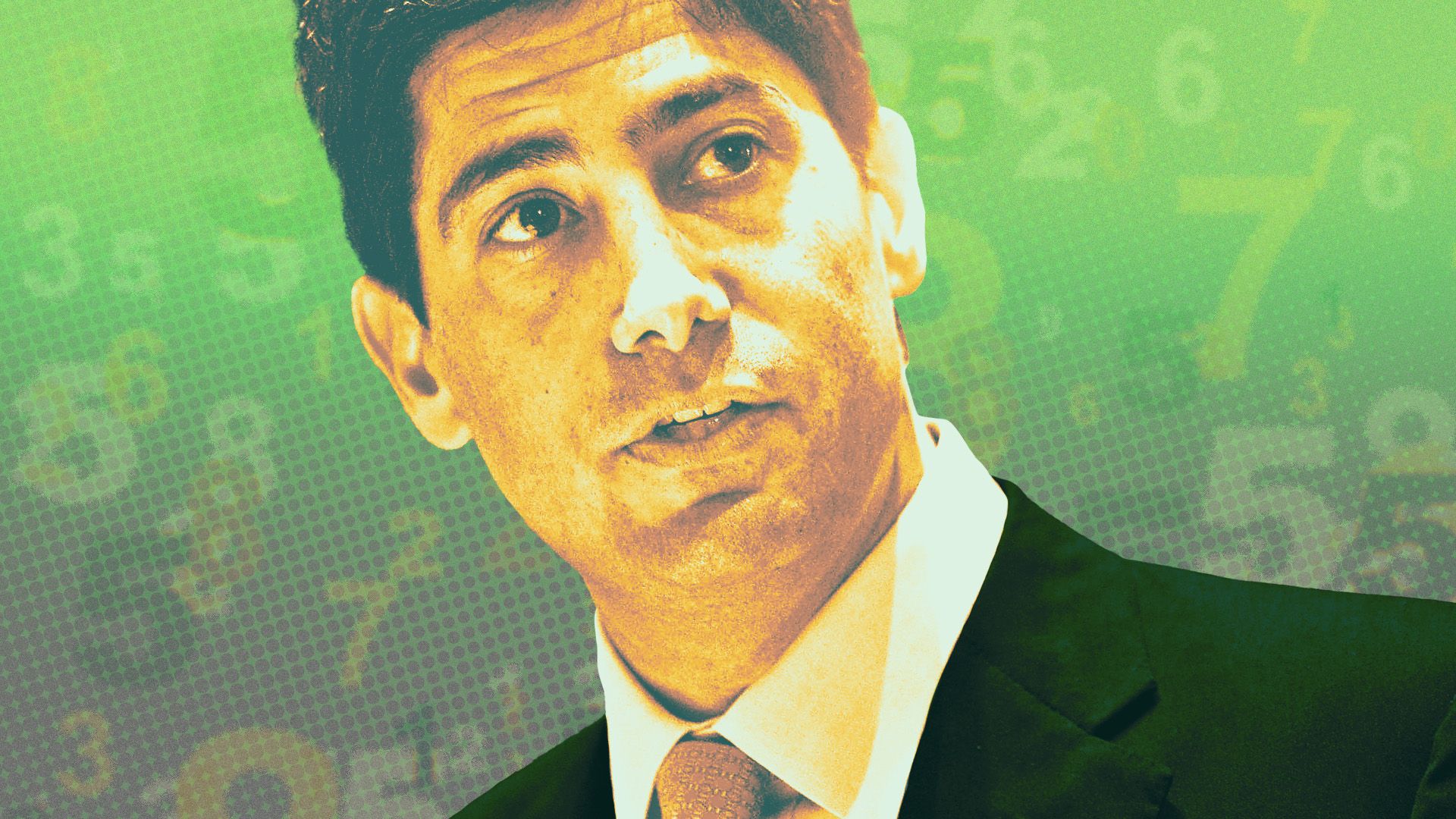
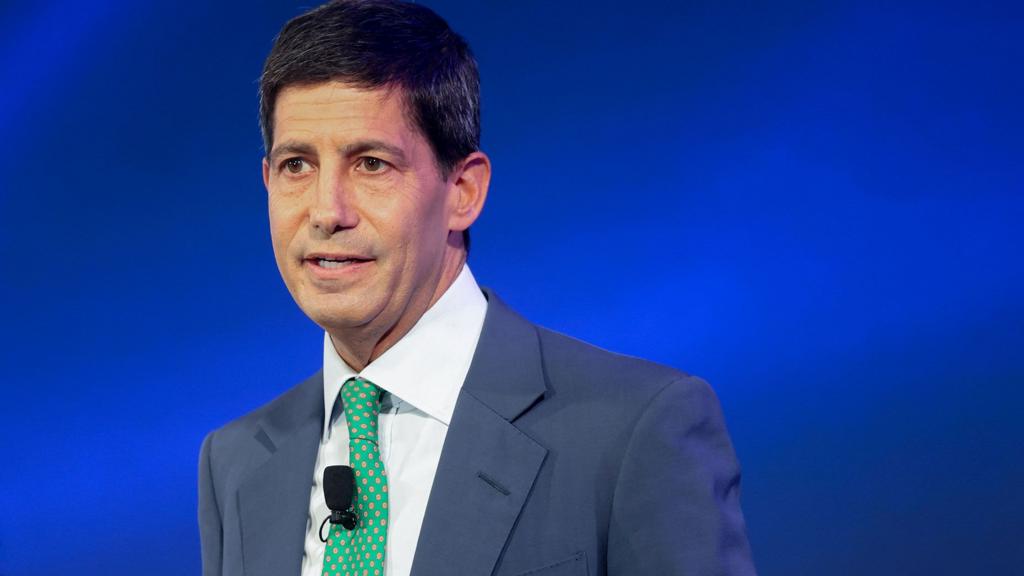
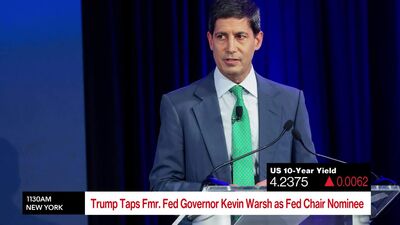
Economic Uncertainty and Consumer Spending: The shutdown's broader economic impact remains limited according to Bipartisan Policy Center economist Rachel Snyderman, with critical functions continuing and Social Security, unemployment, and SNAP benefits uninterrupted. However, the second significant funding lapse in recent months (following a record 43-day shutdown in October 2025) reflects persistent political instability. Federal Reserve leadership changes—Kevin Warsh's nomination as Fed Chair (confirmed January 30, 2026, with May 2026 succession) introduces an "inflation hawk" perspective that could influence interest rates, currency exchange rates, and consumer credit availability. For sellers managing currency exposure or relying on business credit, these monetary policy shifts warrant monitoring through early 2026 confirmation proceedings.
Operational Planning Implications: The Commerce Department remains fully funded through September 2026, minimizing direct disruption to trade enforcement or customs operations. However, Transportation Department funding uncertainty could affect air traffic control operations and logistics networks. The FAA received new hiring investments in the compromise bill, suggesting continued infrastructure support. Sellers should monitor the two-week DHS negotiation window (ending mid-February 2026) for final immigration enforcement policy outcomes, as these will directly influence labor costs, supply chain reliability, and fulfillment center operations through 2026. The political compromise demonstrates how public pressure can reshape enforcement priorities rapidly—a pattern sellers should expect to continue affecting regulatory predictability.
問題 8
How does the government shutdown affect e-commerce sellers' fulfillment operations?
The partial shutdown creates near-term uncertainty for sellers relying on U.S. fulfillment infrastructure, particularly regarding labor market stability. While the Commerce Department remains fully funded through September 2026, Transportation Department funding uncertainty could affect air traffic control and logistics networks. More significantly, the two-week DHS funding pause (ending mid-February 2026) will determine immigration enforcement policy direction. Reduced ICE enforcement could stabilize labor markets in warehousing and fulfillment sectors, potentially lowering operational disruptions. Sellers should monitor the DHS negotiation outcome, as final immigration policy will directly influence labor costs and supply chain reliability through 2026.
How will ICE reform negotiations impact labor availability for fulfillment centers?
Democratic demands for ICE reform include mandatory body cameras, restrictions on roving patrols, and bans on aggressive enforcement tactics targeting suspected undocumented immigrants. These restrictions could stabilize labor markets by reducing operational disruptions in warehousing and transportation sectors. However, ICE received $75 billion from the One Big Beautiful Bill Act (2025), providing operational funding independent of the shutdown, meaning enforcement activities may continue despite the funding lapse. Sellers should expect labor market stabilization if reform measures pass, potentially reducing hiring uncertainty and operational disruptions. The two-week negotiation window (ending mid-February 2026) will determine final policy outcomes affecting labor costs and supply chain reliability.