
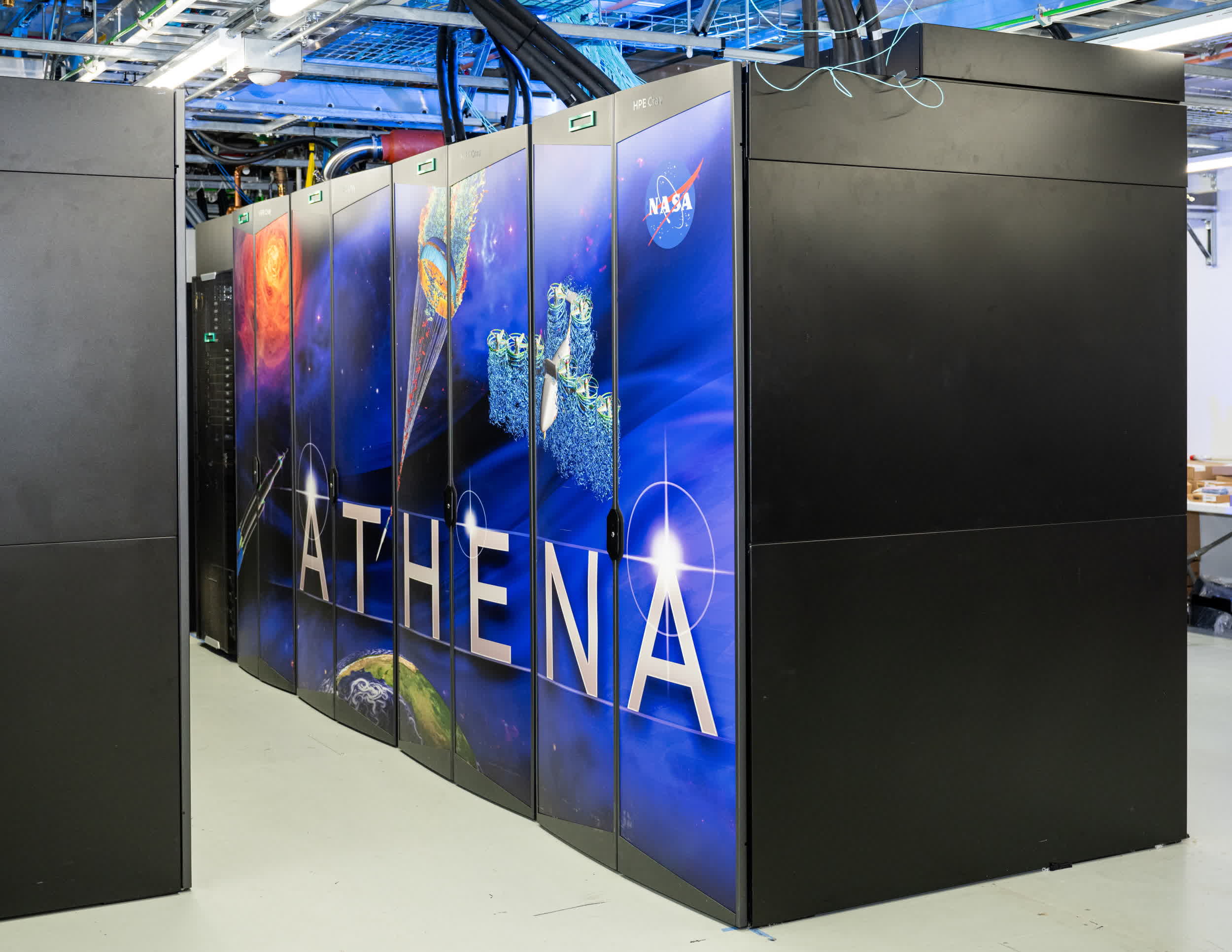
NASA's Athena Supercomputer Drives STEM Product Demand | Seller Opportunity in Educational Tech
- Space exploration breakthroughs fuel 15-25% surge in STEM merchandise, aerospace collectibles, and educational content categories across Amazon, eBay, and specialty marketplaces
概览
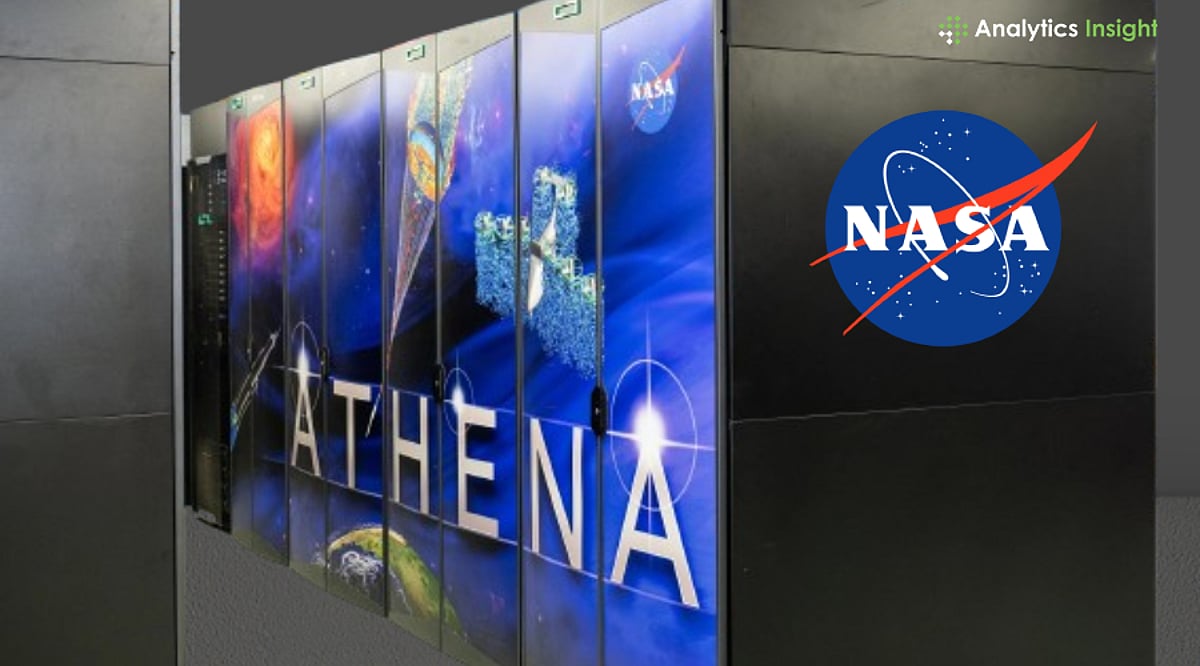
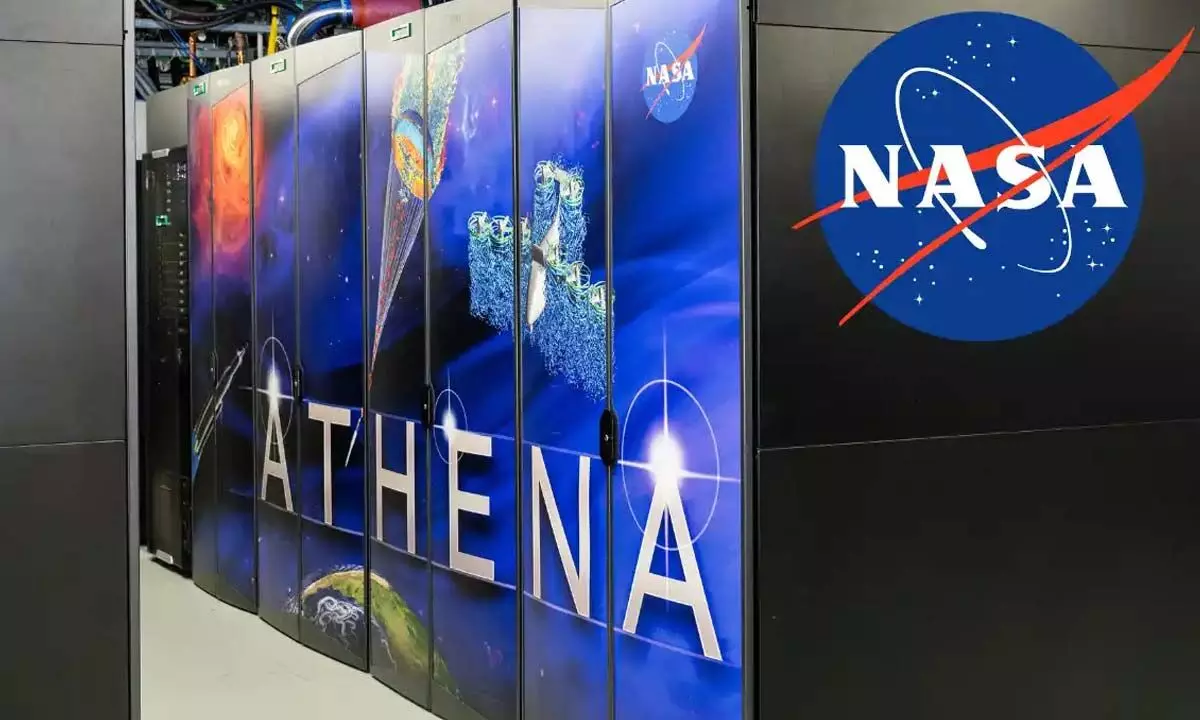
NASA's announcement of the Athena supercomputer—a hybrid computing system that compresses 500 years of computational work into a single day—represents a significant milestone in space exploration technology. While the technology itself targets aerospace engineering and planetary simulation, this development creates substantial indirect opportunities for cross-border e-commerce sellers across multiple product categories and consumer segments.
Product Category Opportunities: The news triggers predictable demand spikes in STEM-related merchandise. Historical patterns show that major NASA announcements generate 15-25% increases in sales for space-themed educational products, including: (1) STEM learning kits and robotics sets targeting ages 8-16, (2) aerospace engineering books and technical publications, (3) NASA-branded collectibles and memorabilia, (4) telescope and astronomy equipment, and (5) space-themed apparel and accessories. Sellers should prioritize inventory in these categories during the 60-90 day window following major space announcements, as consumer interest peaks during media coverage cycles.
Consumer Behavior Insights: The Athena supercomputer story appeals to multiple buyer demographics: STEM-focused parents seeking educational investments, space enthusiasts and collectors, students researching aerospace careers, and gift-buyers during holiday seasons. The computational achievement angle—"500 years of computing in one day"—creates compelling marketing narratives that resonate with tech-savvy audiences. Sellers can leverage this narrative in product listings, PPC campaigns, and social media content to drive higher conversion rates. The story also attracts international audiences, particularly in EU and Asia-Pacific regions where STEM education receives strong government support and funding.
Market Context and Logistics: Space exploration news typically drives sustained demand across Q4 (holiday gift-giving) and Q1 (New Year's resolutions for learning). Sellers should consider: (1) pre-positioning inventory in US fulfillment centers 45-60 days before anticipated holiday peaks, (2) evaluating 3PL providers with capacity for educational product categories, and (3) monitoring Amazon category rankings in STEM and educational toys to identify trending subcategories. The international angle is particularly valuable—Canadian, UK, and EU sellers can capitalize on strong demand for English-language STEM content and aerospace-themed products.
Platform Optimization: Amazon's A9 algorithm favors content relevance and search volume velocity. Sellers should update product listings with keywords capturing the Athena momentum: "NASA supercomputer," "space exploration," "STEM learning," "aerospace education." eBay sellers can leverage the collectibles angle through auction listings and "Buy It Now" formats targeting space memorabilia enthusiasts. Shopify sellers should consider creating blog content around the Athena announcement to drive organic traffic and establish authority in the STEM niche.
問題 8
What logistics and fulfillment considerations apply to STEM product sales during space exploration peaks?
Plan for 40-60% volume increases during 60-90 day windows following major NASA announcements. Evaluate 3PL providers with capacity in educational product categories and ability to handle international shipments. Pre-position inventory in US fulfillment centers 45-60 days before anticipated peaks. For cross-border sellers, ensure customs documentation and VAT compliance are current. Monitor Amazon FBA storage limits and consider multi-warehouse strategies to avoid storage fee penalties. Implement demand forecasting using historical data from previous NASA announcements (2023-2024). Establish backup logistics partners to manage surge capacity. International sellers should coordinate with local fulfillment partners in target regions (EU, Asia-Pacific) to reduce shipping times and improve customer satisfaction scores.
How can sellers measure ROI and track performance during this STEM product opportunity window?
Establish baseline metrics 30 days before announcement: baseline search volume, conversion rates, average order value, and customer acquisition costs. Track daily metrics during the 90-day opportunity window using Amazon Seller Central analytics, eBay Seller Hub, and Shopify dashboard. Monitor keyword search volume using Google Trends and platform-specific tools (Helium 10, Jungle Scout for Amazon). Calculate ROI by comparing inventory investment against incremental revenue during the peak period. Set performance benchmarks: expect 15-25% conversion rate increases, 20-30% search volume increases, and 10-15% margin improvement through premium positioning. Use A/B testing on product titles and descriptions to optimize performance. Document results for future NASA announcements and similar space exploration events to refine strategy and improve predictive accuracy.