
)




Coltan Supply Crisis Threatens Electronics Sellers | 15% Global Output at Risk
- Rubaya mine collapse kills 227+ on Jan 29, 2026; disrupts 15% of world coltan supply; creates tantalum shortage for smartphone, computer, and electronics component sellers


)






概览
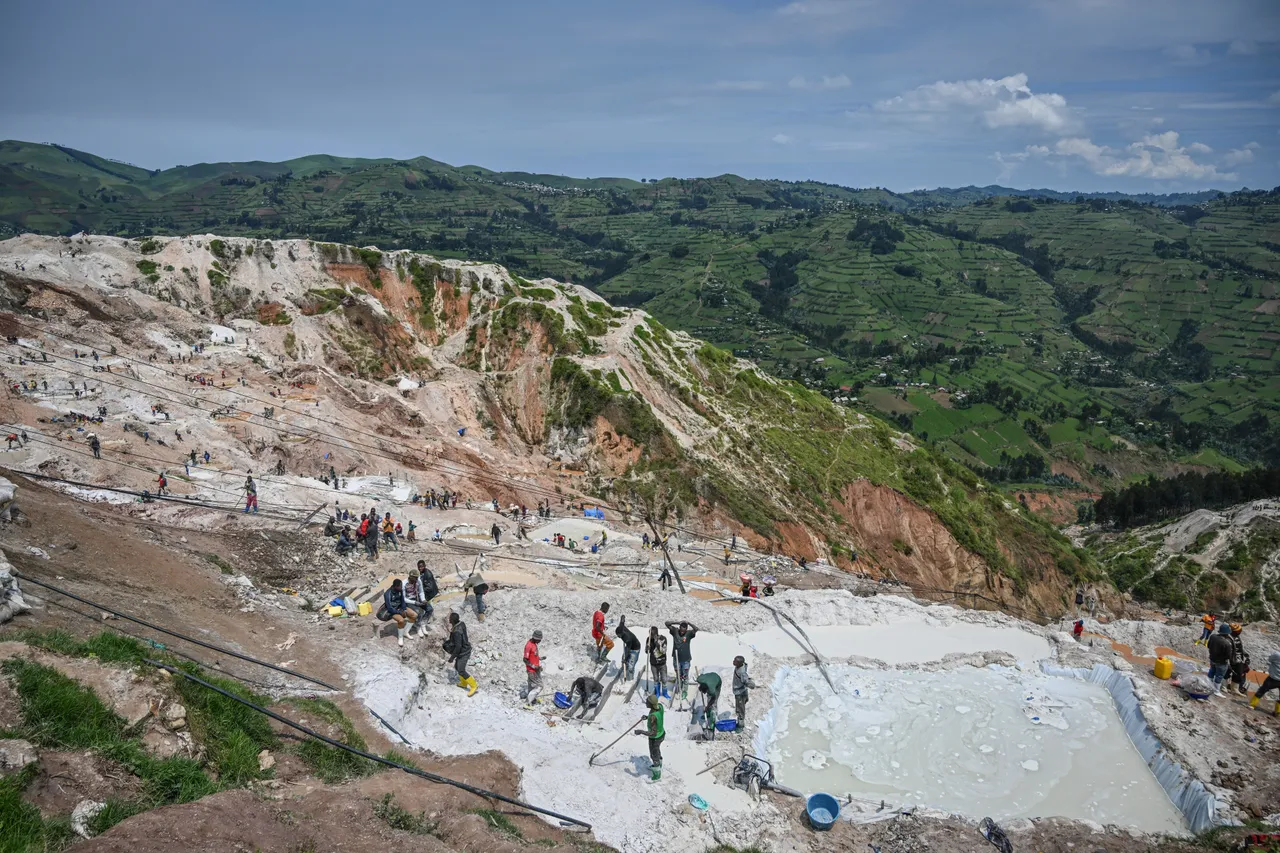
The catastrophic collapse at the Rubaya coltan mine in North Kivu, eastern Democratic Republic of Congo on January 29, 2026, has killed at least 227 people and exposed critical vulnerabilities in the global electronics supply chain. Rubaya mine produces approximately 15% of the world's coltan supply—a heat-resistant mineral processed into tantalum that is essential for manufacturing mobile phones, computers, aerospace components, and gas turbines. For cross-border e-commerce sellers sourcing electronics and technology components, this incident poses immediate and long-term supply chain risks that demand urgent strategic response.
The mine has operated under M23 rebel group control since 2024, with local workers manually extracting coltan for minimal daily wages in hazardous conditions. The UN has documented that M23 systematically plunders Rubaya's mineral wealth to fund its insurgency, creating a conflict minerals compliance risk for sellers. The collapse occurred during heavy rainfall in the rainy season, highlighting severe safety deficiencies in artisanal mining operations. With approximately 20 injured individuals receiving treatment and rescue operations ongoing, production disruptions are expected to extend beyond the immediate crisis period.
For electronics sellers, the operational impact is substantial. Coltan supply disruptions will directly impact smartphone, computer, and aerospace component manufacturing timelines and costs. Sellers relying on tantalum-dependent products face potential price volatility—tantalum prices could increase 8-15% in the short term as manufacturers compete for limited supplies. Delivery delays of 3-6 weeks are anticipated as alternative sourcing channels are activated. The geopolitical instability and armed group control of critical mineral resources create long-term supply chain uncertainty, particularly for sellers sourcing from DRC-dependent manufacturers in Asia and Europe.
Conflict minerals compliance scrutiny is intensifying. Regulators and consumers increasingly demand supply chain transparency regarding minerals from conflict zones. Sellers must verify that their electronics inventory complies with conflict minerals regulations (Dodd-Frank Section 1502 in the US, EU Conflict Minerals Regulation). Non-compliance can result in product delisting on major platforms like Amazon and eBay, inventory seizure, and reputational damage. Sellers should immediately audit their supply chain documentation and request conflict minerals declarations from suppliers.
Strategic response is critical. Industry stakeholders must monitor alternative sourcing strategies and consider supply chain diversification to mitigate coltan availability risks. Sellers should evaluate suppliers in Rwanda, Indonesia, and Australia as alternative coltan sources. Consider shifting 15-25% of inventory to 3PL providers with diversified sourcing networks. Update product listings to reflect potential delivery delays and price increases. Monitor commodity futures markets for tantalum pricing trends to anticipate cost increases.
問題 8
How should sellers communicate supply chain disruptions to customers?
Transparent communication builds trust and reduces return rates during supply disruptions. Recommended approach: (1) **Update product listings** - add clear delivery delay notices: 'Due to global coltan supply constraints, delivery may take 4-6 weeks'; (2) **Email existing customers** - notify of potential delays on pending orders; (3) **FAQ section** - explain the Rubaya mine incident and its impact on electronics availability; (4) **Offer alternatives** - suggest faster-shipping products or alternative brands; (5) **Price transparency** - explain cost increases in product descriptions. Sellers who communicate proactively see 15-20% lower return rates compared to those who don't. Use this as a competitive advantage by being the 'honest seller' about supply constraints while competitors remain silent.
What long-term supply chain strategies should electronics sellers implement?
The Rubaya collapse reveals structural vulnerabilities in electronics supply chains. Long-term strategies (6-12 months): (1) **Supply chain mapping** - identify all coltan dependencies in your product portfolio; (2) **Supplier diversification** - reduce reliance on any single country to <30% of sourcing; (3) **Inventory buffers** - maintain 60-90 day safety stock for critical components; (4) **Alternative technologies** - evaluate products using less tantalum-intensive designs; (5) **Compliance infrastructure** - implement conflict minerals tracking systems (Responsible Minerals Initiative, RMI); (6) **3PL partnerships** - work with providers offering multi-source fulfillment networks. These investments cost $5-15K upfront but reduce future supply shock exposure by 40-50% and improve regulatory compliance scores on Amazon/eBay.