




UK-China Trade Thaw 2026 | Tariff Cuts & Market Access for Cross-Border Sellers
- Whisky tariff reductions signal broader bilateral trade liberalization; 10 new agreements create market entry windows for British exporters and cross-border sellers targeting China's 1.4B consumer market
)







概览
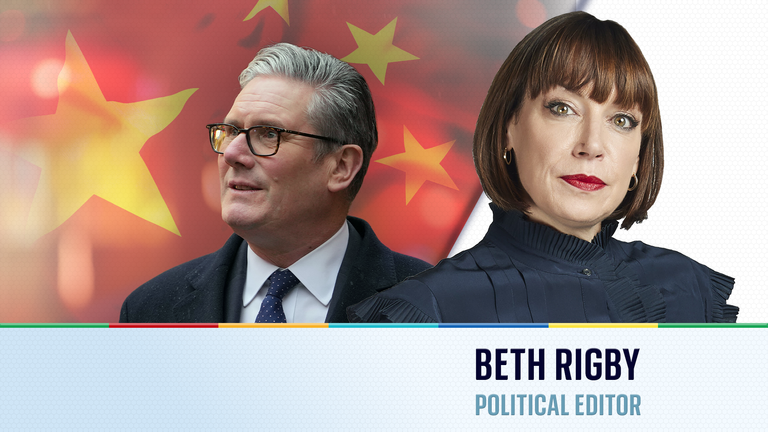
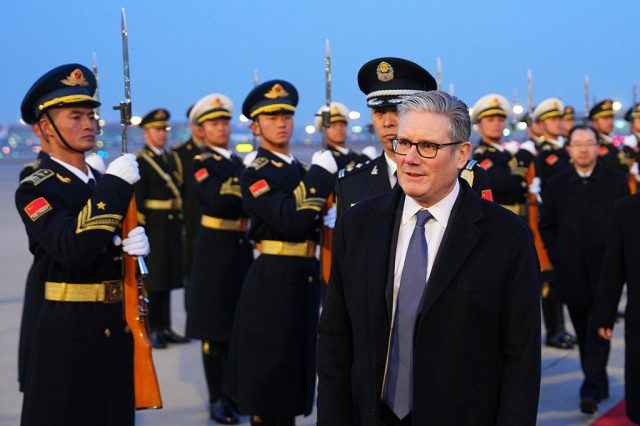
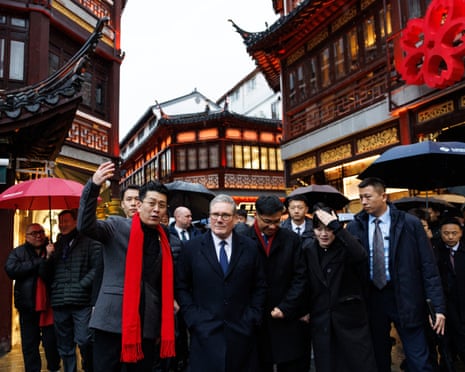
UK Prime Minister Keir Starmer's January 2026 China visit marks a pivotal inflection point for cross-border e-commerce sellers targeting British and Chinese markets. The first British PM visit since 2018 yielded concrete commercial outcomes: tariff reductions on British whisky, a visa waiver agreement, and ten bilateral trade agreements covering multiple sectors. For e-commerce sellers, this diplomatic thaw creates three immediate opportunities: (1) reduced tariff barriers on British premium goods entering China, (2) improved market access for Chinese manufacturers exporting to UK, and (3) visa facilitation enabling British entrepreneurs to establish supply chain relationships in China.
The whisky tariff reduction is the most quantifiable early indicator of broader trade liberalization. Spirits represent a $2.1B cross-border category globally, with British whisky commanding 35-40% margins in Asian markets. Tariff reductions directly compress import costs for Chinese importers and cross-border sellers, improving Buy Box competitiveness on platforms like Alibaba, JD.com, and Amazon China. The ten bilateral agreements signal Chinese willingness to reciprocate market access across sectors—potentially including consumer electronics, apparel, food & beverage, and luxury goods where British brands hold competitive advantages. However, officials cautioned these are "jam tomorrow deals," meaning implementation depends on sustained diplomatic momentum and Chinese bureaucratic follow-through.
Geopolitical context amplifies urgency for sellers. US President Trump's public criticism of Starmer's China engagement reflects broader US-China tensions, creating a narrow window where middle powers like Britain can negotiate favorable terms before US pressure intensifies. For cross-border sellers, this means tariff advantages and market access improvements may be temporary—lasting 6-18 months before potential US-led trade restrictions or Chinese reciprocal measures. Sellers should prioritize sourcing diversification from UK suppliers and establishing Chinese distribution partnerships within Q1 2026, before other competitors recognize the opportunity window.
Implementation risks remain significant. The article notes "uncertainty regarding tangible outcomes" from human rights discussions, suggesting potential future diplomatic friction. Chinese state entities control market access bureaucratically, meaning tariff reductions on paper may not translate to actual customs clearance improvements without sustained political goodwill. Sellers should monitor bilateral agreement implementation timelines and maintain contingency sourcing strategies in Vietnam, India, and Southeast Asia in case diplomatic momentum stalls.
問題 8
Should UK-based sellers prioritize exporting to China or importing from China post-agreement?
Both strategies offer distinct advantages. UK exporters benefit from tariff reductions on premium goods (whisky, luxury apparel, cosmetics) where British brands command 30-50% price premiums in Chinese markets. Tariff reductions improve competitiveness against French, German, and Italian competitors. Conversely, UK-based sellers importing from China benefit from reciprocal tariff reductions on electronics, apparel, and consumer goods—potentially reducing sourcing costs by 5-15% depending on category. The optimal strategy depends on seller positioning: (1) UK brand owners should prioritize China export opportunities; (2) UK-based importers/resellers should focus on sourcing cost optimization; (3) Sellers with dual operations should pursue both. The visa waiver agreement benefits both strategies equally by enabling supply chain management and market research travel.
How should sellers monitor and prepare for bilateral agreement implementation?
Sellers should establish monitoring protocols for three key information sources: (1) UK Department for Business and Trade announcements—official tariff schedules and implementation timelines; (2) Chinese Customs announcements—tariff code updates and clearance procedure changes; (3) Industry associations—British Chambers of Commerce in China and UK-China Business Council provide implementation guidance. Immediate actions: (1) Audit current sourcing and export operations by HS code to identify tariff-affected products; (2) Calculate margin impact of 2-5% tariff reductions by category; (3) Establish relationships with Chinese customs brokers and importers; (4) Review insurance and compliance requirements for China operations. Sellers should create a 90-day implementation timeline with checkpoints at 30, 60, and 90 days post-agreement announcement to track actual tariff changes and customs procedure updates. Risk: maintain contingency sourcing strategies in Vietnam and India in case implementation delays exceed 6 months.