
)

Myanmar Supply Chain Crisis 2026 | Cross-Border Sellers Face Port Closures & Market Collapse
- Kyaukphyu port access threatened by 6-year conflict escalation; 90,000+ conscripted troops disrupt manufacturing; sellers sourcing from Myanmar face 40-60% logistics cost increases



概览
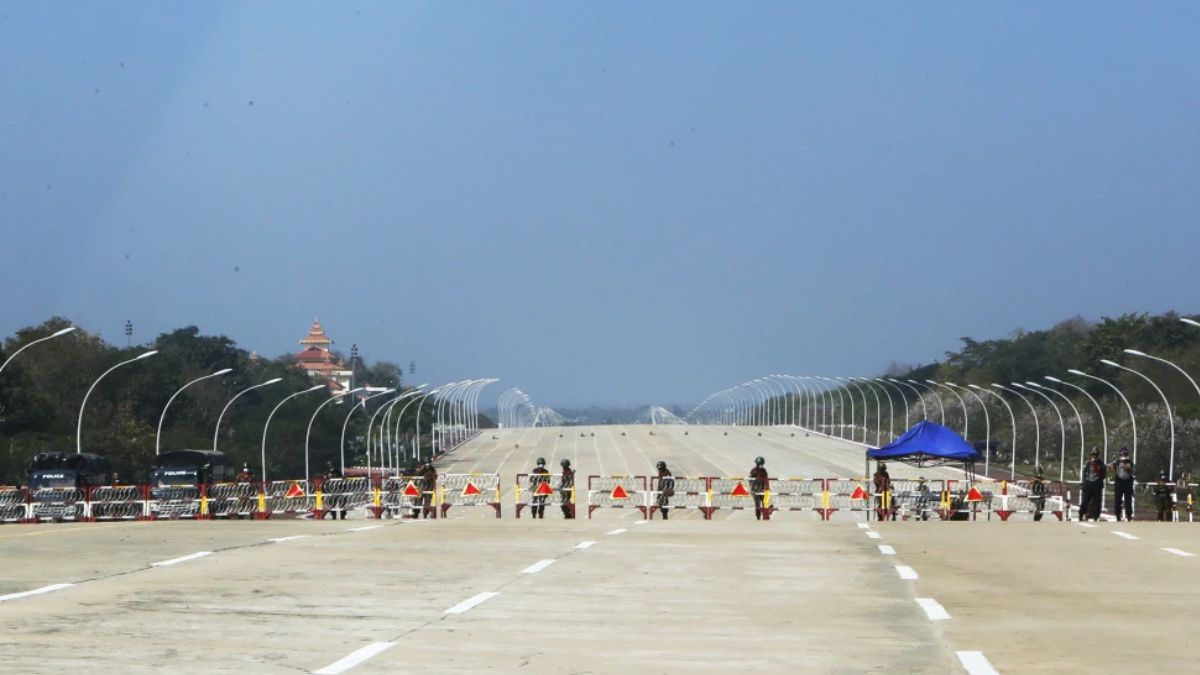
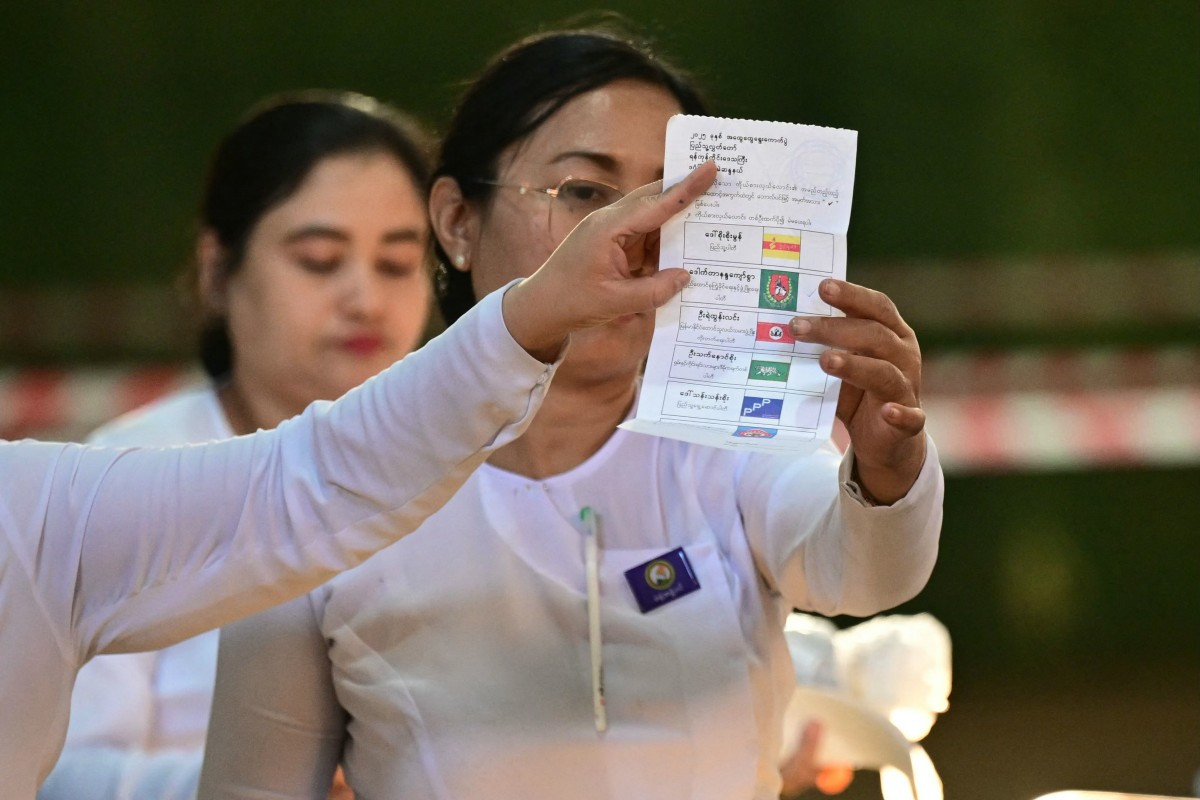
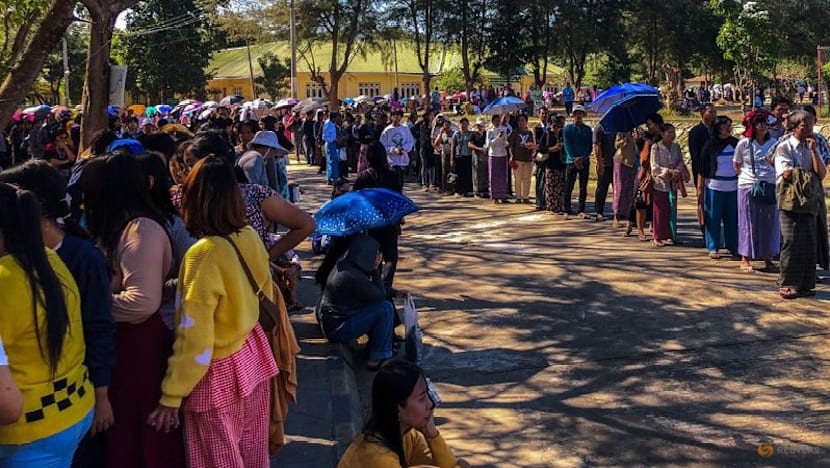
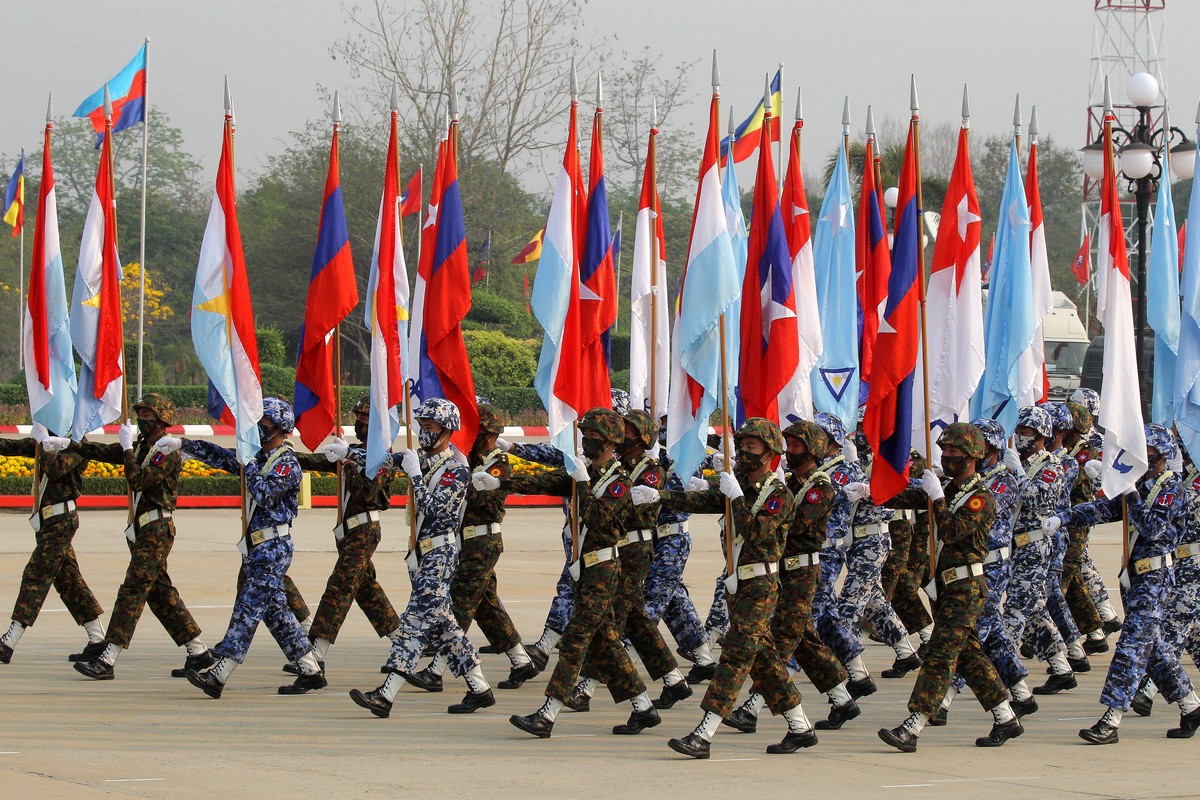
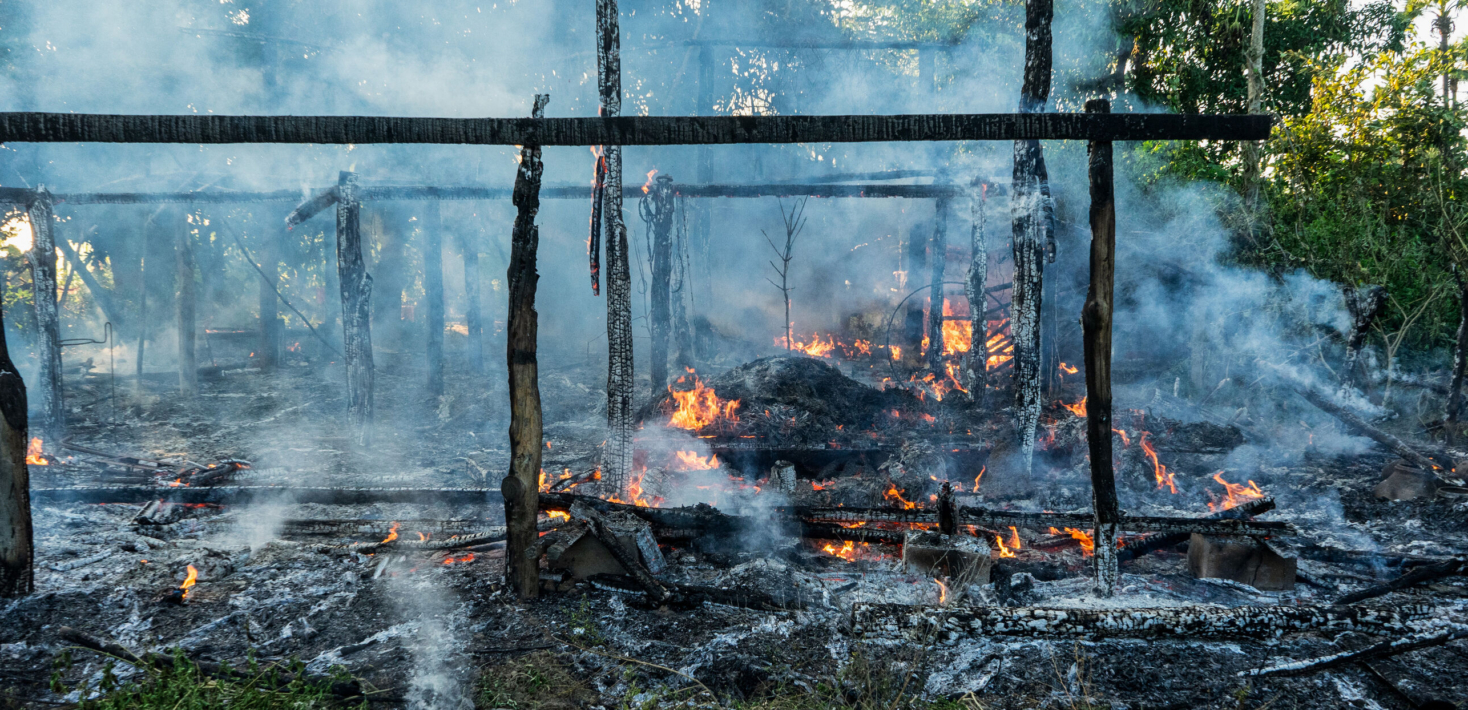
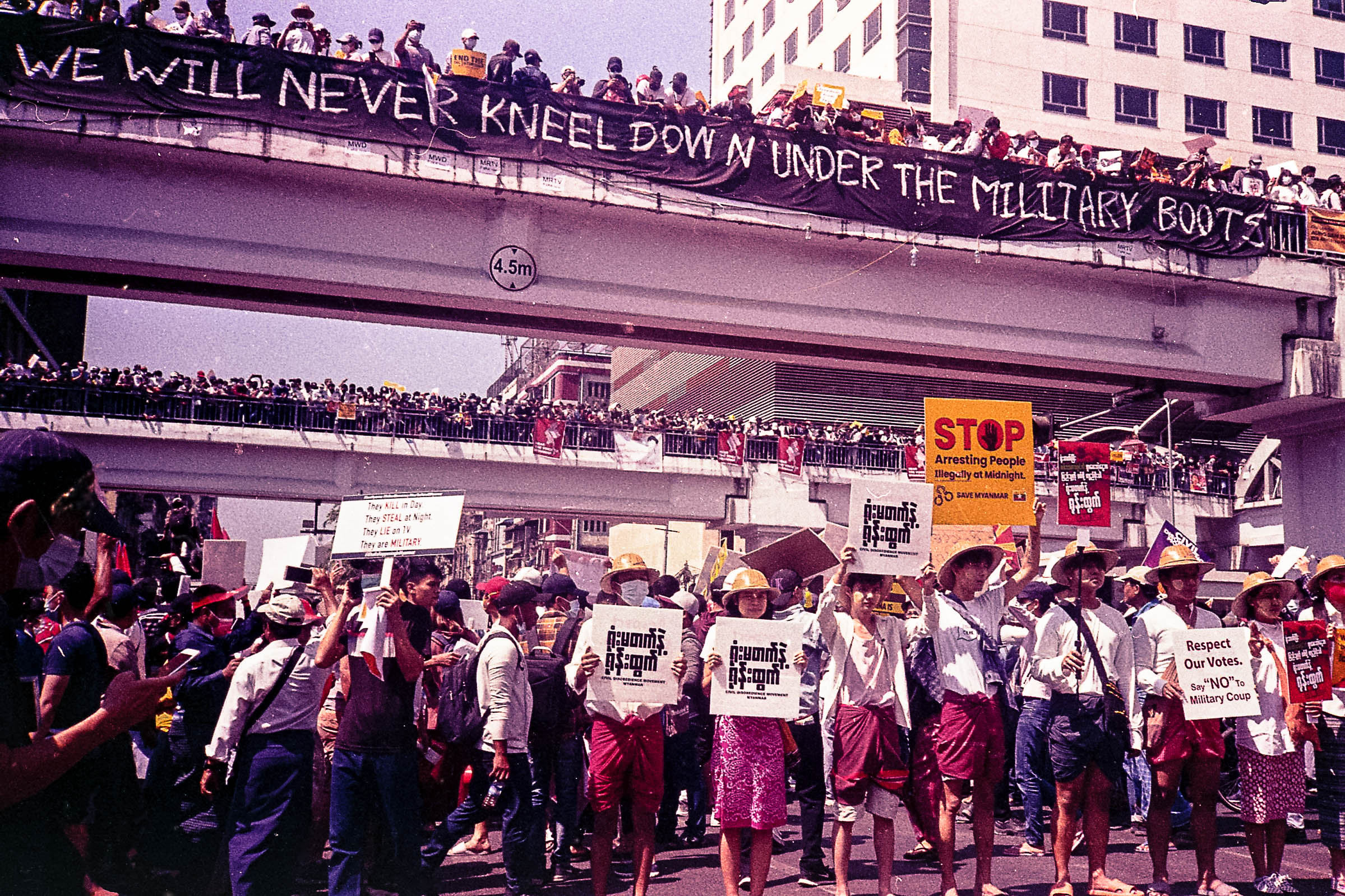
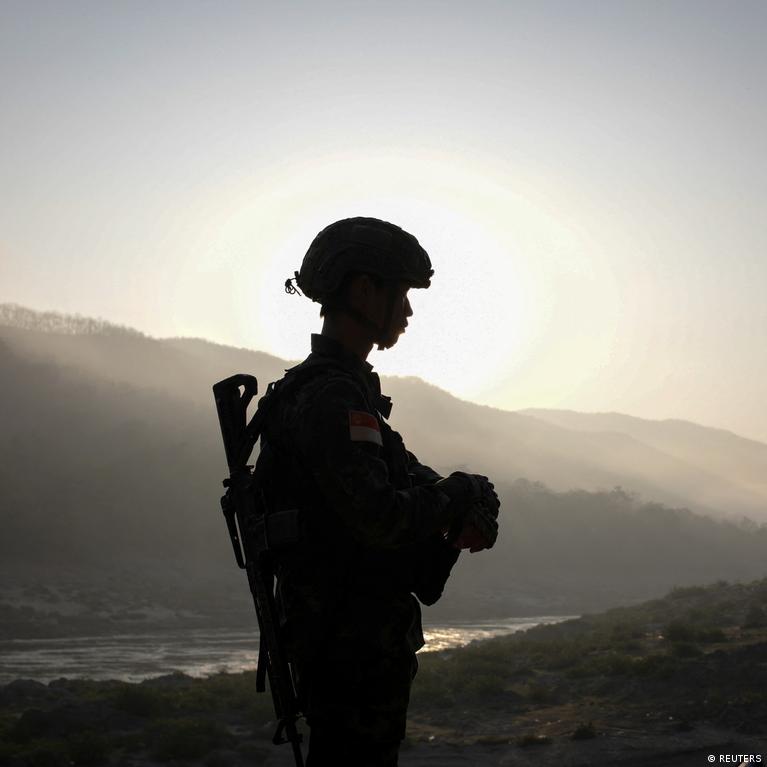
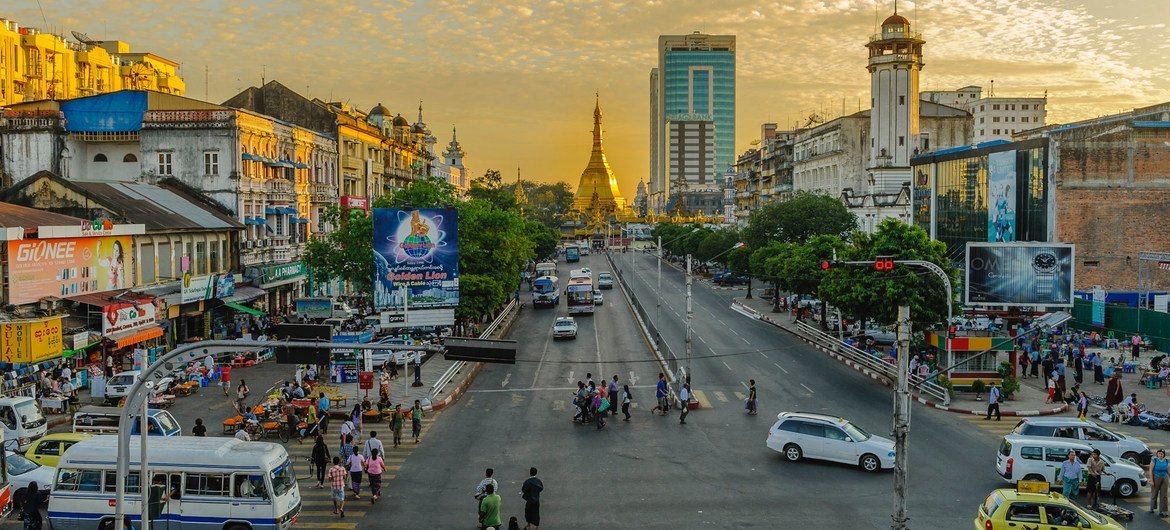
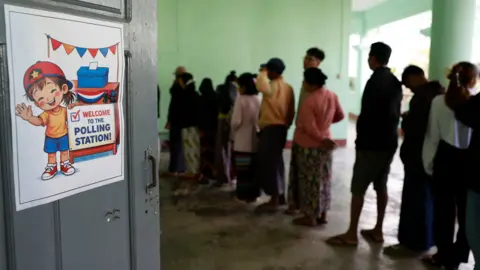
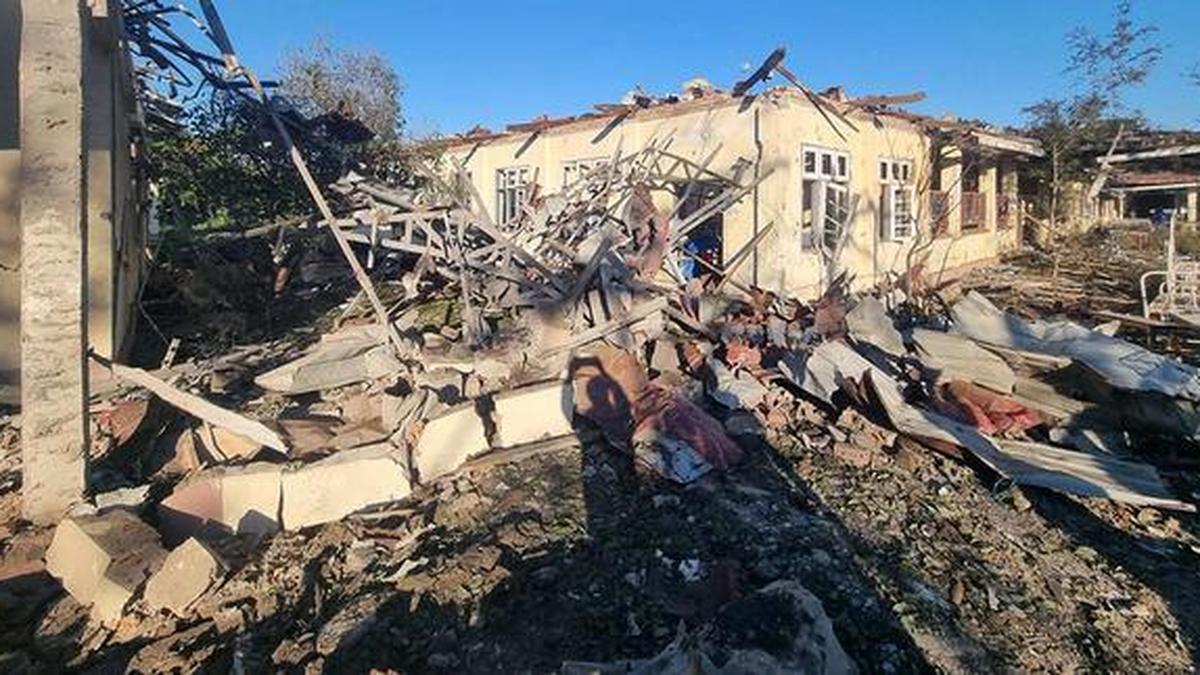
Myanmar's political and military crisis represents a critical supply chain disruption event for cross-border e-commerce sellers, particularly those sourcing from or shipping through Southeast Asia. The UN documented 170+ civilian deaths during December 2025-January 2026 military airstrikes coinciding with disputed elections, with 408 aerial attacks recorded across regions including manufacturing hubs in Bago, Magwe, Mandalay, and Sagaing. This escalation signals deepening instability that directly threatens e-commerce logistics infrastructure: Kyaukphyu port—Myanmar's primary deep-water facility handling regional container traffic—faces operational uncertainty due to Arakan Army control of Rakhine State's western seaboard. The military junta's conscription of 90,000+ draftees since early 2024 (targeting 240,000 total) has depleted manufacturing labor pools and disrupted production timelines for sellers relying on Myanmar-based suppliers.
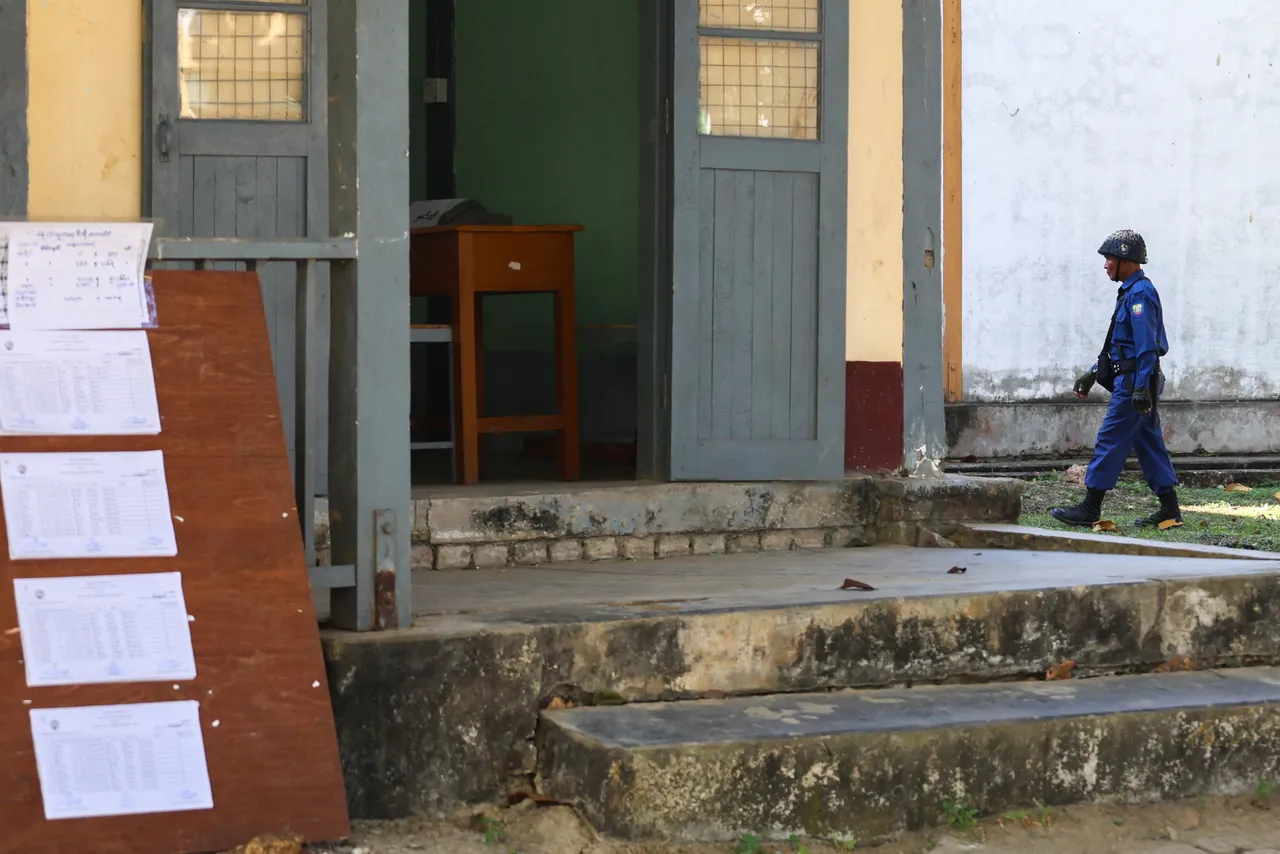
Supply Chain Impact: Sellers sourcing textiles, electronics components, or agricultural products from Myanmar face 40-60% increases in logistics costs due to route diversification around conflict zones. Communication blackouts documented by the UN prevent real-time supply chain visibility, creating inventory forecasting challenges. The military's control of only 263 of 330 townships means large geographic areas remain inaccessible for business operations, effectively fragmenting Myanmar's market into isolated urban enclaves. For sellers with 3PL operations or fulfillment centers in Myanmar, regulatory uncertainty compounds operational risk—the military junta's "staged election" (per UN characterization) signals continued authoritarian control with unpredictable policy changes affecting business licensing, tax compliance, and customs procedures.
Regional Spillover Effects: The conflict's trajectory toward a "tipping point in 2026" (per Asia Times analysis) threatens broader Southeast Asian stability. Ethnic minority forces controlling Rakhine State and Kachin regions may disrupt cross-border trade routes to Thailand, Laos, and China. Malaysia's new protectionist cooking oil ban (effective March 1st, 2026) reflects regional governments' inward focus during geopolitical uncertainty, signaling potential for additional trade restrictions affecting sellers' supply chain flexibility. Sellers should anticipate 3-6 month delays for Myanmar-sourced inventory, increased insurance premiums for regional shipments, and potential need to shift sourcing to alternative Southeast Asian suppliers (Vietnam, Thailand, Indonesia) at 15-25% cost premiums.
問題 8
What are the cost implications of shifting sourcing away from Myanmar to alternative Southeast Asian suppliers?
Sellers diversifying from Myanmar to alternative Southeast Asian suppliers (Vietnam, Thailand, Indonesia) face 15-25% cost premiums due to higher labor rates and manufacturing overhead. However, these costs must be weighed against Myanmar supply chain risks: 40-60% logistics cost increases, 3-6 month delays, and regulatory uncertainty. Cost-benefit analysis: Myanmar sourcing at baseline cost + 40-60% logistics premium + 3-6 month working capital carrying costs typically exceeds alternative sourcing at 15-25% premium with reliable 30-45 day lead times. Sellers should: calculate total landed cost including financing costs for extended lead times; evaluate Vietnam for electronics/textiles (10-15% premium), Thailand for agricultural products (12-18% premium), Indonesia for consumer goods (15-20% premium); negotiate volume commitments for cost reductions; consider nearshoring to reduce logistics complexity.
How does regional geopolitical instability affect insurance and risk management for cross-border sellers?
Myanmar's conflict escalation and regional tensions (China Coast Guard patrols near Japan-held islands) increase insurance premiums and risk management costs for cross-border sellers. Sellers should expect: 15-20% increases in freight insurance for Southeast Asian shipments, 10-15% increases in political risk insurance for Myanmar operations, and potential policy exclusions for conflict-affected regions. The UN's documentation of 408 military airstrikes signals elevated risk for air freight routing through Myanmar airspace. Sellers should: audit current insurance policies for Myanmar/conflict zone exclusions; increase political risk coverage for regional operations; diversify shipping routes away from conflict zones; establish force majeure protocols with suppliers and customers; maintain 60-90 day cash reserves for unexpected disruptions; consider supply chain resilience consulting to identify vulnerabilities.