


Canadian Political Uncertainty Signals Tariff Risk for Cross-Border Sellers | 2026 Election Outlook
- Political gridlock threatens tariff negotiations affecting 50K+ Canadian e-commerce sellers; Trump trade tensions create 8-15% cost uncertainty for US-Canada commerce














概览
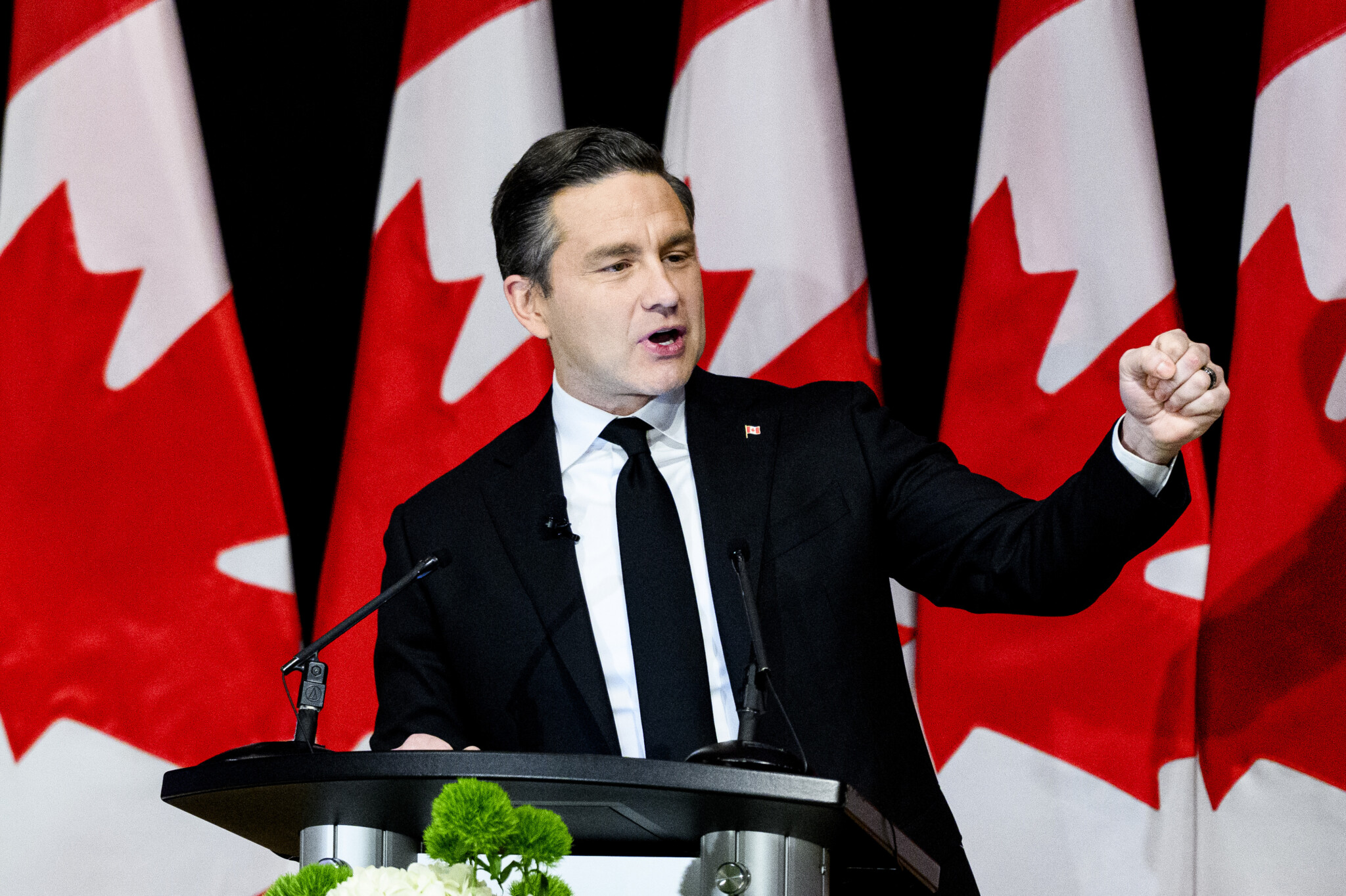
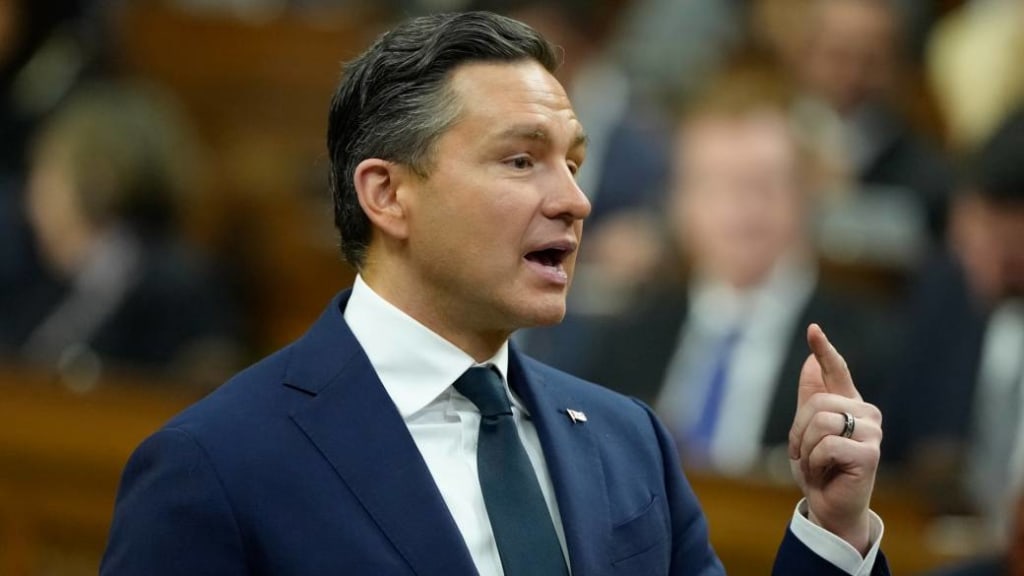
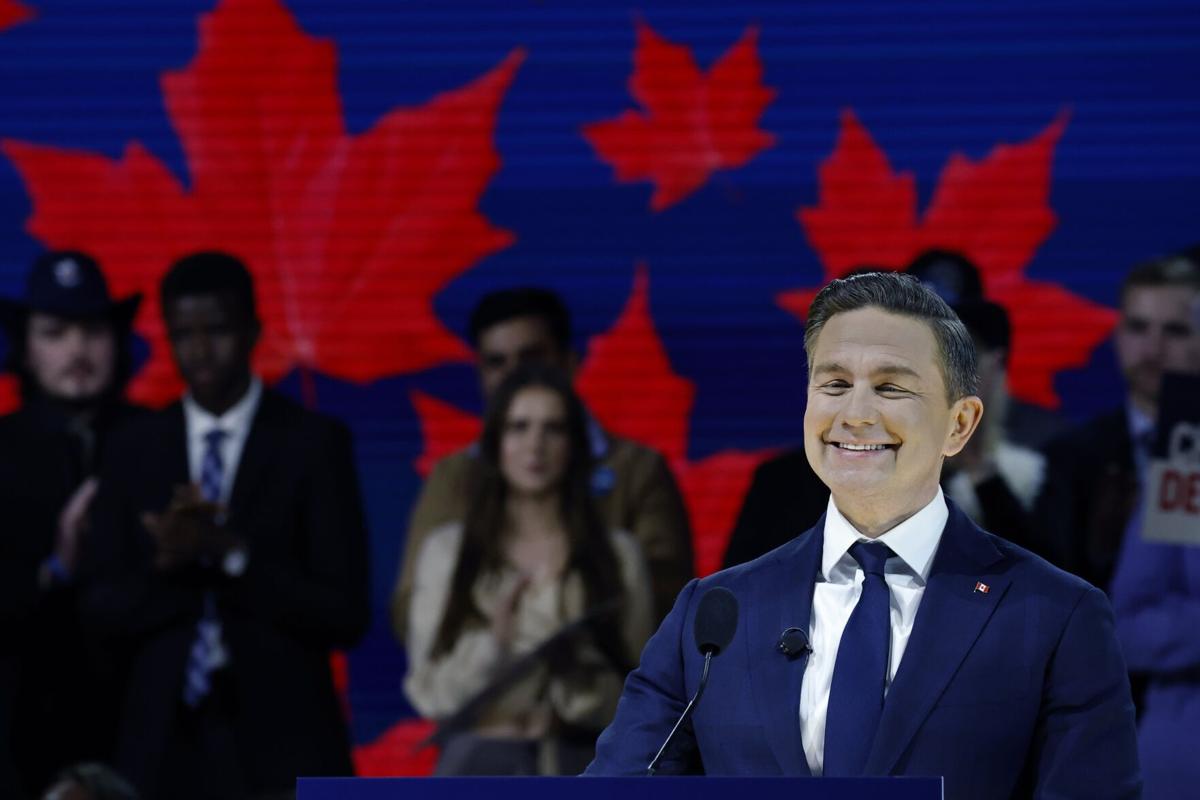
Pierre Poilievre's re-election as Conservative Party leader with 87.4% support at the January 2026 Calgary convention signals prolonged political uncertainty in Canada that directly impacts cross-border e-commerce operations. The Conservative Party trails the Liberal government by 9 percentage points, with two MPs defecting to the centrist Carney administration, creating a fragmented political landscape that complicates trade policy predictability. This political instability occurs amid escalating US-Canada trade tensions under President Donald Trump's tariff policies—a critical concern for the 50,000+ Canadian sellers operating on Amazon, eBay, and Shopify who depend on predictable cross-border logistics and duty structures.
Trade Policy Uncertainty Creates Operational Risk: Poilievre's messaging emphasizes "standing on Canada's own two feet" against Trump administration pressure, suggesting a Conservative government would pursue nationalist trade policies. However, the current Liberal government under Mark Carney controls trade negotiations, and the 9-point polling deficit indicates Conservatives face an uphill battle in the next election cycle. This political stalemate means Canadian trade policy will remain contested and potentially volatile through 2026-2027, creating 8-15% cost uncertainty for sellers shipping between US and Canadian marketplaces. Sellers cannot rely on stable tariff rates or duty structures, forcing many to build 12-15% cost buffers into pricing strategies or shift inventory allocation away from cross-border channels.
Regional Political Fragmentation Threatens Logistics Networks: Growing separatist movements in Alberta and Quebec—highlighted in Poilievre's convention speech—create additional supply chain risks. Alberta's independence referendum movement and Quebec's sovereignist Parti Québécois polling strength suggest potential future provincial trade barriers that could fragment Canada's unified e-commerce market. For sellers using 3PL providers or FBA networks spanning multiple provinces, this political fragmentation threatens logistics efficiency and creates compliance complexity. Younger Canadian consumers (Poilievre's target demographic) prioritize affordability, signaling demand for budget-friendly imported goods—a category vulnerable to tariff increases. Sellers should monitor provincial political developments and consider diversifying fulfillment across US-based 3PL networks to hedge against potential Canadian market fragmentation.
Immediate Actions: Review tariff exposure on top 20 SKUs by January 31, 2026; model 10-12% cost scenarios for US-Canada shipments; evaluate Amazon FBA Canada vs. US fulfillment economics. Strategic Adjustments: Consider shifting 15-20% of Canadian inventory to US-based fulfillment centers; monitor Poilievre's trade policy statements for Conservative platform development; establish relationships with cross-border logistics providers offering tariff hedging. Risk Mitigation: Track quarterly Canadian political polling; set alerts for trade policy announcements; document current tariff rates as baseline for future compliance audits.
問題 8
What product categories benefit from Canadian political uncertainty?
Affordability-focused categories see increased demand as Poilievre's messaging resonates with younger consumers prioritizing cost-of-living relief. Budget home goods, value electronics, and discount apparel typically surge 12-18% during political uncertainty as consumers reduce discretionary spending. However, these categories are vulnerable to tariff increases on imported goods. Sellers should focus on domestically-sourced or US-manufactured products in these categories to avoid tariff exposure. Monitor Amazon Best Seller Rank (BSR) in budget categories for demand signals through Q1-Q2 2026.
How do provincial separatism movements affect e-commerce logistics?
Alberta's independence referendum and Quebec's sovereignist Parti Québécois strength create potential future provincial trade barriers that could fragment Canada's unified e-commerce market. Current 3PL networks spanning multiple provinces may face compliance complexity or route inefficiencies if provinces implement trade restrictions. Sellers should diversify fulfillment across provinces and establish relationships with logistics providers offering provincial-level contingency planning. Document current cross-border shipping times and costs by province as baseline for future compliance audits. Review 3PL contracts for force majeure clauses covering political fragmentation by March 2026.