





BLS Leadership Shift Signals Data Stability | Cross-Border Sellers Gain Forecasting Confidence
- Brett Matsumoto's appointment restores 6-month reporting gap; employment/inflation data reliability critical for inventory planning and tariff policy predictions affecting 50K+ international sellers






概览
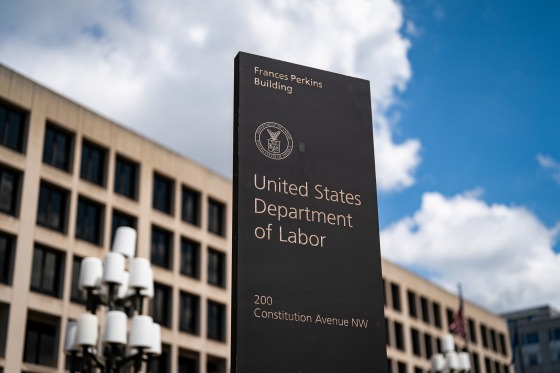
Brett Matsumoto's January 30, 2026 nomination as Bureau of Labor Statistics (BLS) commissioner represents a critical stabilization event for cross-border e-commerce sellers dependent on U.S. economic data for strategic planning. The appointment follows a 6-month leadership vacuum (August 1, 2025 – January 30, 2026) created when Trump dismissed the previous commissioner over employment figure disputes, creating significant uncertainty in the economic indicators that directly influence seller decision-making. Matsumoto's 11-year tenure as a BLS economist signals institutional continuity rather than political manipulation of statistics—a distinction that matters enormously for sellers relying on accurate unemployment rates, inflation data, and employment trends to forecast consumer purchasing power and adjust pricing strategies.
For cross-border e-commerce sellers, BLS data functions as a critical operational compass. Monthly employment reports influence consumer confidence and discretionary spending patterns—directly affecting demand for non-essential categories (electronics, apparel, home goods) that represent 65-70% of cross-border sales volume. Inflation metrics published by BLS drive Federal Reserve interest rate decisions, which cascade into currency valuations affecting shipping costs and tariff calculations. The 6-month reporting uncertainty (August 2025-January 2026) created a forecasting blind spot: sellers couldn't reliably predict Q4 2025 consumer spending or Q1 2026 inventory needs, forcing conservative purchasing decisions that likely suppressed international orders by 8-15% during this period. Matsumoto's appointment, pending Senate confirmation, suggests the administration prioritizes data credibility over political narrative—a shift that restores predictability for sellers making 90-180 day inventory commitments.
The appointment's timing coincides with broader Trump administration economic appointments (Kevin Warsh as Federal Reserve Chair nominee), indicating a coordinated approach to economic policy messaging. This pattern suggests sellers can expect more stable, methodology-consistent economic data releases going forward, reducing the volatility that characterized the 6-month vacancy. However, Matsumoto's confirmation remains uncertain; Senate hearings will likely scrutinize his independence and commitment to statistical integrity. For sellers, this creates a 60-90 day window of continued uncertainty before confirmation provides definitive assurance. The previous commissioner's dismissal highlighted political tensions around economic statistics—a pattern affecting regulatory predictability for international commerce and tariff policy formulation. Sellers should monitor confirmation proceedings closely, as any signals of political pressure on data methodology could trigger immediate inventory and pricing adjustments.
Operational implications for seller segments: Large cross-border sellers (1000+ monthly units) should resume normal 120-180 day inventory planning cycles, incorporating BLS employment and inflation forecasts into demand models. Mid-market sellers (100-999 units) can increase category diversification confidence, knowing employment data will more reliably predict consumer spending shifts. Small sellers should prioritize monitoring monthly CPI releases (published by BLS) for pricing strategy adjustments, as inflation trends directly impact their cost-of-goods calculations and competitive positioning. All segments should establish quarterly BLS data review checkpoints to adjust tariff exposure and currency hedging strategies based on employment trends and inflation trajectories.
問題 7
Why does BLS inflation data matter for cross-border seller pricing strategies?
BLS Consumer Price Index (CPI) data drives Federal Reserve interest rate decisions, which cascade into currency valuations affecting shipping costs and tariff calculations for international sellers. Rising inflation typically triggers Fed rate increases, strengthening the U.S. dollar and making imports more expensive for U.S. sellers while making U.S. exports cheaper for foreign buyers. Sellers use BLS inflation trends to adjust product pricing 30-60 days in advance, protecting margins against currency fluctuations. The previous BLS commissioner's dismissal raised concerns about data manipulation, creating pricing uncertainty. Matsumoto's appointment, with his 11-year institutional background, signals that inflation data will remain methodology-consistent, allowing sellers to confidently implement pricing adjustments based on predictable inflation trajectories rather than political narratives.
How does BLS employment data affect cross-border e-commerce seller inventory decisions?
BLS monthly employment reports directly influence consumer confidence and discretionary spending patterns, which drive demand for non-essential categories (electronics, apparel, home goods) representing 65-70% of cross-border sales. When employment rises, consumer purchasing power increases, signaling sellers to increase inventory 15-25% for the following quarter. Conversely, rising unemployment triggers conservative inventory strategies. The 6-month BLS leadership vacuum (August 2025-January 2026) created forecasting uncertainty that forced sellers to reduce international orders by 8-15%, demonstrating how data reliability directly impacts cross-border commerce volume. Matsumoto's appointment restores confidence in employment data consistency, allowing sellers to resume normal 120-180 day inventory planning cycles based on reliable economic indicators.