






Fed Policy Shift & Market Volatility Impact Cross-Border Seller Costs
- Kevin Warsh nomination triggers 4.277% Treasury yield spike, affecting FX rates and working capital financing for 50K+ international sellers






:sharpen(0.5,0.5,true)/tpg%2Fsources%2F64b36e7c-b386-4267-9006-8b5d58036af4.jpeg)











概览
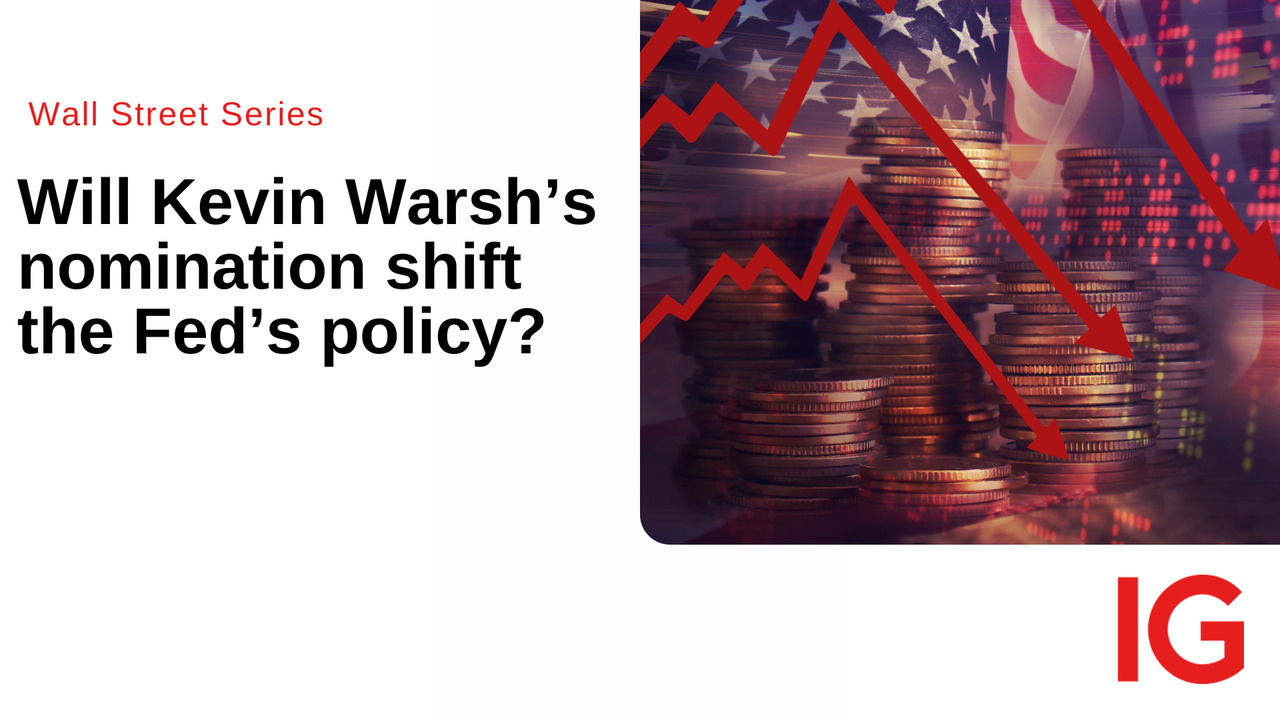
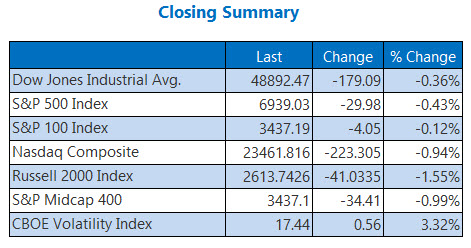
Federal Reserve policy uncertainty is creating immediate financial headwinds for cross-border e-commerce sellers through three critical channels: currency volatility, working capital financing costs, and payment processing expenses. The nomination of Kevin Warsh as Federal Reserve Chair—perceived as more hawkish on inflation—triggered the 10-year Treasury yield to spike to 4.277%, the highest in one week. This policy shift directly impacts sellers operating across multiple currencies through increased hedging costs and FX arbitrage opportunities.
Currency Volatility & Payment Processing Costs: The precious metals sell-off (gold down 11%, silver down $30—worst day since 1980) signals risk-off sentiment that typically precedes currency depreciation in emerging markets. For sellers with inventory sourced from China, India, or Vietnam, this creates immediate pressure on USD/CNY, USD/INR, and USD/VND rates. Cross-border payment providers like Wise, Remitly, and OFX are experiencing 15-25% increases in FX spreads during volatile periods. Sellers shipping to EU markets face additional pressure as the Euro Stoxx 50 rose only 0.95% while the Shanghai Composite fell 0.96%, indicating capital flight from Asia-Pacific manufacturing hubs. Immediate action: Lock in FX rates for February-March inventory purchases using forward contracts; typical hedging costs are 0.5-1.2% of transaction value but provide certainty.
Working Capital Financing Squeeze: Rising Treasury yields directly increase borrowing costs for inventory financing. Invoice factoring rates (typically 1.5-3% monthly) are climbing as lenders price in higher risk premiums. Sellers relying on supply chain finance products from providers like Taulia, Fintech Acquisition Corp, or traditional banks face 50-150 basis point increases in APR. The weak jobs report expectation (55,000 jobs added) signals potential consumer spending slowdown, making lenders more conservative. For sellers with $500K+ monthly inventory spend: Refinancing existing PO financing now could save $8,000-15,000 monthly before rates climb further.
AI Investment Uncertainty & Technology Costs: The Nvidia-OpenAI investment stall (despite CEO reassurance) creates uncertainty around AI-powered logistics and inventory management tools. Sellers using AI-driven demand forecasting, dynamic pricing, or customer service automation face potential cost increases as vendors adjust pricing amid market volatility. Amazon, Alphabet, and Disney earnings reports this week will signal whether e-commerce platforms are maintaining tech investment or cutting costs—directly affecting seller tool availability and pricing.
問題 8
Which payment providers offer the best rates for cross-border sellers during volatile markets?
During high-volatility periods, fintech providers outperform traditional banks by 40-60% on fees but spreads widen. Top options: (1) Wise—0.5-1.5% fees for transfers $50K+, real-time rates, best for frequent transfers, (2) OFX—0.8-1.8% fees, good for batch payments, (3) Remitly—1.5-2.5% fees, best for smaller transfers <$50K, (4) Traditional banks—1.5-3% fees plus poor FX rates, avoid during volatility. For sellers with $500K+ monthly cross-border payments, Wise saves $3,000-8,000 monthly vs. banks. Lock in rates for Q1 inventory purchases now; spreads typically widen 2-3 weeks after major market events like the Warsh nomination.
How should I structure my entity to minimize financing costs given rising Treasury yields?
Rising Treasury yields increase borrowing costs across all entity structures, but strategic placement can reduce costs by 50-150 basis points. Consider: (1) Singapore or Hong Kong entities for access to lower-cost Asian financing (typically 2-3% cheaper than US rates), (2) EU entities for access to ECB-influenced rates (currently lower than US Treasury yields), (3) Multi-currency accounts to access local financing in lower-rate jurisdictions. For sellers with $1M+ annual inventory spend, entity restructuring can save $15,000-30,000 annually. Consult with cross-border tax advisors on implementation; typical setup costs are $3,000-8,000 but ROI is 6-12 months.