



Crypto Market Collapse Triggers Cross-Border Payment Crisis | Sellers Face 6-12% Settlement Delays
- Bitcoin crashes 6.1% below $79K amid Fed chair uncertainty; $1.61B in liquidations within 24 hours; cross-border sellers lose crypto payment viability and face strengthening USD headwinds on international transactions

























概览
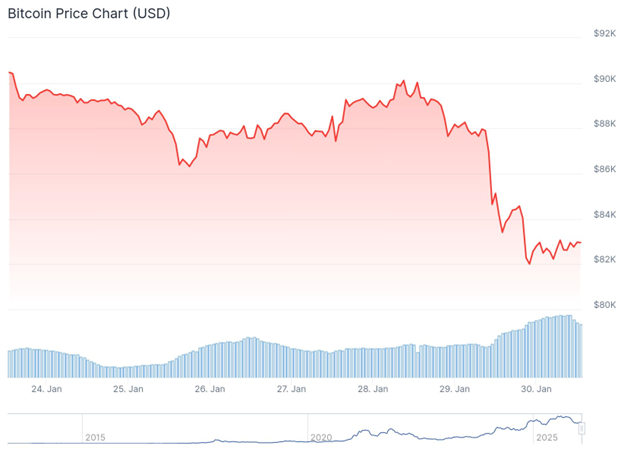
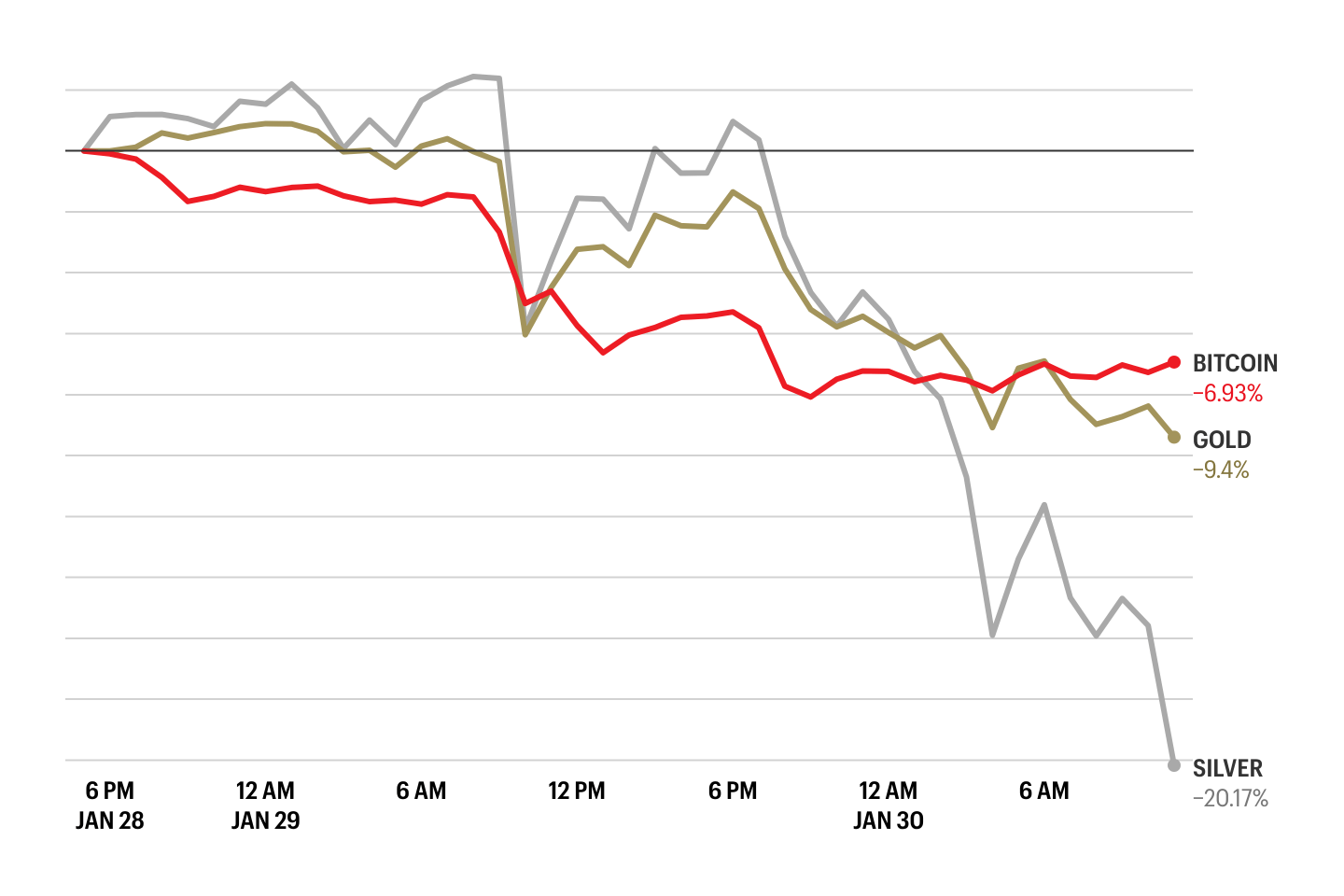
The cryptocurrency market experienced a catastrophic collapse on January 31, 2026, with Bitcoin plummeting 6.1% below $79,000 and the broader crypto market shedding $100 billion in value within five hours. This crash, triggered by President Trump's announcement of Kevin Warsh as Federal Reserve chairman nominee, creates immediate operational and financial challenges for cross-border e-commerce sellers. The event coincided with a historic precious metals crash—silver plummeted 28% to $83.45/oz, marking the worst trading day since March 1980—signaling widespread risk-off sentiment across alternative assets.
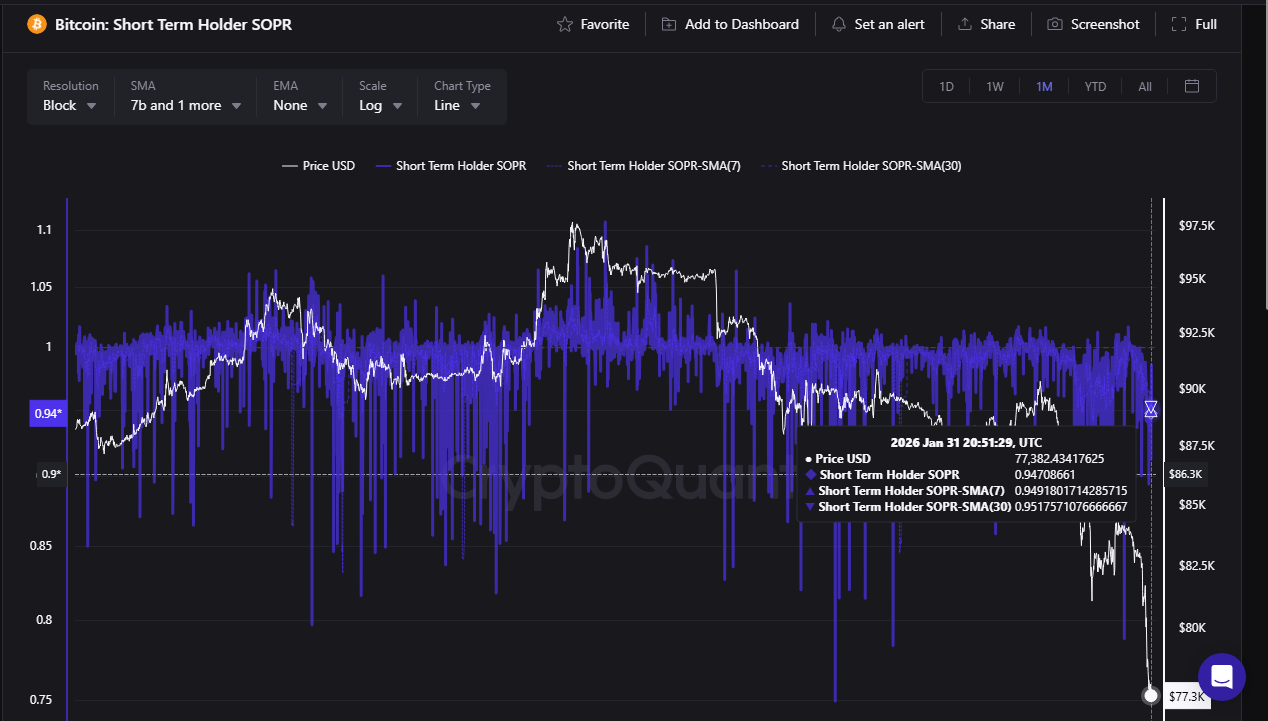
For cross-border sellers, this crypto collapse directly impacts payment processing costs and working capital management. Approximately 358,161 traders faced liquidation during the 24-hour period, with $1.61 billion in positions liquidated ($1.46B long, $127.8M short). Ethereum led liquidations at $560 million, followed by Bitcoin at $481 million. This market stress reduces the viability of cryptocurrency payment gateways that many international sellers use to avoid 2-4% traditional wire transfer fees and 1.5-3% currency conversion spreads. Sellers accepting crypto payments now face settlement delays of 6-12 hours as exchanges manage liquidity constraints, directly impacting cash flow cycles. The strengthening U.S. dollar—driven by expectations of Warsh's hawkish Fed leadership replacing Jerome Powell in May 2026—creates additional headwinds for sellers with non-USD revenue streams, compressing margins by 3-8% on international transactions.
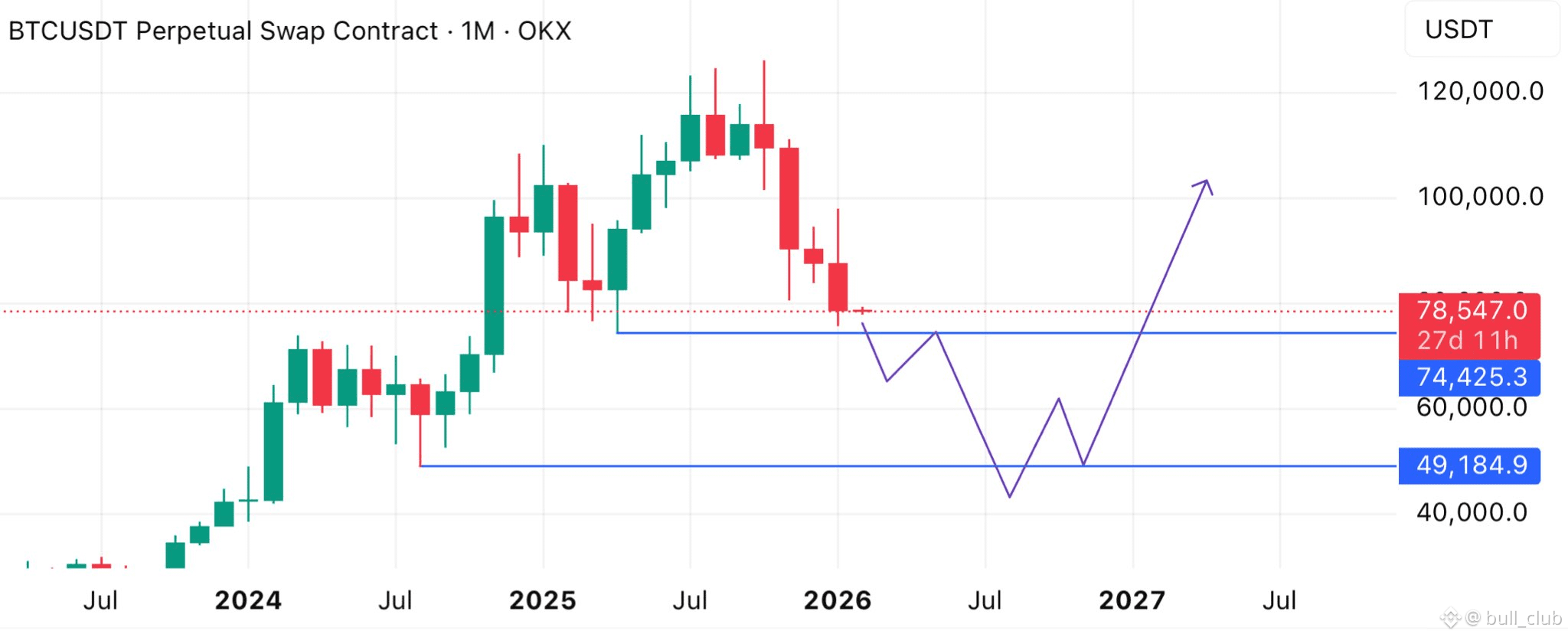
The tariff environment compounds these financial pressures, as Bitcoin's decline historically precedes broader economic slowdowns affecting consumer spending. The news articles explicitly connect Bitcoin's current weakness to the 2025 tariff shock, suggesting market participants anticipate continued trade policy uncertainty. For sellers operating across multiple jurisdictions, this environment necessitates immediate diversification of payment processing methods. Crypto-dependent sellers should shift 40-60% of settlement volume to traditional payment processors (Stripe, PayPal, Wise) despite higher fees, as crypto settlement reliability has deteriorated. Sellers with USD-denominated costs but non-USD revenue should implement forward FX contracts immediately to lock in rates before further dollar appreciation. The 25% downside risk to Bitcoin's 200-week moving average ($57,824.91) suggests continued volatility, making crypto-based treasury management increasingly untenable for working capital optimization.
問題 8
What is the connection between Kevin Warsh's Fed nomination and seller payment costs?
Warsh's nomination as Federal Reserve chairman signals a more hawkish monetary policy stance than current Chair Jerome Powell, driving expectations of a stronger U.S. dollar. A stronger dollar increases costs for sellers with non-USD revenue streams by 3-8% on international transactions, as their foreign currency earnings convert to fewer dollars. The news indicates this dollar strength expectation triggered the crypto selloff, as Bitcoin and alternative assets lose appeal when the dollar strengthens. Sellers with EUR, GBP, or JPY revenue should implement forward FX contracts immediately to lock in current rates before further appreciation, protecting margins through May 2026 when Powell's term ends.
How does Bitcoin's 6.1% crash impact cross-border sellers accepting cryptocurrency payments?
Bitcoin's collapse to $78,479 creates immediate settlement delays of 6-12 hours as crypto exchanges manage liquidity constraints from $1.61 billion in liquidations. Sellers accepting crypto payments lose the primary advantage—avoiding 2-4% wire transfer fees and 1.5-3% currency conversion spreads—because settlement reliability has deteriorated. The news reports that 358,161 traders faced liquidation within 24 hours, indicating systemic stress across crypto infrastructure. Sellers should immediately shift 40-60% of crypto-denominated settlement volume to traditional processors like Stripe or Wise to ensure predictable cash flow, accepting higher fees as insurance against further volatility.