


Regional Power Infrastructure Failures Drive Seller Resilience Opportunities | Supply Chain Risk Management
- 192,350 customers affected across Colorado counties; DIA logistics disruptions highlight critical infrastructure vulnerabilities for e-commerce fulfillment networks




概览
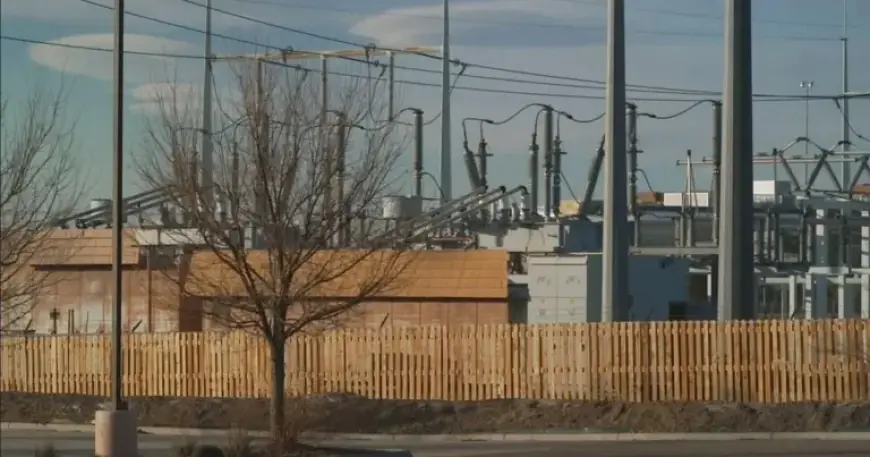
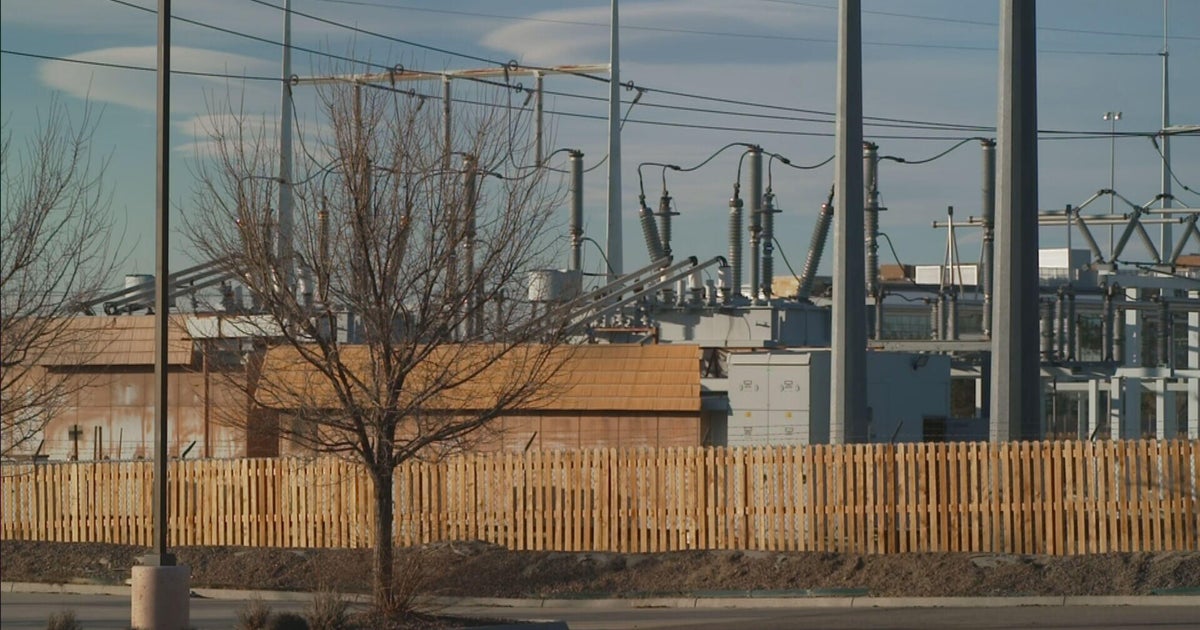
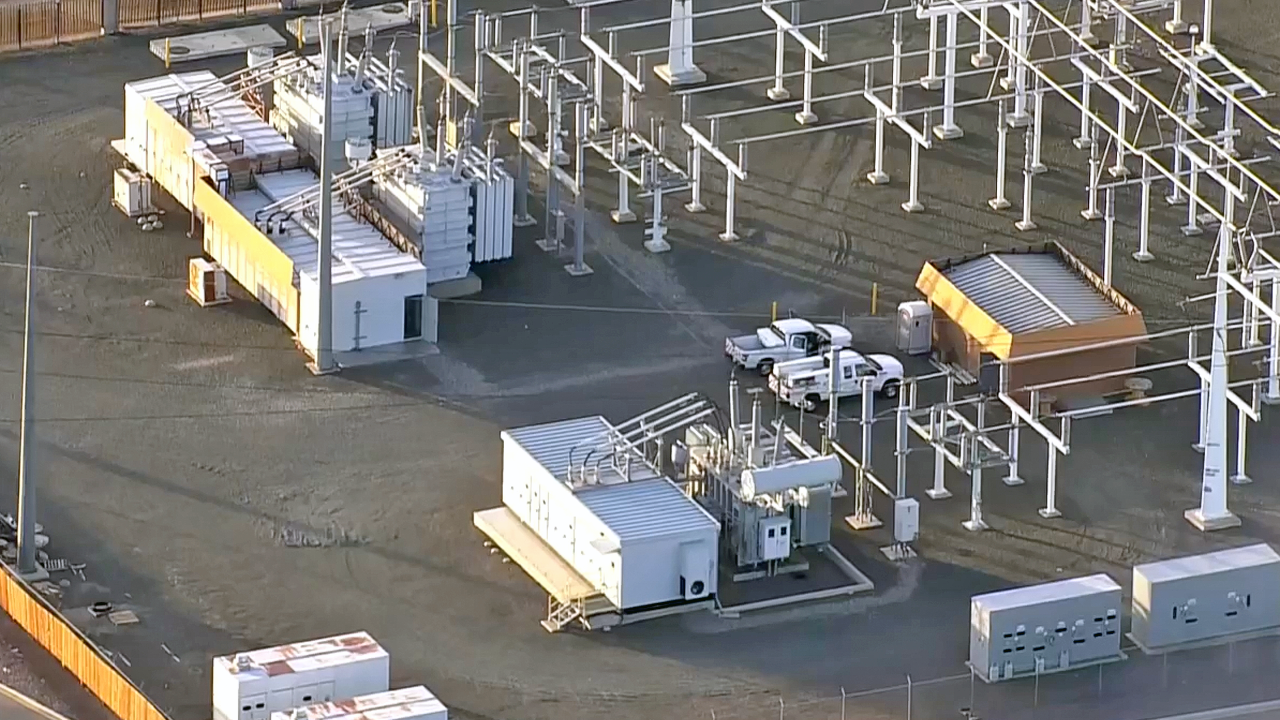
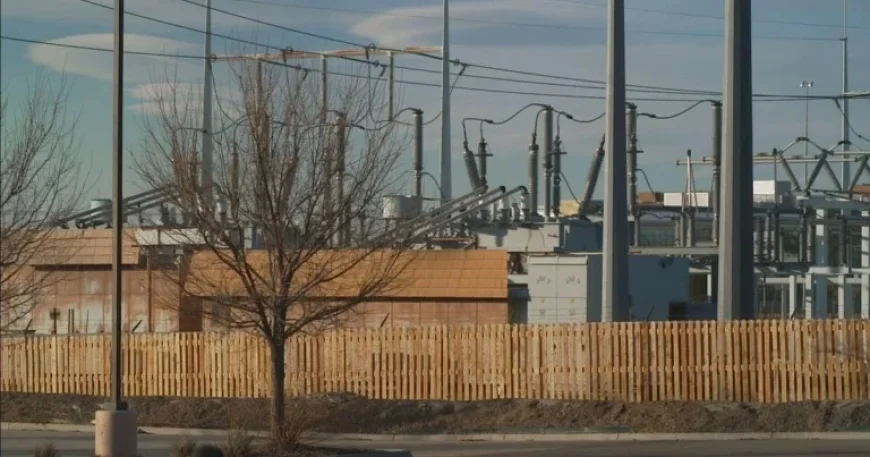
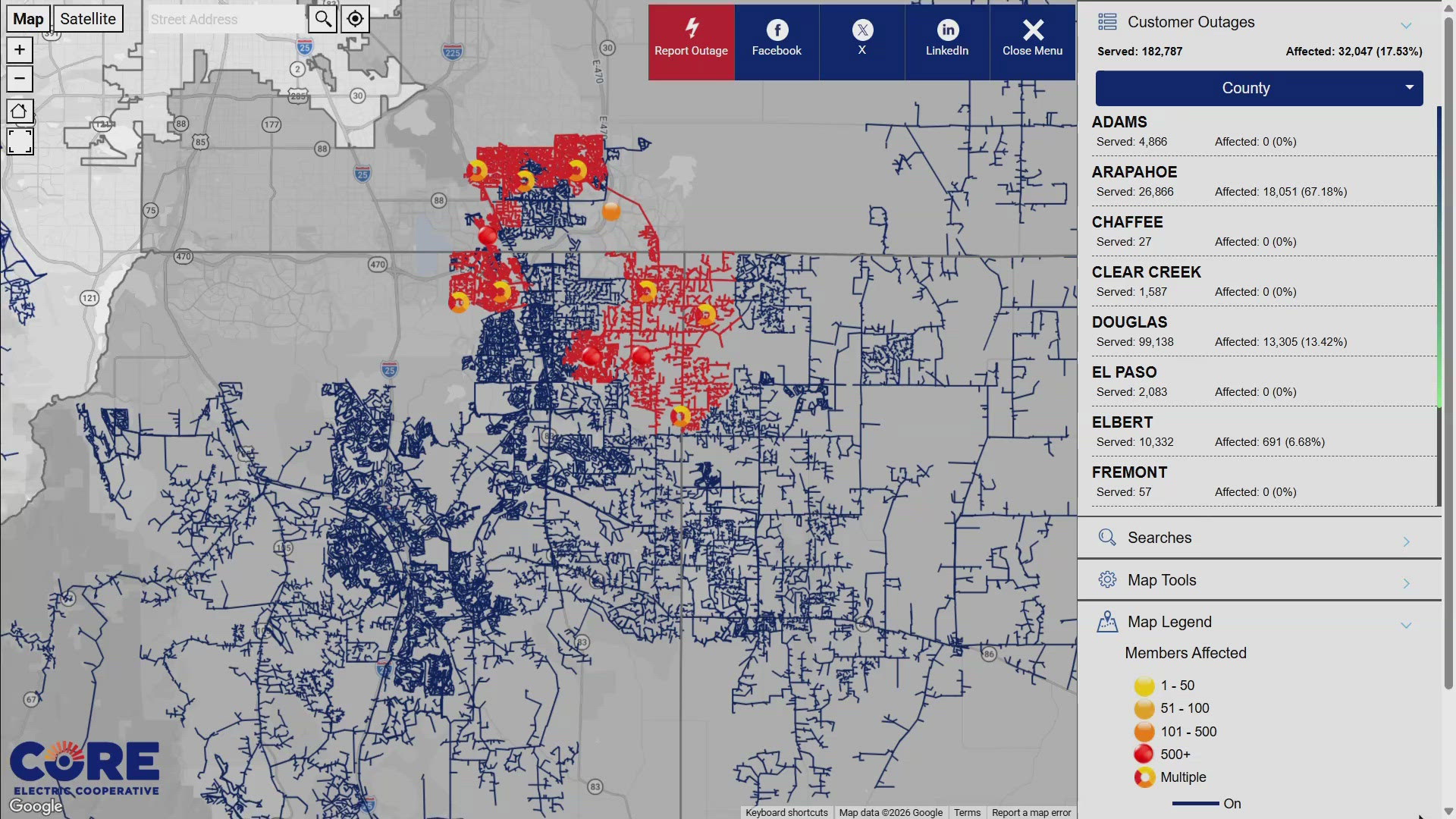
The February 1, 2026 power outage affecting southeast Denver and northern Colorado counties—impacting 148,000 Xcel Energy customers and 44,350 CORE Electric customers—represents a critical case study in infrastructure vulnerability for e-commerce sellers relying on regional logistics hubs. While the outage was resolved within hours (Xcel by 8:30 p.m., CORE Electric by 5:26 p.m.), the cascading failures across multiple substations and critical infrastructure demonstrate the interconnected risks facing modern fulfillment operations. Denver International Airport's train service disruptions created operational delays that directly impact sellers using DIA as a logistics gateway for cross-border shipments and domestic distribution.
Infrastructure Vulnerability and Fulfillment Risk: The incident reveals that regional power infrastructure supporting major logistics hubs operates with limited redundancy. For sellers using 3PL providers, Amazon FBA facilities, or regional distribution centers in the Denver metro area, this outage signals the need for contingency planning. The involvement of multiple substations suggests cascading failure patterns—when one substation fails, load shifts to others, potentially triggering secondary failures. Sellers with inventory in Colorado-based fulfillment centers should audit their provider's backup power systems, including uninterruptible power supplies (UPS) and generator capacity. The rapid restoration (most customers restored within 3-4 hours) indicates effective emergency protocols, but the temporary disruption to emergency services (Parker Police Department, Aurora 911) demonstrates how power failures cascade beyond utilities into critical infrastructure supporting commerce.
Regional Logistics and Shipping Delays: Denver International Airport's train service disruption created immediate operational delays affecting time-sensitive shipments. For sellers shipping high-value electronics, perishables, or time-sensitive products through DIA, this incident demonstrates the vulnerability of air cargo operations to infrastructure failures. The airport's recovery by 5 p.m. prevented extended delays, but sellers should recognize that similar outages could extend shipping timelines by 6-24 hours, impacting delivery promises and customer satisfaction metrics. Sellers relying on DIA for next-day or same-day delivery commitments should diversify logistics partners and maintain buffer inventory in multiple geographic regions. The incident also highlights the importance of real-time shipment tracking and proactive customer communication during infrastructure disruptions.
Seller Preparedness and Business Continuity: This event underscores the need for sellers to develop comprehensive business continuity plans addressing infrastructure failures beyond their direct control. Sellers with significant inventory concentration in Colorado should consider geographic diversification to 3PL facilities in other regions (Texas, California, Illinois) to reduce single-point-of-failure risk. The outage affected emergency services coordination, which could impact seller ability to contact support during crises. Sellers should establish direct communication channels with their 3PL providers and maintain updated contact lists for emergency situations. Additionally, sellers should review their insurance coverage for business interruption losses caused by utility failures, as standard policies may not cover infrastructure outages beyond the seller's facility.
問題 8
What insurance coverage should sellers maintain for utility-related business interruption?
Standard business interruption insurance may not cover losses from utility failures outside the seller's facility. The February 1 outage affecting 192,350 customers demonstrates the scale of potential losses from regional infrastructure failures. Sellers should review their insurance policies to ensure coverage for: (1) business interruption from utility outages, (2) inventory loss from temperature-sensitive storage failures, and (3) third-party liability for delayed shipments. Sellers should also maintain detailed documentation of inventory value, daily revenue, and customer commitments to support insurance claims. Working with an insurance broker specializing in e-commerce can help sellers identify coverage gaps and negotiate appropriate policy limits.
How do power outages affect seller compliance metrics and platform penalties?
Power outages causing fulfillment delays can trigger late shipment notifications, impacting seller metrics tracked by Amazon (on-time delivery rate, order defect rate) and eBay (detailed seller ratings). The February 1 outage's 3-4 hour duration could delay shipments by 1-2 days, potentially violating seller performance standards. Sellers should document outage-related delays and contact platform support to request metric adjustments. Maintaining detailed records of infrastructure disruptions, including utility company incident reports and 3PL notifications, provides evidence for metric appeals. Sellers should also establish communication protocols to notify customers of delays within 2-4 hours of discovering outage-related issues.