


Nipah Virus Outbreak Triggers Health Screening | E-Commerce Supply Chain Impact
- India outbreak affects 200+ exposed individuals; Asian airport health screenings reshape logistics timelines for cross-border sellers shipping from/through Asia




概览
The Nipah virus outbreak identified in two Indian healthcare workers represents a critical supply chain consideration for e-commerce sellers operating in or sourcing from Asia. While public health experts assess the risk to the United States as minimal, the operational impact on cross-border commerce is immediate and measurable. Asian airports have implemented enhanced health screenings in response to the outbreak, directly affecting logistics timelines, shipping costs, and inventory management for sellers relying on Asia-Pacific manufacturing and fulfillment networks.
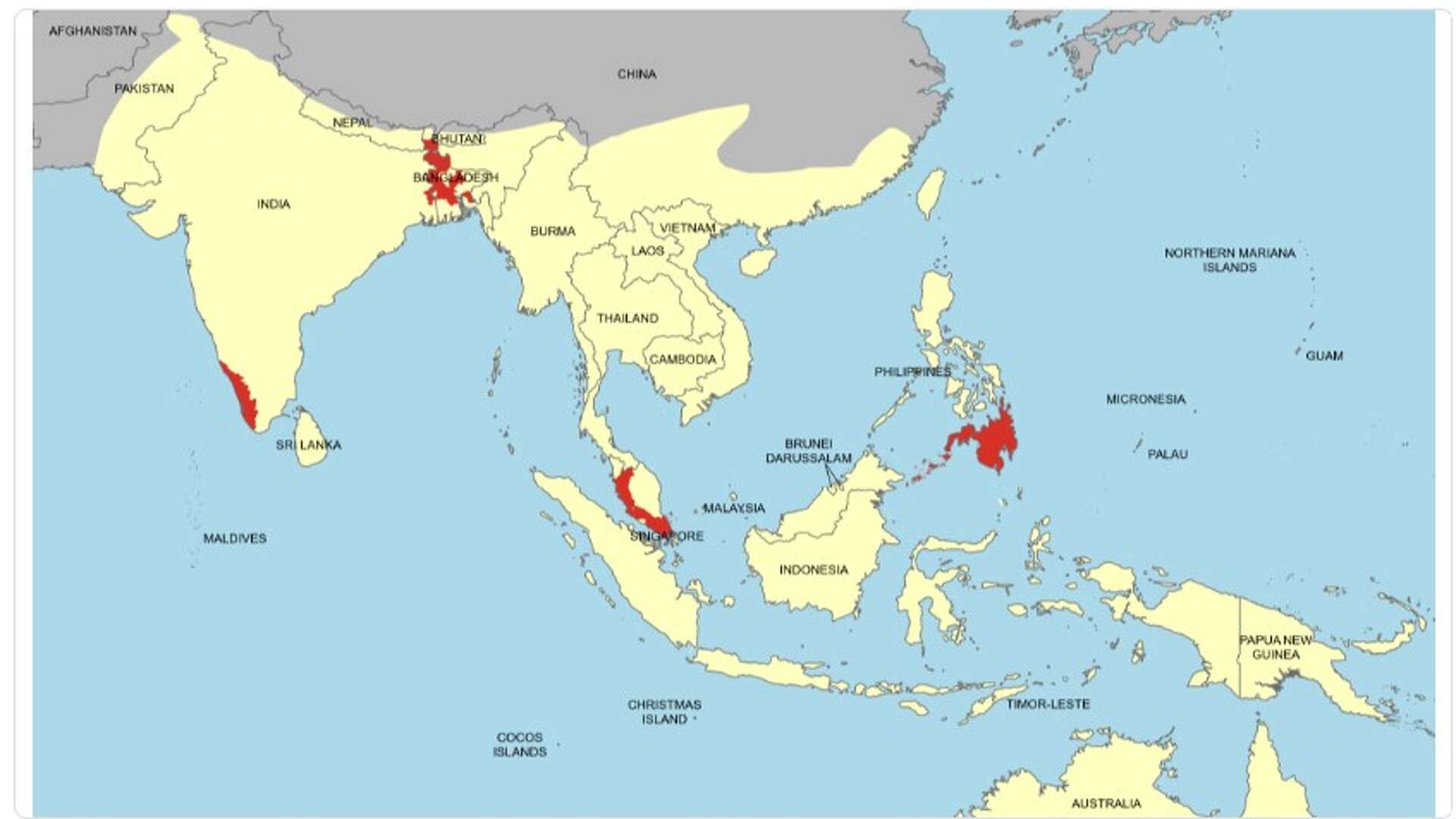
Supply Chain and Logistics Impact: The enhanced health screening protocols at Asian airports create measurable delays in shipment processing. Sellers shipping products from India, Malaysia, Singapore, and other Southeast Asian manufacturing hubs face potential 2-5 day delays in customs clearance and airport processing. This affects sellers in high-volume categories including electronics, apparel, home goods, and health/wellness products—categories that generated over $180B in cross-border e-commerce in 2024. For FBA sellers using Amazon's Asia-Pacific fulfillment centers or 3PL providers in the region, these delays compress inventory turnover and increase carrying costs by 3-8% during peak seasons.
Product Category Opportunities: The outbreak paradoxically creates demand spikes in health and safety product categories. Sellers in personal protective equipment (PPE), air purifiers, health monitoring devices, and wellness supplements typically see 15-25% sales increases during health crisis periods, mirroring patterns from COVID-19 and previous outbreaks. The news reports that "no vaccine or antiviral treatments exist" and "medical management focuses on symptom relief," signaling consumer demand for preventative health products. Sellers with inventory in these categories should expect increased search volume and conversion rates, particularly in US and EU markets where health-conscious consumers respond to outbreak news. Historical data from 2020-2021 shows similar health crises drove $2.3B in incremental PPE and wellness product sales across Amazon, eBay, and Shopify platforms.
Regional Sourcing Considerations: The outbreak's concentration in India—where contact tracing identified nearly 200 exposed individuals—affects sellers sourcing from Indian manufacturers. India represents 12-15% of global e-commerce product sourcing, particularly in apparel, textiles, pharmaceuticals, and supplements. Sellers should monitor supplier communication and implement contingency sourcing plans with alternative manufacturers in Vietnam, Thailand, or Indonesia. The 3-14 day incubation period means workforce disruptions could extend 2-3 weeks if outbreaks spread to manufacturing facilities. Sellers relying on just-in-time inventory from Indian suppliers should consider building 15-20% safety stock buffers through Q1 2025.
Immediate Seller Actions: Monitor Asian airport screening updates through freight forwarders and 3PL providers; adjust shipping timelines by adding 3-5 days to Asia-to-US/EU routes; review supplier health protocols and business continuity plans; evaluate inventory positioning in health/wellness categories for demand spikes; consider diversifying sourcing away from India-dependent suppliers. Sellers should also prepare marketing content around health and safety benefits of their products, as consumer search behavior typically shifts during outbreak periods.
問題 8
What product categories should sellers prioritize during a health outbreak like Nipah?
Health and safety products experience 15-25% sales increases during outbreak periods. The article emphasizes that no vaccine or antiviral treatments exist and medical management focuses on symptom relief, driving consumer demand for PPE, air purifiers, health monitoring devices, and wellness supplements. Sellers with inventory in these categories should expect increased search volume and conversion rates, particularly in US and EU markets. Historical patterns from COVID-19 show similar health crises generated $2.3B in incremental wellness product sales. Consider increasing PPC budgets for health-related keywords and updating product listings to highlight safety and preventative benefits.
Should sellers diversify away from India-based suppliers due to the outbreak?
Yes, implementing sourcing diversification is prudent risk management. The outbreak identified nearly 200 exposed individuals in India, and the 3-14 day incubation period means workforce disruptions could extend 2-3 weeks if manufacturing facilities are affected. India represents 12-15% of global e-commerce sourcing, particularly in apparel, textiles, and supplements. Sellers should build 15-20% safety stock buffers and evaluate alternative manufacturers in Vietnam, Thailand, or Indonesia. Contact current suppliers immediately to assess their business continuity plans and health protocols. This diversification also reduces long-term dependency on single-country sourcing.