



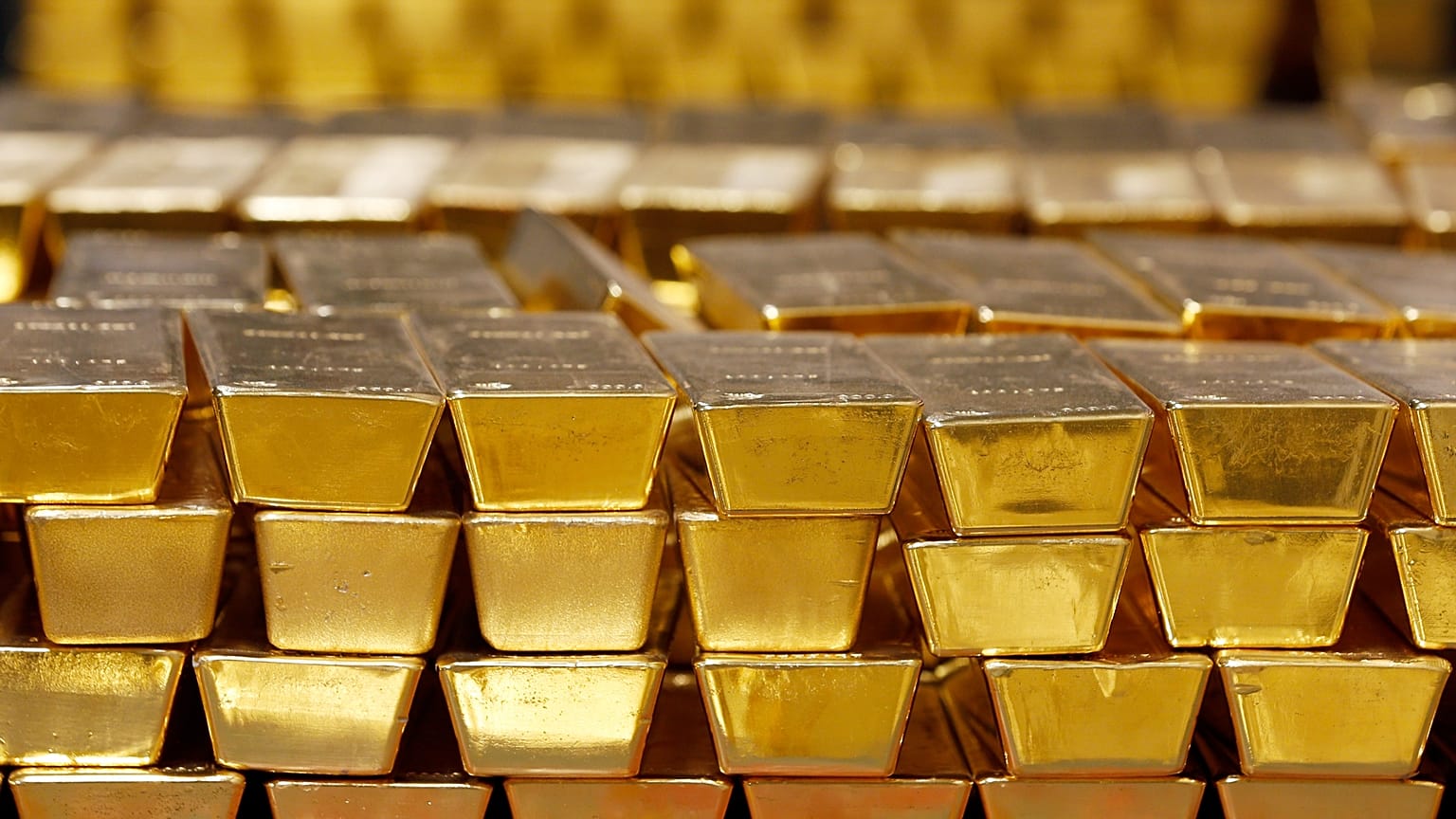

Precious Metals Collapse Triggers USD Strength | Jewelry Sellers Face 15-30% Input Cost Volatility
- Gold down $900 from peak, silver plunges 30% in worst day since 1980; stronger dollar increases import costs 8-12% for non-US sellers; jewelry/luxury goods categories face margin compression























概览
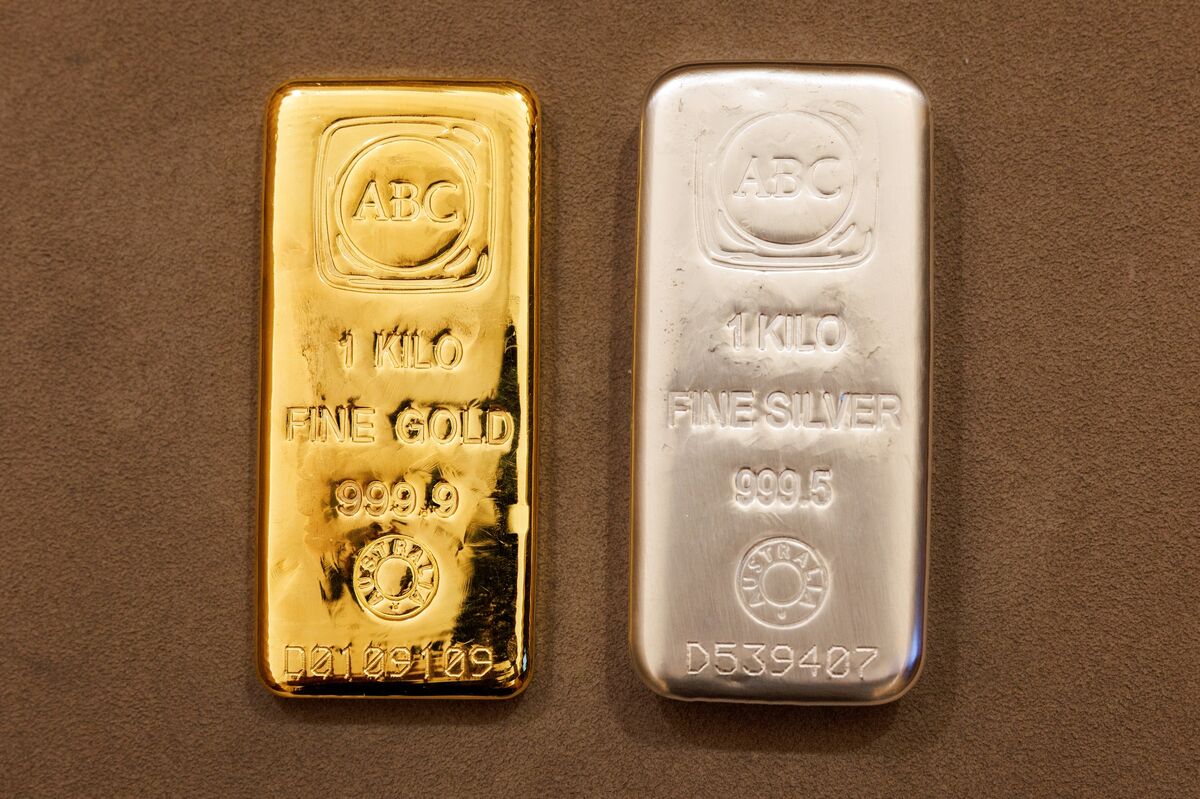
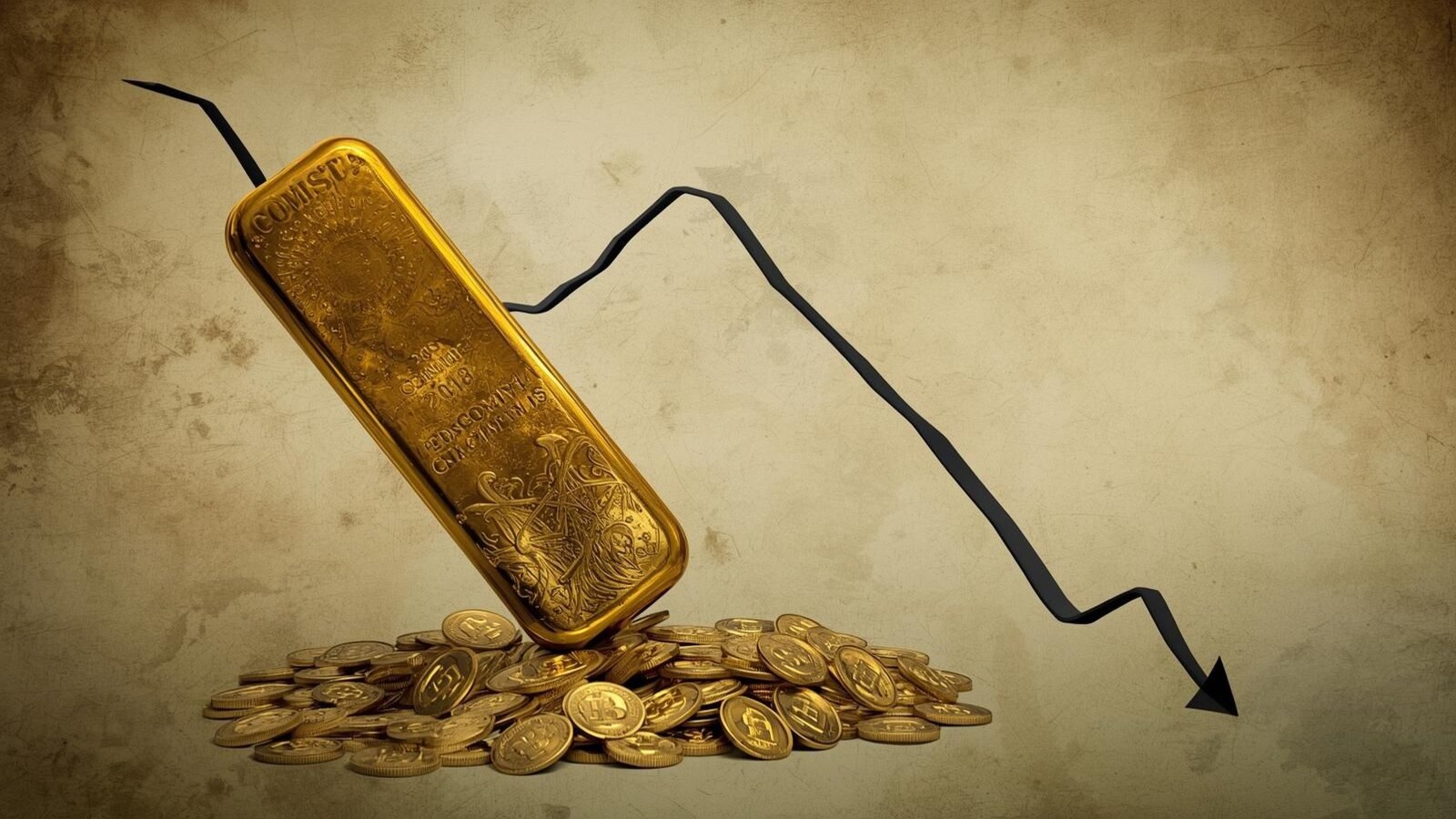
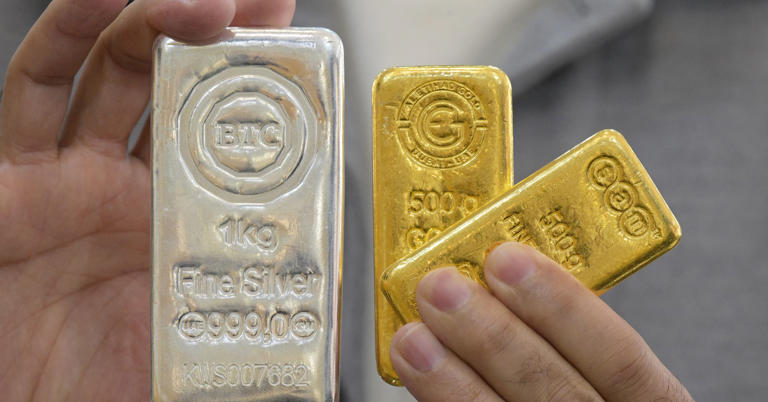
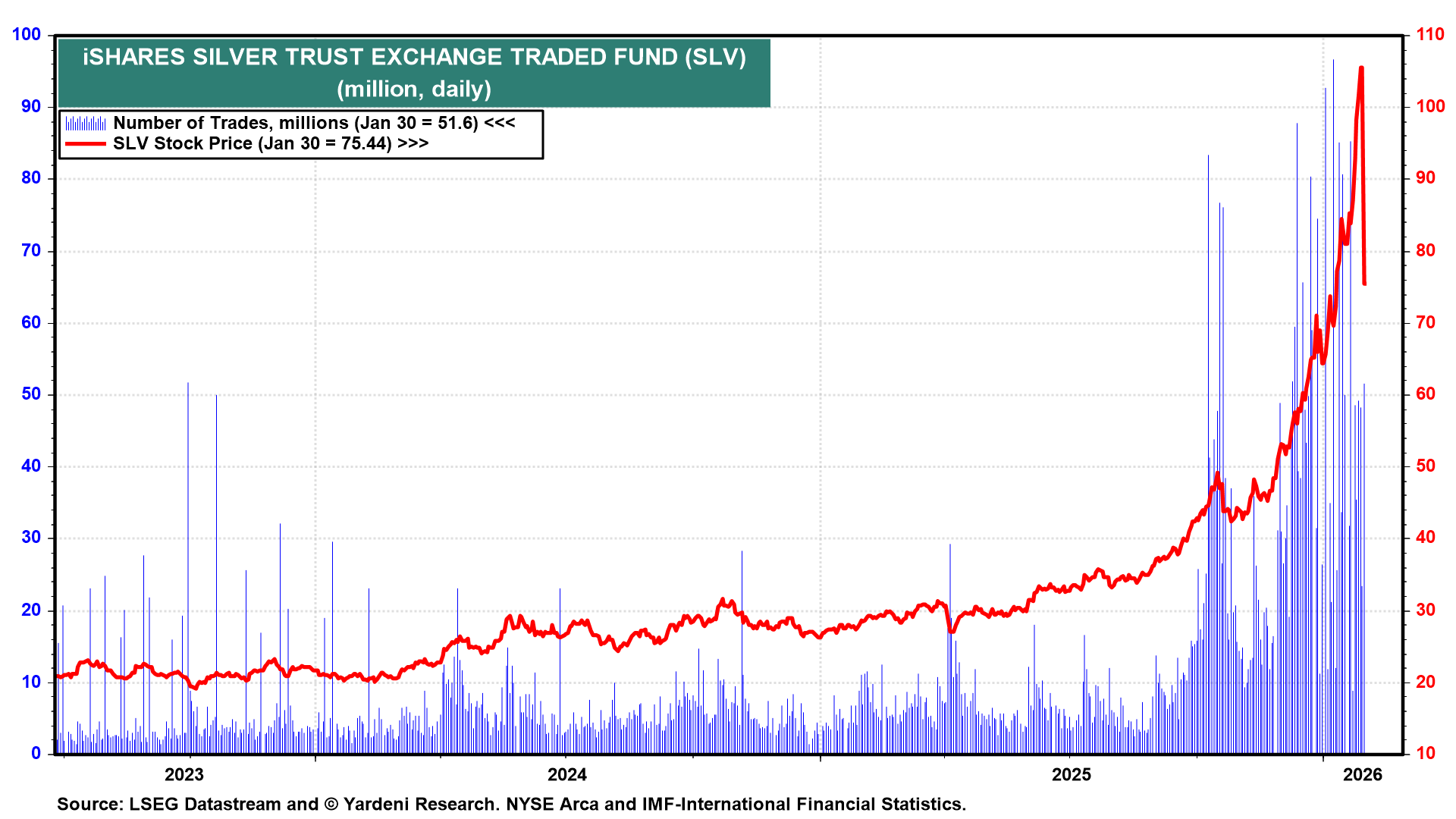
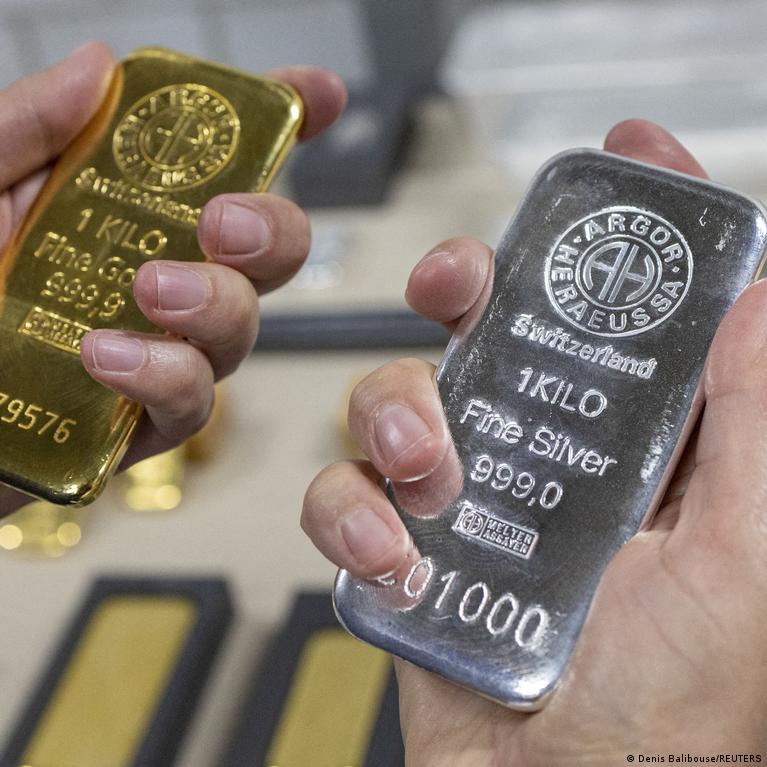
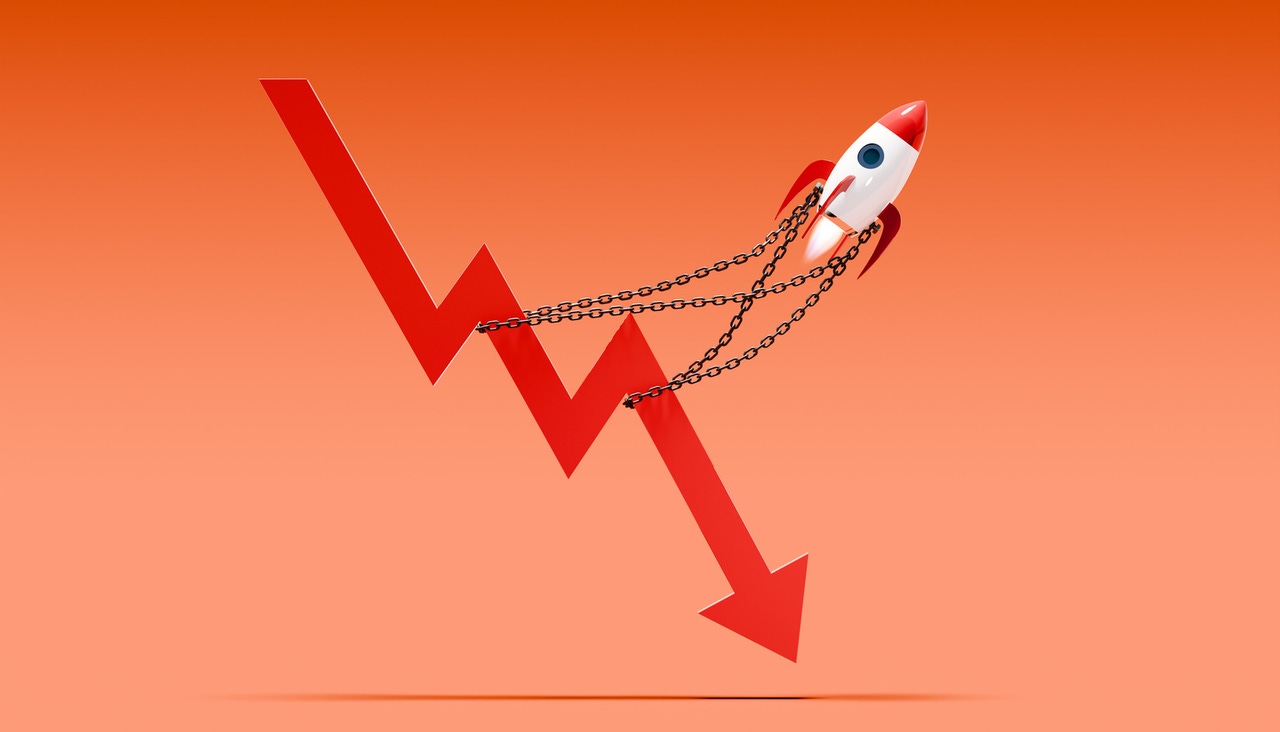
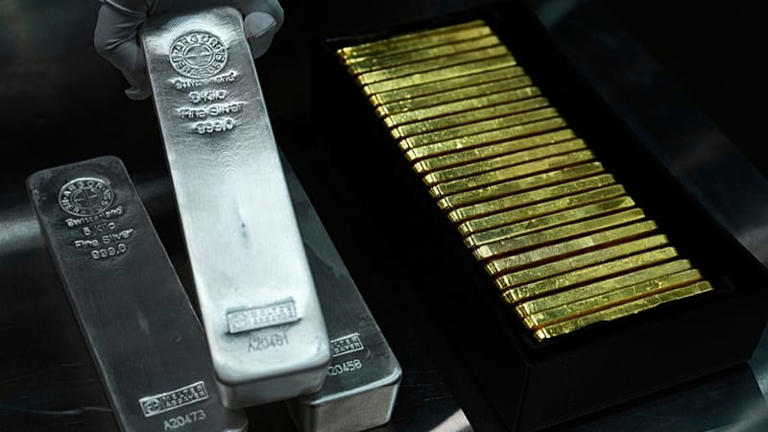
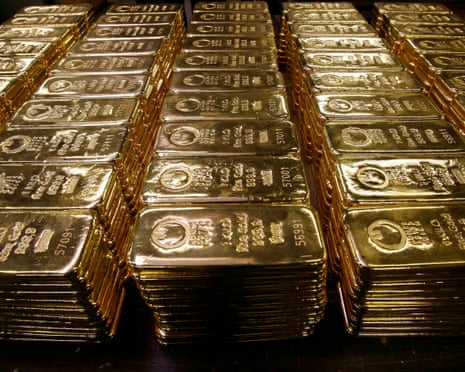
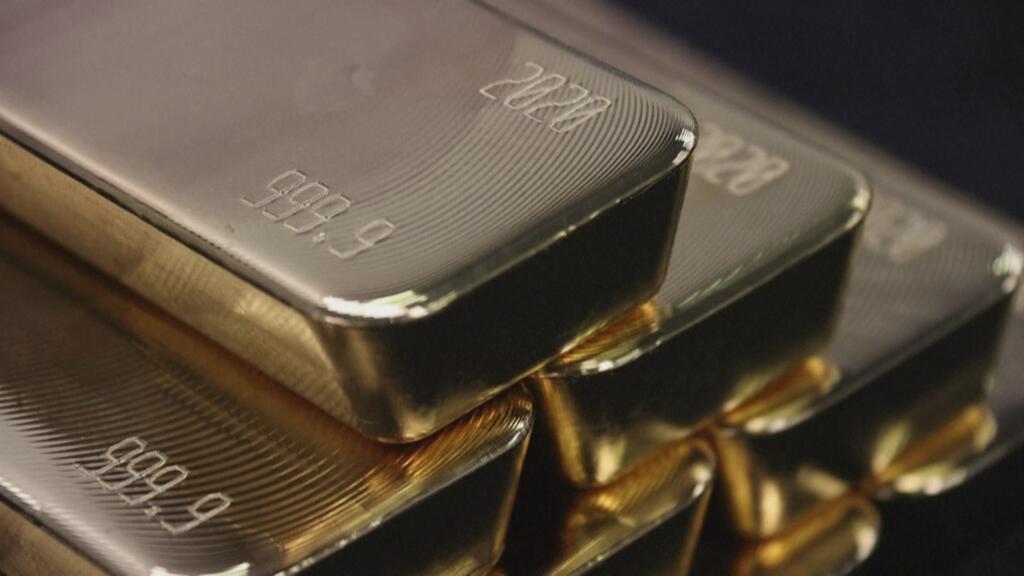
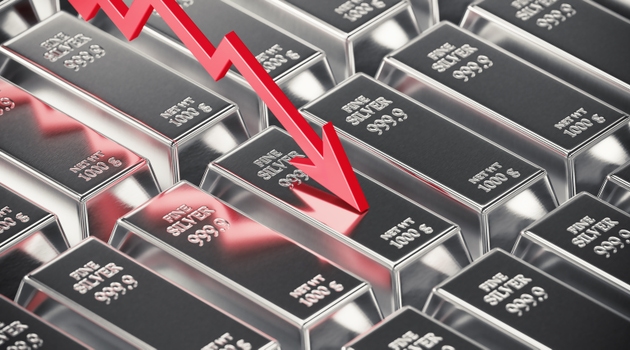
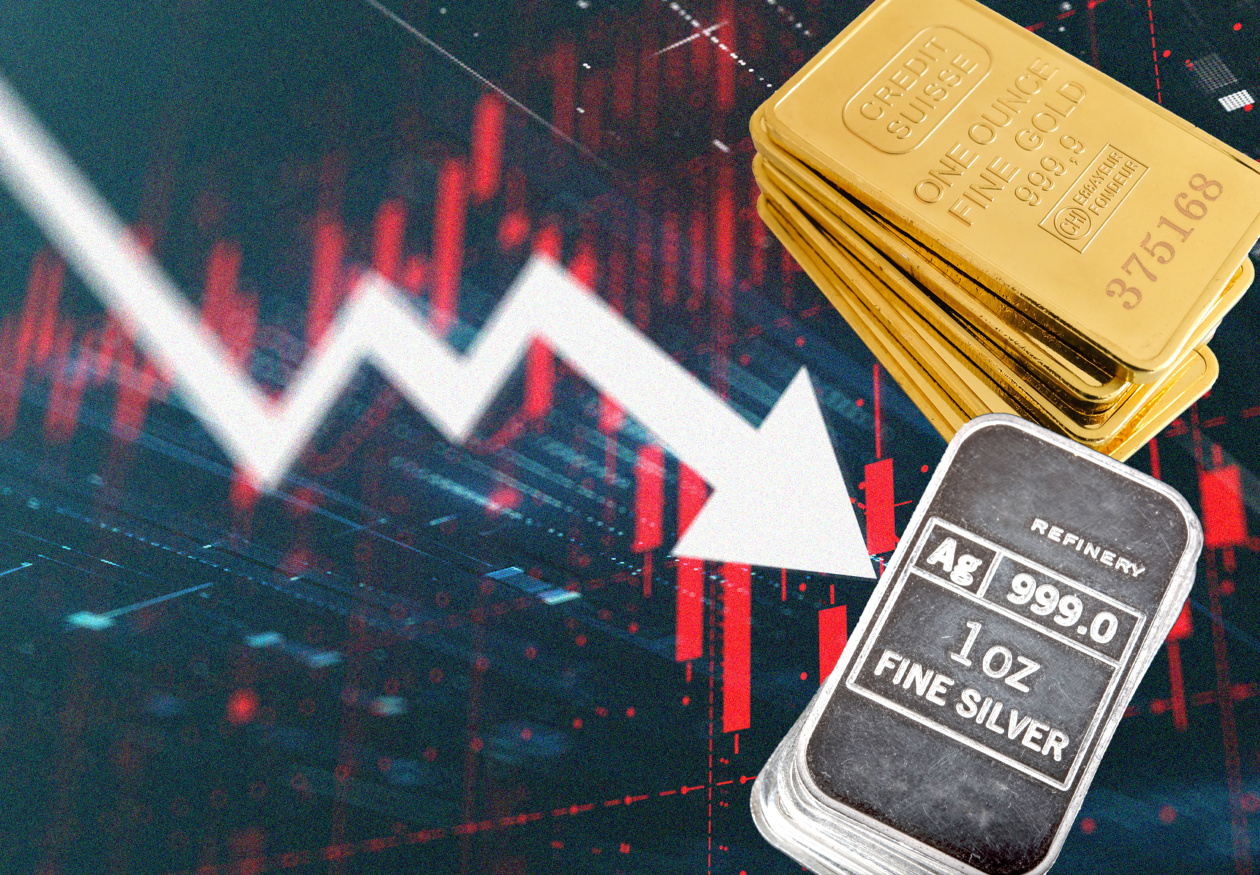
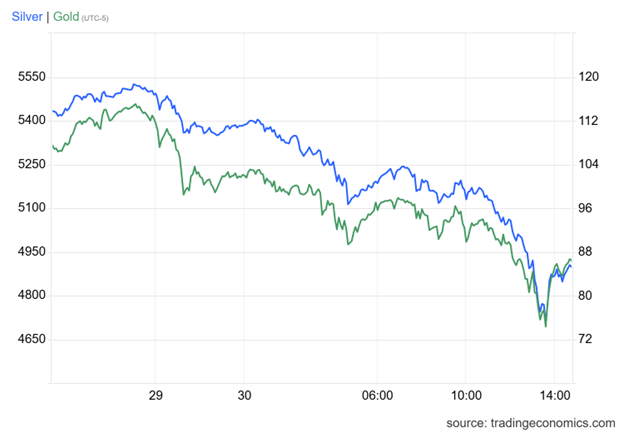
The precious metals market experienced its most severe correction in decades during late January-early February 2026, with gold dropping 9.8% on January 30 (worst day since 1983) and silver plunging 30% on Friday—its worst performance since 1980. Gold fell from an all-time high of $5,594.82 on January 29 to $4,708.19 by February 2, erasing approximately $900 per ounce, while silver shed $33 from its peak of $121.64. This volatility directly impacts cross-border e-commerce sellers in jewelry, luxury goods, and precious metals categories through three critical financial mechanisms.
Payment Cost & Currency Arbitrage Implications: The CME's margin requirement increases (gold futures from 6% to 8%, silver from 11% to 15%) created cascading liquidations among retail traders, intensifying downward price pressure. More critically for sellers, Kevin Warsh's nomination as incoming Federal Reserve chair strengthened the USD Index significantly, making dollar-priced bullion more expensive for international buyers while simultaneously increasing import costs for non-US sellers sourcing materials. Sellers importing jewelry components from Asia or Europe now face 8-12% higher landed costs due to USD strength, compressing margins by 150-300 basis points depending on hedging strategies employed. The stronger dollar creates immediate FX arbitrage opportunities for US-based sellers exporting to weakened currency zones (EUR, GBP, AUD), but simultaneously penalizes sellers with USD-denominated inventory costs.
Working Capital & Financing Stress: The Diamond District in New York—a major nexus for jewelry retailers, wholesalers, and precious metals dealers—experienced significant operational disruption due to rapid price fluctuations and market uncertainty. For cross-border sellers with inventory financed through trade credit or inventory loans, the volatility creates immediate cash flow challenges. Sellers holding precious metals inventory or jewelry with embedded precious metals face potential margin calls from lenders if collateral values decline 15-30%. Invoice financing and supply chain finance products now carry higher rates (50-150 bps premium) due to increased commodity price volatility, increasing working capital costs by $500-2,000 monthly for mid-sized sellers (10,000+ monthly units). The broader equity market decline (Asian stocks worst two-day performance since April, MSCI Asian tech down steepest since November) signals reduced consumer spending on luxury discretionary items, potentially decreasing demand for jewelry by 10-20% in Q1 2026.
Strategic Financing & Hedging Opportunities: Despite current weakness, Barclays analysts note investment demand may remain firm due to expectations for rate cuts and quantitative easing, suggesting precious metals could recover 5-8% within 6-12 months. Sellers can exploit this dislocation through strategic timing: locking in lower material costs now while forward-pricing inventory for anticipated recovery. Cross-border sellers should immediately evaluate payment method optimization—shifting from wire transfers (2-3% fees) to specialized trade finance providers offering 0.5-1.2% rates for precious metals transactions. The stronger USD creates opportunities for US sellers to negotiate better terms with international suppliers facing currency headwinds, potentially unlocking 3-5% cost savings on imported components. Sellers should also consider invoice factoring at 1.5-2.5% rates (vs. traditional 2.5-3.5%) as lenders compete for commodity-backed receivables during volatility periods.
問題 8
How can sellers capitalize on the stronger USD for cost savings?
US-based sellers can negotiate 3-5% cost reductions with international suppliers facing currency headwinds. The USD Index strength makes dollar-priced goods more expensive for overseas buyers, creating negotiating leverage. Sellers should immediately contact suppliers in EUR, GBP, and AUD zones to request price reductions reflecting their currency weakness. Additionally, US sellers exporting to weakened currency zones can increase prices 2-3% while remaining competitive, improving margins by 200-300 basis points on international sales.
What payment methods offer the lowest fees during precious metals market volatility?
Specialized trade finance providers offer 0.5-1.2% rates for precious metals transactions, compared to traditional wire transfers at 2-3%. Invoice factoring rates have compressed to 1.5-2.5% as lenders compete for commodity-backed receivables. For a seller with $100,000 monthly receivables, switching from wire transfers to trade finance saves $1,500-2,000 monthly. Cross-border payment platforms like Wise (formerly TransferWise) offer mid-market FX rates with 0.5-1.5% fees, significantly better than bank rates of 2-4% during volatile periods.