



)
Iran Crackdown Triggers Geopolitical Escalation | Supply Chain & Sanctions Risk for Cross-Border Sellers
- 50,000+ detained protesters, internet blackout, military buildup create cascading risks for Middle East logistics, payment processing, and sanctions compliance across e-commerce operations
)





概览
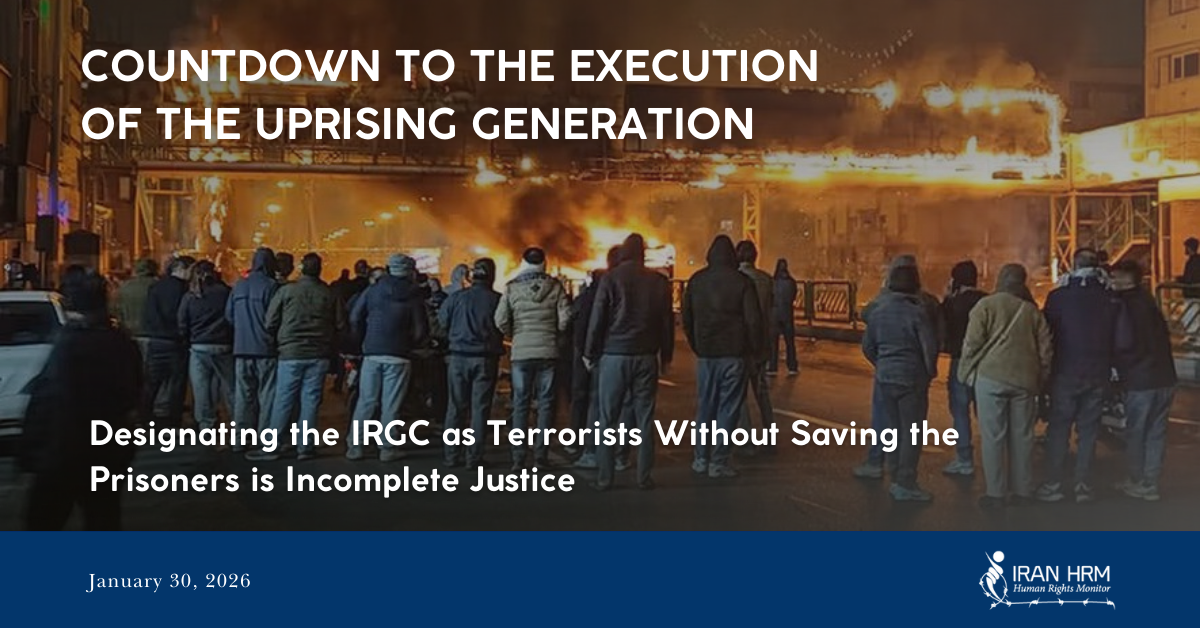
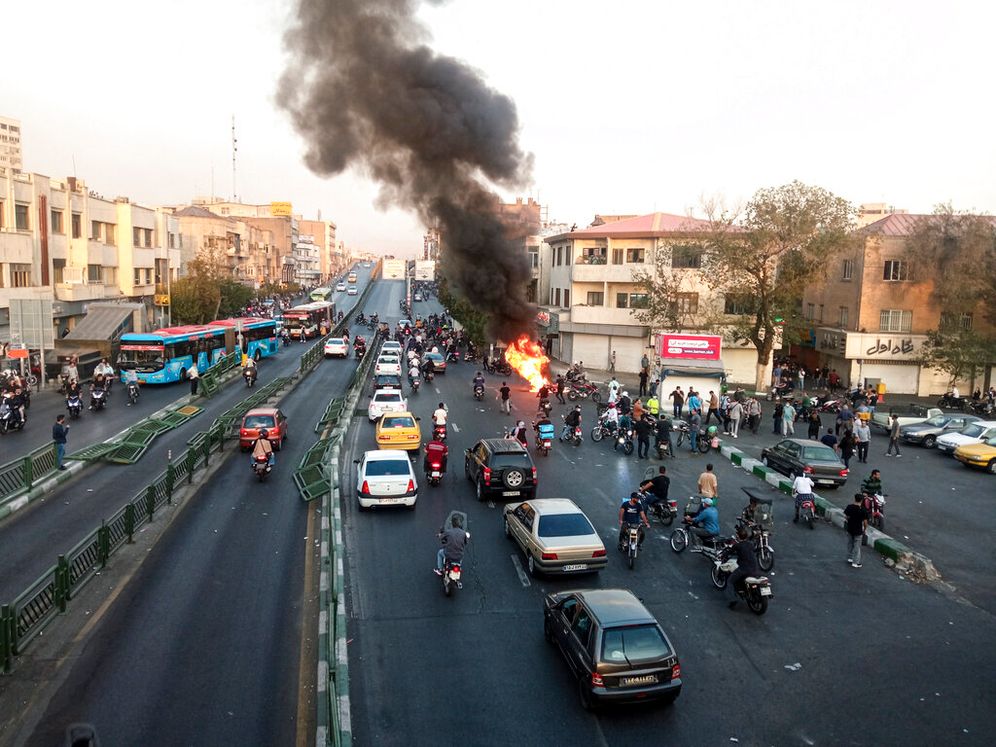
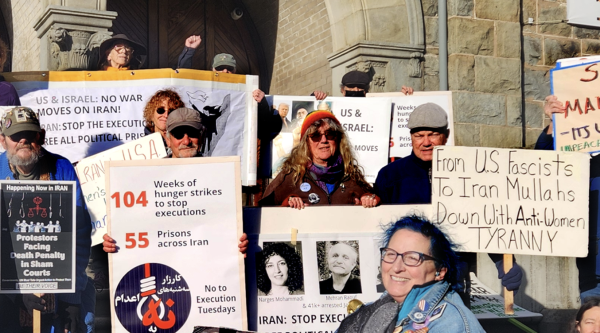
The Iranian government's intensifying crackdown on anti-regime protesters represents a critical geopolitical flashpoint with direct operational implications for cross-border e-commerce sellers. According to multiple reporting sources, Iran has detained over 50,000 protesters with documented evidence of fast-tracked executions, torture, and systematic human rights violations. The regime has implemented a near-total internet blackout to conceal mass arrests and executions, while the U.S. has simultaneously increased military asset deployment to the Persian Gulf region. This escalation creates a multi-layered risk environment for sellers operating in or near Middle Eastern markets.
Internet Infrastructure Disruption and Payment Processing Risk: Iran's internet blackout demonstrates how geopolitical instability directly disrupts digital commerce infrastructure. While Iran itself remains a restricted market for most Western e-commerce platforms due to existing U.S. sanctions, the internet shutdown illustrates how regional political volatility cascades across international logistics networks. Sellers operating 3PL providers or fulfillment centers in neighboring countries (UAE, Saudi Arabia, Turkey) face immediate risks including payment processing interruptions, logistics delays, and platform access limitations. The military buildup in the Persian Gulf suggests potential for further escalation, which could impact global shipping costs and insurance premiums for cross-border commerce routing through the region.
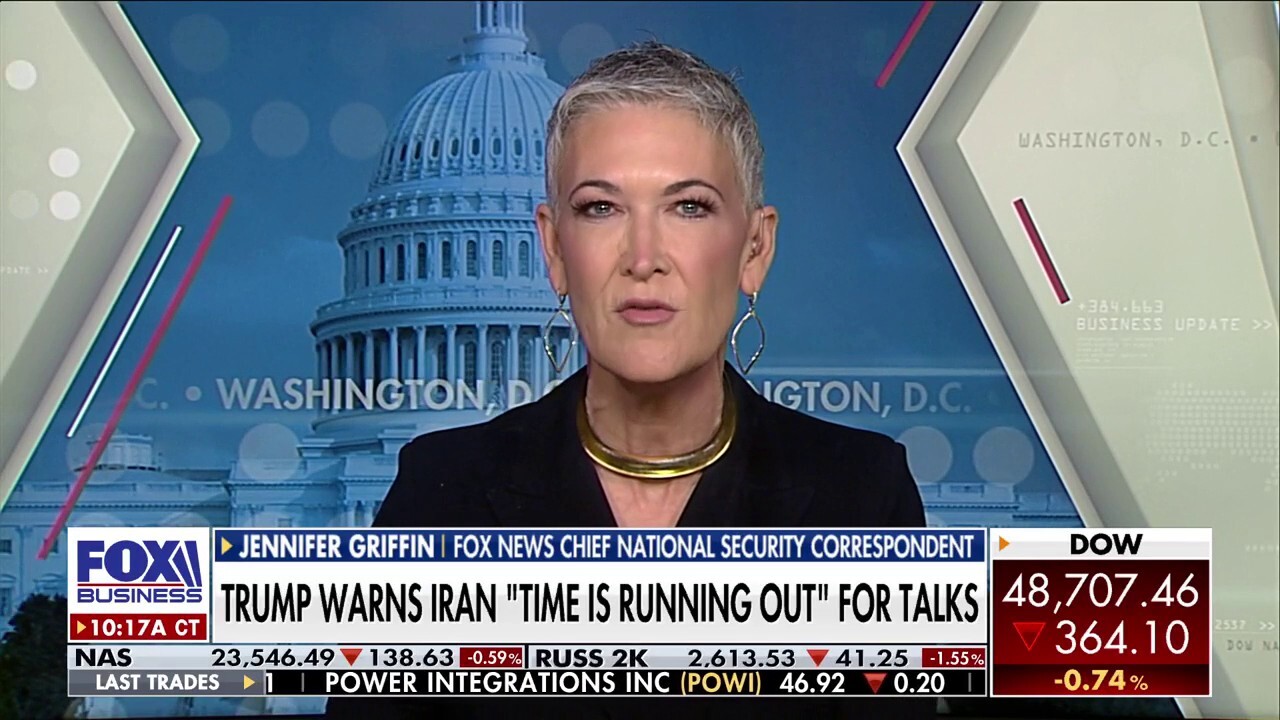
Sanctions Expansion and Supply Chain Vulnerability: The Trump administration's military positioning and diplomatic warnings signal potential expansion of existing Iran sanctions. Historical precedent shows that geopolitical escalations in the Middle East trigger cascading sanctions regimes affecting not just Iran but neighboring countries and international shipping routes. Sellers with supply chain dependencies on Middle Eastern manufacturing hubs, shipping routes through the Strait of Hormuz, or logistics partnerships in the region face heightened regulatory scrutiny and operational constraints. The documented detention of over 49,545 protesters (per HRANA data) and reports of systematic human rights violations create pressure for international sanctions expansion, which could affect tariff classifications, customs processing, and payment system compliance for sellers operating across multiple markets.
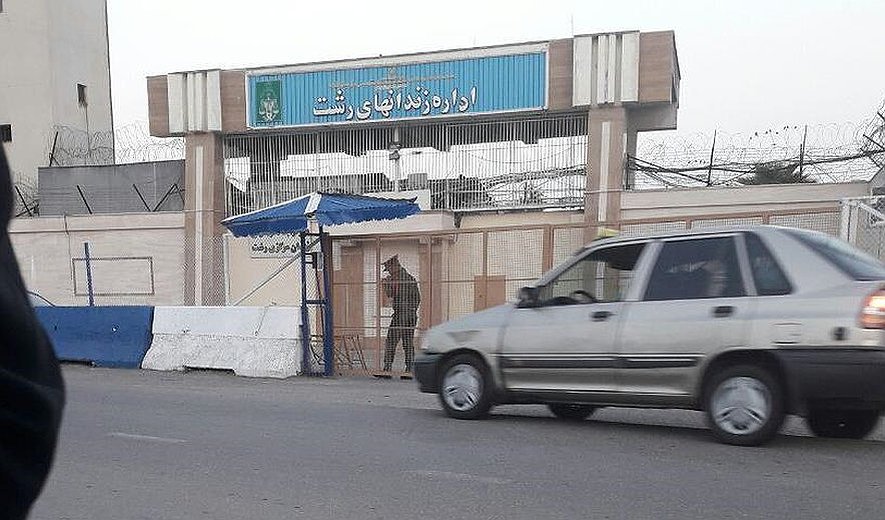
Regional Stability and Logistics Cost Inflation: The combination of internal repression and external military tension creates sustained uncertainty affecting shipping insurance, fuel surcharges, and logistics routing. Sellers shipping to or through Middle Eastern markets should anticipate 5-15% cost increases for insurance premiums and potential 2-4 week delays for customs processing as regulatory agencies increase scrutiny on Iran-related compliance. The documented poor conditions in detention facilities across Kerman, Yazd, and other provinces, combined with reports of forced confessions and torture, indicate a regime under significant internal stress, which historically precedes unpredictable policy shifts affecting international commerce.
問題 8
How does Iran's internet blackout affect cross-border sellers operating in Middle Eastern markets?
Iran's near-total internet shutdown disrupts digital commerce infrastructure across the region, creating payment processing interruptions and logistics delays for sellers with 3PL operations in neighboring countries. While Iran itself is already a restricted market due to U.S. sanctions, the blackout demonstrates how regional instability cascades to affect shipping routes through the Strait of Hormuz and payment systems serving the broader Middle East. Sellers should expect 2-4 week delays in customs processing and 5-15% increases in shipping insurance premiums as regulatory agencies increase scrutiny on Iran-related compliance. The military buildup suggests sustained uncertainty affecting logistics costs through at least Q2 2026.
What sanctions risks should sellers monitor given the U.S. military escalation in the Persian Gulf?
The Trump administration's military positioning and diplomatic warnings signal potential expansion of existing Iran sanctions regimes. Historical precedent shows geopolitical escalations in the Middle East trigger cascading sanctions affecting not just Iran but neighboring countries and international shipping routes. Sellers with supply chain dependencies on Middle Eastern manufacturing, shipping through the Strait of Hormuz, or logistics partnerships in the region face heightened regulatory scrutiny. The documented detention of 50,000+ protesters and systematic human rights violations create international pressure for expanded sanctions, which could affect tariff classifications, customs processing, and payment system compliance. Sellers should audit their supply chain partners and shipping routes for Iran exposure by February 2026.