

NBA Draft Meets College Basketball Disruption: James Nnaji's Unprecedented Career Pivot
- Emerging Flexibility in Athlete Development Challenges Traditional Sports Career Pathways











概览
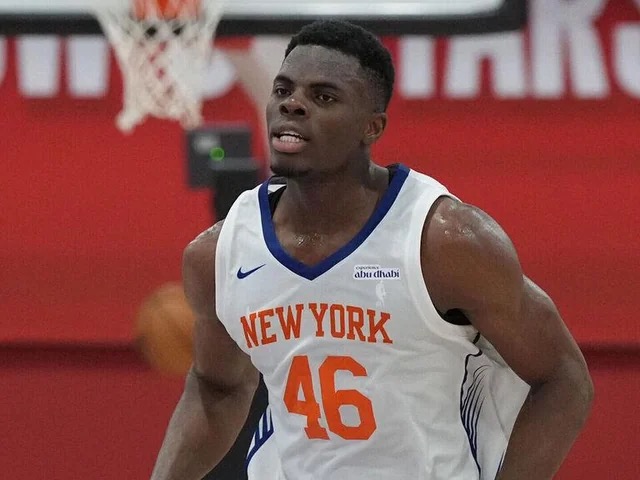
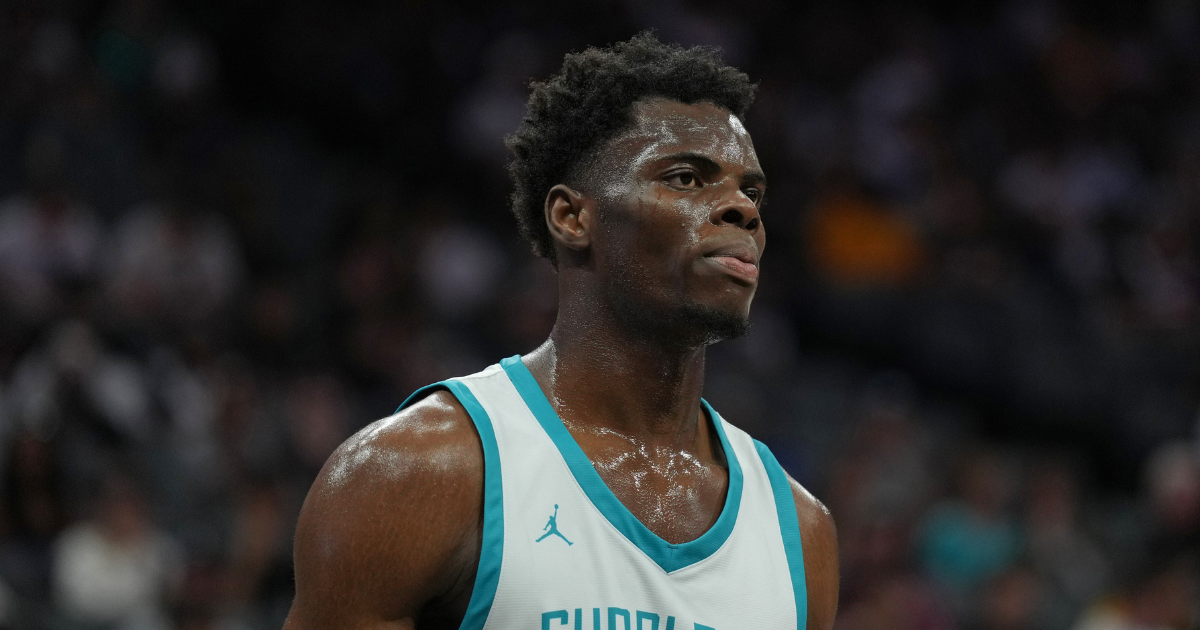
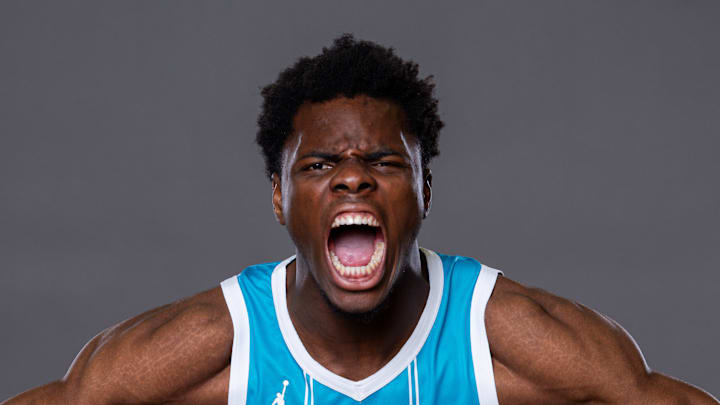
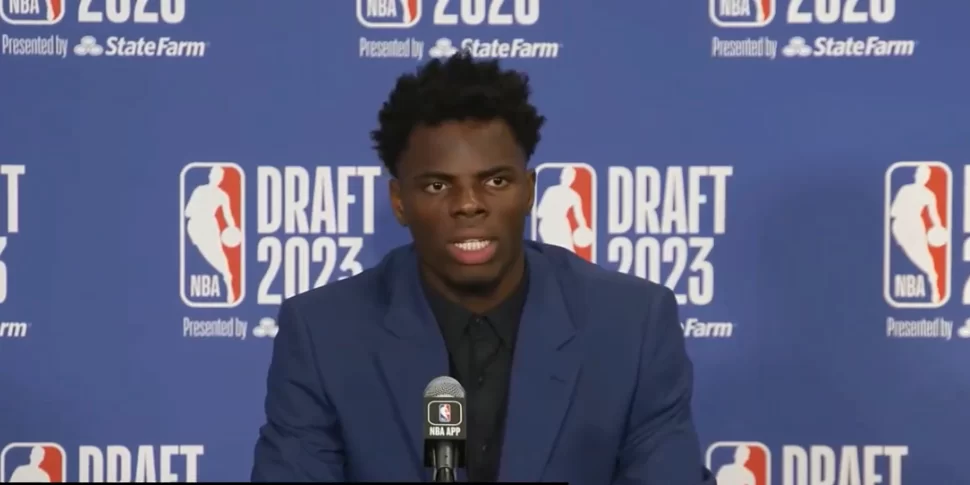
The world of professional and collegiate sports is experiencing a radical transformation, epitomized by James Nnaji's extraordinary career move. At just 21 years old, this Nigerian basketball player has shattered conventional career progression by becoming an NBA draft pick who is simultaneously returning to collegiate athletics—a development that signals profound shifts in athlete mobility and institutional flexibility.
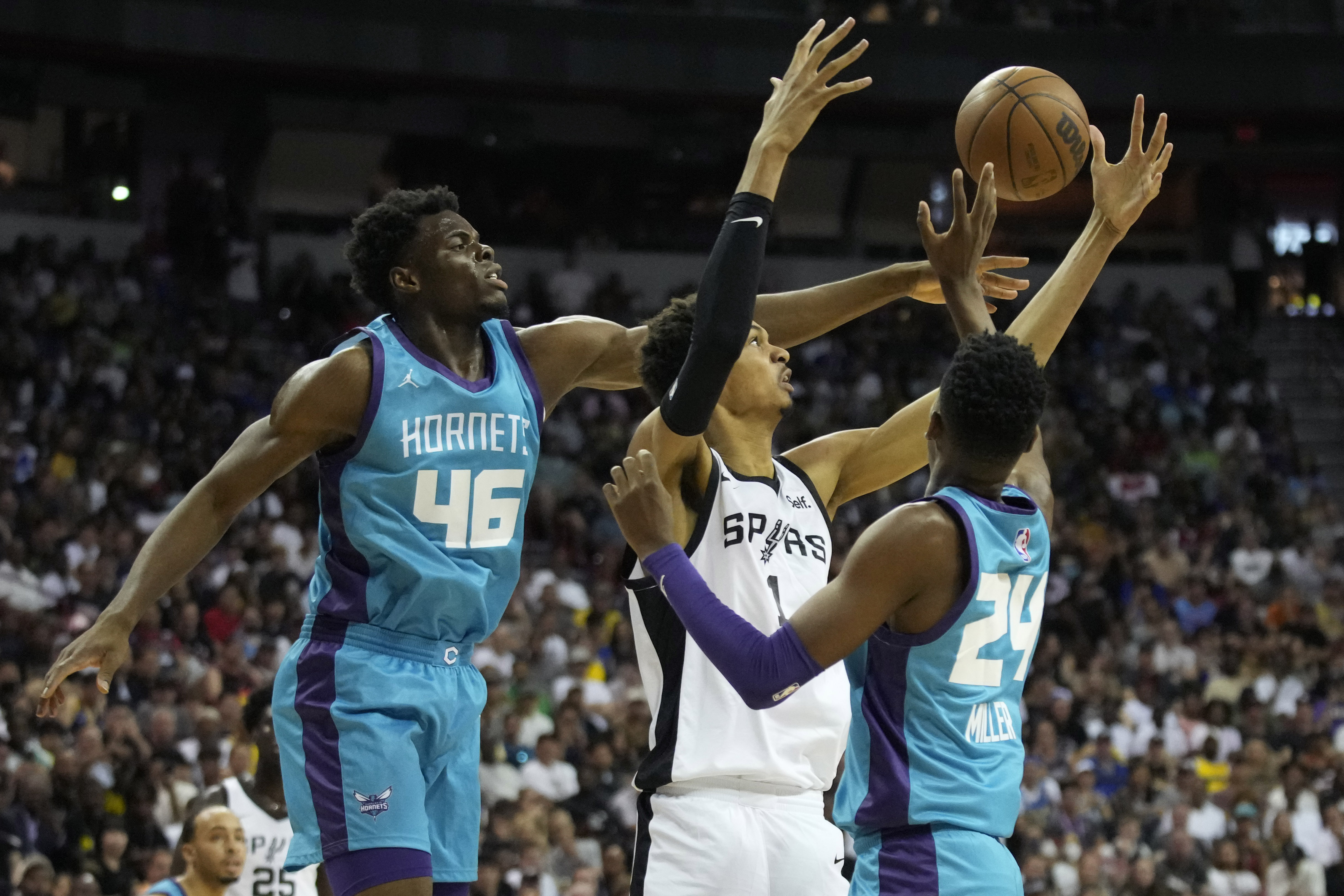
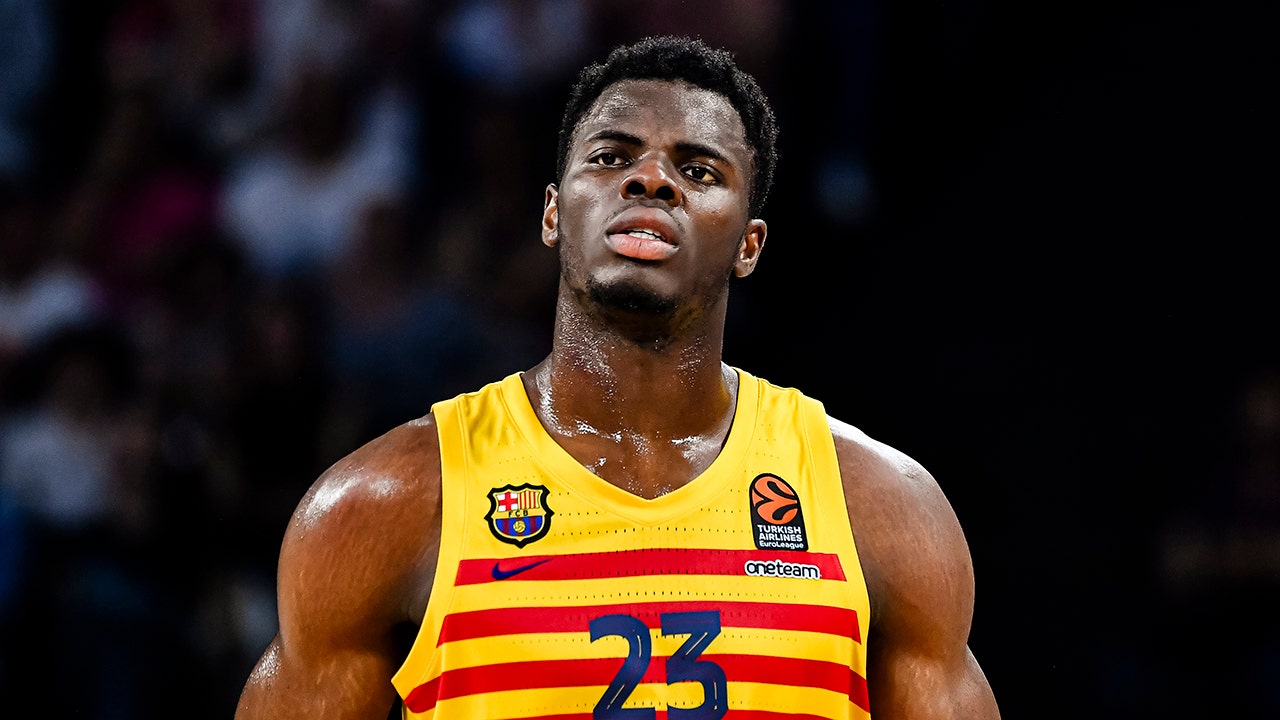
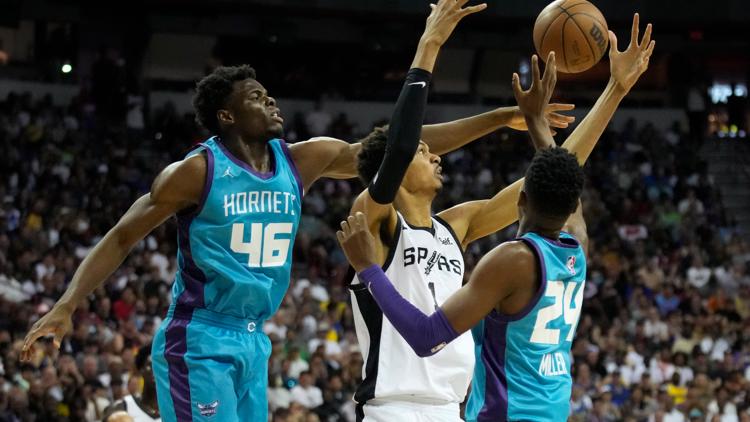
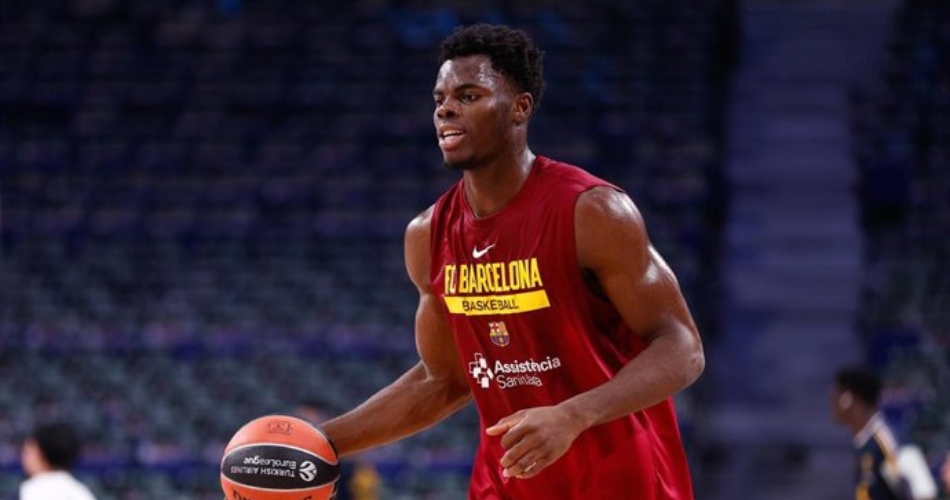
Unprecedented Eligibility Dynamics are at the heart of this story. Nnaji, drafted 31st overall in 2023, never signed an NBA contract and has been granted four years of NCAA eligibility—a scenario that challenges long-standing assumptions about professional and amateur sports boundaries. His international experience with FC Barcelona and performance in the NBA Summer League (averaging 3.2 points and 3.6 rebounds) positioned him uniquely to leverage this complex regulatory landscape.
The broader implications extend far beyond Nnaji's individual journey. This represents a systemic evolution in athlete development, where traditional linear career paths are giving way to more dynamic, flexible models. For international athletes especially, this signals an emerging paradigm of strategic career navigation that prioritizes individual growth over rigid institutional constraints. The move highlights how Name, Image, and Likeness (NIL) opportunities and increasingly fluid sports regulations are reshaping talent management.
Critically, this trend is not isolated. Other athletes like Thierry Darlan and London Johnson have similarly transitioned between professional and collegiate systems, suggesting a fundamental restructuring of sports career architectures. The controversy surrounding these moves—with coaches like Tom Izzo expressing frustration—underscores the disruptive nature of these emerging pathways.
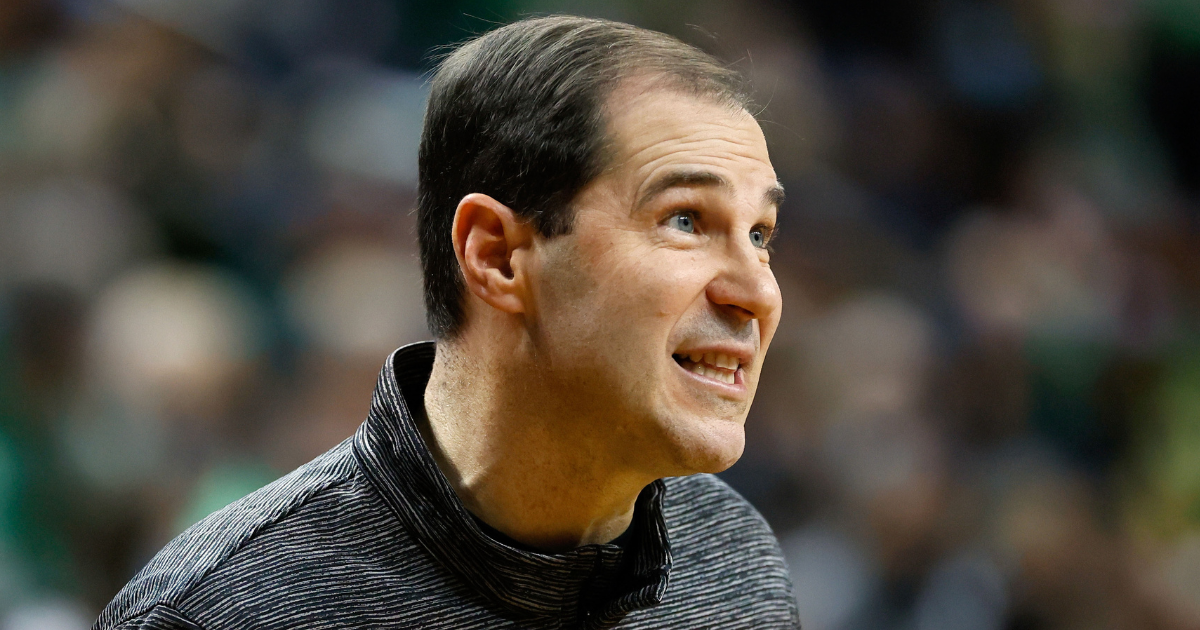
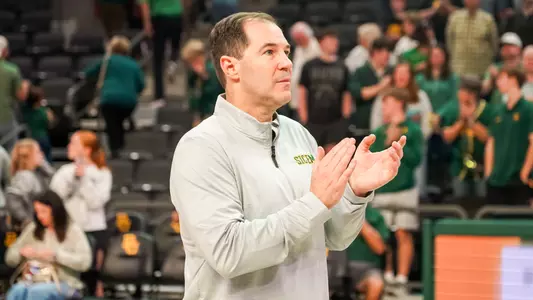
For Baylor University, Nnaji represents more than a strategic recruitment; he embodies a potential solution to immediate competitive challenges, joining a team significantly impacted by injuries. His mid-season arrival demonstrates the practical adaptability now possible in collegiate sports recruitment.
The strategic takeaway is clear: sports institutions must now design more flexible, athlete-centric development frameworks that recognize the complex, global nature of modern athletic talent. This isn't just about one player's unique journey, but a fundamental reimagining of how athletic careers can be constructed in an increasingly interconnected global sports ecosystem.
問題 3
Why are NCAA regulations allowing these unconventional transitions?
The rise of Name, Image, and Likeness (NIL) opportunities and a more athlete-centric approach are driving regulatory flexibility. These changes recognize the global nature of sports talent and aim to provide more comprehensive development opportunities for athletes.
What are the broader implications of this trend for international athletes?
This trend suggests increasing opportunities for strategic career navigation, where athletes can leverage complex regulatory environments to optimize their development. For international players like Nnaji, it means more flexible pathways that prioritize individual growth over institutional constraints.