



Rafah Border Reopening Creates Medical Supply & Humanitarian Logistics Opportunities | Cross-Border Sellers Guide
- Limited 50-patient daily capacity signals phased market opening for medical device sellers and humanitarian logistics operators targeting Middle East reconstruction













概览
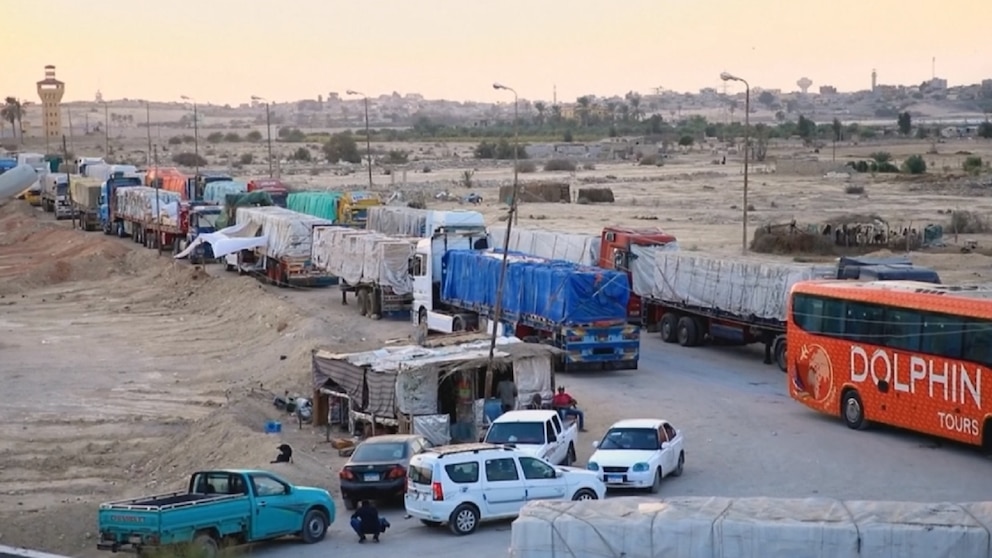
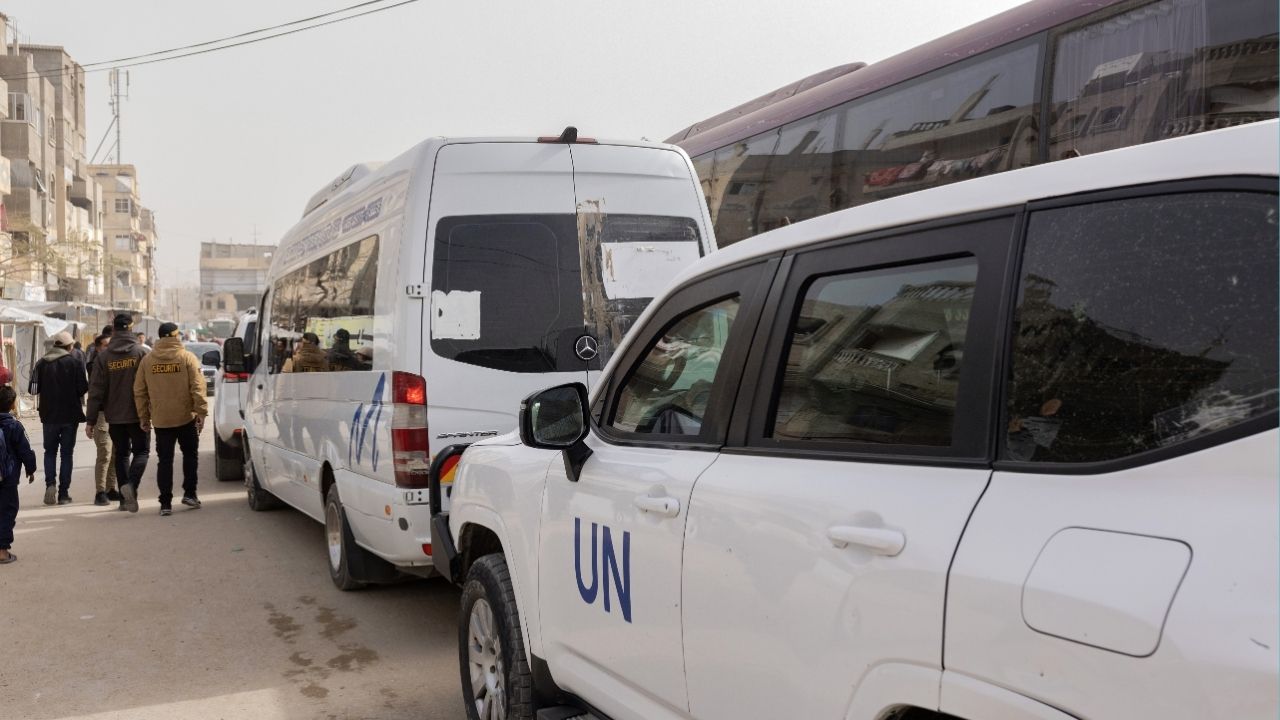
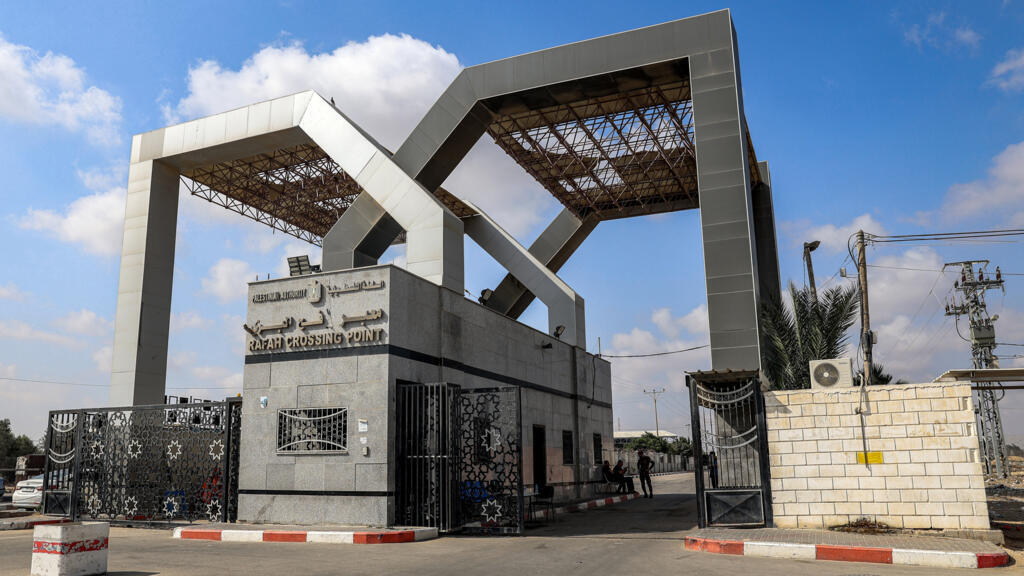
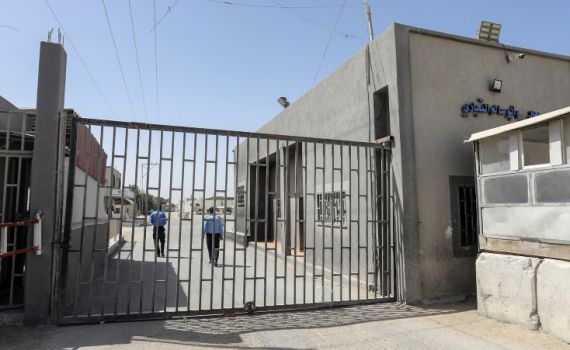
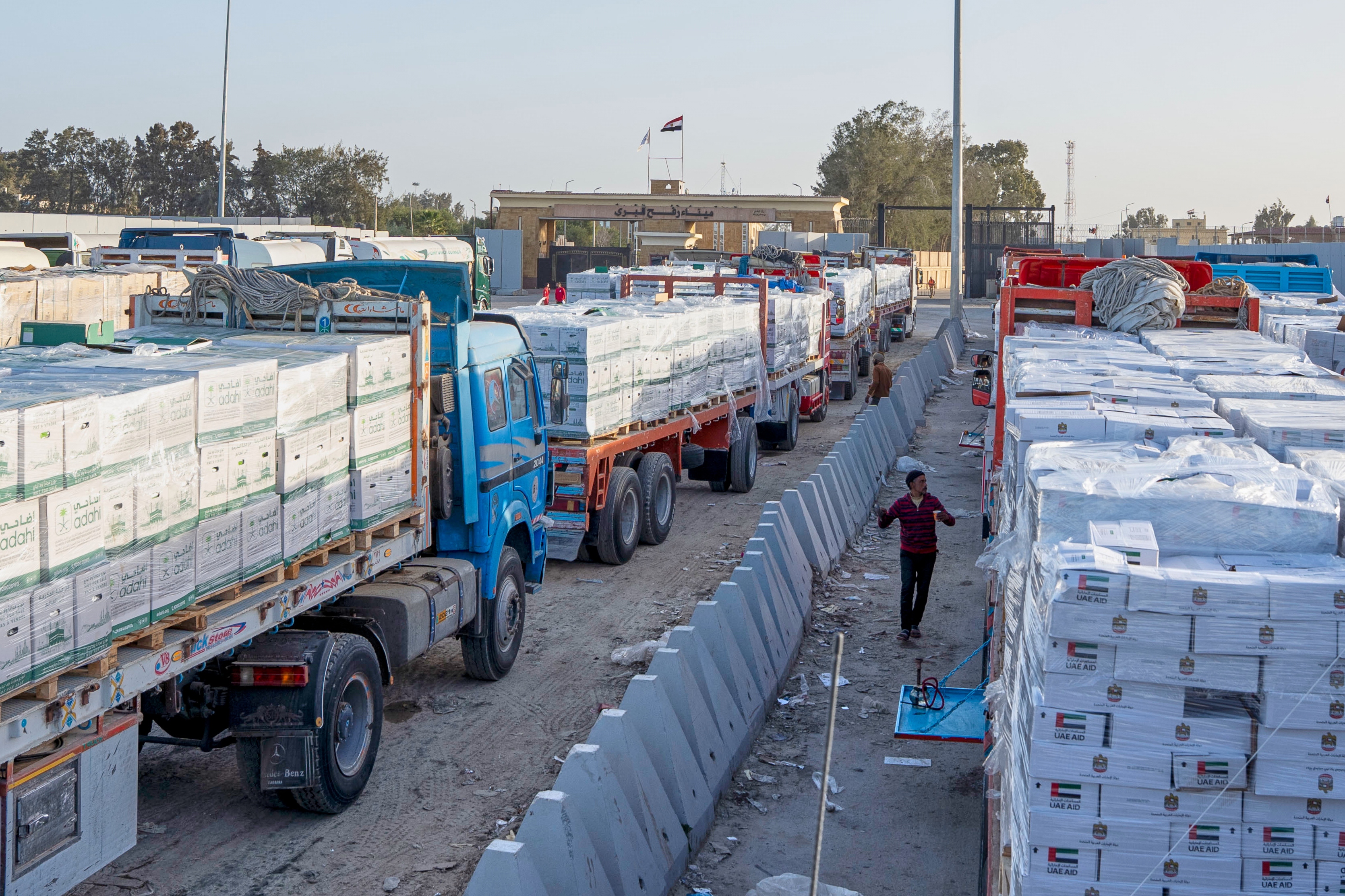
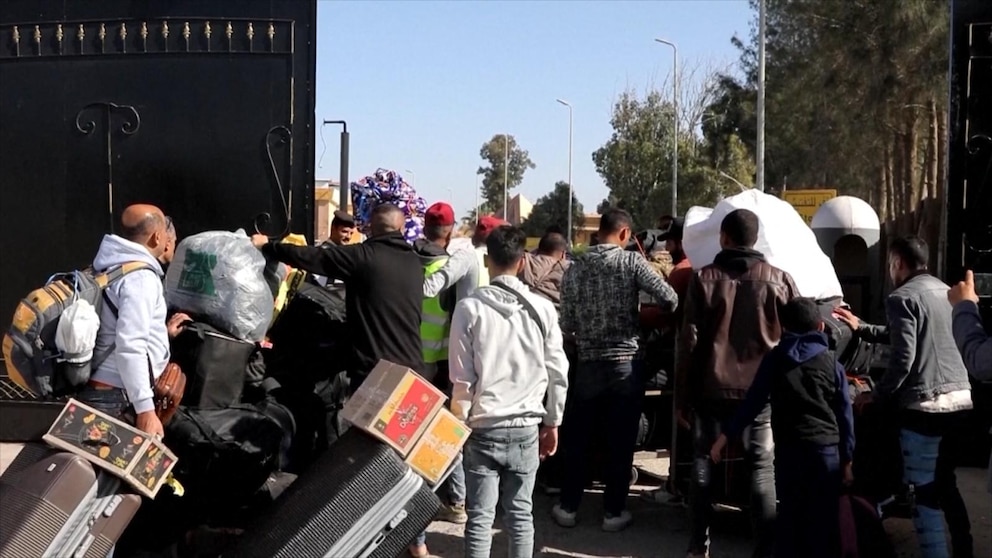
The Rafah border crossing between Gaza and Egypt has partially reopened on February 2, 2026, after remaining completely closed since May 2024, marking the first implementation phase of Trump's Gaza peace plan. This development creates significant opportunities for cross-border sellers in medical supplies, humanitarian logistics, and reconstruction-phase goods. The operational framework is highly restrictive: only 50 patients daily can exit for medical treatment (with 1-2 companions), while 50 returnees can enter daily. On the first day, only 5 patients crossed—far below capacity—indicating gradual ramp-up potential. The WHO oversees patient transfers, EU Border Assistance Mission (EUBAM) supervises operations, and Israel maintains remote security screening through the new 'Regavim' checkpoint.
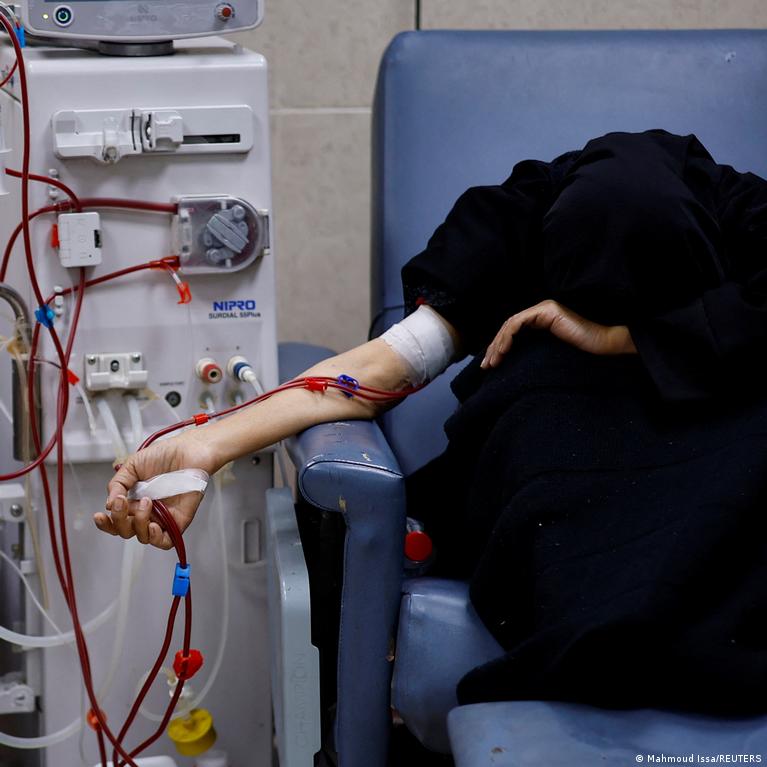
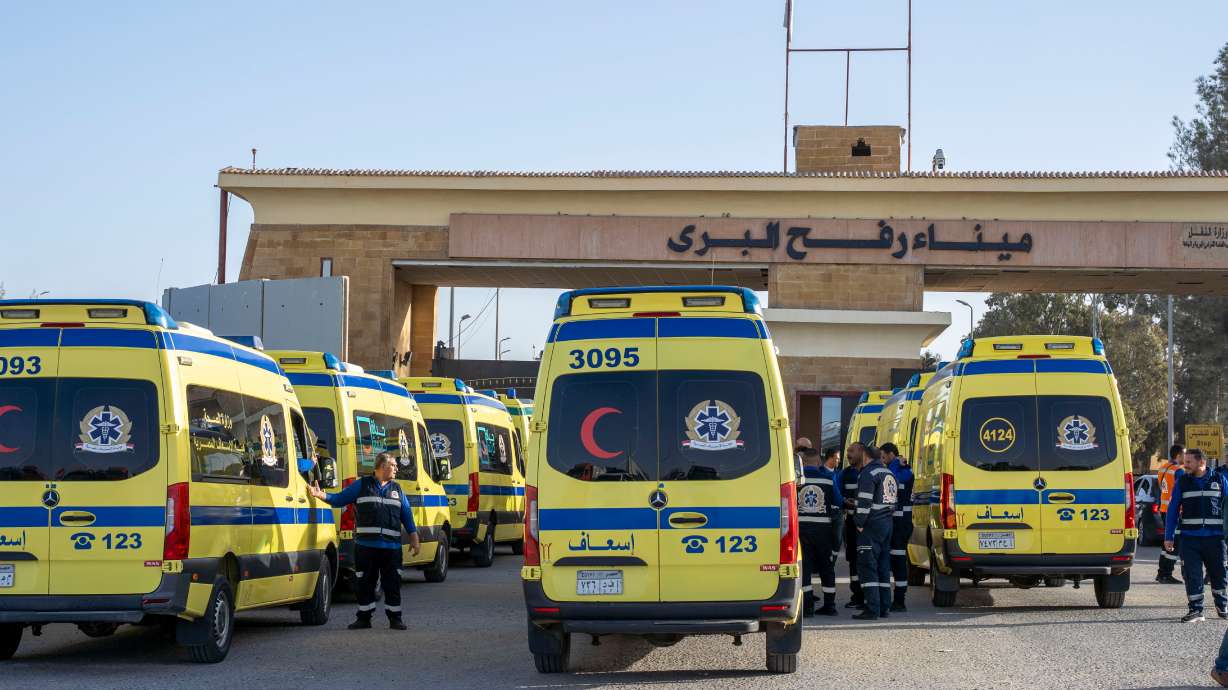
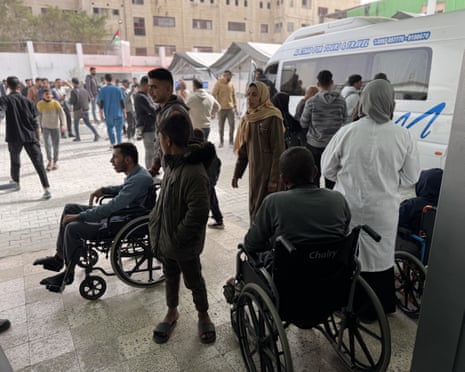
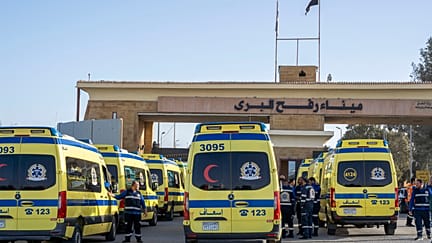
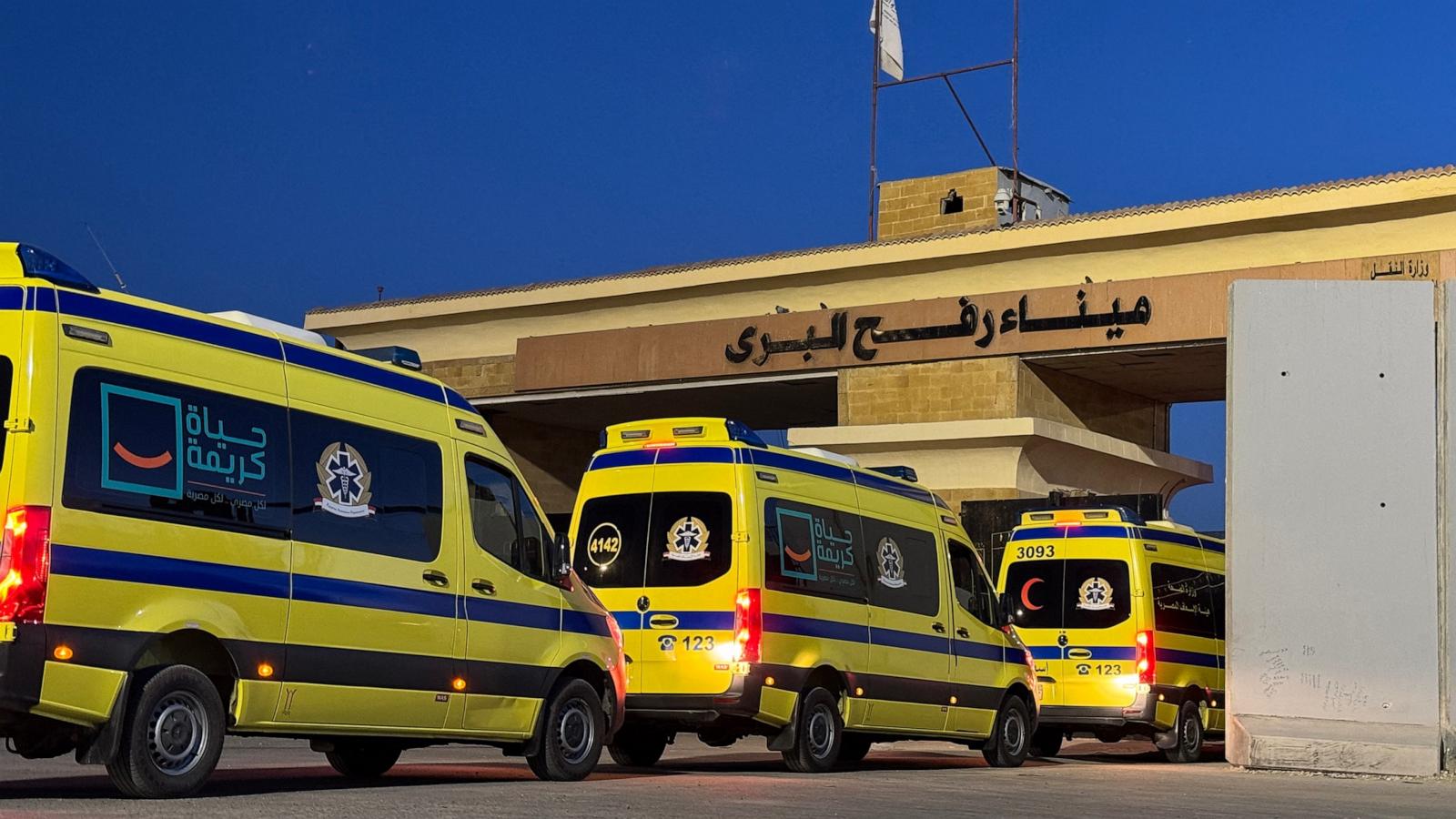
For medical device and pharmaceutical sellers, this represents a critical market signal. Approximately 20,000-22,000 Palestinians require urgent medical evacuation, with the World Health Organization confirming 900+ deaths while awaiting border access. Gaza's only specialized cancer treatment hospital was destroyed in March 2025, creating acute demand for portable diagnostic equipment, CPAP machines (referenced in news), kidney dialysis supplies, and cancer treatment medications. The Egyptian Ministry of Health has mobilized 150 hospitals and 300 ambulances to receive patients—indicating substantial downstream demand for medical consumables, patient transport equipment, and hospital supplies. Sellers offering HS codes 9018 (medical instruments), 3004 (medicinal preparations), and 3002 (blood/serum products) should prioritize Egypt and Palestinian Authority market entry.
For humanitarian logistics operators, the phased reopening creates a 6-18 month window before commercial cargo restrictions potentially ease. Currently, movement is restricted to medical evacuations only—humanitarian aid enters through Israel's Kerem Shalom crossing instead. However, the German foreign ministry committed to "systematic opening of additional crossings for goods and supplies," signaling future expansion. More than 30,000 Gazans registered with the Palestinian embassy in Cairo seeking return, plus 10,700 previously evacuated patients completing treatment abroad—this population movement will drive demand for personal goods, household items, and reconstruction materials. Sellers should monitor official announcements from Egyptian and Palestinian authorities for permitted cargo categories and capacity expansion timelines.
Competitive dynamics favor specialized sellers over generalists. Small-to-medium medical device suppliers (1-50 employees) can establish direct relationships with Egyptian hospitals and Palestinian health authorities before larger competitors enter. The EU's civilian mission presence creates compliance advantages for sellers with EU certifications (CE marking for medical devices). Sellers already operating in Egypt or with existing 3PL networks in North Sinai can capture first-mover advantage in the 2-4 month window before the crossing stabilizes at higher capacity. Risk remains substantial: the crossing has historically experienced frequent closures, and current operations depend on maintaining Israeli security approval and EU oversight—both subject to geopolitical shifts.
問題 7
What specific medical products are in highest demand from Gaza's reopened border crossing?
Approximately 20,000-22,000 Palestinians require urgent medical evacuation, with critical shortages in cancer treatment medications, kidney dialysis supplies, CPAP machines (referenced in patient cases), and portable diagnostic equipment. Gaza's only specialized cancer treatment hospital was destroyed in March 2025, creating acute demand for oncology drugs (HS code 3004), blood/serum products (HS code 3002), and medical instruments (HS code 9018). The Egyptian Ministry of Health's deployment of 150 hospitals and 300 ambulances signals downstream demand for patient transport equipment and hospital consumables. Sellers should prioritize products with EU CE certification, as the EU Border Assistance Mission supervises operations and can expedite approvals for compliant devices.
How does the 50-patient daily limit affect cross-border seller logistics planning?
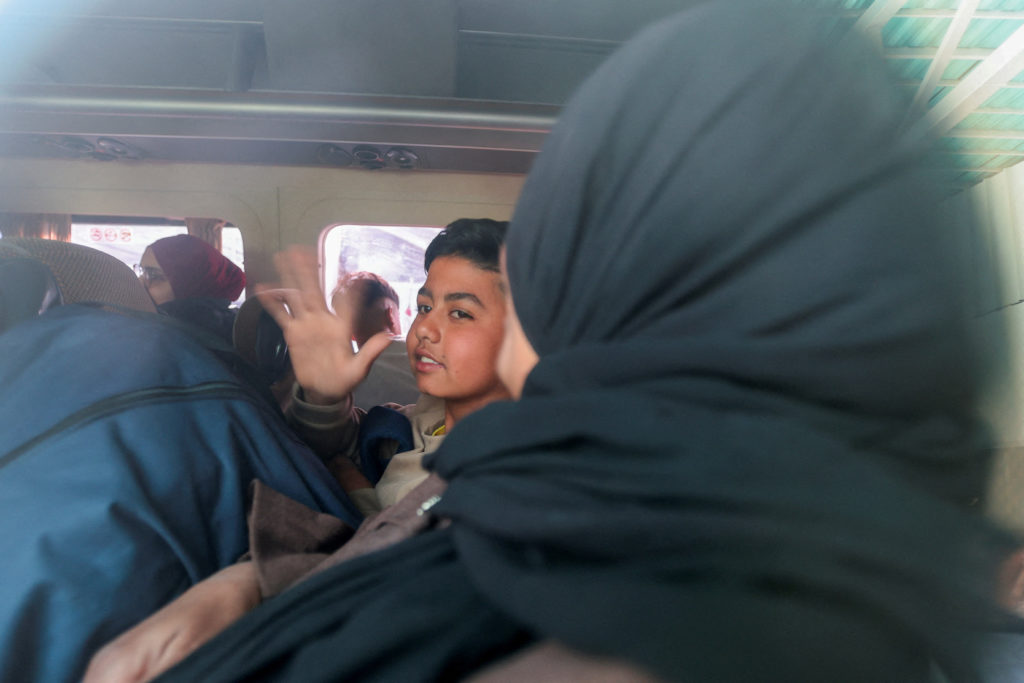
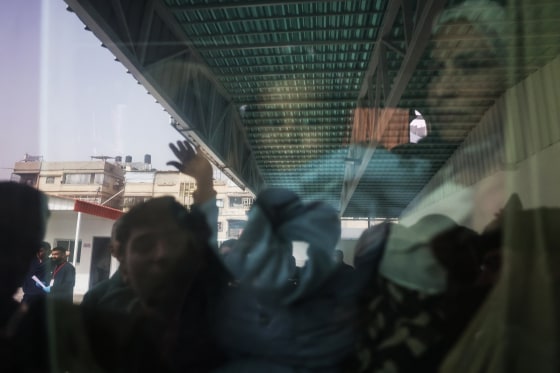
The Rafah crossing currently permits only 50 patients daily to exit (with 1-2 companions) and 50 returnees to enter—though actual day-one volume was only 5 patients, indicating gradual ramp-up. This creates a 6-18 month window before capacity stabilizes, allowing sellers to establish supply chains incrementally rather than requiring immediate large-scale operations. The WHO oversees patient transfers via bus to the 'Yellow Line' checkpoint, meaning sellers should coordinate with WHO-approved logistics providers. The German foreign ministry committed to opening additional crossings for goods, suggesting commercial cargo restrictions may ease within 6 months. Sellers should avoid committing large inventory until official announcements confirm expanded capacity and permitted cargo categories.