



Crypto Market Volatility Signals Treasury Risk for Tech Companies | Seller Payment Processing Impact
- BitMine Immersion faces $6B notional Ether losses amid 4.285M ETH holdings; stock drops $6.57 to $23.45 on Feb 2, 2026, signaling broader corporate crypto exposure risks affecting fintech payment infrastructure for cross-border sellers
































概览
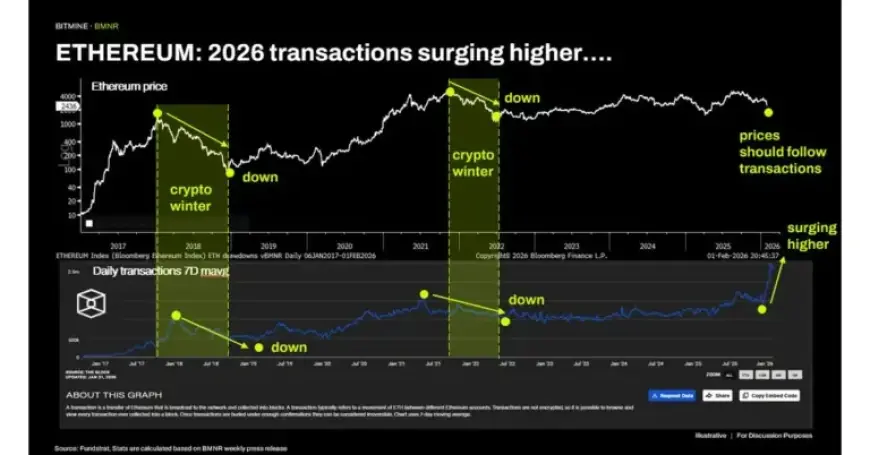
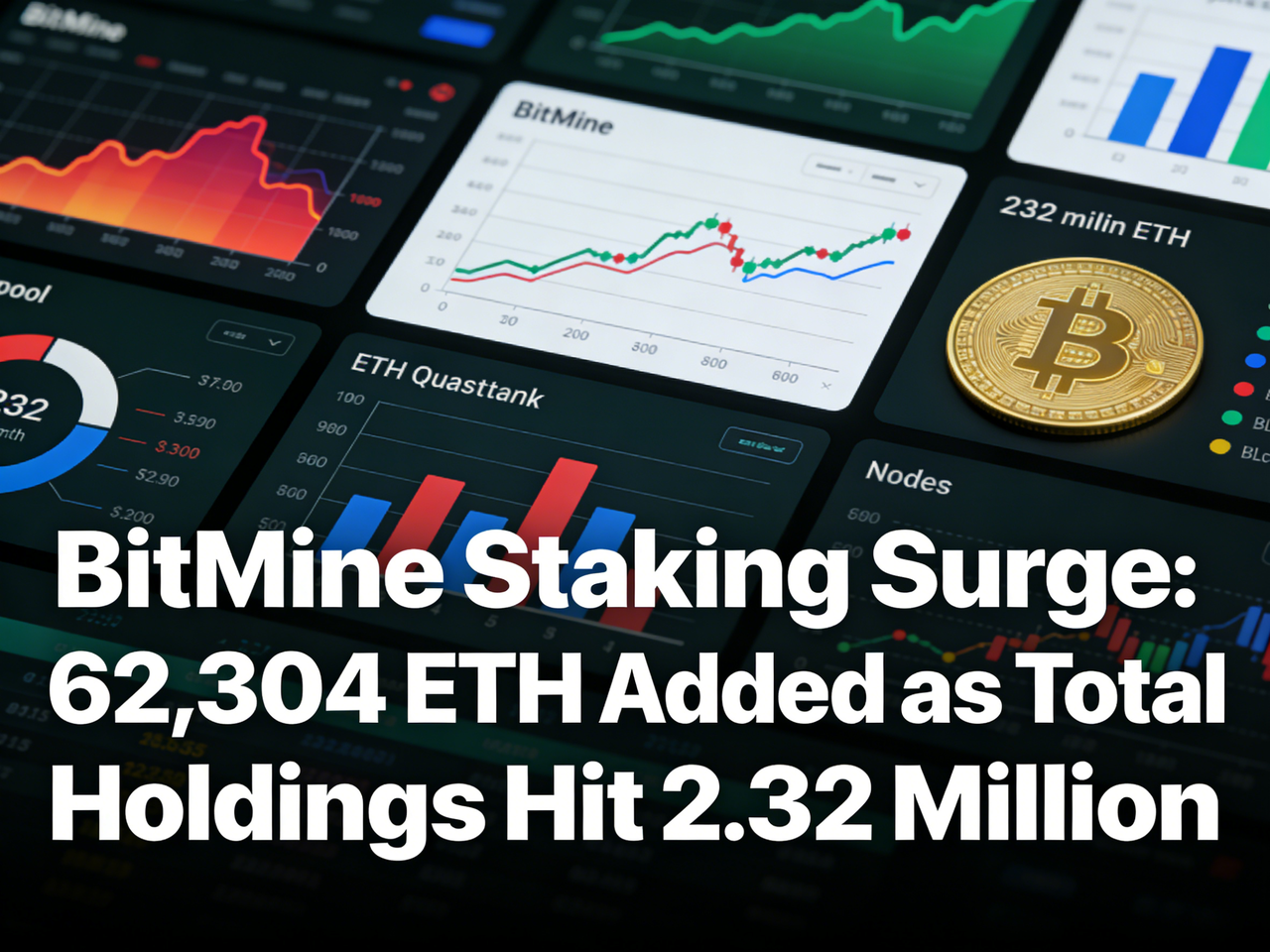
BitMine Immersion Technologies (BMNR) faces significant cryptocurrency market exposure risks that indirectly impact cross-border e-commerce infrastructure. The company holds 4.285 million Ethereum tokens valued at $10.7 billion in total crypto and cash holdings, but recent market volatility has created approximately $6 billion in notional losses on its Ether position. The company acquired an additional 40,302 Ether during market turbulence, and its stock price declined $6.57 to $23.45 as of February 2, 2026, reflecting investor concerns about concentrated crypto exposure. While these are unrealized losses, they demonstrate the volatility inherent in corporate cryptocurrency treasury strategies.
For cross-border e-commerce sellers, this development signals broader fintech ecosystem risks. Companies holding substantial cryptocurrency reserves face balance-sheet pressure during market downturns, which can constrain capital available for platform development, payment processing infrastructure, and seller tools. BitMine Immersion's situation exemplifies how crypto-heavy corporate treasuries create operational uncertainty. If BMNR or similar fintech companies face forced liquidations to cover losses, payment processing fees could increase, settlement times may extend, or platform features could be deprioritized. Sellers relying on cryptocurrency payment options or fintech-enabled payment processors should monitor corporate financial health of their payment partners.
The timing of BMNR's Ether acquisition during market turbulence highlights concentration risk management failures. Companies that accumulate digital assets during volatile periods face amplified losses when markets correct. This pattern suggests inadequate risk management frameworks at some crypto-exposed firms. For sellers, this underscores the importance of diversifying payment methods and not over-relying on single fintech providers. The $6 billion notional loss represents material balance-sheet impact that could affect BMNR's ability to invest in seller-facing features, maintain competitive payment rates, or expand fulfillment infrastructure.
Immediate seller implications include payment processor stability monitoring and fee structure vigilance. As crypto-exposed companies face valuation pressure, they may increase transaction fees, reduce seller payouts, or consolidate services to preserve cash. Sellers should review payment processor financial health, diversify across multiple payment gateways, and monitor for fee increases. The broader lesson: corporate treasury strategies using volatile assets create operational risks that cascade to dependent businesses. Sellers should evaluate whether their payment processors have excessive cryptocurrency exposure and consider alternatives if concentration risk appears elevated.
問題 7
What is concentration risk and why does it matter for seller payment processors?
Concentration risk occurs when a company holds excessive amounts of a single asset class, creating vulnerability to price movements. BitMine Immersion's 4.285 million Ethereum tokens represent concentrated exposure—if Ether price drops 50%, the company loses $5+ billion in value. For sellers, this matters because payment processors with concentrated crypto holdings may face: (1) forced liquidations disrupting operations, (2) regulatory scrutiny limiting business expansion, (3) higher operational costs reducing competitive pricing, and (4) potential insolvency if losses exceed equity. Diversified payment processors with balanced asset portfolios present lower operational risk.
How do unrealized crypto losses impact seller payment settlement times?
Unrealized losses don't immediately affect cash flow, but they signal balance-sheet stress that can constrain operational liquidity. BitMine Immersion's $6 billion notional loss may trigger covenant violations with lenders, forcing asset sales or operational cutbacks. If BMNR or similar companies face liquidity pressure, they may extend seller payment settlement from 14 days to 21-30 days to preserve cash. Sellers should monitor payment processor announcements about settlement policy changes and maintain 30-45 days of operating capital reserves. Companies with $10.7 billion in holdings but $6 billion in losses face pressure to liquidate assets, which can disrupt payment processing operations.