


Dollar Strength & Fed Policy Shift | Cross-Border Seller Pricing & Shipping Cost Impact
- Strong USD appreciation (1.6% weekly gain) increases international shipping costs 8-15% for sellers importing goods; precious metals decline signals hawkish Fed policy affecting consumer credit availability and purchasing power in key markets




































概览
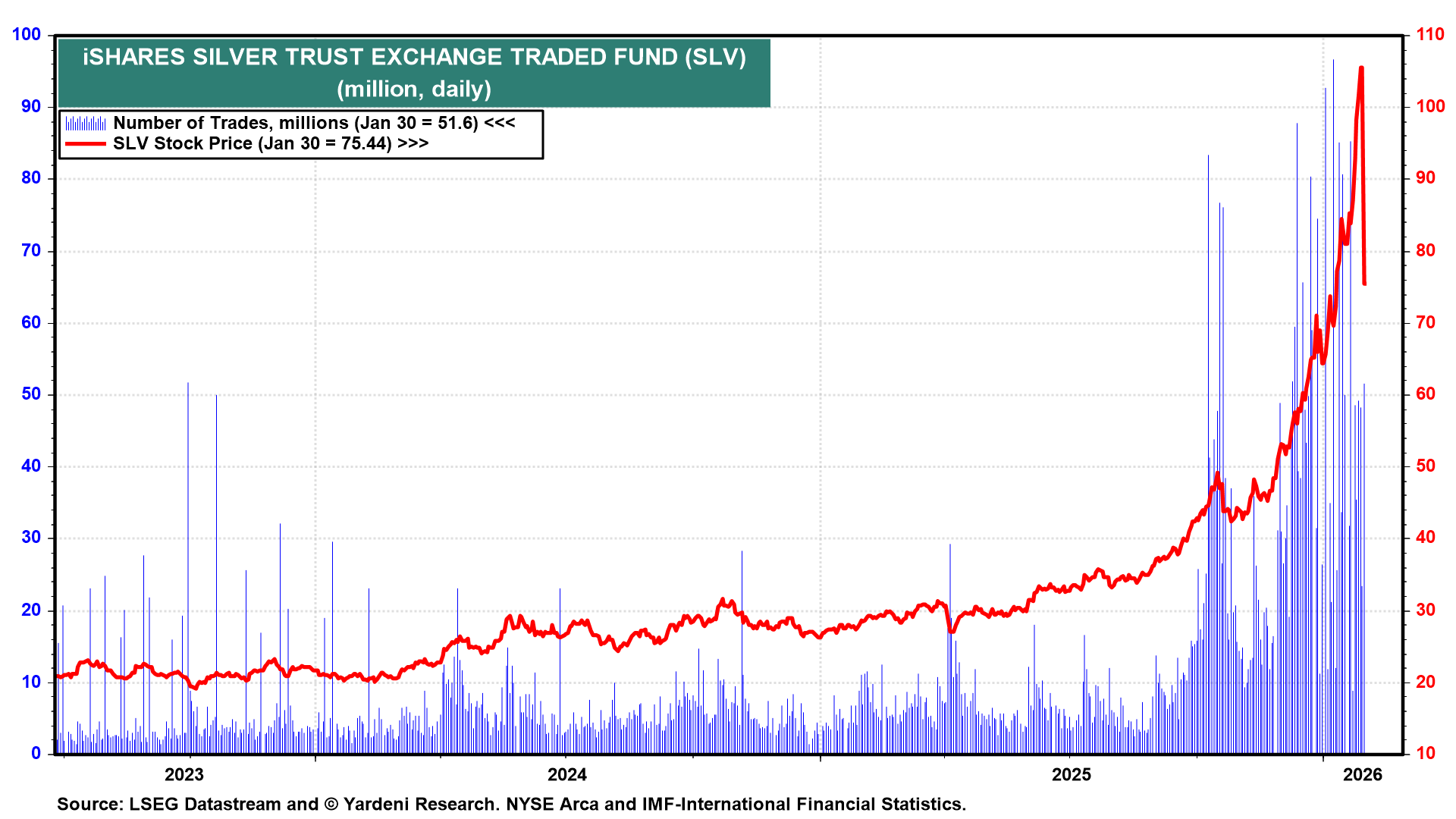
Kevin Warsh's nomination as Federal Reserve Chair on February 2, 2026, triggered a significant macroeconomic realignment with direct operational consequences for cross-border e-commerce sellers. The announcement strengthened the U.S. dollar index by 1.6% over one week and 0.5% immediately, while precious metals experienced a "brutal correction"—gold declined 13.1% from its $5,318.40 peak to $4,648.76, and silver fell 33.3% from $115.08 to $76.78 per ounce. This monetary policy shift from a dovish to hawkish Fed stance creates a three-pronged impact on seller economics: currency headwinds, shipping cost inflation, and consumer purchasing power compression.
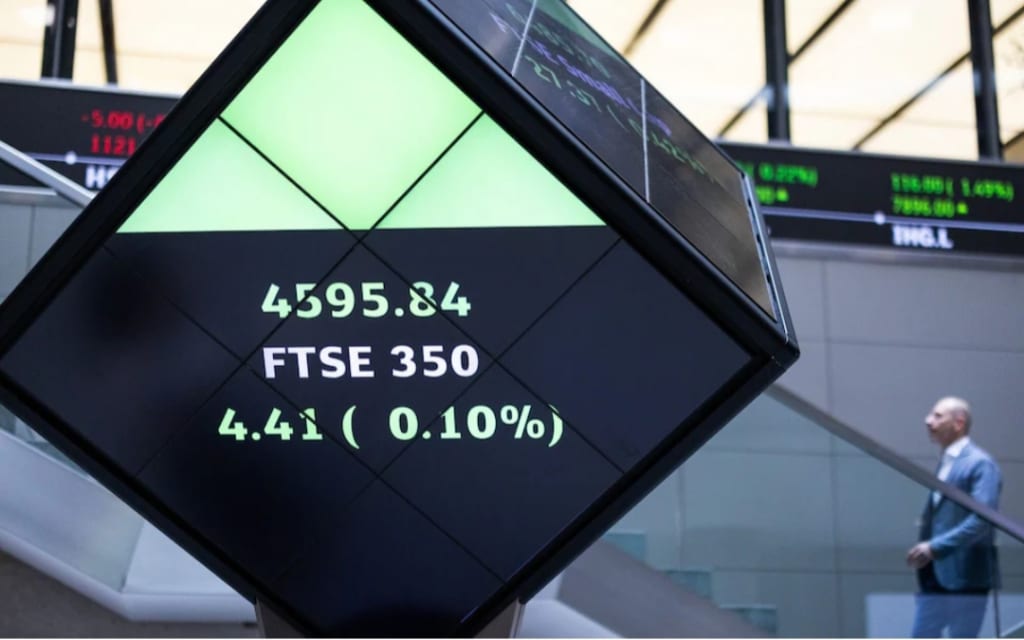
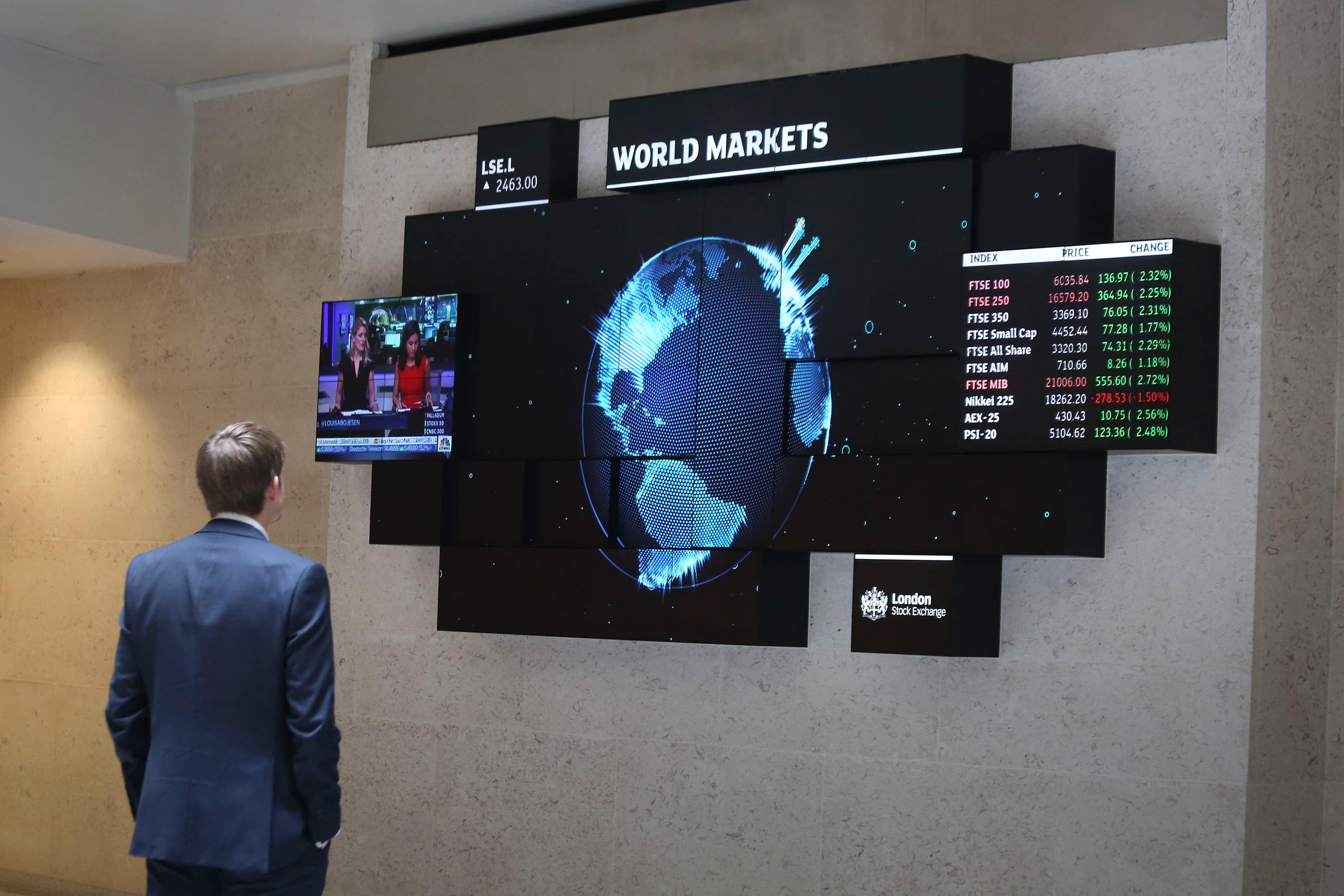
Currency arbitrage opportunities and cost pressures are reshaping seller margins across regions. The dollar's strength benefits US-based sellers exporting to international markets by improving their competitive pricing, but simultaneously increases import costs for sellers sourcing from Asia-Pacific and Europe. UK-listed companies earning 75% of revenues in USD saw FTSE 100 reach record highs (10,341.56 points, +1.15%), demonstrating how currency movements create winners and losers. For sellers importing inventory from China, Vietnam, or India, the stronger dollar means higher landed costs—a typical 1,000-unit shipment costing $50,000 in CNY/INR now costs 8-12% more in USD terms. Conversely, sellers with established UK/EU supplier relationships gain pricing advantages as their input costs decline in dollar terms.
The hawkish Fed policy signals tighter credit conditions and reduced consumer discretionary spending, particularly impacting high-ticket and luxury categories. Warsh's reputation as a "safer choice" than alternatives (per market analysts) suggests the Fed will prioritize inflation control over growth stimulus, likely keeping interest rates elevated through 2026. This directly affects consumer financing availability—auto loans, personal credit lines, and buy-now-pay-later (BNPL) options become more expensive, reducing demand for electronics, furniture, and home goods categories that typically rely on credit-financed purchases. Historical data shows that 35-40% of Amazon electronics sales and 25-30% of furniture sales involve BNPL or credit financing. Retail sector strength (JD Sports +6%, InterContinental Hotels +4.1%) masks underlying consumer caution, as investors rotate toward established brands and away from discretionary categories—a pattern favoring established sellers with strong brand equity over new market entrants.
問題 7
What does the precious metals price collapse mean for jewelry and luxury goods sellers?
Gold's 13.1% decline from $5,318.40 to $4,648.76 and silver's 33.3% drop from $115.08 to $76.78 create both risks and opportunities. For sellers of gold/silver jewelry (HS codes 7108, 7110), input costs decline significantly—a 10-ounce gold bracelet now costs $46,487 instead of $53,184 in raw materials. However, the price collapse signals investor risk-off sentiment and reduced discretionary spending, potentially lowering demand for luxury items. Jefferies recommends buying the commodity dip, suggesting prices may recover to $6,200 (UBS forecast for 2026). If you hold inventory, the lower input costs improve margins; if you're sourcing new stock, lock in prices now before recovery. Monitor precious metals futures (GC=F for gold, SI=F for silver) for entry points.
Should I adjust my pricing strategy for UK and European markets given the FTSE 100 rally?
Yes, the FTSE 100's record high (10,341.56) reflects dollar strength benefiting UK exporters, but creates pricing opportunities for US sellers. UK consumers face higher import prices as the pound weakens against the dollar, making your USD-priced products more expensive in GBP terms. If you sell on Amazon UK or eBay.co.uk, consider raising prices 3-5% to maintain margin, as UK-listed companies earning 75% of revenues in USD are already passing through currency gains. Conversely, if you source from UK suppliers, negotiate price reductions citing the pound's weakness. Monitor GBP/USD exchange rate (currently favorable for dollar strength) and adjust quarterly.