




Taiwan Semiconductor Shortage Reshapes Global Supply Chains | Sellers Must Pivot Now
- TSMC capacity constraints threaten 2025-2026 AI infrastructure buildout; sellers face 15-25% cost increases on electronics sourcing from Taiwan suppliers
















.jpg)


概览
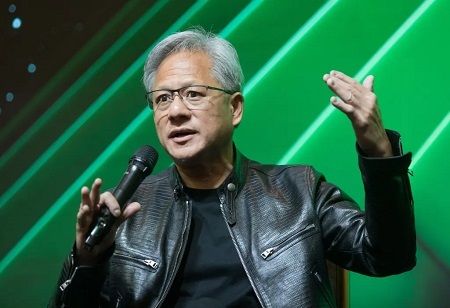
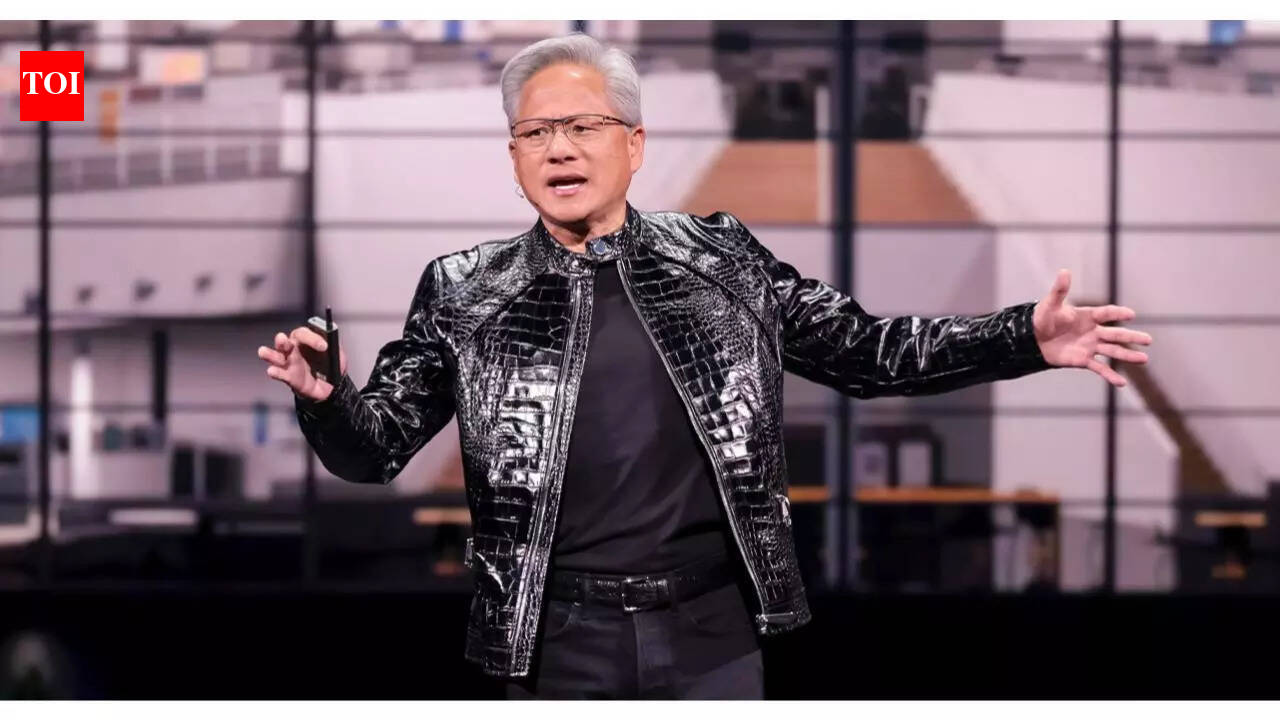
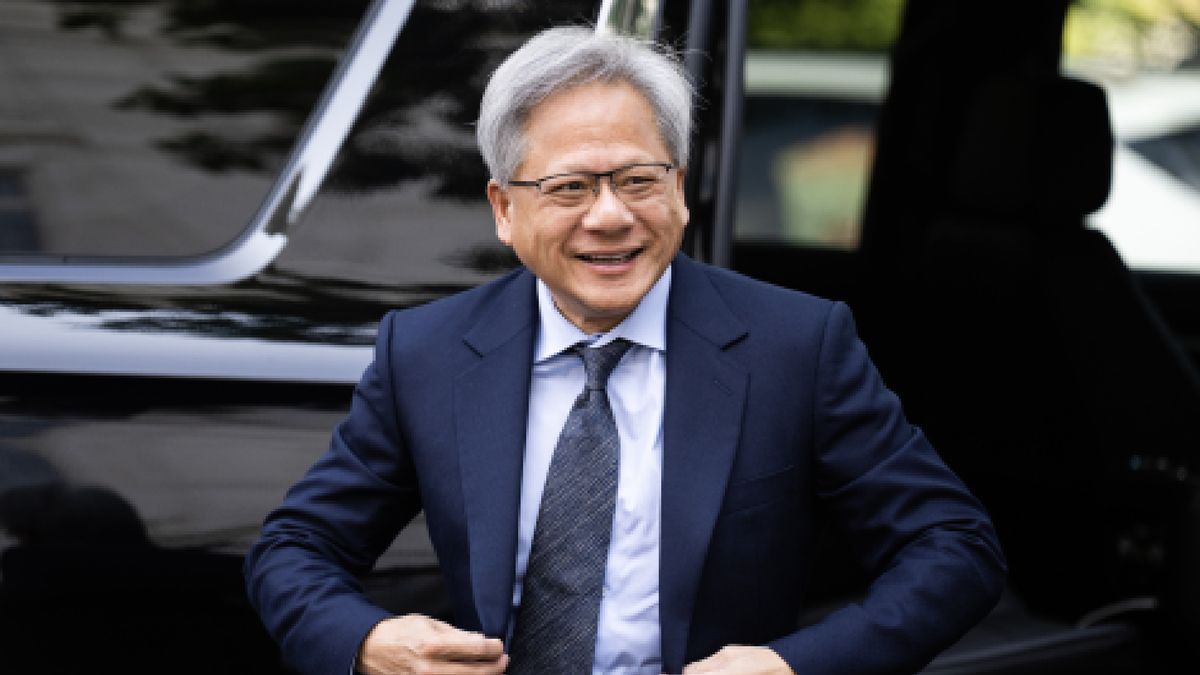
Taiwan's semiconductor bottleneck is reshaping global supply chains with direct implications for cross-border sellers. Nvidia CEO Jensen Huang's warning that TSMC must double capacity over the next decade—with Nvidia's demand alone driving this requirement—signals an unprecedented supply crunch affecting not just AI chips but the entire electronics ecosystem. TSMC's capital spending increase to $56 billion in 2025 (a 37% jump) and projected 100%+ capacity expansion over 10 years reveals the scale of the challenge. This creates immediate logistics and sourcing opportunities for sellers.
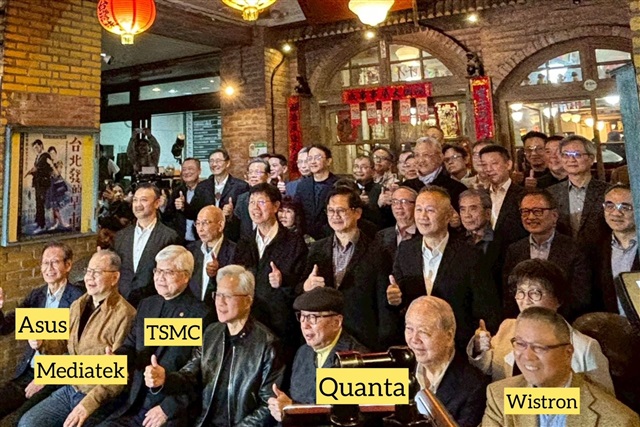
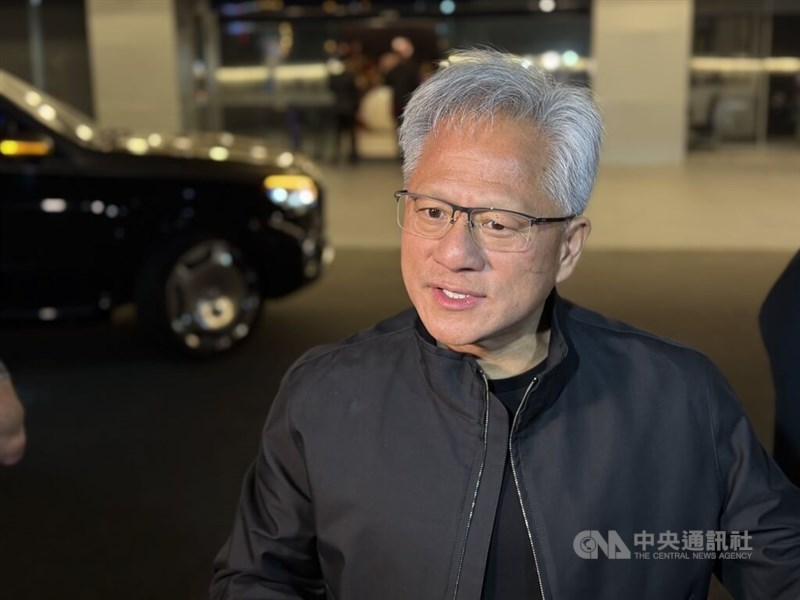
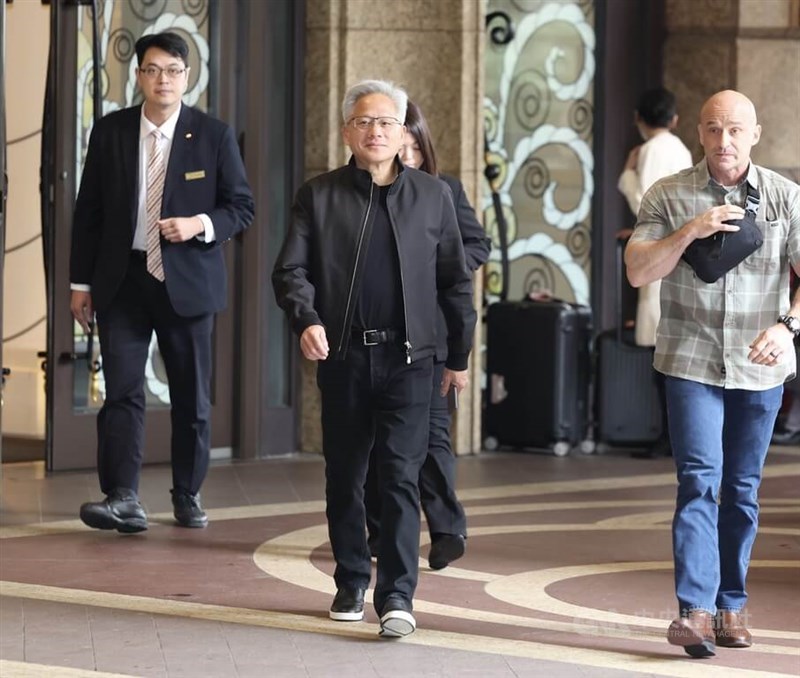
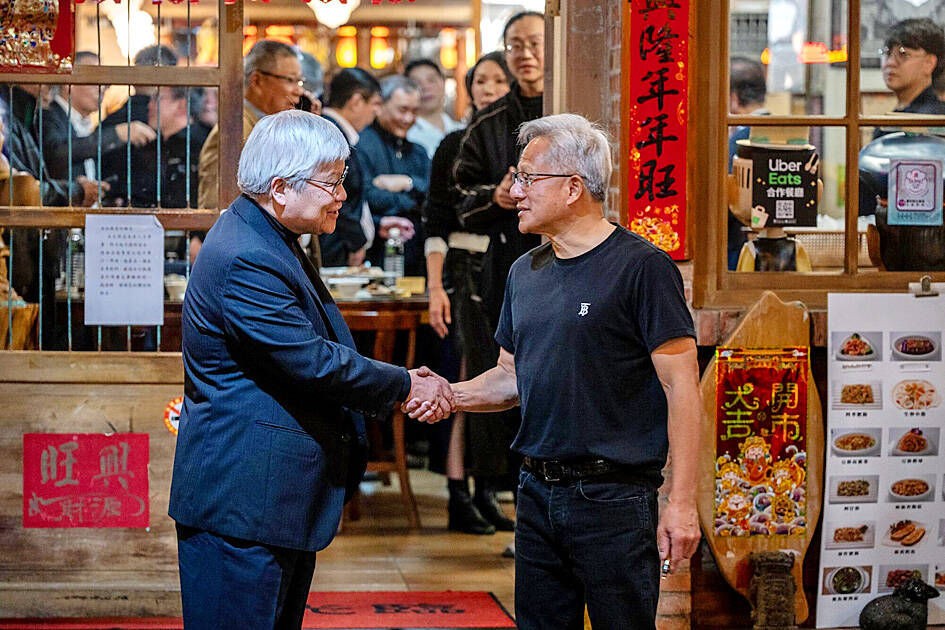
The supply constraint directly impacts electronics sellers sourcing from Taiwan. TSMC's capacity limitations will cascade through Taiwan's entire semiconductor supply chain, affecting companies like MediaTek, Qualcomm, and memory chip manufacturers. Sellers sourcing consumer electronics, smart home devices, gaming peripherals, and IoT products from Taiwan-based manufacturers face 3-6 month lead time extensions and 15-25% cost increases through 2025-2026. The news reports that "semiconductor manufacturing requires 3-5 years for new facilities to reach full production capacity," meaning near-term supply constraints are locked in. Huang's Taiwan visit with executives from Hon Hai (Nvidia's largest server maker), Quanta Computer, Pegatron, and Wistron—all major contract manufacturers—indicates these suppliers will prioritize AI infrastructure orders over consumer electronics, deprioritizing lower-margin products.
Immediate sourcing strategy shifts are essential. Sellers should immediately diversify away from Taiwan-dependent suppliers toward South Korean (Samsung, SK Hynix), Japanese (Sony, Renesas), and US-based (Intel, Micron) alternatives for memory chips and processors. For consumer electronics categories (smartwatches, wireless earbuds, gaming controllers, smart home hubs), shift 30-40% of sourcing to Vietnam, Thailand, and Malaysia-based manufacturers who use alternative chipsets. The news confirms that "multiple technology companies including Microsoft, Google, Meta, and Amazon are simultaneously increasing AI chip orders," meaning enterprise demand will absorb TSMC's available capacity, leaving consumer electronics suppliers with allocation cuts. Sellers in high-volume categories (consumer drones, smart speakers, fitness trackers) should lock in Q1 2025 orders immediately before allocation cuts deepen.
Warehouse positioning and inventory strategy must shift now. Stock 4-6 months of Taiwan-sourced electronics inventory in US and EU fulfillment centers before Q2 2025, when supply constraints peak. For categories with long lead times (gaming laptops, high-end smartphones, professional cameras), consider shifting from FBA to 3PL warehousing to reduce storage costs during extended inventory holding periods. The geopolitical dimension—US-China trade tensions and Taiwan's strategic importance—adds tariff risk; sellers should evaluate US-based manufacturing alternatives for products that could face tariff escalation. Shipping costs from Taiwan will increase 8-12% as carriers prioritize high-margin AI infrastructure shipments; consider consolidating shipments and using slower ocean freight (30-45 days) instead of air freight to reduce costs by 40-50%.
問題 8
Should I shift from FBA to 3PL warehousing due to extended lead times?
Yes, for Taiwan-sourced products with extended lead times. FBA storage fees ($0.87-$2.30 per cubic foot monthly) become expensive when inventory sits 4-6 months waiting for shipments. 3PL warehousing costs $0.50-$1.20 per cubic foot monthly, saving 40-50% on storage. The news indicates 3-5 year facility ramp times, locking in supply constraints through 2026. Use 3PL for slow-moving inventory and FBA for fast-turning items. Consolidate shipments to reduce ocean freight costs by 8-12% through slower transit times (30-45 days vs. 10-15 days air).
Which product categories face the biggest supply risk from Taiwan shortage?
High-volume consumer electronics dependent on Taiwan chips face maximum risk: smartwatches, wireless earbuds, gaming controllers, smart home hubs, fitness trackers, and consumer drones. These categories rely on TSMC-manufactured processors and memory chips now being allocated to AI infrastructure. Gaming laptops and high-end smartphones face 4-8 week lead time extensions. Professional cameras and audio equipment using specialized chips face 12+ week delays. Prioritize inventory buildup in these categories before Q2 2025 when constraints peak.