


Offshore Wind Court Victories Signal $5B+ Infrastructure Boom | Seller Supply Chain Opportunities
- Federal judges block Trump administration's offshore wind halt; 5 GW capacity projects resume construction across East Coast, creating urgent demand for specialized equipment, logistics services, and industrial supplies through 2026-2028






















概览
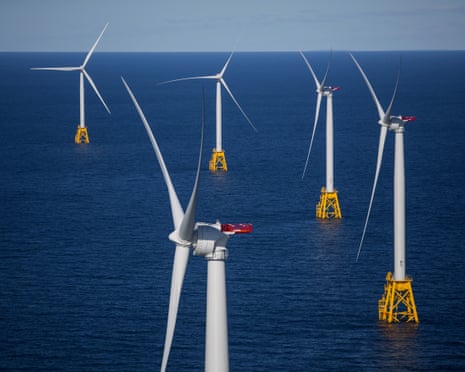
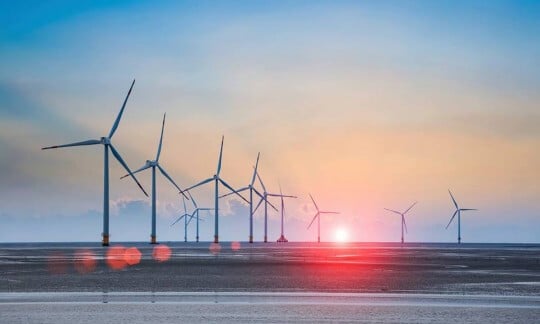
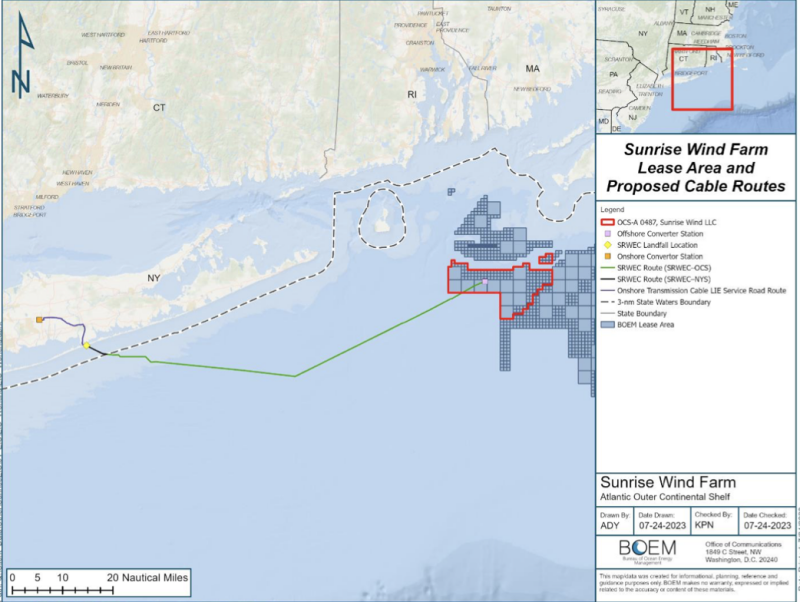
Federal courts have decisively rejected the Trump administration's attempts to halt offshore wind development, clearing the path for $5+ billion in infrastructure investment across the U.S. East Coast. Between December 2024 and February 2026, judges issued five consecutive preliminary injunctions allowing Vineyard Wind, Coastal Virginia Offshore Wind, Empire Wind 1, Revolution Wind, and Sunrise Wind projects to resume construction. These five projects collectively represent nearly 5 gigawatts of energy capacity—sufficient to power 3.5 million homes—with Coastal Virginia Offshore Wind alone losing $5 million daily during construction halts. The court rulings represent a critical inflection point: while the Trump administration's broader anti-wind policies have caused BloombergNEF to slash offshore wind capacity projections from 39 gigawatts to 6.1 gigawatts by 2035, these five projects are now locked into accelerated construction timelines through 2027-2028.
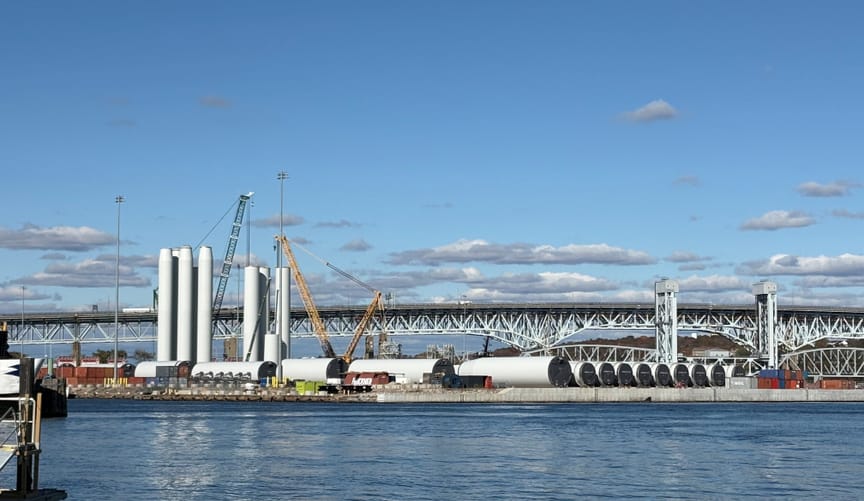
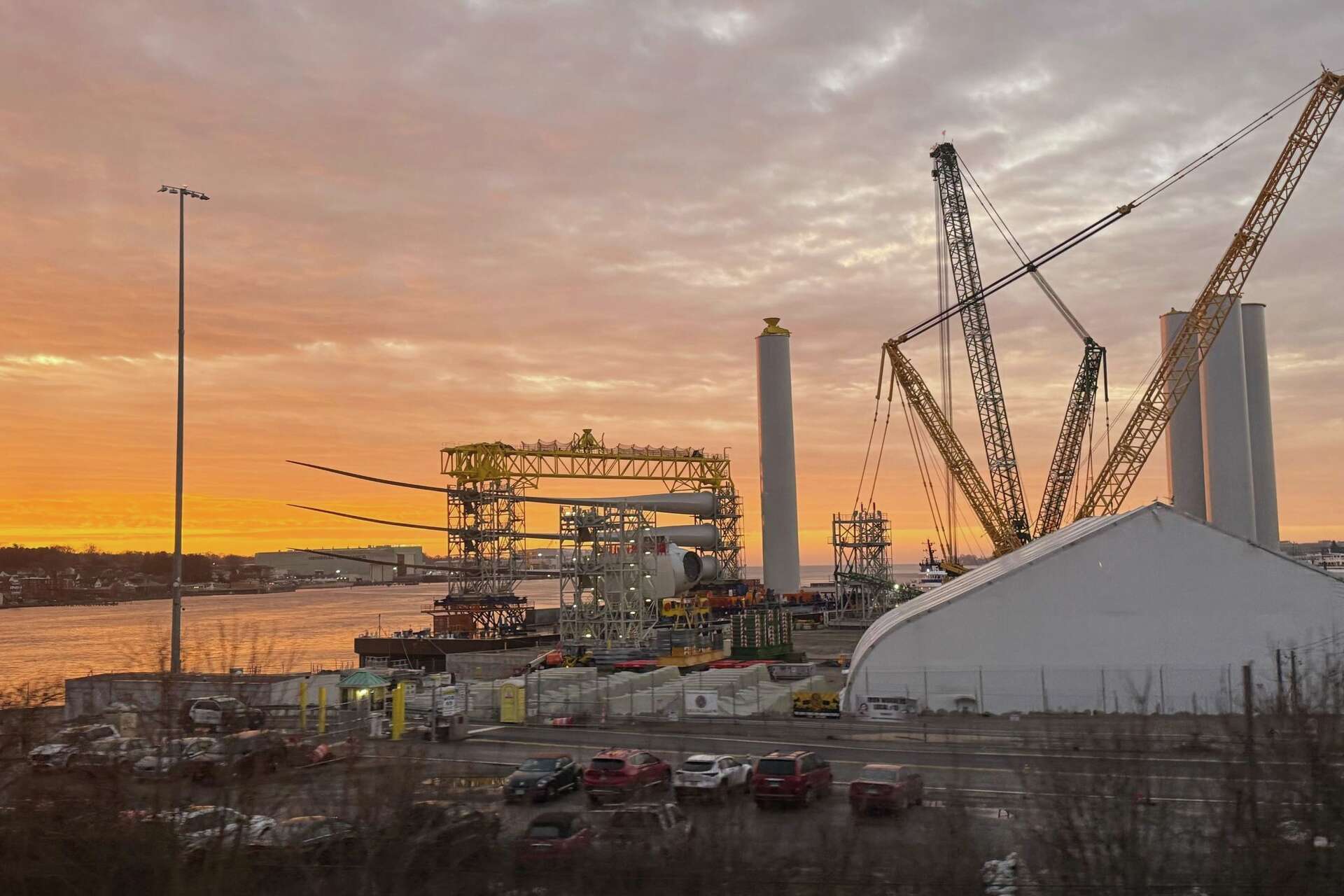
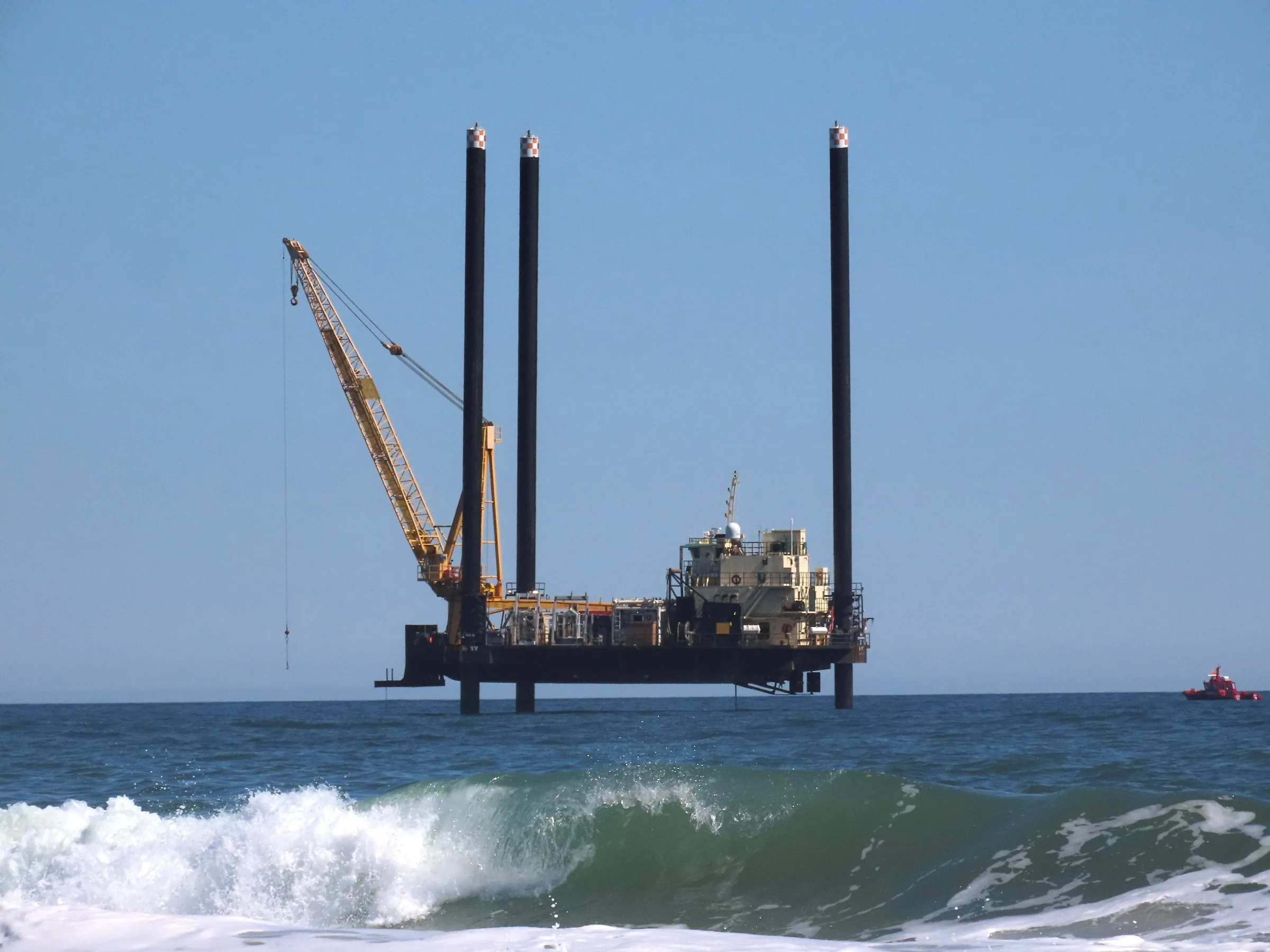
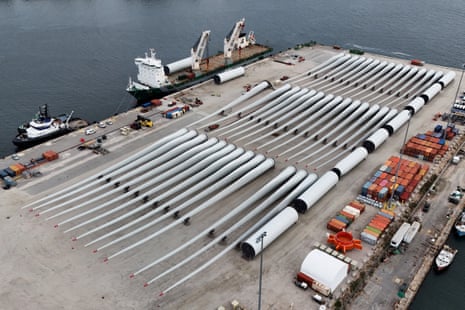
For cross-border sellers and supply chain operators, this creates a concentrated, time-sensitive procurement window. The offshore wind industry requires specialized equipment including turbine foundations, installation vessels, subsea cables, electrical components, and heavy machinery—categories where international sourcing dominates. Developers face cost pressures from construction delays: Sunrise Wind lost $1 million daily during the suspension, creating urgency to compress project timelines and source materials rapidly. This signals elevated demand for industrial equipment, specialized fasteners (HS codes 7308-7326), electrical machinery (HS 8501-8537), and logistics services. Northeastern states (Massachusetts, New York, Connecticut, Virginia) will experience concentrated infrastructure spending, benefiting regional 3PL providers, industrial distributors, and equipment rental companies. The policy uncertainty—with the Trump administration's One Big Beautiful Bill Act eliminating clean energy tax credits—means developers are front-loading procurement to lock in costs before potential future policy reversals.
Strategic sourcing opportunities emerge across three dimensions. First, specialized offshore construction equipment faces supply constraints; sellers with access to European turbine component suppliers (Denmark's Ørsted dominance signals European sourcing advantage) or Asian heavy machinery manufacturers can capture premium margins. Second, the compressed timeline creates demand for expedited logistics—air freight for critical components, specialized vessel chartering, and customs clearance services. Third, the policy uncertainty creates a "use it or lose it" mentality among developers, increasing willingness to pay premium prices for guaranteed delivery. However, sellers must navigate the residual policy risk: if the Trump administration successfully appeals these injunctions or implements new regulatory barriers, demand could evaporate. The 2029 policy review window creates a natural exit point for long-term contracts. Sellers should prioritize contracts with fixed completion dates (2027-2028) over open-ended frameworks, and consider geographic diversification beyond East Coast projects to mitigate policy concentration risk.
問題 7
What tariff and customs considerations apply to offshore wind equipment imports?
Turbine components and electrical machinery (HS codes 8501-8537) typically face 0-2.5% tariffs under current US trade policy, but the Trump administration's broader protectionist stance creates uncertainty. Subsea cables and specialized equipment may face higher tariffs depending on country of origin. Sellers should verify current tariff rates for specific HS codes and consider tariff pass-through clauses in contracts. EU suppliers benefit from potential trade agreement negotiations, while Asian suppliers face higher tariff risk. Customs clearance for specialized equipment can take 2-4 weeks; sellers should factor expedited customs brokerage into project timelines. Consider bonded warehouse strategies for equipment awaiting installation to defer tariff payments.
How do construction delays translate to pricing power for equipment suppliers?
Coastal Virginia Offshore Wind lost $5 million daily during the December-January suspension, and Sunrise Wind lost $1 million daily, creating strong financial incentives for developers to accelerate procurement and compress timelines. This translates to pricing power for suppliers: developers will pay premium prices for guaranteed delivery, expedited manufacturing, and priority access to specialized equipment. Sellers can implement surge pricing (10-20% premiums) for expedited orders without losing customers. Logistics providers can charge premium rates for air freight and specialized vessel chartering. The financial pressure on developers creates a 12-18 month window where suppliers can capture above-market margins before competitive pressure normalizes.