


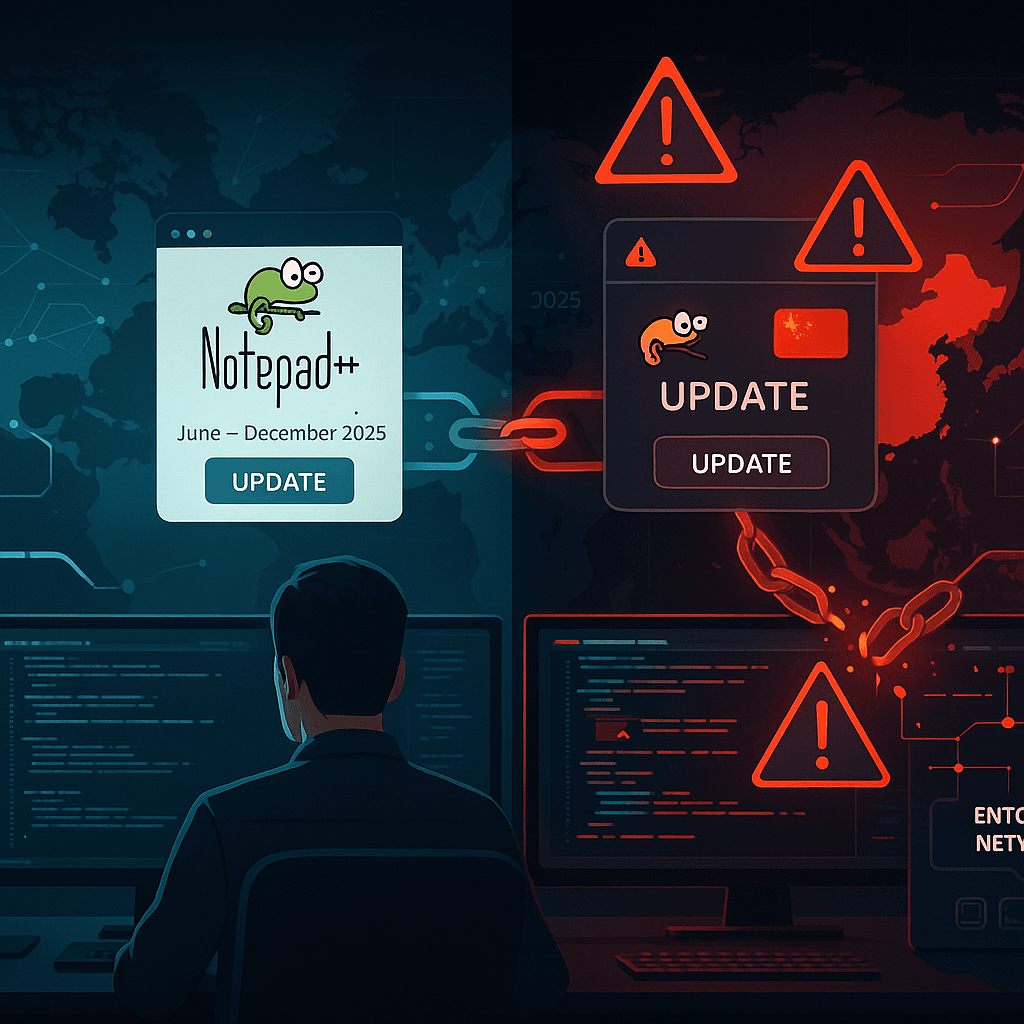

Software Supply Chain Security Crisis | Critical Risk for E-Commerce Tech Infrastructure
- 6-month undetected breach (June-December 2025) exposes 10M+ Notepad++ users to state-sponsored malware; sellers using development tools face operational security risks and potential data compromise affecting customer trust and regulatory compliance


%20(1).webp)











:sharpen(0.5,0.5,true)/tpg%2Fsources%2F89c94b90-ebdb-4aab-88fc-227c1e3ccc57.jpeg)














概览
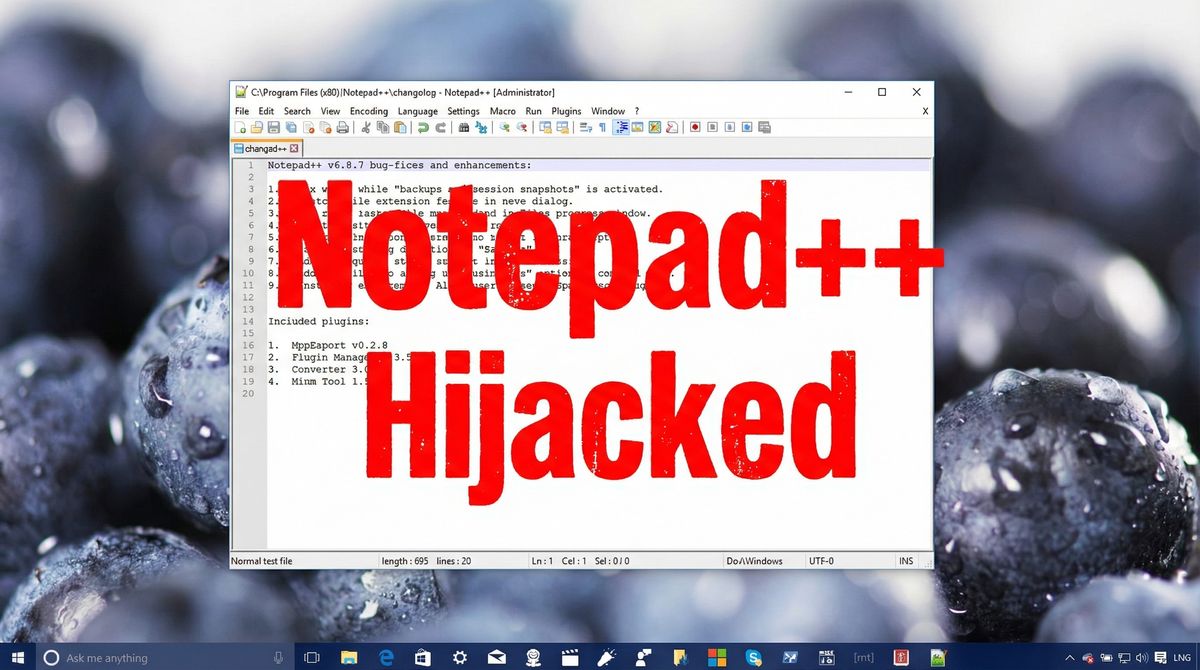
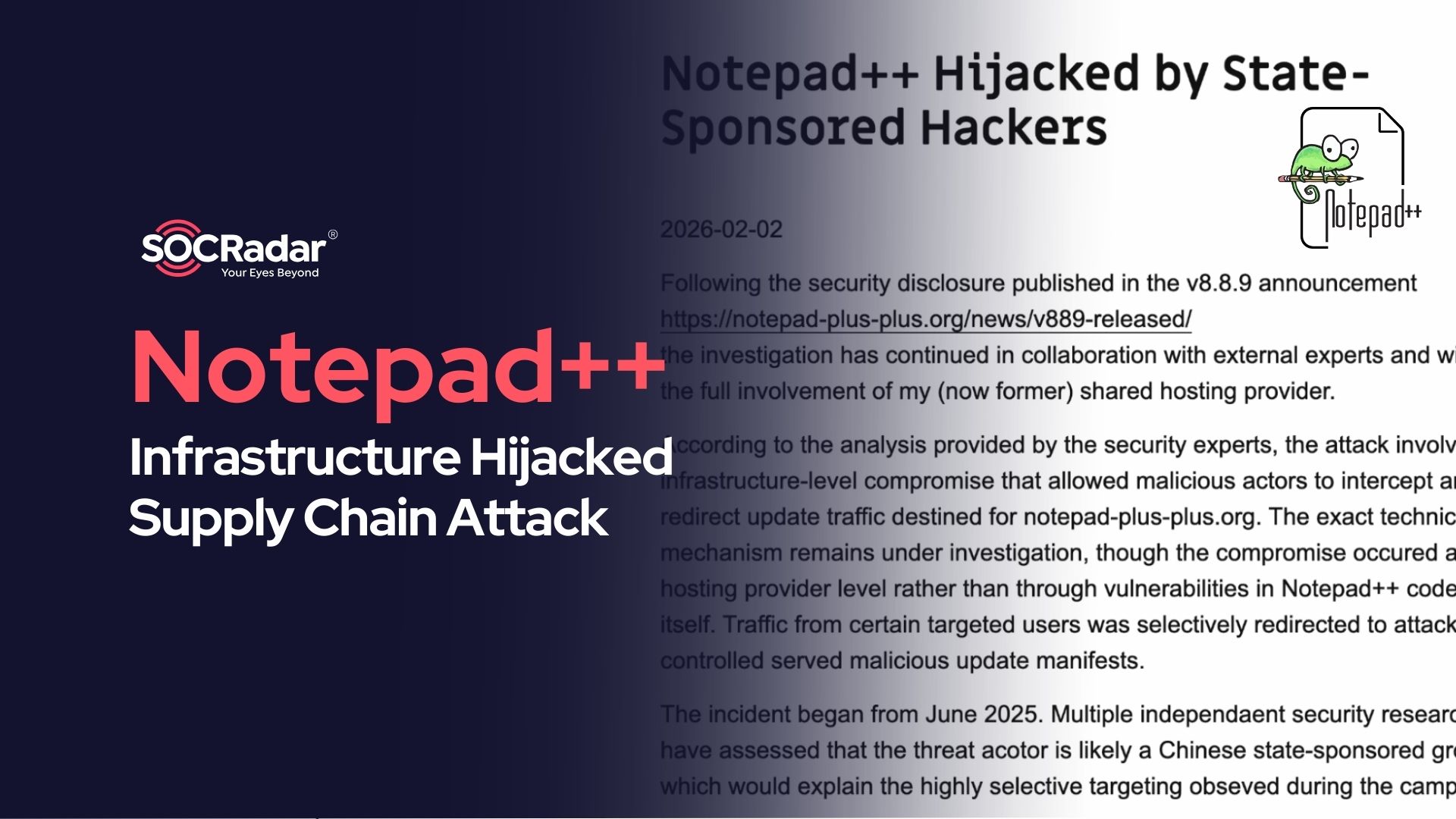
The Notepad++ supply chain attack represents a watershed moment for e-commerce infrastructure security, with direct implications for sellers relying on development tools, automation platforms, and third-party software integrations. Between June and December 2025, Chinese government-affiliated Lotus Blossom hackers hijacked Notepad++'s update mechanism—a widely-used text editor with tens of millions of downloads globally—to deliver the Chrysalis backdoor malware to targeted organizations. The breach remained undetected for approximately 6 months until security researcher Kevin Beaumont discovered the compromise in December 2025, with the vulnerability patched in version 8.8.9.
Direct E-Commerce Seller Impact: While Notepad++ itself is a development tool, this incident exposes a critical vulnerability in how e-commerce sellers manage their technology stack. Sellers using Notepad++ for inventory management scripts, listing automation, API integrations, or backend development face potential compromise of sensitive business data—including customer information, payment processing credentials, and proprietary business logic. The attack specifically targeted government, telecom, aviation, and critical infrastructure sectors, but the methodology applies equally to e-commerce operations. Sellers in high-value categories (electronics, luxury goods, sensitive data handling) face elevated risk of espionage targeting competitive intelligence or customer databases.
Supply Chain Security Lessons: The incident parallels the 2019-2020 SolarWinds breach, where Russian government hackers compromised software updates affecting Fortune 500 companies and multiple U.S. government agencies. This pattern demonstrates that open-source and third-party software dependencies represent systemic risk to e-commerce operations. The Lotus Blossom group's use of advanced techniques—including Microsoft Warbird obfuscation, DLL side-loading via BluetoothService.exe, and encrypted shellcode—indicates sophisticated tradecraft that could target e-commerce platforms, payment processors, and logistics integrations.
Operational Risk for Sellers: E-commerce sellers managing complex technology stacks (Shopify apps, Amazon integration tools, 3PL software, accounting automation) face compounded risk. A single compromised development tool can expose entire business operations. The 6-month detection lag suggests many organizations remain unaware of compromise, creating a window where attackers gather intelligence on business operations, customer data, and supply chain relationships. For cross-border sellers, this risk extends to international data transfers, customs documentation systems, and multi-currency payment processing.
問題 8
Should sellers avoid open-source software due to supply chain attack risks?
No, but sellers should implement **rigorous vetting and monitoring processes** for all software dependencies, whether open-source or commercial. Open-source software often receives more security scrutiny than proprietary alternatives, but the Notepad++ breach demonstrates that popularity and widespread use don't guarantee security. The key is treating all software as potential risk vectors: maintain updated versions, monitor security advisories, verify update authenticity, and audit systems for compromise. Sellers should balance the benefits of open-source tools (cost, transparency, community support) against security risks through comprehensive dependency management rather than wholesale avoidance.
How does the Lotus Blossom group's targeting strategy affect e-commerce sellers?
Lotus Blossom (also known as Billbug, Bronze Elgin, Spring Dragon) demonstrates **sophisticated targeting of high-value organizations** with interests in East Asia, including government, telecom, aviation, and critical infrastructure sectors. While the group's primary focus appears to be government espionage, their advanced tradecraft—including Microsoft Warbird obfuscation, DLL side-loading, and encrypted shellcode—indicates capability to target e-commerce operations managing valuable intellectual property or customer data. Sellers with significant operations in Asia-Pacific regions or those handling sensitive business information should assume elevated risk. The group's documented use of public proof-of-concept code and commodity frameworks (Metasploit, Cobalt Strike) suggests they adapt tactics to target new sectors opportunistically.