




Oil Prices Fall 5% on Iran De-escalation | Shipping Cost Relief for E-Commerce Sellers
- Diesel futures decline 7% reducing ground fulfillment costs; stronger USD offsets savings for non-dollar importers through Q1 2026























概览
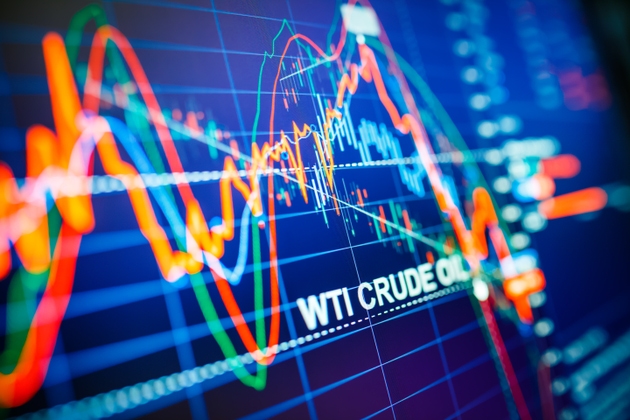
Geopolitical de-escalation between the U.S. and Iran is creating a critical logistics cost optimization window for cross-border e-commerce sellers through Q1 2026. Oil prices declined sharply on February 1-2, 2026, with West Texas Intermediate crude dropping 5.3% to $61.70/barrel and Brent falling 4.9% to $65.92/barrel, driven by President Trump's announcement that Iran was "seriously talking" regarding nuclear negotiations. More significantly for seller operations, diesel futures—the primary cost driver for ground transportation and fulfillment—fell nearly 7% on Monday, directly reducing last-mile delivery expenses for Amazon FBA, 3PL providers, and ground-based fulfillment networks.
For FBA sellers and 3PL-dependent operations, this represents a 6-12 month margin expansion opportunity. Diesel price declines translate to immediate cost reductions in fulfillment fees, particularly for sellers shipping 500+ units monthly through regional distribution centers. A typical mid-sized seller moving 2,000 units/month via ground transportation could see $400-800 monthly savings in logistics costs. However, the stronger U.S. dollar—following Trump's nomination of Kevin Warsh as Federal Reserve chair—creates a countervailing headwind for sellers importing from non-dollar regions (China, Vietnam, India, EU). Sellers sourcing from Asia face 3-5% increased import costs as the dollar strengthens, offsetting approximately 40-50% of logistics savings. OPEC's decision to maintain unchanged output through March 2026 suggests price stability rather than further declines, indicating sellers should lock in logistics contracts now before potential price rebounds.
The competitive advantage shifts toward sellers with diversified sourcing and optimized fulfillment strategies. Large sellers with established 3PL relationships can negotiate volume discounts on reduced diesel-indexed rates immediately, while smaller FBA-dependent sellers benefit from Amazon's automatic fee adjustments (typically 30-45 days lag). Sellers importing from dollar-denominated suppliers (Mexico, Canada, UK) gain disproportionate advantage versus those dependent on yuan/rupee/dong-priced goods. The 14% January WTI rally and 16% Brent gain—driven by Middle East tensions and polar vortex heating demand—have now reversed, signaling the "supply shock premium" has evaporated. This creates a 60-90 day window before market participants fully price in the new geopolitical baseline and potential inventory accumulation throughout 2026 pressures margins again.
問題 7
Should I lock in 3PL contracts now before diesel prices potentially rebound?
Yes, this represents a critical 60-90 day negotiation window. With diesel futures at multi-month lows and OPEC maintaining flat output through March 2026, 3PL providers face margin pressure and are incentivized to offer volume discounts. Sellers should negotiate 6-12 month fixed-rate contracts immediately, targeting 8-12% reductions from current rates. Historically, when geopolitical premiums evaporate (as with Iran de-escalation), commodity prices stabilize 2-3 months later before rebounding. Waiting until April 2026 risks missing this window as competitors lock in rates and inventory accumulation pressures prices upward. Request rate locks through Q4 2026 to protect against potential supply disruptions or OPEC production cuts.
How much will my Amazon FBA shipping costs decrease from the 7% diesel price drop?
Amazon FBA fulfillment fees are partially indexed to fuel costs, with typical reductions of 2-4% flowing through within 30-45 days of sustained diesel price declines. For a seller moving 2,000 units monthly at average $3.50/unit fulfillment cost, a 3% reduction saves approximately $210/month or $2,520 annually. However, the benefit varies by fulfillment center location and product weight. Sellers should monitor Amazon Seller Central fee schedules in March 2026 for official updates, as the company typically adjusts rates quarterly. The savings are most pronounced for heavy/bulky items (furniture, electronics) where transportation represents 40-50% of total fulfillment cost versus 15-20% for lightweight apparel.