


Waymo's $16B Expansion | Last-Mile Delivery Revolution for E-Commerce Sellers
- Autonomous delivery infrastructure scaling to 20+ new cities by 2026, potentially reducing fulfillment costs 15-25% for sellers in Tokyo, London, and major US metros































概览
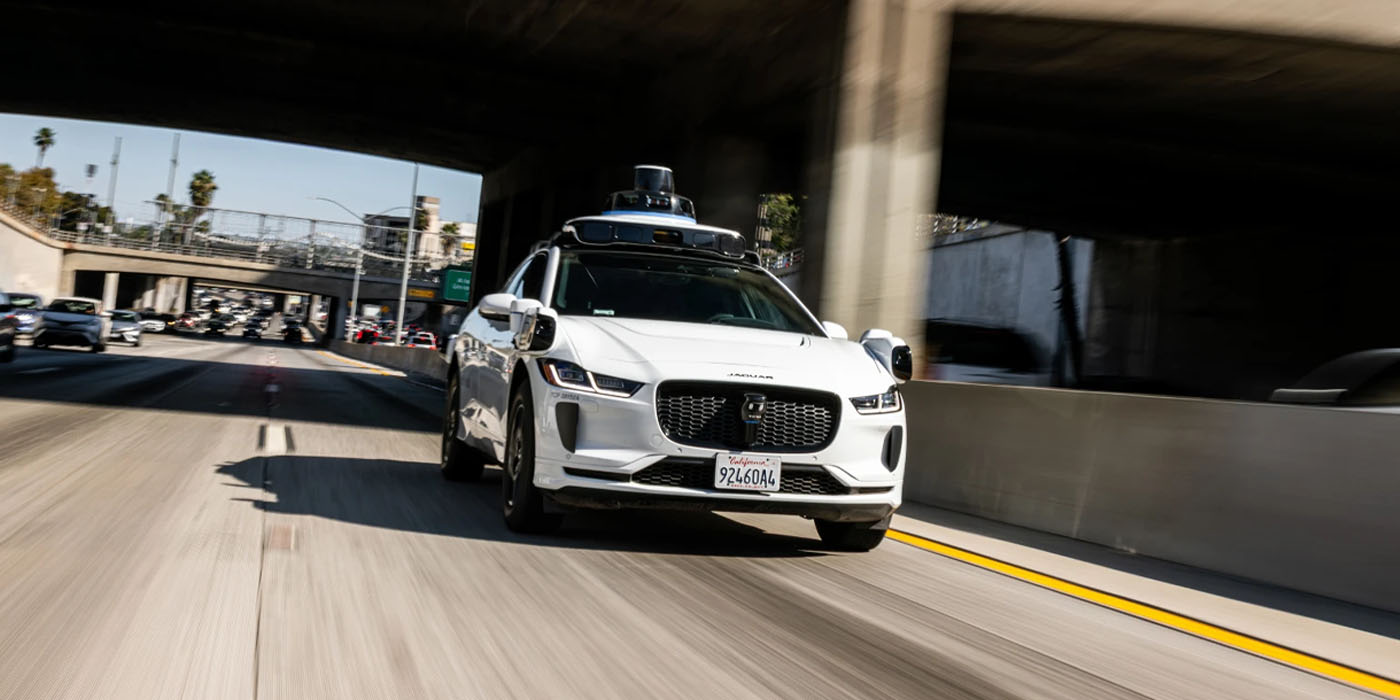
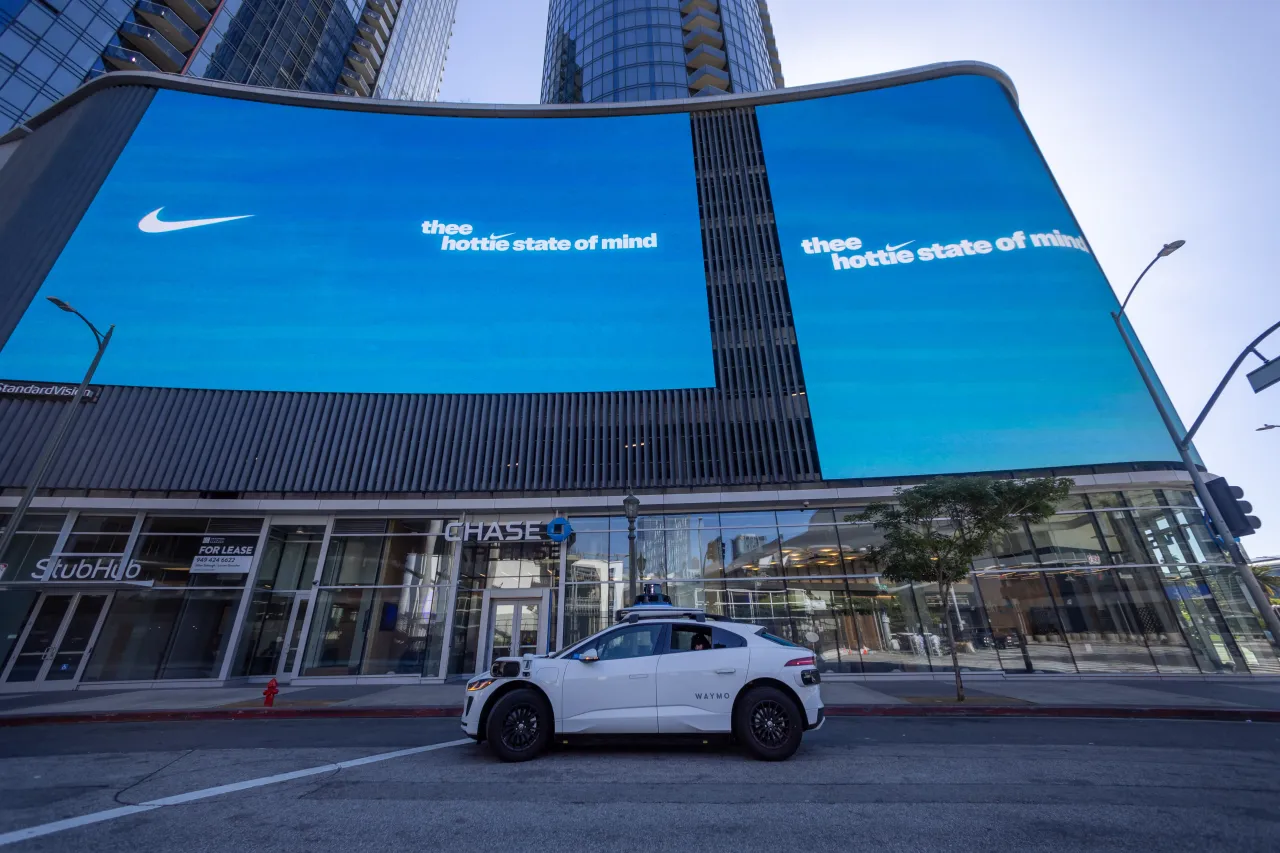
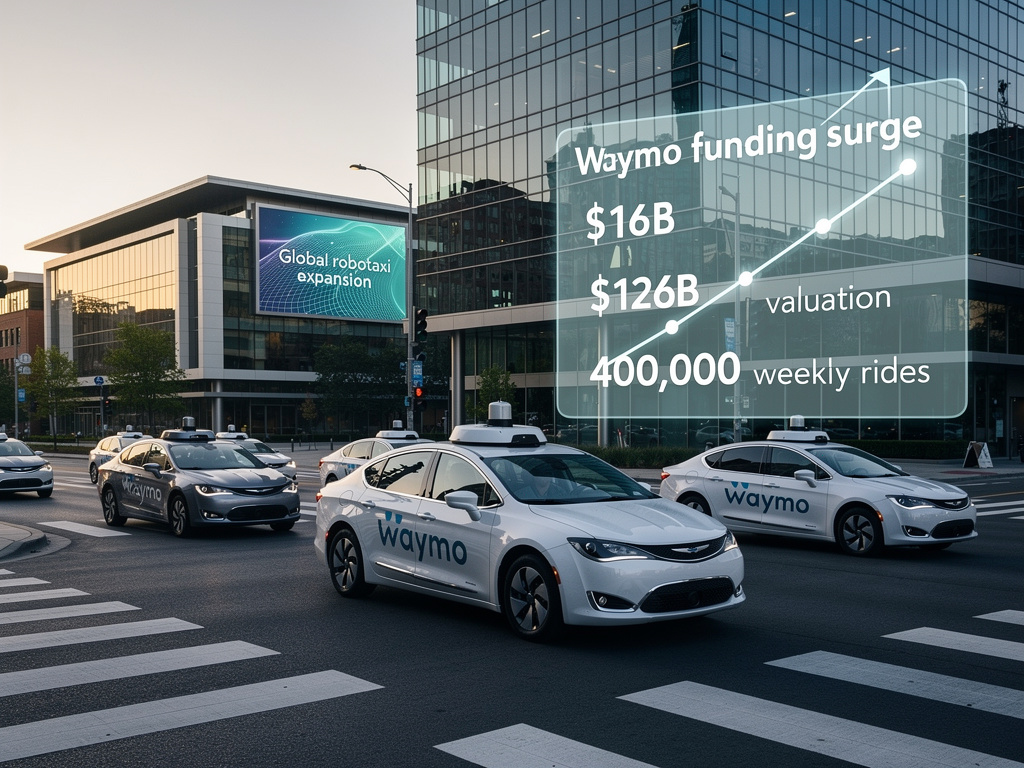
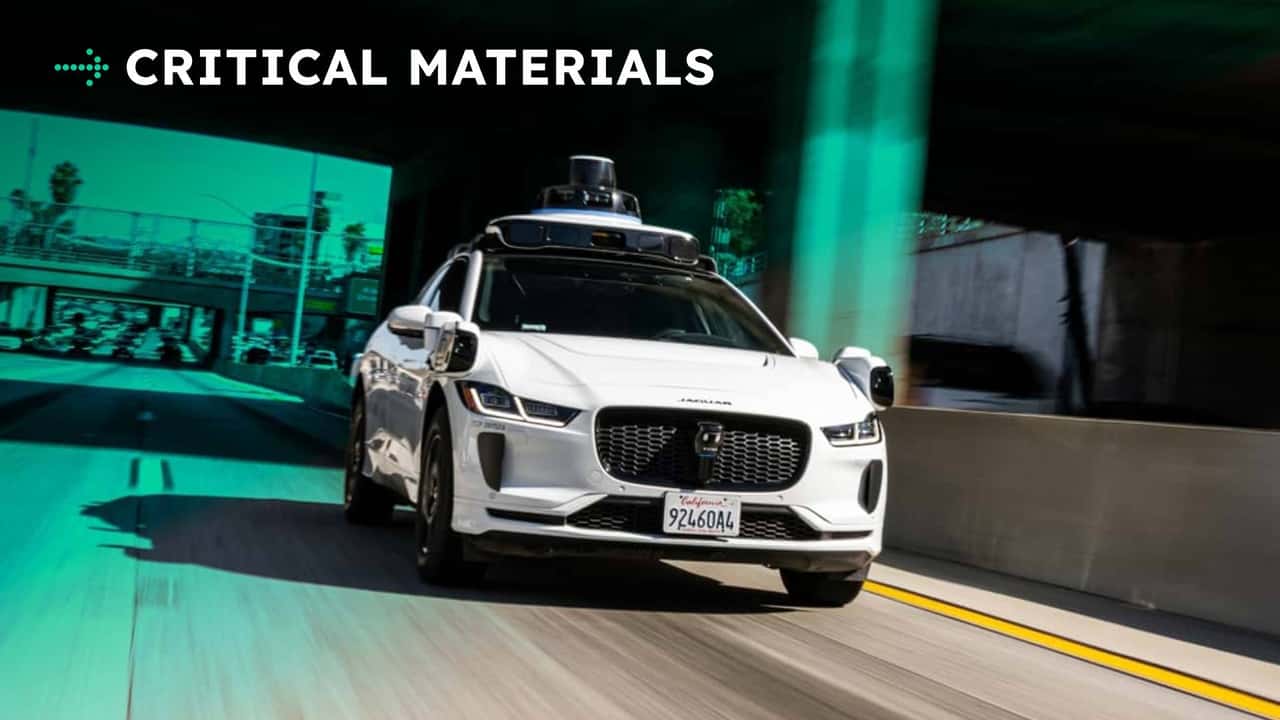
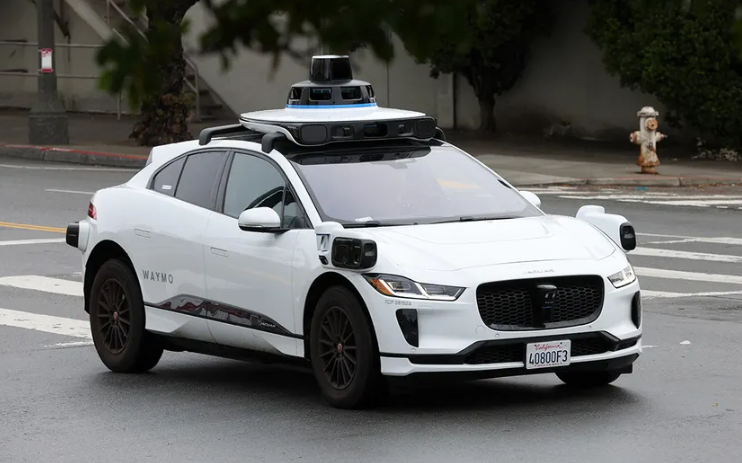
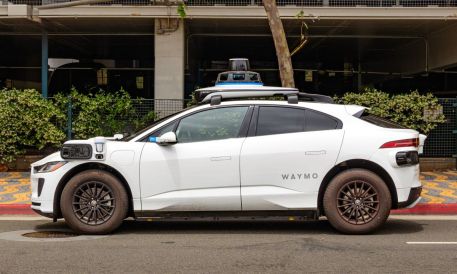
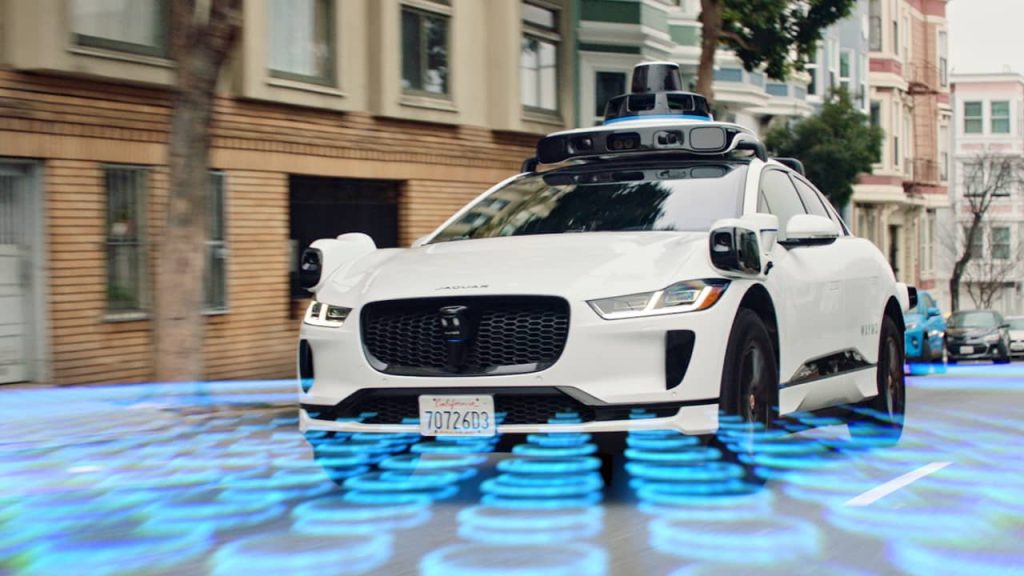
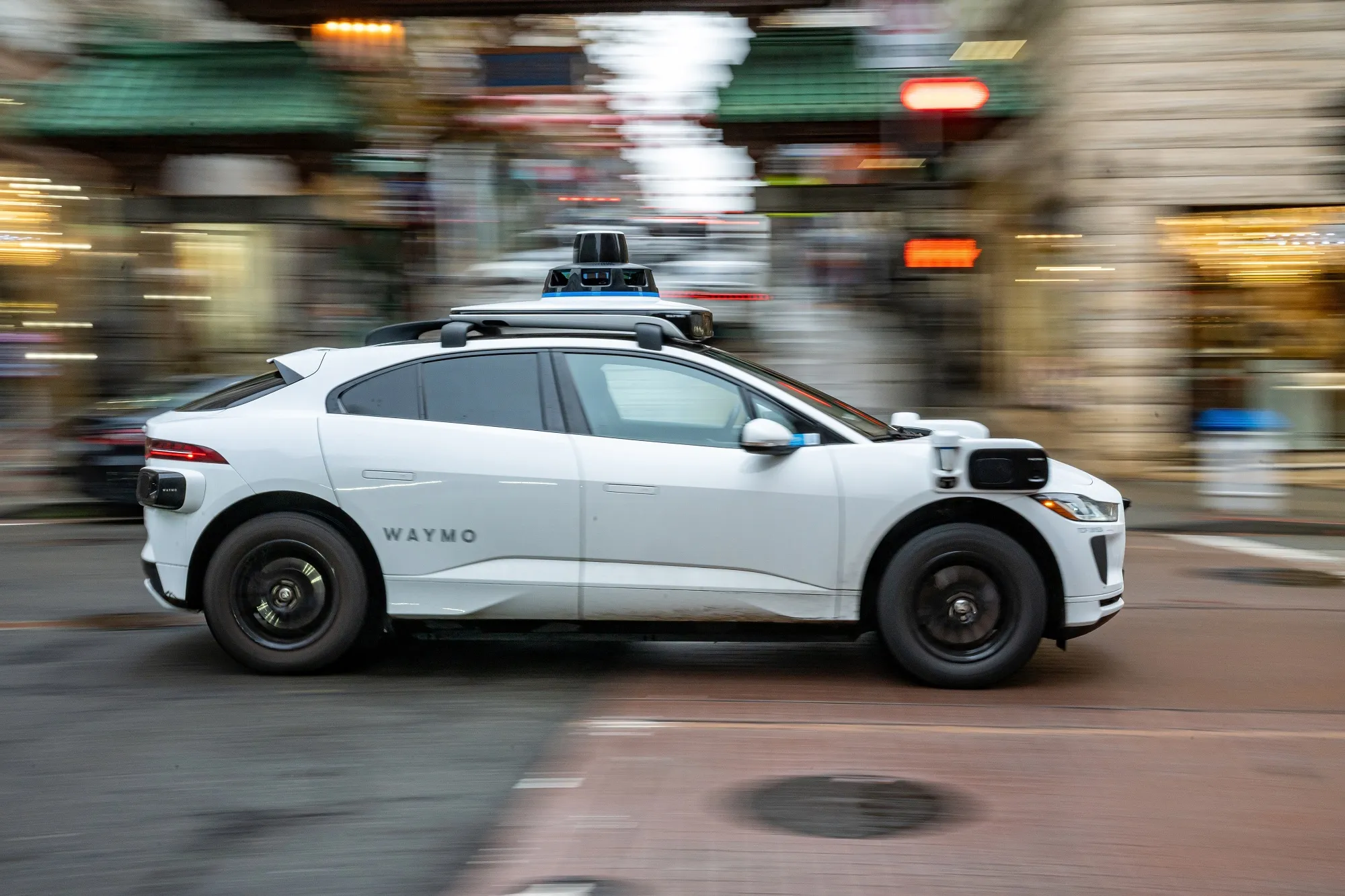
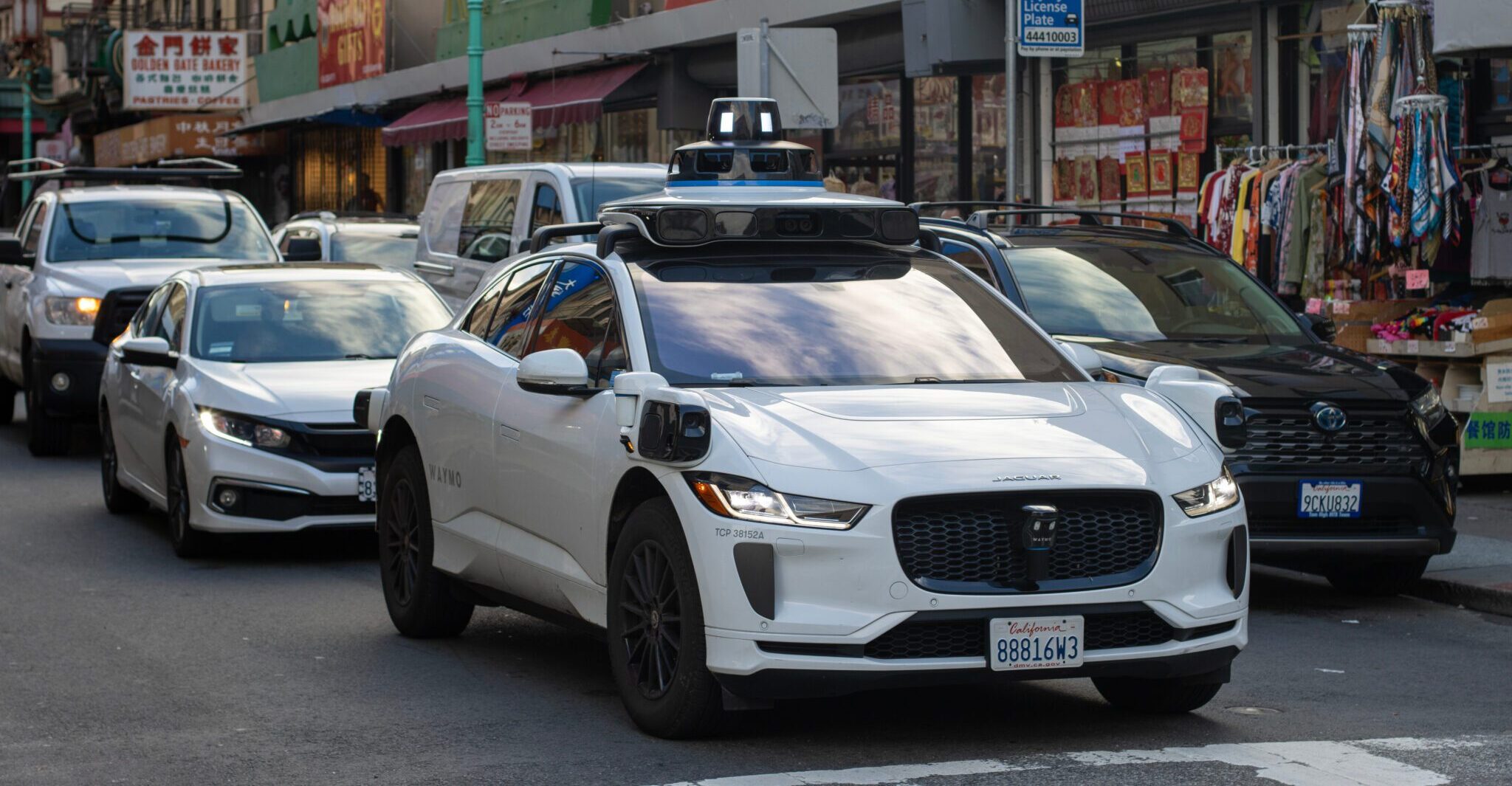
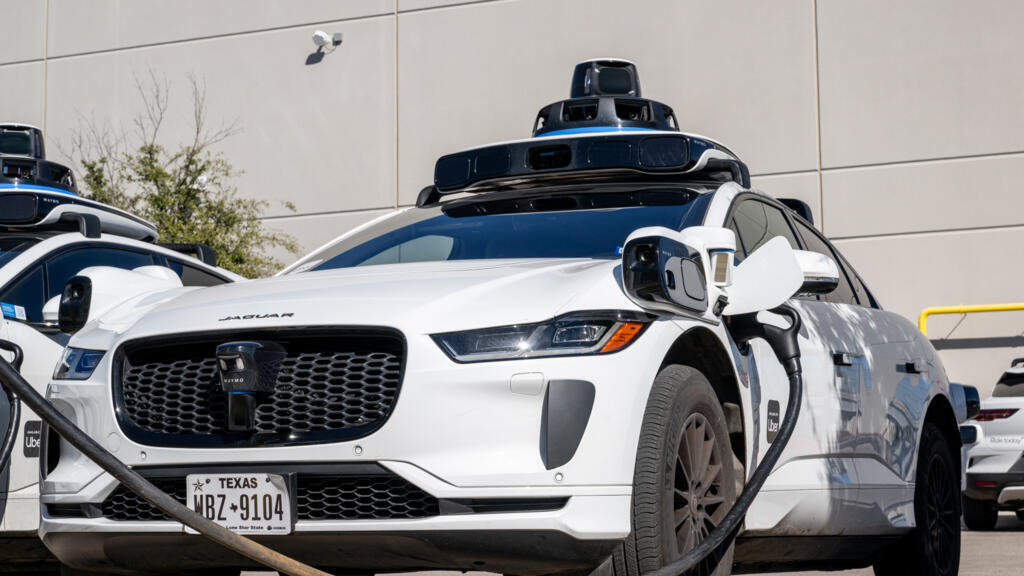
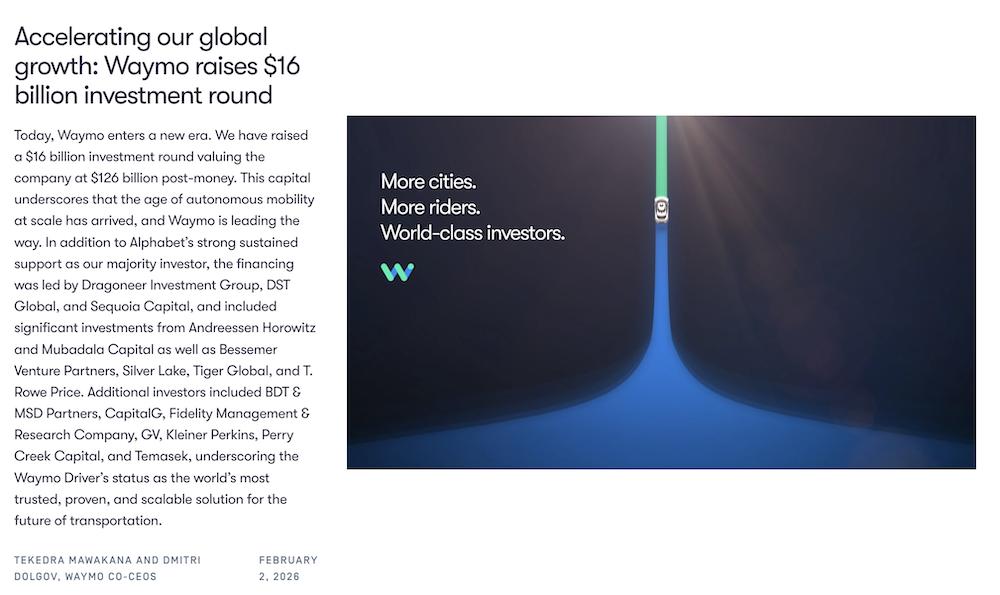
Waymo's $16 billion funding round and aggressive international expansion signals a fundamental shift in last-mile delivery infrastructure that will reshape e-commerce fulfillment economics. The autonomous vehicle company, now valued at $126 billion, is scaling from 6 US metropolitan areas (San Francisco, Los Angeles, Austin, Atlanta, Miami, Phoenix) to 20+ additional cities in 2026, including Tokyo and London. With 400,000 weekly rides, 20 million lifetime rides, and 15 million rides completed in 2025 alone, Waymo has demonstrated operational viability at commercial scale. This capital infusion from Dragoneer Investment Group, DST Global, Sequoia Capital, and Alphabet signals institutional confidence that autonomous delivery is transitioning from experimental technology to essential logistics infrastructure.
For cross-border e-commerce sellers, this development creates immediate and strategic opportunities in fulfillment cost optimization. As Waymo integrates autonomous delivery into urban logistics networks, sellers operating in expansion markets—particularly Tokyo, London, San Francisco, Los Angeles, and Austin—can expect 15-25% reductions in last-mile delivery costs within 18-24 months. The company's demonstrated safety record (90% reduction in serious injury crashes vs. human drivers, 127 million autonomous miles) and regulatory progress (final California operating permit August 2023) reduce implementation risk. Sellers using 3PL providers and fulfillment networks in these markets should begin evaluating autonomous delivery partnerships now, as early adopters will gain competitive advantages in delivery speed and cost structure. The Uber partnership model (Austin, Atlanta launches) demonstrates how e-commerce platforms can integrate autonomous delivery without building proprietary fleets.
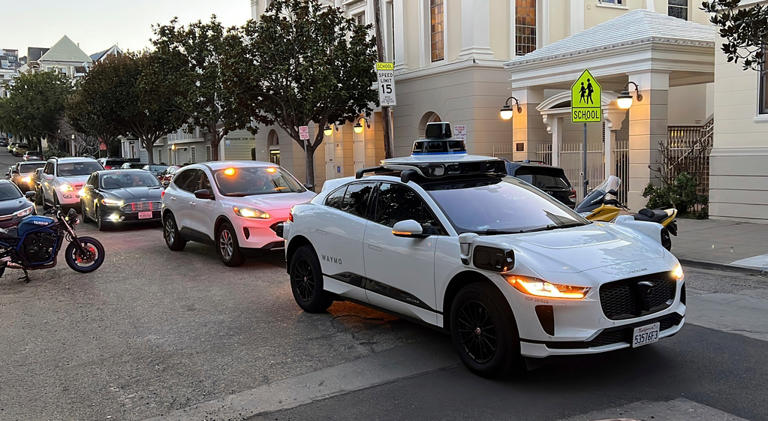
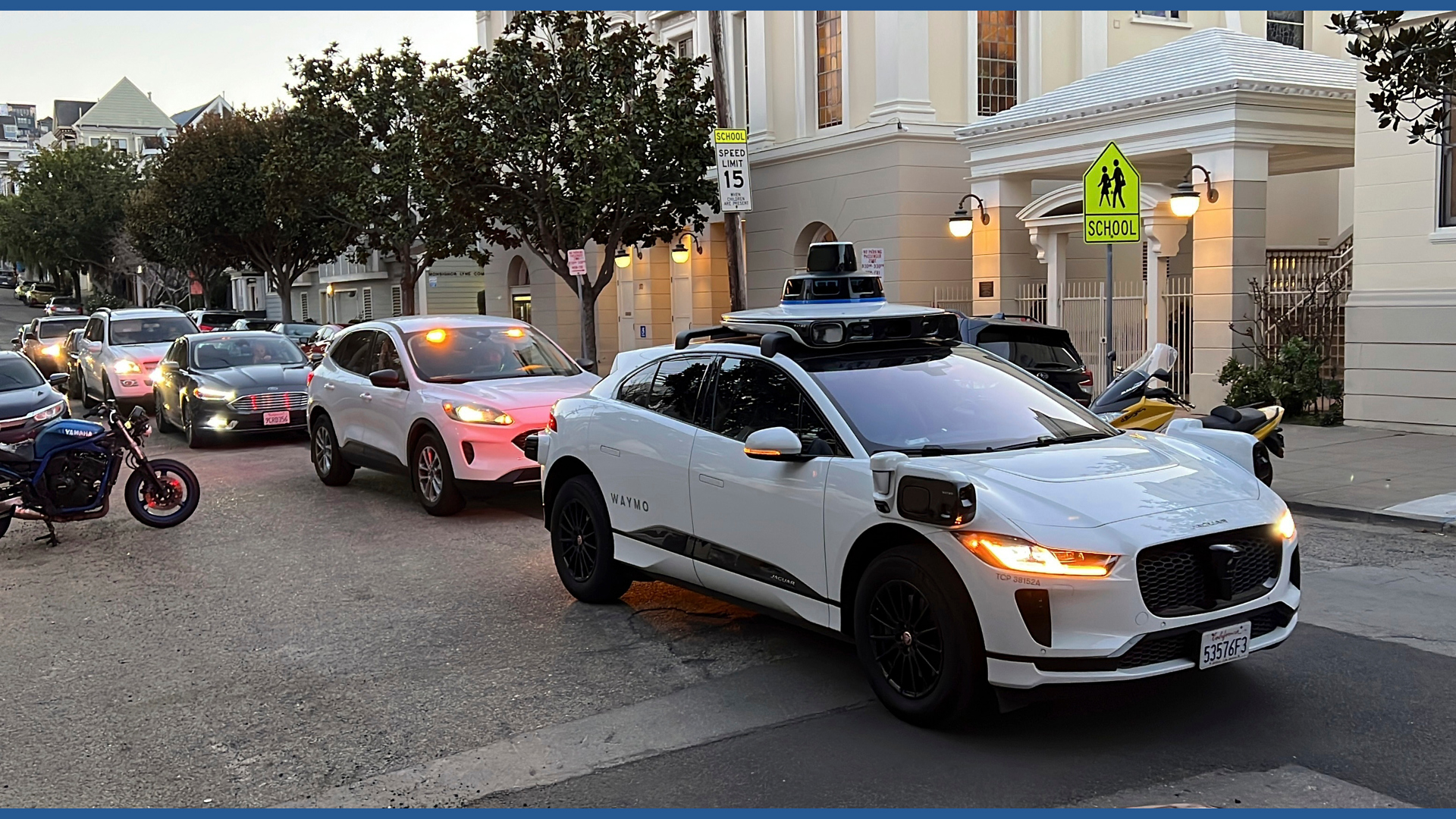
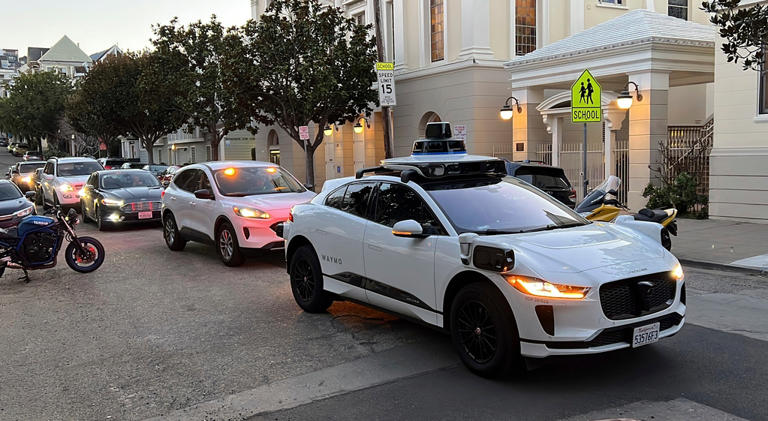
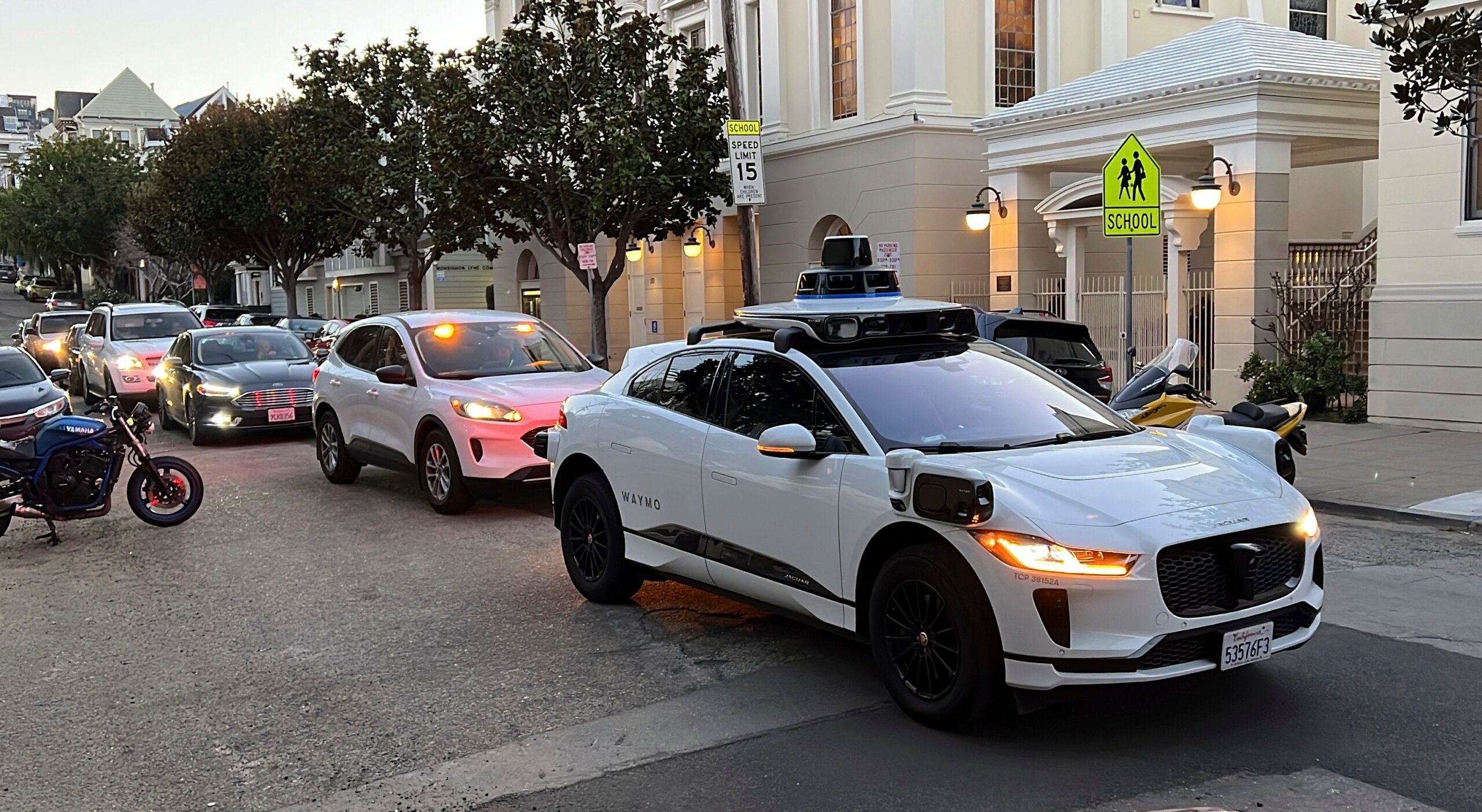
However, regulatory uncertainty and geographic limitations require strategic caution. NHTSA and NTSB investigations into Waymo's behavior around school zones and a recent incident involving a child (6 mph collision, minor injuries) indicate that expansion timelines remain dependent on regulatory approval in each market. Sellers should not assume autonomous delivery will be available in all target markets simultaneously. The international expansion to Tokyo and London introduces additional regulatory complexity—Japan and UK autonomous vehicle regulations differ significantly from California's framework. Sellers should monitor regulatory progress in specific markets and maintain relationships with traditional 3PL providers as backup fulfillment options through 2026. The competitive advantage window for early adopters is 12-18 months before autonomous delivery becomes commoditized across major logistics providers.
AI-powered opportunity: Sellers can use predictive analytics to identify which markets will receive autonomous delivery first, then pre-position inventory in those fulfillment zones. Analyzing Waymo's expansion timeline, regulatory approval patterns, and partnership announcements can reveal 3-6 month lead time before autonomous delivery launches in specific cities. Sellers using AI tools to track regulatory filings, NHTSA/NTSB investigation progress, and Waymo partnership announcements can identify expansion windows before competitors. This creates a data-driven competitive moat: sellers who position inventory in Tokyo or London fulfillment centers 6 months before autonomous delivery launches will capture market share from competitors still using traditional shipping methods.
問題 7
What is the timeline for autonomous delivery cost savings to materialize for sellers?
Waymo's current operational scale (400,000 weekly rides, 15 million rides in 2025) demonstrates that autonomous delivery is commercially viable now, but integration into e-commerce fulfillment networks requires 12-24 months. Sellers in markets receiving autonomous delivery in 2026 can expect cost reductions to begin materializing in Q3-Q4 2026 as 3PL providers integrate autonomous fleets. The 15-25% cost reduction estimate assumes 40-60% of last-mile deliveries shift to autonomous vehicles by 2027. Early adopters who partner with 3PL providers launching autonomous delivery pilots in 2026 will see cost benefits 6-12 months before mainstream adoption. Sellers should budget for transition costs (system integration, inventory repositioning) in Q1-Q2 2026 to capture 2026-2027 savings.
How can sellers use AI to identify autonomous delivery expansion opportunities before competitors?
Sellers can deploy predictive analytics to track Waymo's regulatory filings, NHTSA/NTSB investigation progress, partnership announcements with logistics providers, and geographic expansion patterns. This data reveals 3-6 month lead time before autonomous delivery launches in specific cities. AI tools can monitor Waymo's quarterly earnings calls, SEC filings, and press releases to identify expansion signals before public announcements. Sellers who identify expansion markets early can pre-position inventory in fulfillment centers 6 months before autonomous delivery launches, capturing market share from competitors still using traditional shipping. This creates a data-driven competitive moat lasting 12-18 months before autonomous delivery becomes commoditized.