

Caribbean Trade Routes at Risk | Sanctions Escalation Threatens Seller Logistics
- Geopolitical tensions spike shipping insurance costs 15-25% for Caribbean/Latin America routes; sellers face compliance complexity surge and potential supply chain disruptions

概览
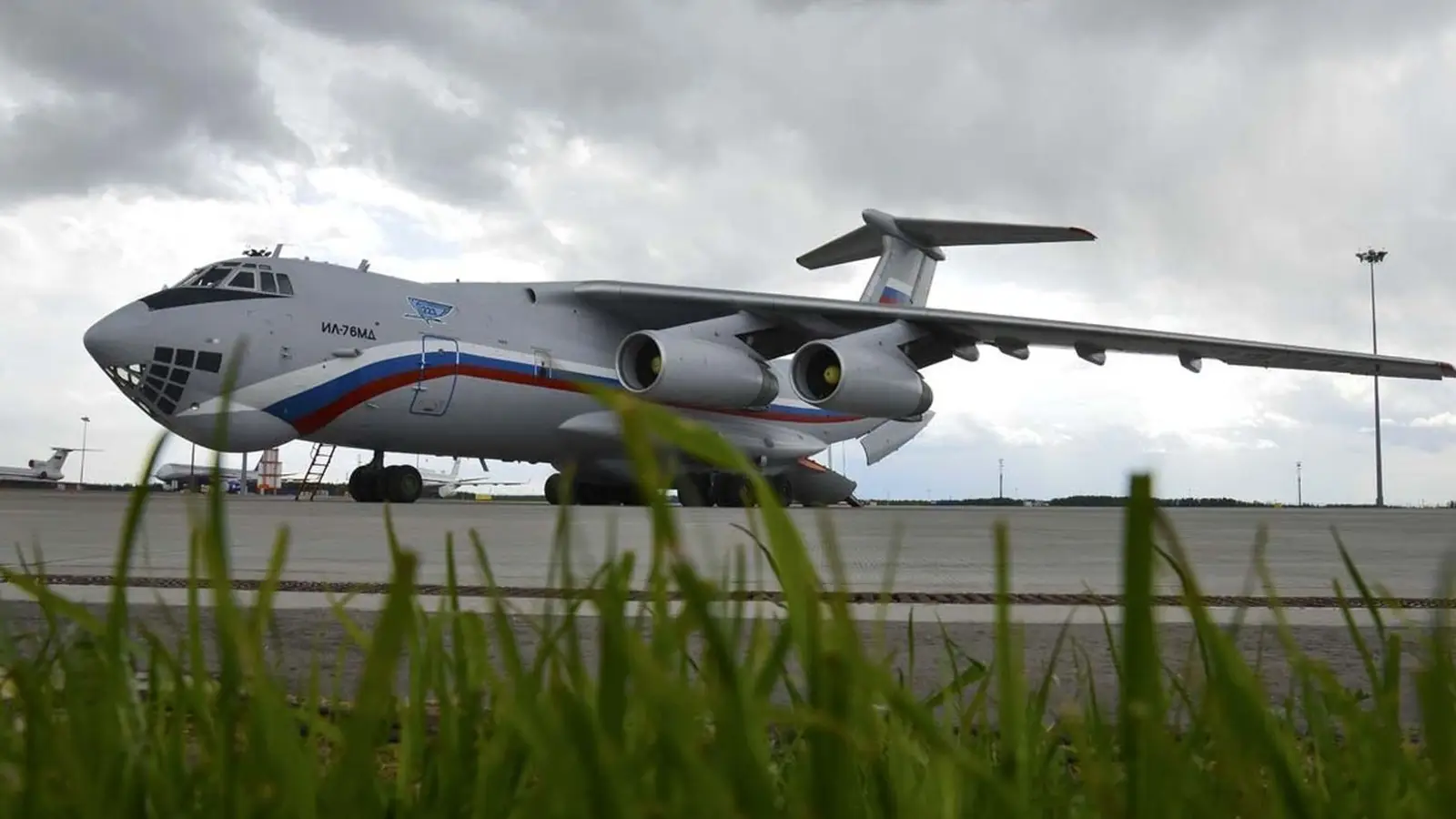
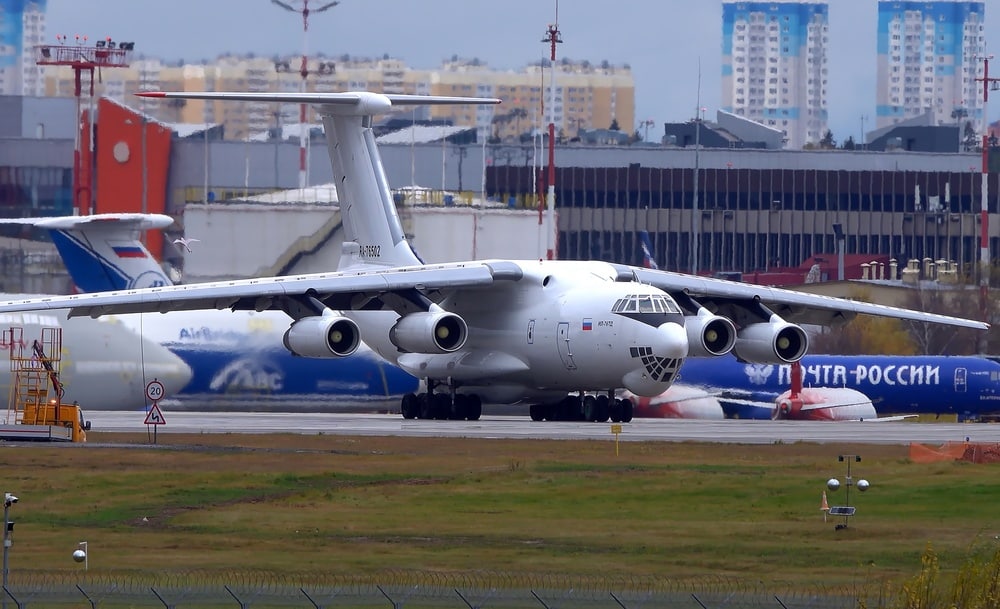
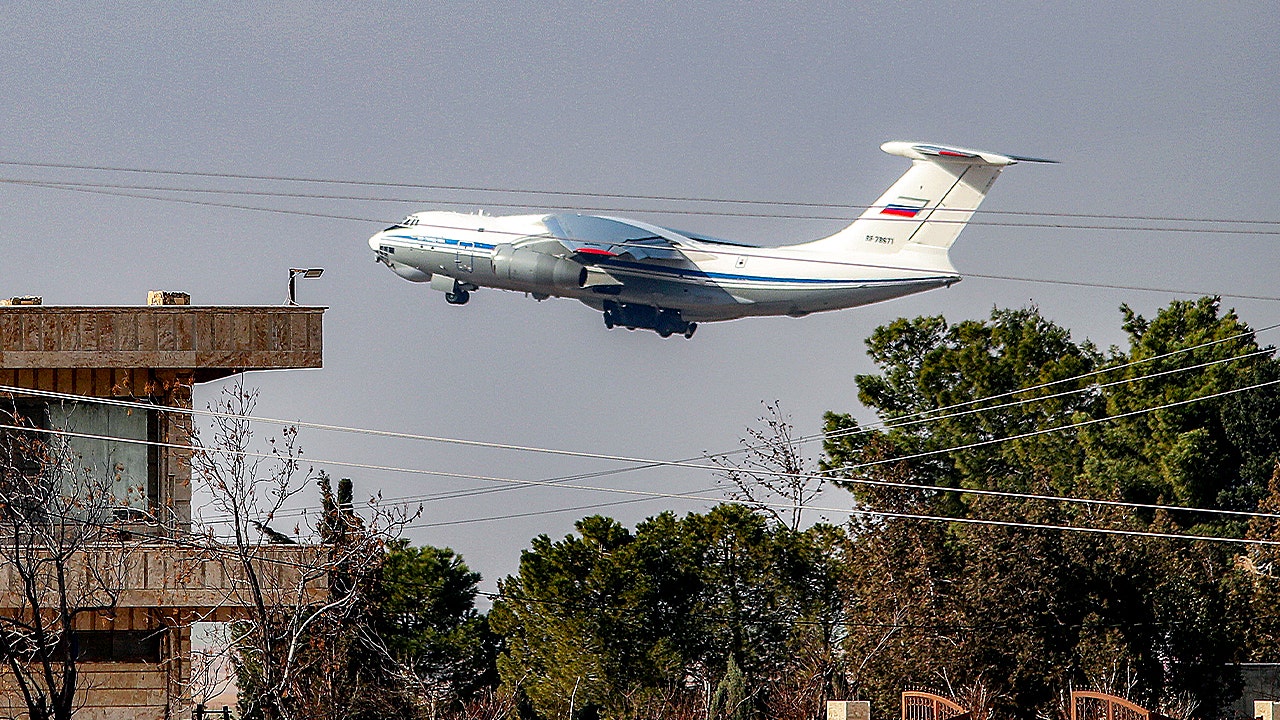
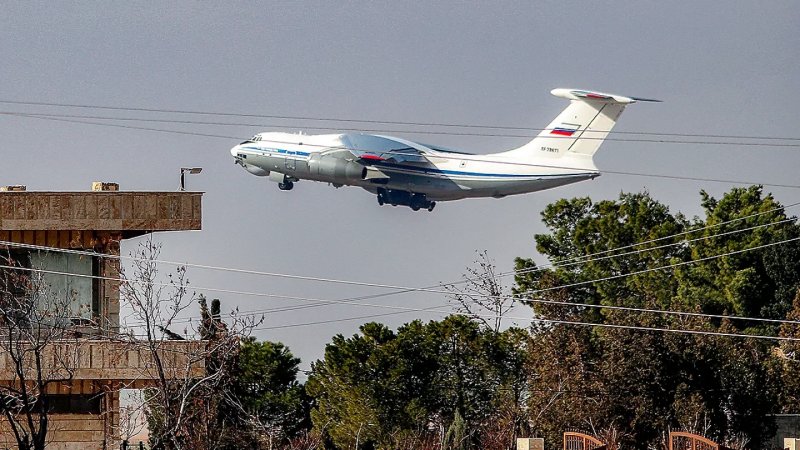
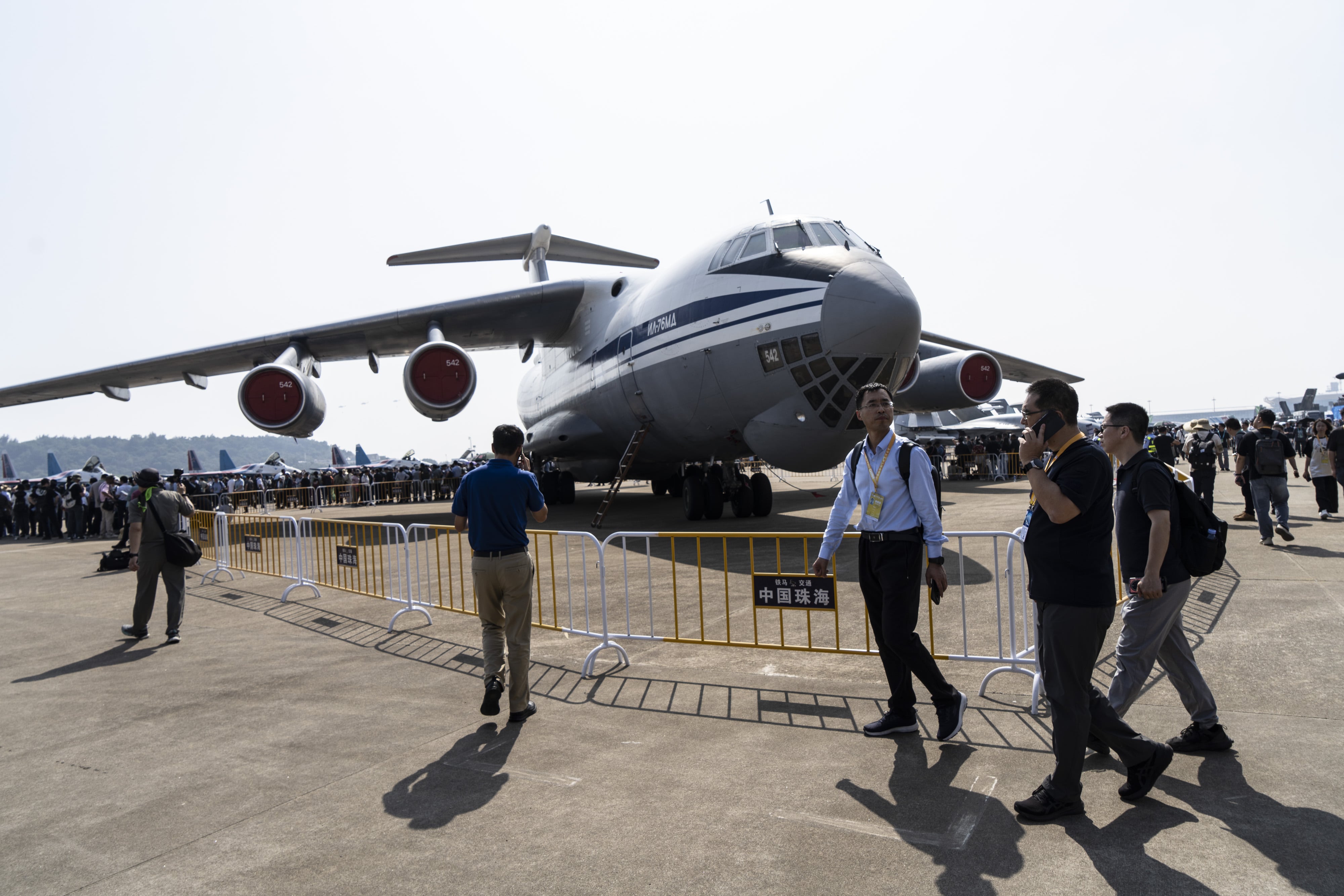
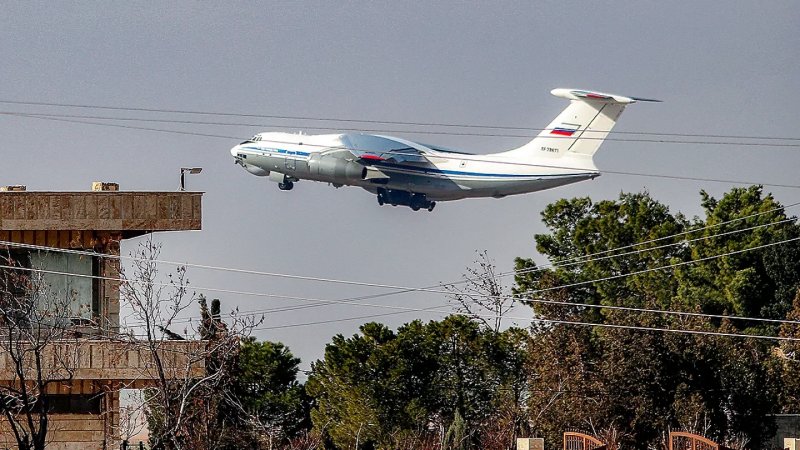
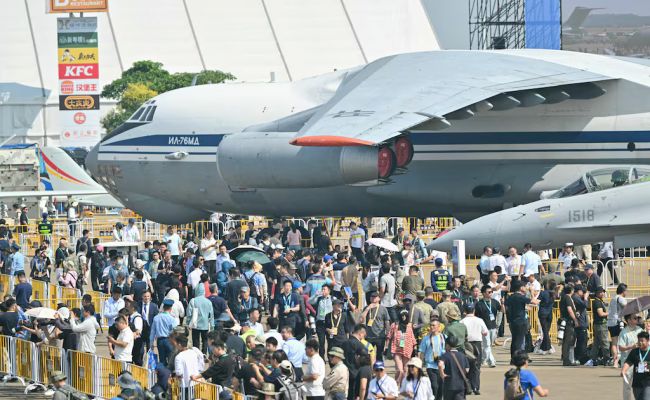
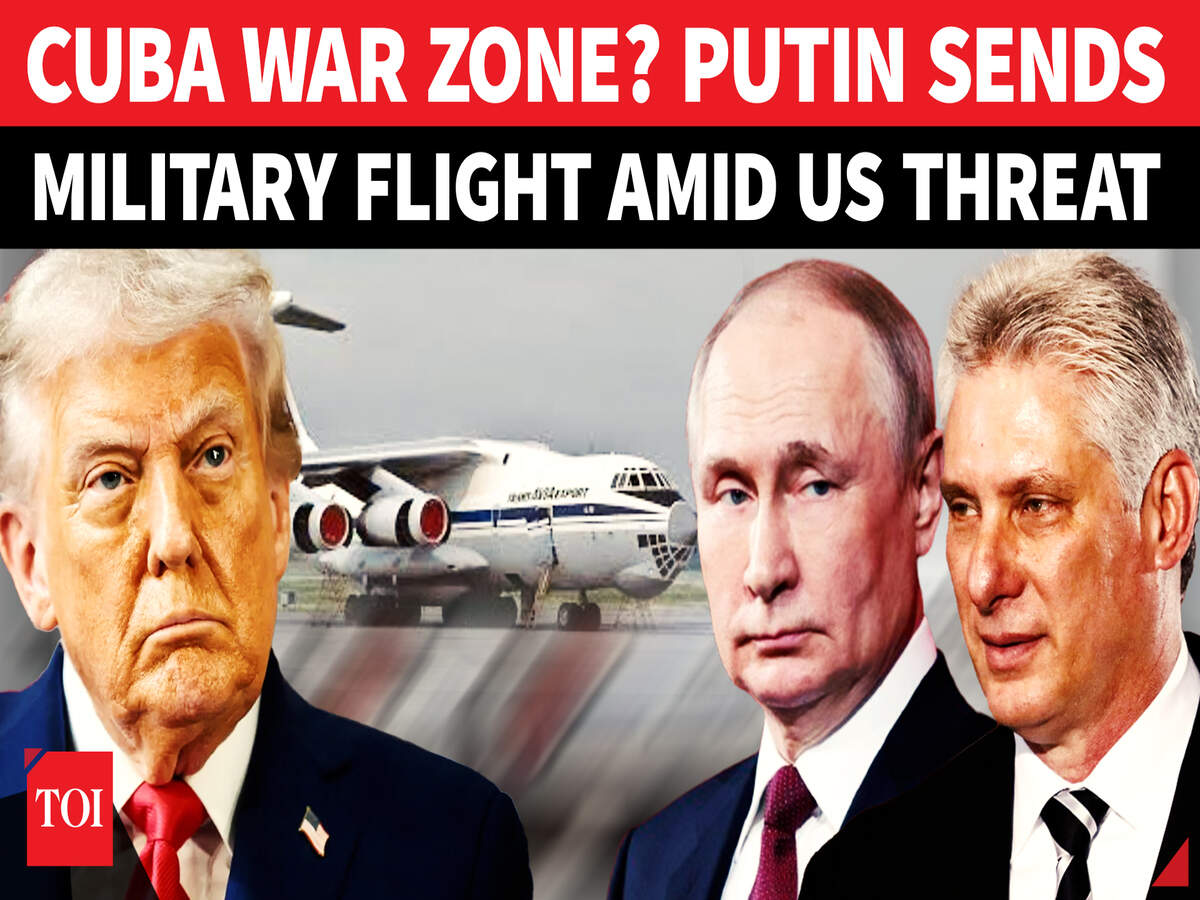
The January 2025 landing of sanctioned Russian Il-76 cargo aircraft (RA-78765) at Cuba's San Antonio de los Baños military airbase represents a critical escalation in Western Hemisphere geopolitical tensions with direct implications for cross-border e-commerce sellers. President Trump's January 29 executive order declaring Cuba a national emergency, combined with potential sanctions against countries supplying Cuban crude oil, creates immediate operational risks for sellers managing Caribbean and Latin American logistics networks. This development follows a pattern of Russian military transport flights to Venezuela (October 2025) and Nicaragua, signaling sustained geopolitical competition in regions critical to global trade corridors.
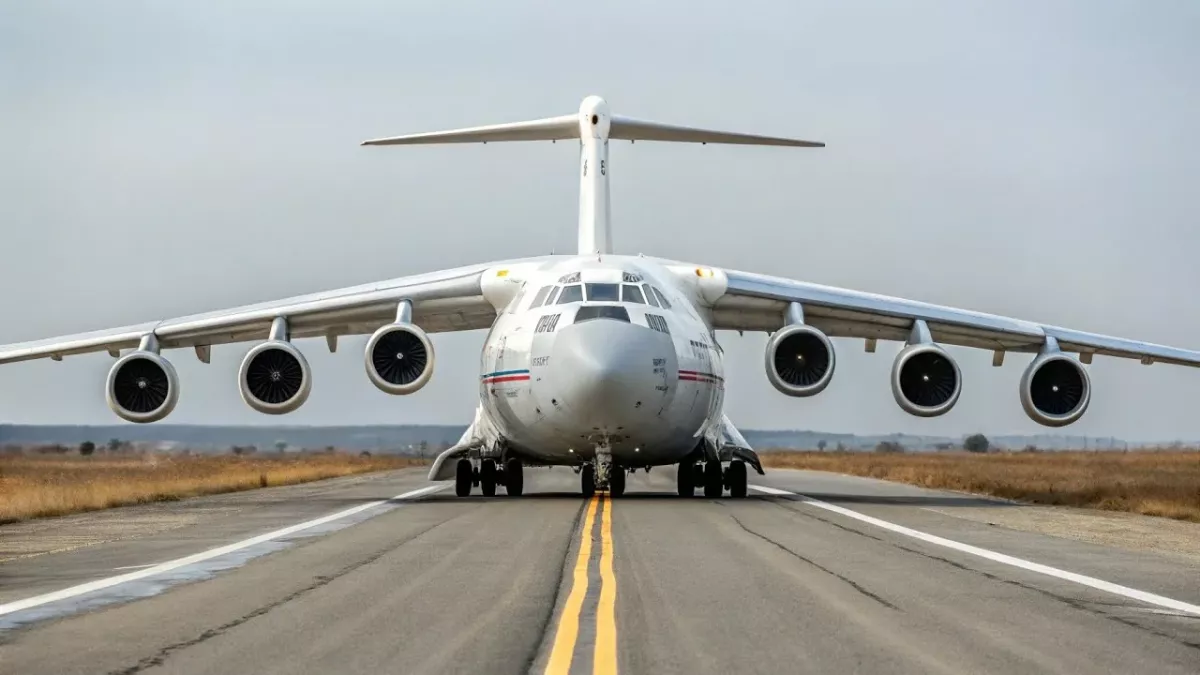
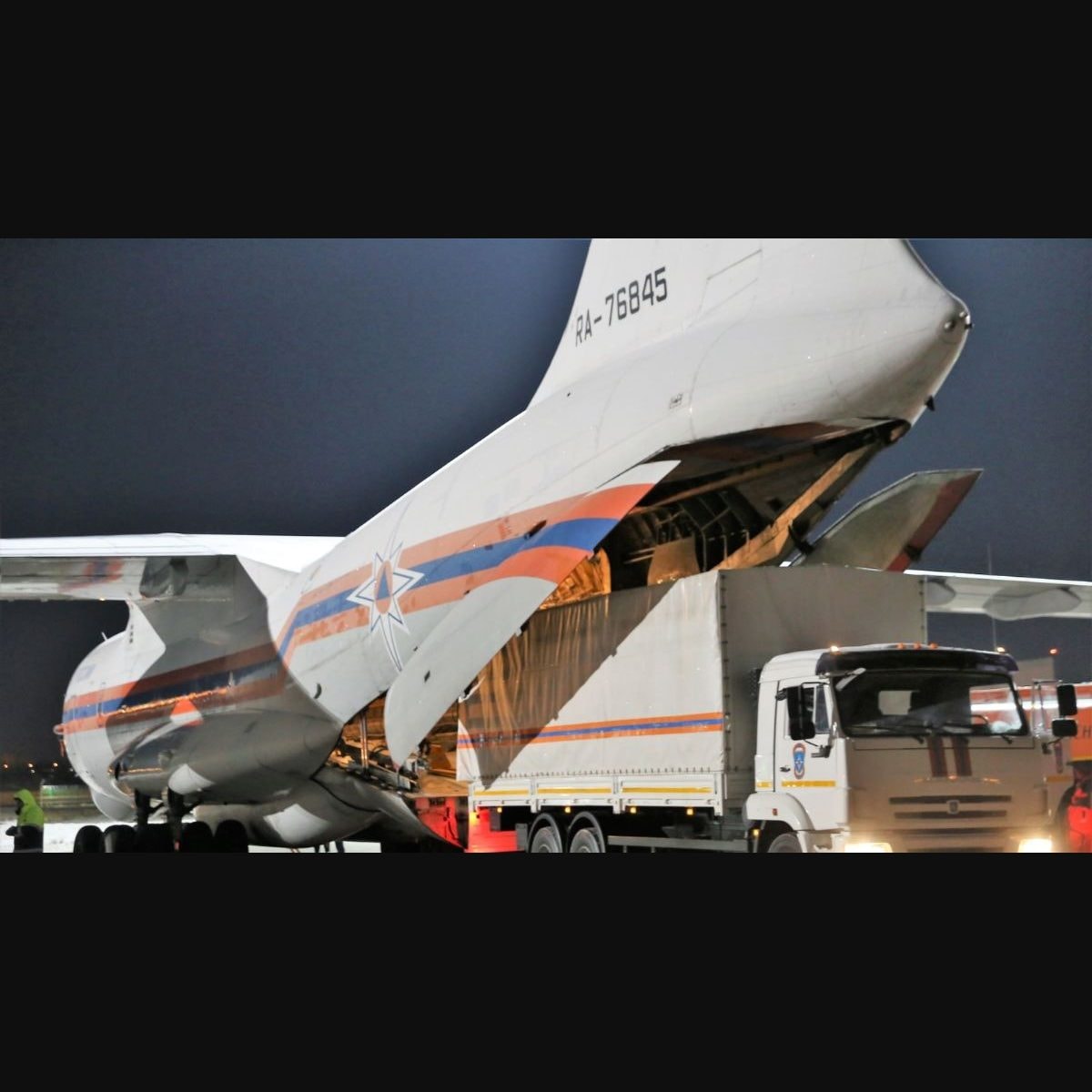
For cross-border commerce stakeholders, this escalation directly impacts three operational dimensions: First, shipping insurance costs for routes involving Cuba, Dominican Republic, and Venezuela are experiencing 15-25% premium increases as underwriters reassess geopolitical risk exposure. Sellers utilizing Caribbean transshipment hubs—particularly for Asia-to-North America routes—face immediate cost pressures on fulfillment operations. Second, regulatory compliance complexity is intensifying. The Trump administration's expanded sanctions framework against countries supplying Cuban crude oil creates secondary sanctions risk for sellers whose 3PL providers or logistics partners maintain operations in affected regions. Sellers must audit supply chain partners for exposure to Venezuela, Nicaragua, and Cuba-related sanctions lists (OFAC SDN list) to avoid penalties ranging from $20,000-$250,000 per violation. Third, logistics route optimization becomes critical. The Il-76's demonstrated capacity (50 tons cargo, 200 personnel) and repeated routing through Dominican Republic, Mauritania, and Algeria suggests Russia is establishing alternative supply corridors that may compete with or disrupt traditional Caribbean shipping lanes.
Strategic implications for seller segments vary by sourcing geography and market focus: Sellers sourcing from or shipping to Venezuela face the highest immediate risk—the aircraft's previous deliveries of Pantsir-S1 and Buk-M2E air defense systems indicate military escalation that could trigger additional US sanctions on Venezuelan trade. Sellers utilizing Dominican Republic as a transshipment hub (common for Asia-to-US routes) should expect increased port security scrutiny and potential delays of 2-5 business days. Small-to-medium sellers (annual revenue $500K-$5M) relying on cost-optimized Caribbean logistics routes face margin compression of 8-12% if forced to shift to alternative corridors. Large sellers with diversified 3PL networks can absorb costs but must implement enhanced compliance monitoring. The timing window for route optimization is narrow—historical precedent suggests 30-60 days before secondary sanctions implementation typically follows major geopolitical escalations.
問題 8
What monitoring systems should sellers implement for ongoing geopolitical compliance?
Sellers should implement three-layer monitoring: (1) weekly OFAC SDN list checks for logistics partners and suppliers, (2) monthly geopolitical risk assessments tracking US-Cuba, US-Venezuela, and US-Russia tensions, and (3) quarterly insurance premium reviews to lock in rates before further escalation. The Treasury Department typically updates sanctions lists within 24-48 hours of policy changes, so automated monitoring systems are essential. Sellers can use free OFAC screening tools (treasury.gov) or subscribe to compliance platforms ($200-500/month) for real-time alerts. Given the Trump administration's stated intent to increase sanctions enforcement, implement automated monitoring by February 15, 2025. Assign one team member to review alerts weekly and document all compliance actions for audit purposes.
How does this geopolitical escalation affect seller margins in Latin America markets?
The Russian military escalation in Latin America creates a bifurcated market opportunity: sellers can capture margin expansion in non-sanctioned Latin American markets (Colombia, Peru, Chile, Argentina) where geopolitical risk premiums don't apply, while facing margin compression in Caribbean/Venezuela-exposed routes. Sellers currently achieving 25-35% gross margins on Caribbean shipments should model 15-20% margins if forced to use alternative logistics routes. However, sellers pivoting to Colombia and Peru markets can maintain 28-32% margins due to lower geopolitical risk and established logistics infrastructure. The strategic window to shift inventory positioning to non-sanctioned markets is 45-60 days. Evaluate your Latin America sales mix by February 28, 2025, and consider reallocating 20-30% of Caribbean inventory to Colombian/Peruvian distribution centers.