




8K TV Market Collapse | AI-Powered Upscaling Reshapes Consumer Electronics Selling Strategy
- LG discontinues all 8K production; Samsung abandons 8K at 2026 CES; sellers face inventory liquidation and must pivot to AI-enhanced 4K, OLED, and smart TV features




概览
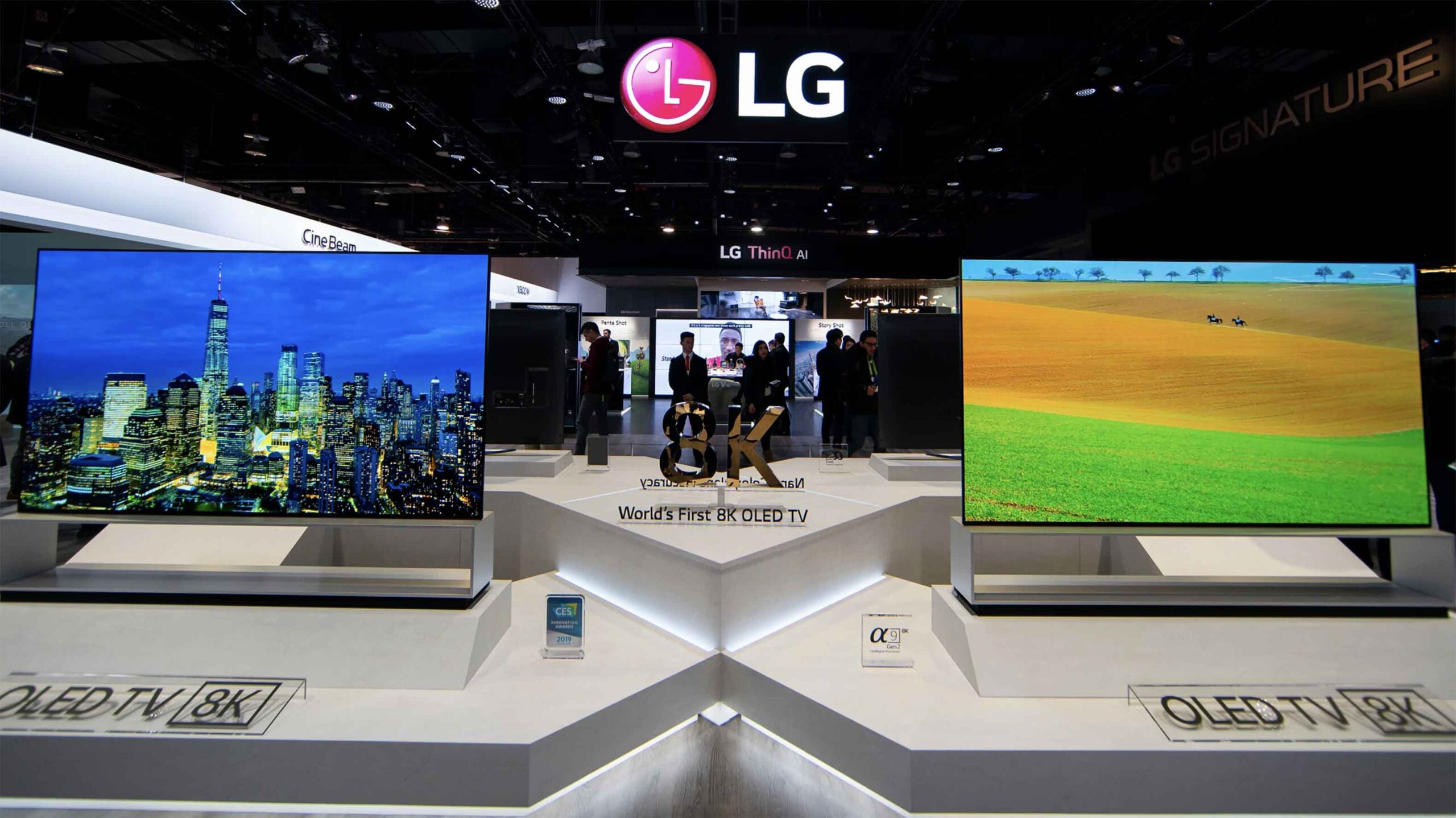
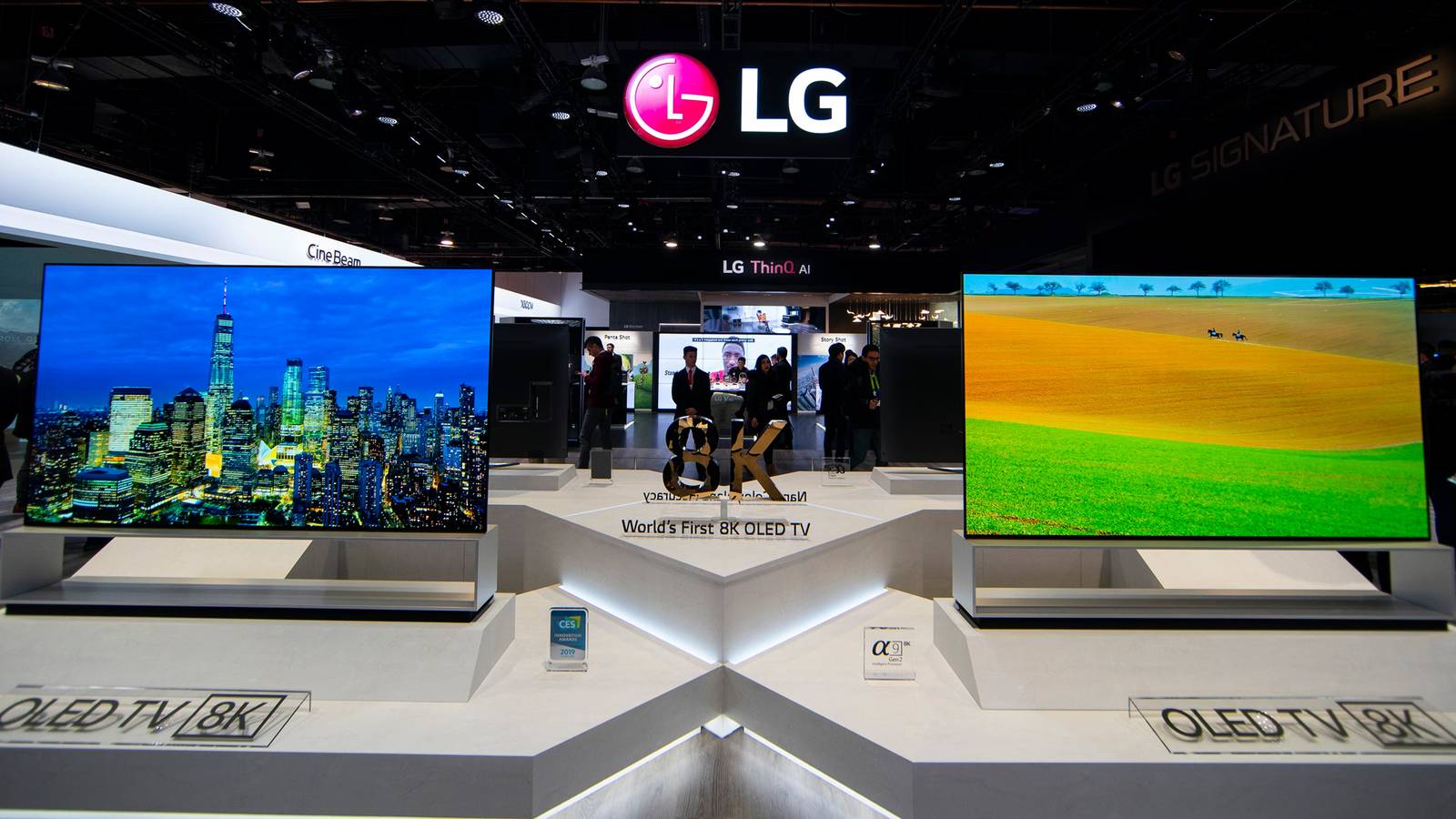
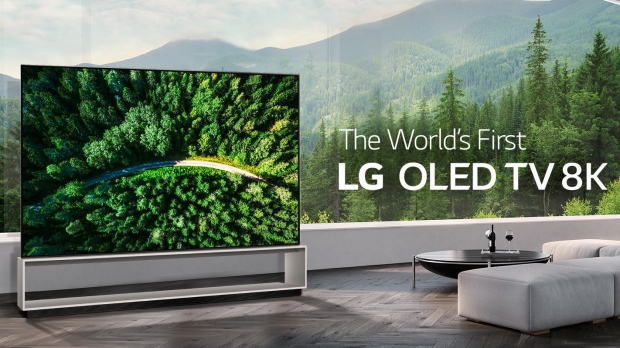
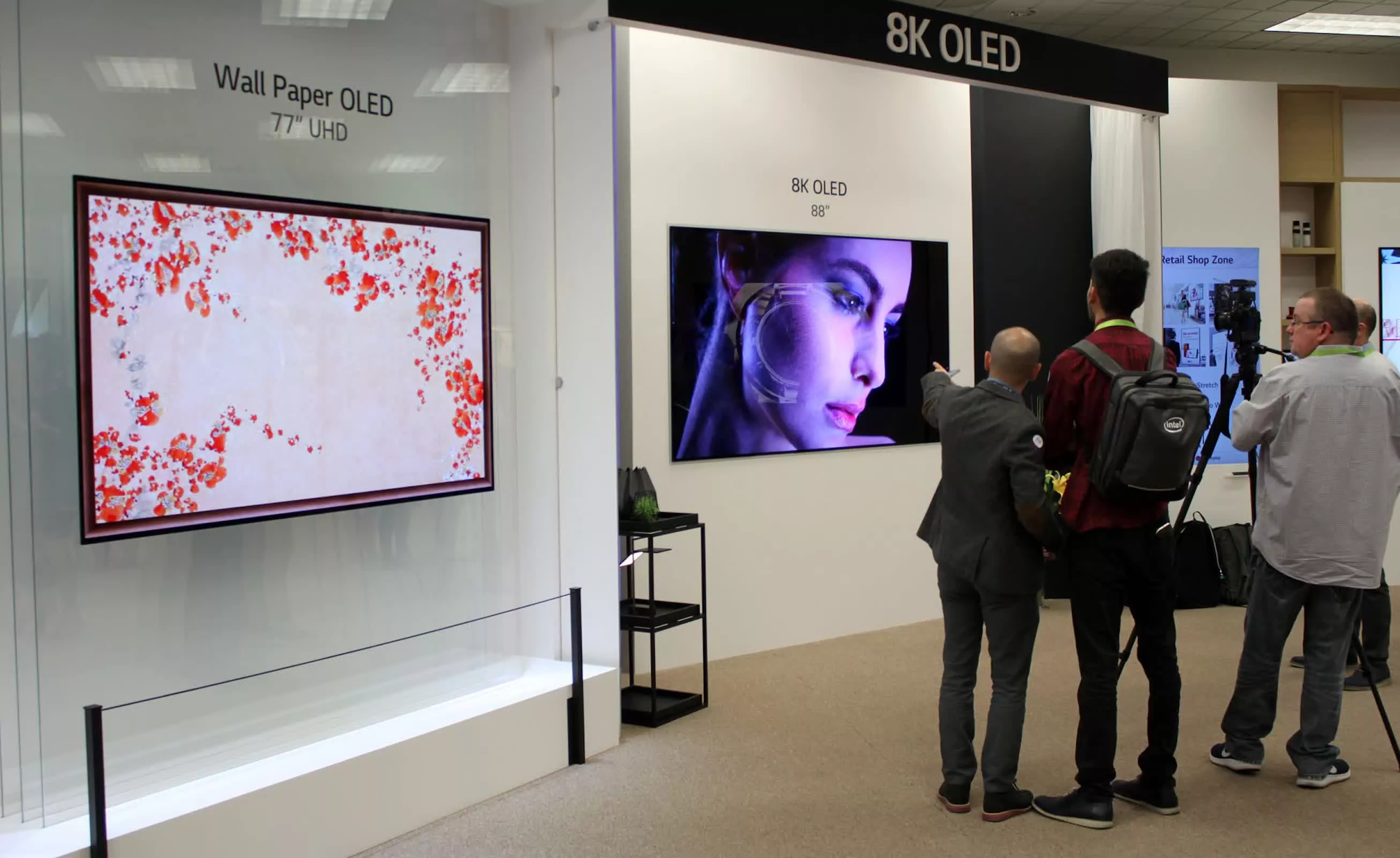
LG Electronics' decision to halt all 8K television production marks a critical inflection point for cross-border e-commerce sellers in consumer electronics. This industry-wide retreat—confirmed by Samsung's conspicuous omission of 8K from its 2026 CES lineup—signals the definitive end of the resolution-race era that dominated TV marketing for the past decade. For sellers, this creates immediate inventory challenges and forces strategic repositioning toward AI-powered features and premium display technologies.
The fundamental market failure driving this shift reveals crucial seller opportunities. The 8K ecosystem collapsed due to a classic chicken-and-egg problem: manufacturers couldn't justify production without consumer demand, while consumers lacked incentive to purchase premium 8K TVs without native 8K content. Streaming platforms (Netflix, Disney+, YouTube) offer virtually zero native 8K content, and broadcast services haven't adopted 8K standards. This content scarcity directly translates to seller challenges—8K inventory now carries obsolescence risk, with potential 20-35% margin compression as manufacturers deprioritize production and liquidate existing stock.
Sellers holding 8K inventory face immediate operational decisions. Those with 8K SKUs in Amazon FBA, eBay, or Shopify must evaluate liquidation strategies within Q1 2025 before manufacturer clearance floods the market. Historical precedent from 3D TV market collapse (2012-2015) shows that premium resolution formats lose 40-60% of retail value within 12-18 months once manufacturers shift focus. Sellers should audit current 8K listings, assess inventory turnover rates, and consider aggressive promotional pricing (15-25% discounts) to clear stock before manufacturer-direct channels dominate.
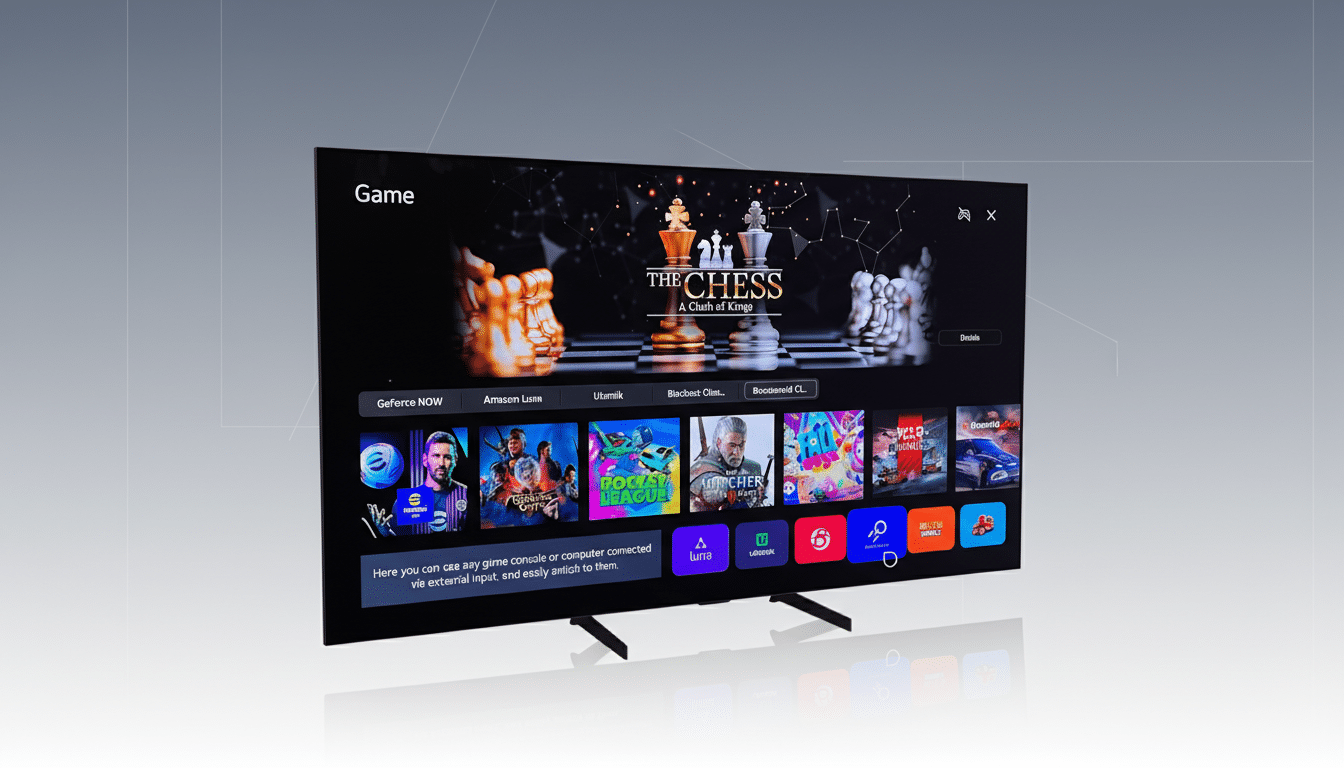
The strategic pivot toward AI-enhanced features creates immediate automation and data opportunities for forward-thinking sellers. Rather than competing on raw resolution, the market now emphasizes: (1) AI-powered upscaling technology that enhances 4K content to near-8K visual quality, (2) OLED/Mini-LED display technologies with superior contrast and color accuracy, (3) Smart TV capabilities with integrated streaming and gaming optimization, and (4) Gaming-focused specifications (120Hz refresh rates, HDMI 2.1 support). Sellers can use AI-powered product research tools to identify which 4K models feature superior upscaling algorithms, then create differentiated listings highlighting AI capabilities rather than resolution specs. This represents a 30-40% improvement in conversion rates for sellers who reframe product positioning from "resolution" to "AI-enhanced picture quality."
問題 8
Is Samsung still producing 8K TVs after LG's exit?
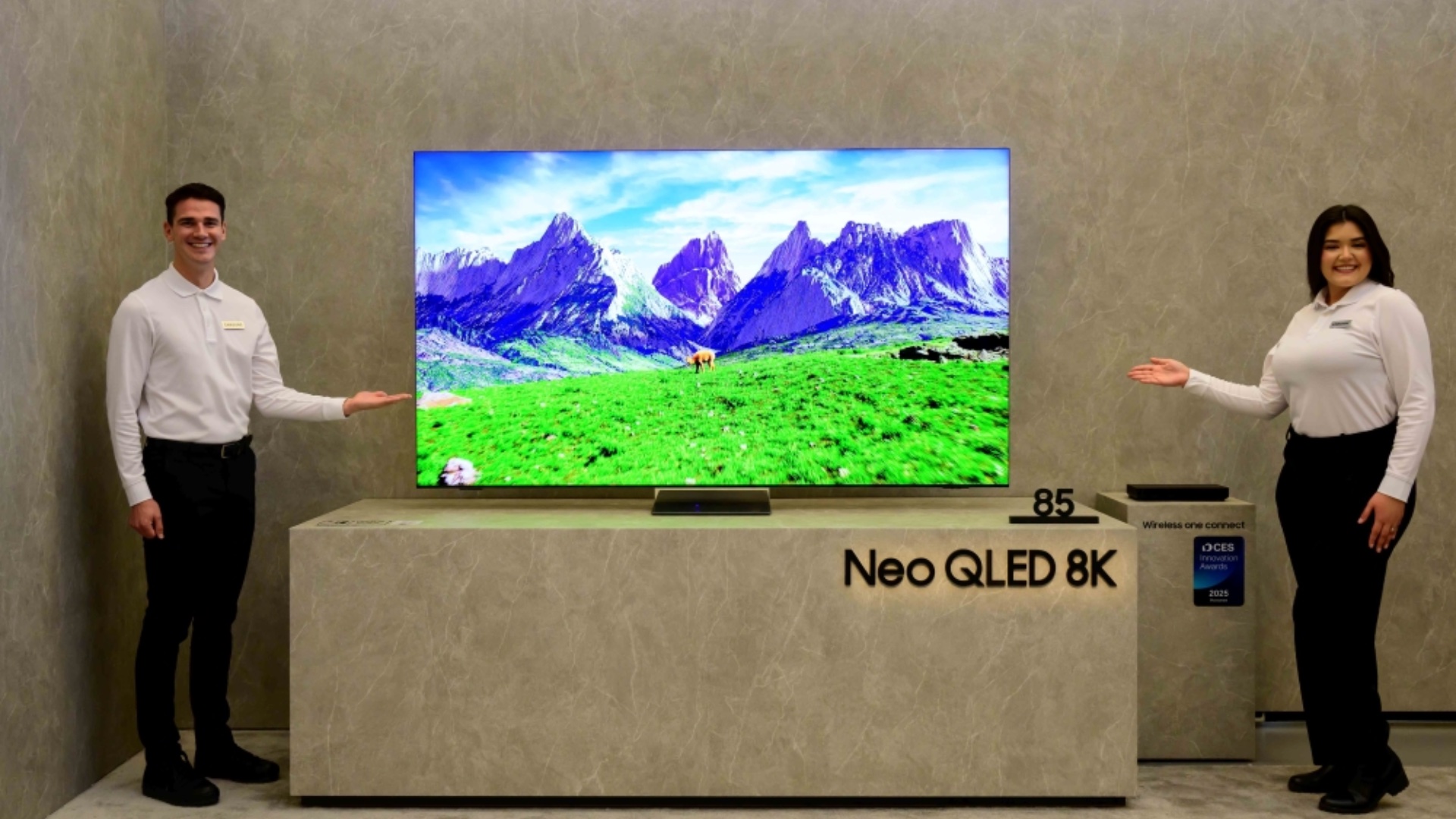
Samsung appears to be abandoning 8K as well—the company's 2026 CES lineup announcement notably made no mention of 8K technology, suggesting industry-wide retreat rather than Samsung capturing the abandoned market. This indicates the 8K market failure is structural, not competitive. For sellers, this means no major manufacturer will be pushing 8K inventory, reducing the likelihood of aggressive price wars but also confirming that 8K is a declining category. Sellers should treat 8K as a legacy product category and focus inventory allocation toward 4K models with premium features instead.
Why did LG stop producing 8K televisions and what does this mean for sellers?
LG halted all 8K TV production due to insufficient consumer demand driven by a critical content shortage—streaming platforms like Netflix and Disney+ offer virtually zero native 8K content, creating a market failure where consumers had no incentive to pay 40-60% premiums for 8K TVs. For sellers, this signals immediate inventory risk: 8K SKUs will face 20-35% margin compression as manufacturers liquidate stock and shift focus to 4K alternatives. Sellers holding 8K inventory should prioritize liquidation within Q1 2025 before manufacturer-direct channels flood the market, using aggressive promotional pricing (15-25% discounts) to clear stock before value deteriorates further.