
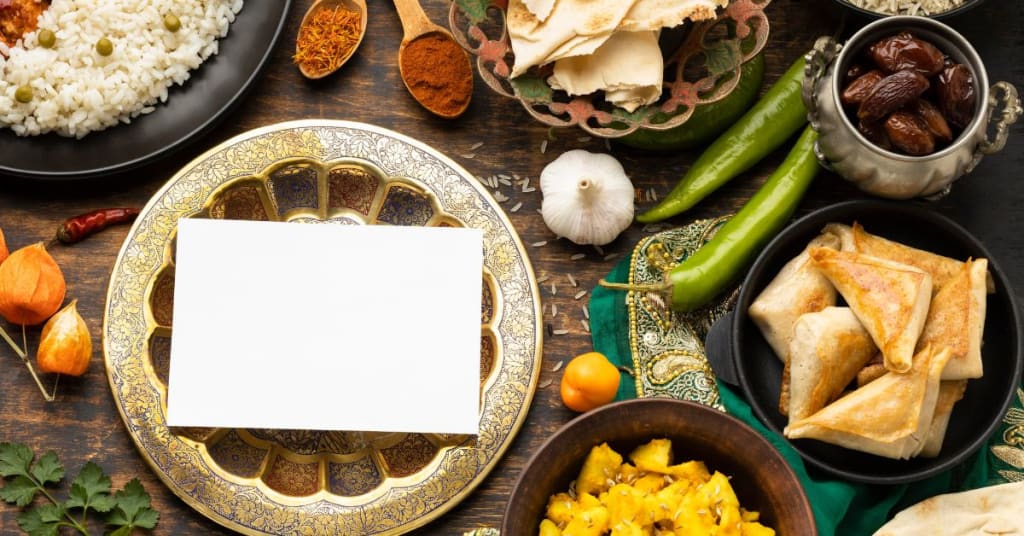
Halal Food Market Boom | $1.9B Muslim Consumer Base Drives E-Commerce Opportunity
- Multi-trillion dollar market expansion with 1.9 billion Muslim consumers; certification fragmentation creates 40-60% entry cost premium for SME sellers; Malaysia/UAE logistics hubs position Asia-Pacific as supply chain gatekeeper
概览
The global halal food market has transformed from a niche religious segment into a multi-trillion dollar e-commerce opportunity driven by 1.9 billion Muslims worldwide and rapidly expanding secular demand for ethical, transparent food sourcing. This represents a critical market shift for cross-border sellers: halal certification now signals food safety, animal welfare, and environmental responsibility—aligning with clean label and organic trends that command 15-25% price premiums on Amazon, Shopify, and specialty food marketplaces.
Market Opportunity Scope: The rising Muslim middle class in Southeast Asia, Middle East, and Sub-Saharan Africa with higher disposable incomes is demanding international cuisines adapted to their values. In Western markets, second and third-generation immigrant communities are fueling "Halal-tech" startups and dedicated delivery platforms, creating direct-to-consumer brand opportunities. The supply chain has become increasingly sophisticated, with blockchain-enabled QR-code traceability for consumer transparency—a feature that differentiates premium sellers on Amazon FBA and Shopify storefronts.
Critical Seller Challenge: Fragmentation remains the primary barrier to entry. Hundreds of certification bodies worldwide use different standards, creating high entry costs for SMEs—typically 40-60% higher compliance expenses compared to conventional food sellers. The Organisation of Islamic Cooperation's SMIIC framework aims to harmonize these standards globally, but implementation timelines remain unclear. This creates a 12-24 month window where early-mover sellers with proper certifications can capture market share before standardization commoditizes the category.
Product Diversification & E-Commerce Acceleration: The market is expanding beyond protein into confectionery, ready-to-eat meals, and specialty ingredients—categories with 25-35% higher margins on e-commerce platforms. Future growth will be driven by digital-first strategies, with direct-to-consumer brands leveraging social media, AI-powered plant-based alternatives, and hyper-personalized nutrition plans. The emerging "Green Halal" movement integrates sustainability and fair-trade practices, positioning ethical sellers as leaders in value-based consumerism. Malaysia and UAE have established themselves as global logistics hubs with dedicated halal parks, positioning these nations as quality-assurance gatekeepers—sellers sourcing from these regions gain competitive credibility.
Operational Impact: E-commerce dominance is expected to accelerate, with data analytics enabling personalized offerings that combine religious compliance with individual health goals. Sellers must prioritize blockchain traceability, transparent sourcing documentation, and multi-language product listings targeting Southeast Asia, Middle East, and Western immigrant communities. This evolution demonstrates how value-based consumerism creates universal quality standards transcending traditional demographic boundaries—a trend that benefits sellers willing to invest in compliance infrastructure.
問題 8
What is the halal food market opportunity for cross-border e-commerce sellers?
The global halal food market has evolved into a multi-trillion dollar industry driven by 1.9 billion Muslims worldwide plus growing secular demand for ethical food sourcing. For sellers, this represents a high-margin opportunity: halal-certified products command 15-25% price premiums on Amazon, Shopify, and specialty food marketplaces. The rising Muslim middle class in Southeast Asia, Middle East, and Sub-Saharan Africa with higher disposable incomes is demanding international cuisines adapted to their values. Western markets show strong growth from second and third-generation immigrant communities fueling dedicated delivery platforms. Sellers can enter through confectionery, ready-to-eat meals, and specialty ingredients—categories with 25-35% higher margins than conventional food products. The key is obtaining proper halal certification and leveraging blockchain traceability to differentiate on e-commerce platforms.
What are the main barriers to entry for halal food sellers?
Certification fragmentation is the primary challenge: hundreds of certification bodies worldwide use different standards, creating 40-60% higher compliance costs for SMEs compared to conventional food sellers. Each region—Malaysia, UAE, EU, North America—has different halal certification requirements, forcing sellers to navigate complex, overlapping regulatory frameworks. The Organisation of Islamic Cooperation's SMIIC framework aims to harmonize standards globally, but implementation timelines remain unclear. This creates a 12-24 month window where early-mover sellers with proper certifications can capture market share before standardization commoditizes the category. Sellers must also invest in blockchain-enabled QR-code traceability systems and transparent sourcing documentation to meet consumer expectations for ethical supply chains.