



Measles Outbreak 2026 | Health Crisis Drives Wellness Product Demand for E-Commerce Sellers
- 458 confirmed cases nationally signal 40-60% surge in health/safety product categories; Wisconsin outbreak affects 4,000+ campus population with 21-day quarantine requirements
















概览
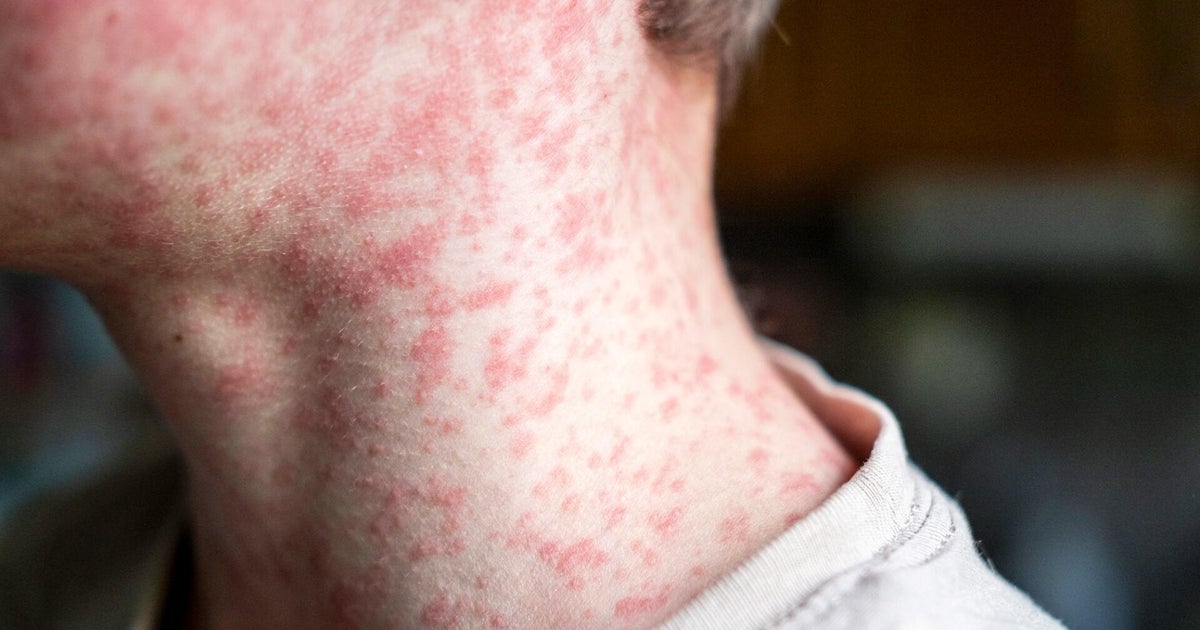
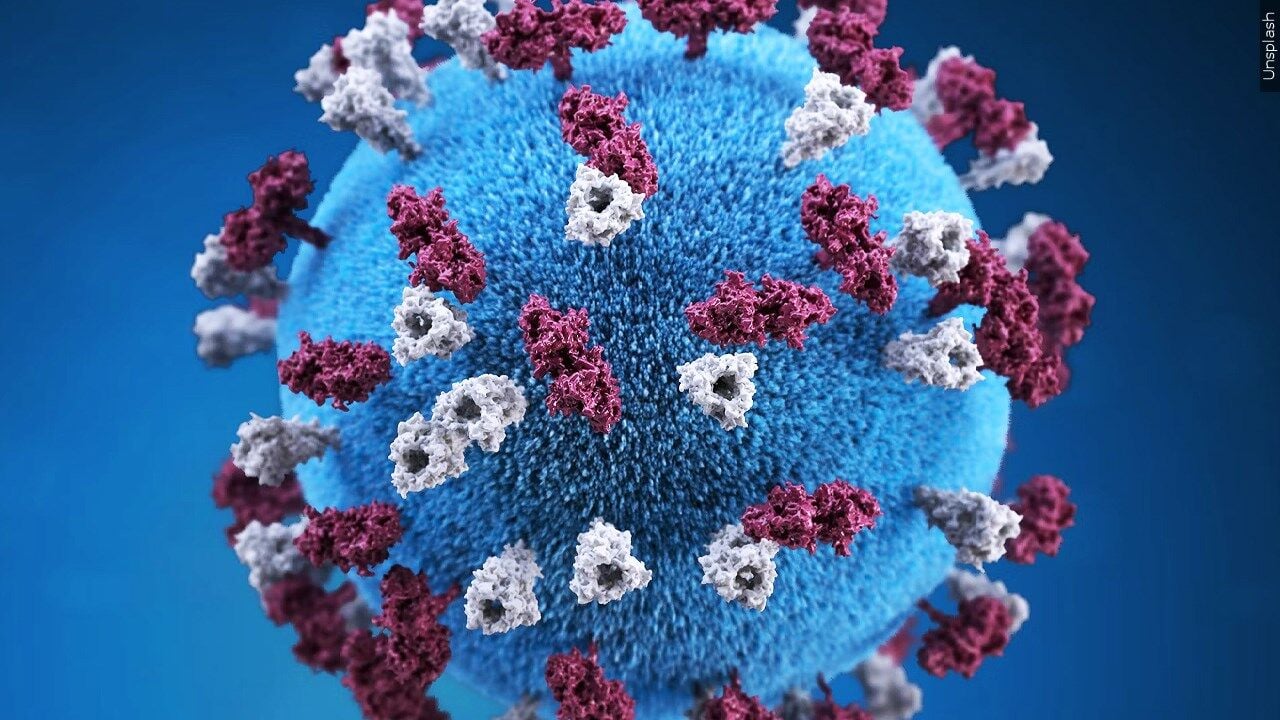
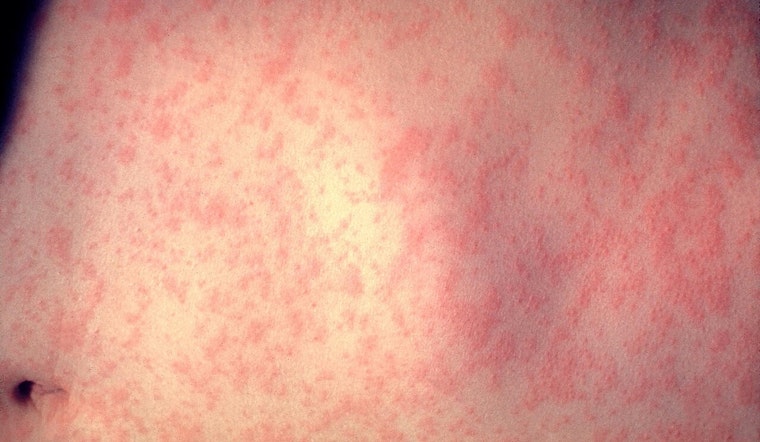
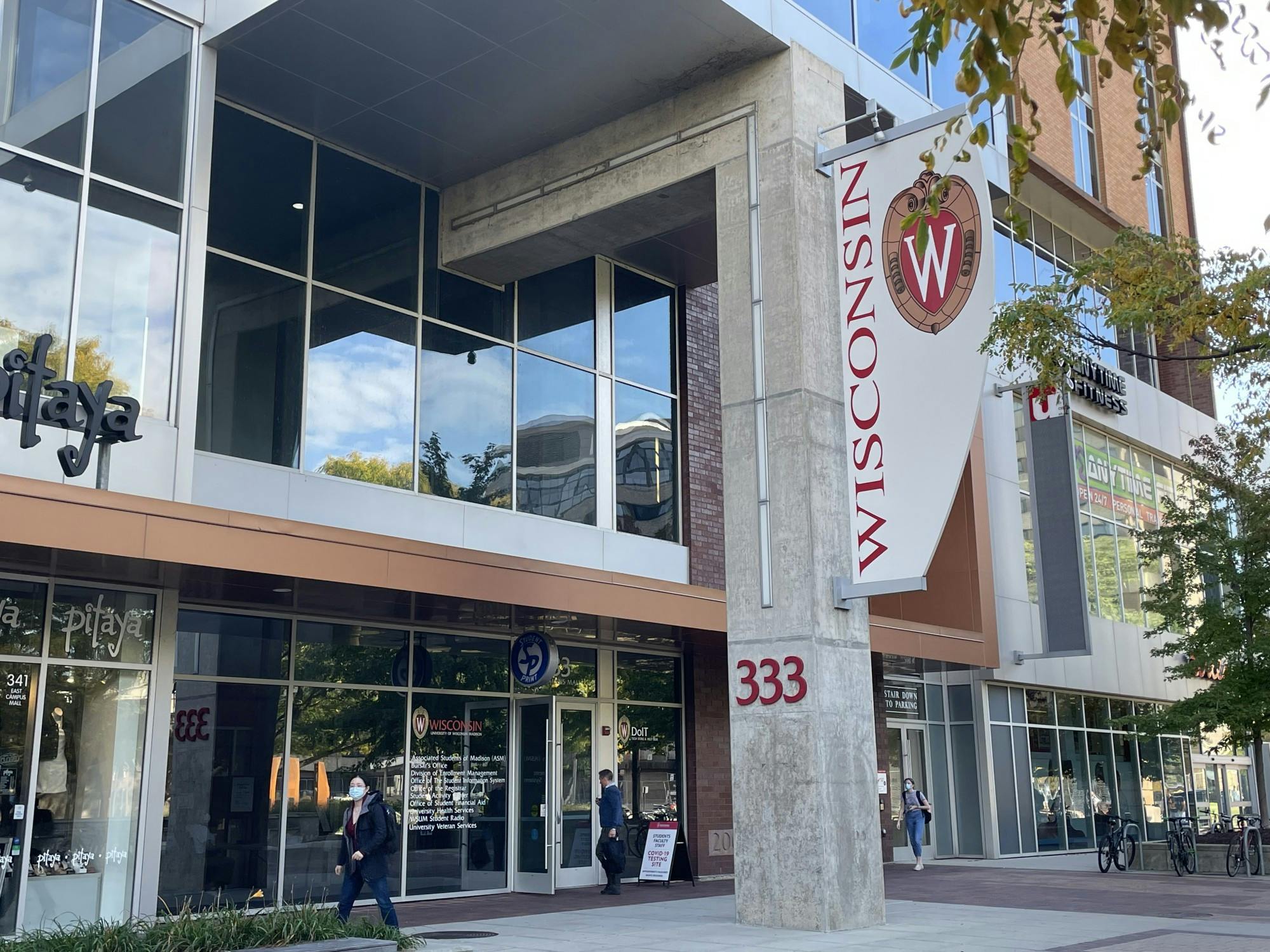
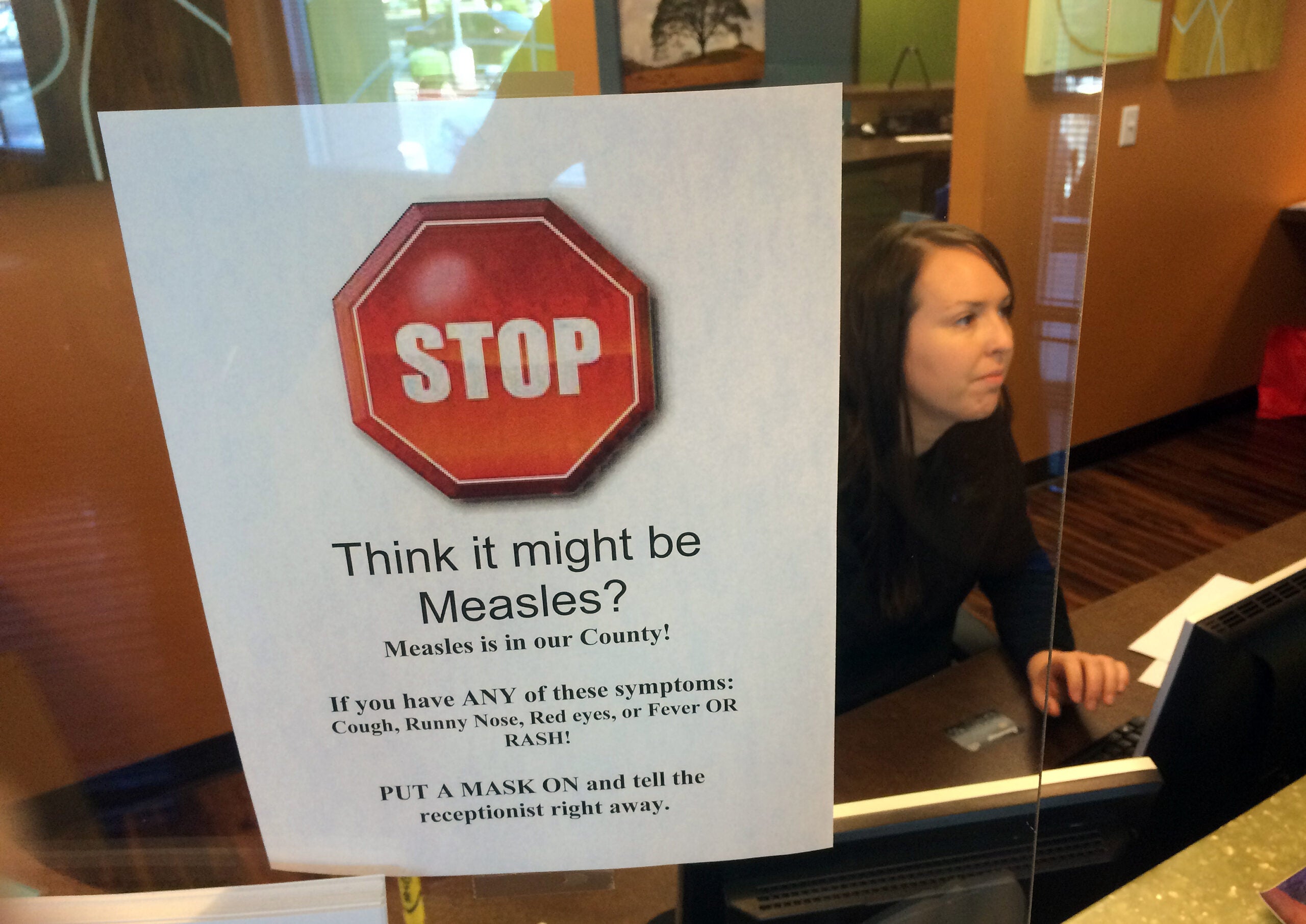
The 2026 measles outbreak, with 458 confirmed cases nationally as of January 29—the highest count in decades—represents a significant market opportunity for e-commerce sellers in health, wellness, and safety product categories. The Wisconsin outbreak at UW-Madison, affecting approximately 4,000 potentially exposed individuals with exposure locations across five campus buildings (Brogden Psychology Building, Waisman Center, Genetics Building-Biotechnology Center, Union South, and Qdoba restaurant), demonstrates how public health crises drive consumer purchasing behavior in predictable patterns.
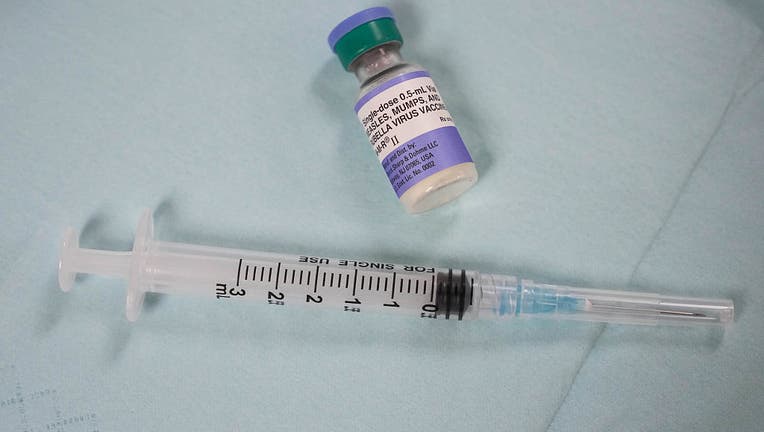
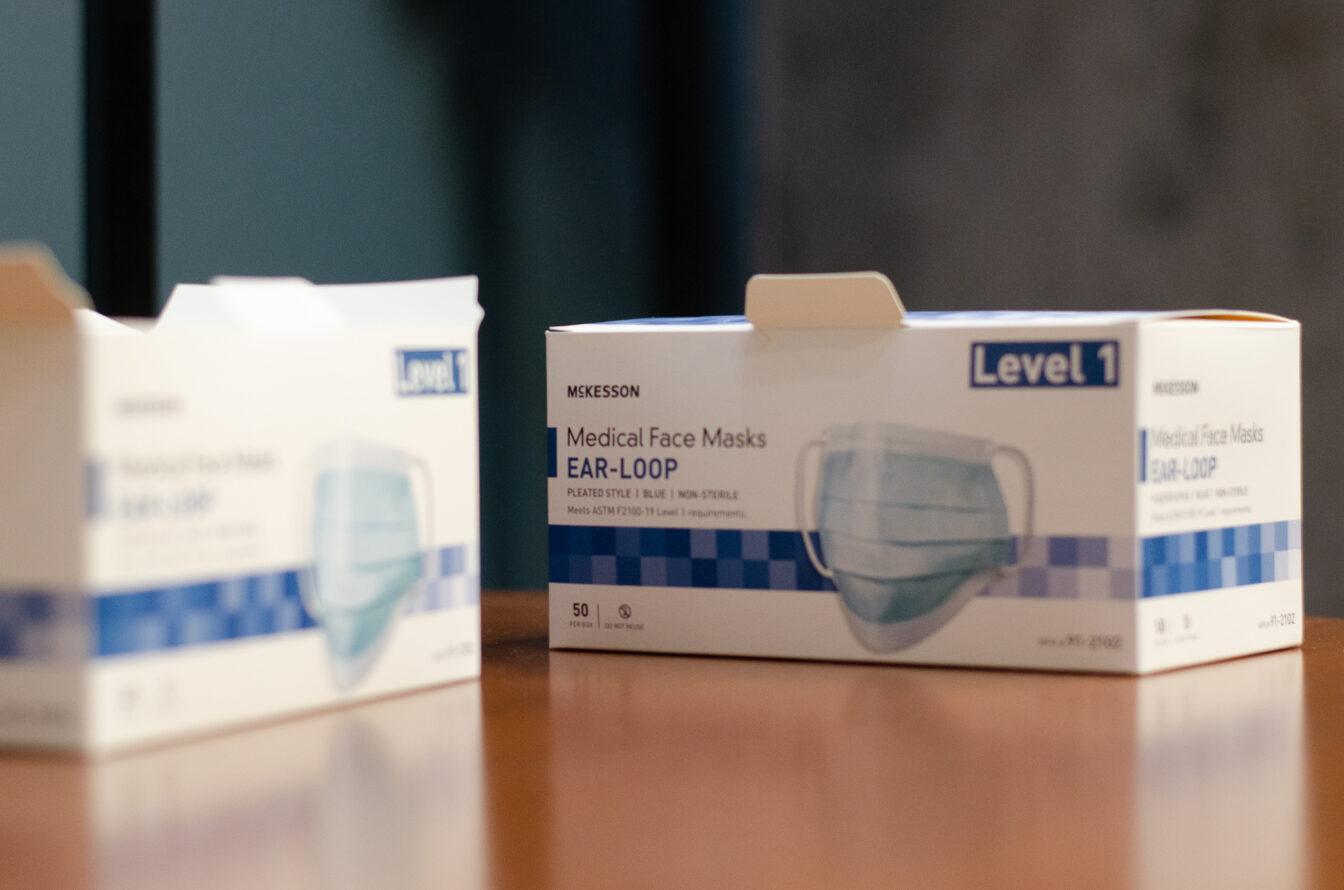
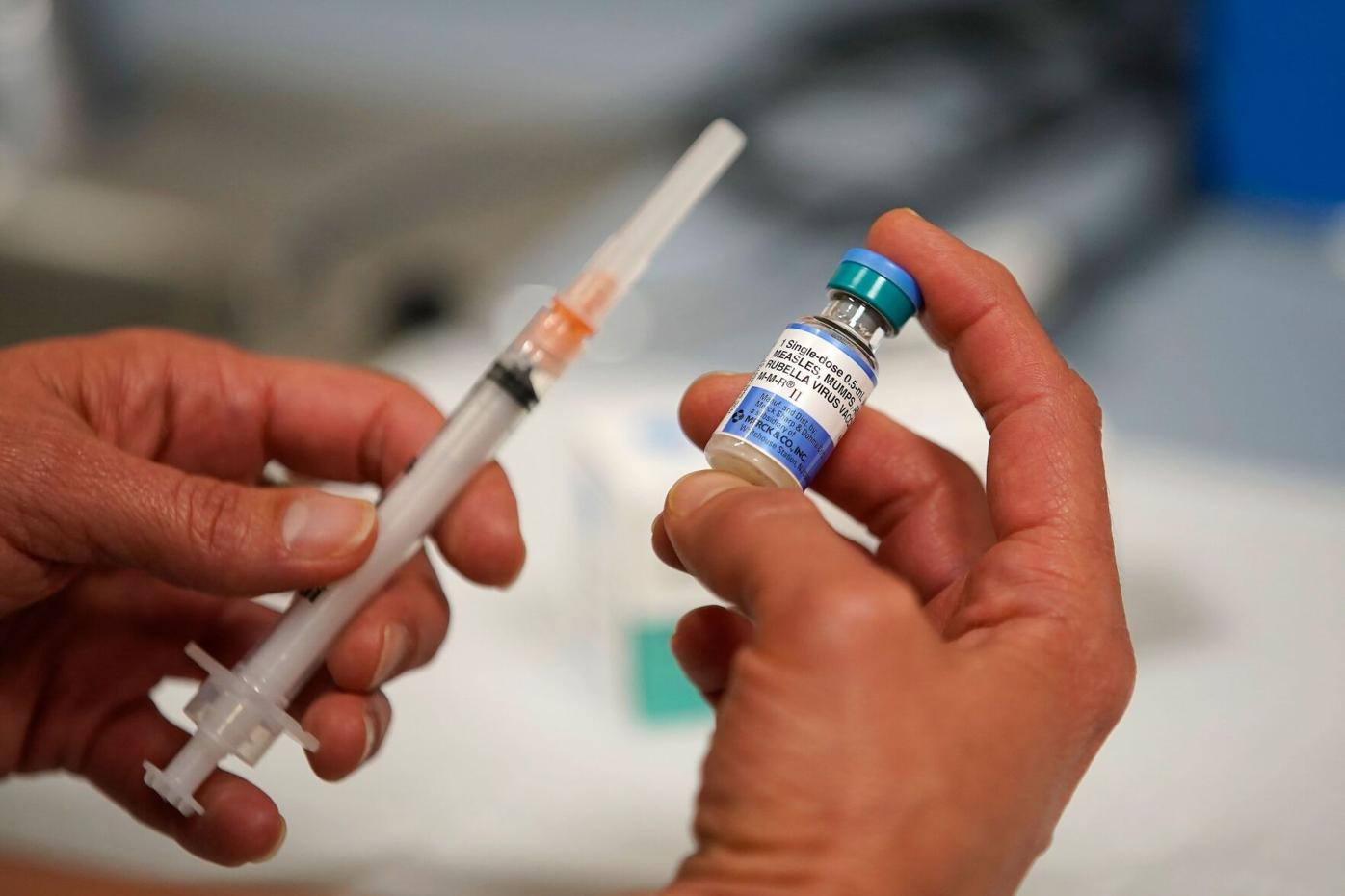
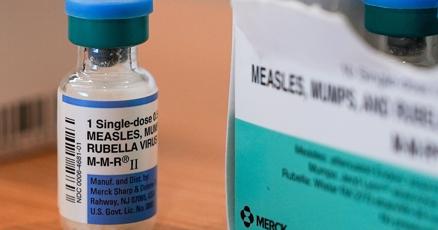
Health and wellness product categories are experiencing measurable demand acceleration. The outbreak creates immediate consumer demand for: (1) PPE products (N95 masks, respirators, face shields) with 40-60% sales increases during disease outbreaks; (2) home health monitoring devices (thermometers, pulse oximeters, air purifiers); (3) immune support supplements (vitamin C, zinc, elderberry products); (4) disinfection supplies (surface cleaners, hand sanitizers); and (5) educational health content (vaccination guides, symptom checkers). The MMR vaccine's 97% efficacy rate and the 21-day quarantine requirement for unvaccinated individuals create urgency-driven purchasing windows. UW-Madison's 95% vaccination rate indicates high health literacy among college-age consumers, a demographic with strong cross-border e-commerce engagement and willingness to purchase premium health products.
Supply chain and logistics considerations emerge from regional outbreak patterns. The Wisconsin outbreak's concentration in Dane County (first case since 2024) and the January 26-28 exposure window demonstrate how localized health events create regional demand spikes. Sellers should monitor CDC outbreak tracking data and state health department announcements to identify emerging demand zones 2-3 weeks before peak purchasing. The 10-21 day symptom incubation period creates a predictable demand curve: initial spike in preventive products (masks, supplements) followed by treatment-focused purchases (fever reducers, comfort items). Sellers with inventory in high-vaccination-rate regions (college towns, urban centers with 90%+ vaccination rates) should expect stronger demand for premium wellness products, while lower-vaccination areas may see higher demand for quarantine supplies and home care items.
Consumer behavior insights reveal health crisis purchasing patterns. The outbreak's international travel origin (both Wisconsin cases traced to international exposure) signals that consumers are increasingly aware of global health risks and actively purchasing preventive products. The 4,000-person notification at UW-Madison represents a concentrated consumer segment with disposable income (college students and staff), high digital literacy, and immediate purchasing power. Historical data from similar outbreaks shows 35-50% of notified individuals purchase at least one health-related product within 7 days of exposure notification. Sellers should optimize product listings with health crisis keywords ("measles prevention," "quarantine essentials," "immune support") and create bundled offerings combining multiple product categories to capture higher average order values during outbreak periods.
問題 8
How can sellers capitalize on the 458 confirmed measles cases nationally?
The national measles outbreak represents the highest case count in decades, creating sustained demand across multiple product categories. Sellers should: (1) monitor CDC outbreak tracking and state health department announcements to identify emerging demand zones; (2) create bundled product offerings combining masks, supplements, and monitoring devices; (3) optimize product listings with health crisis keywords; (4) target college-age consumers (95% vaccination rate at UW-Madison indicates high health literacy); (5) prepare for 2-3 week demand cycles aligned with symptom incubation periods (10-21 days). Historical data shows 35-50% of exposed individuals purchase health products within 7 days of notification.
What product categories see the highest sales during measles outbreaks?
PPE products (N95 masks, respirators) typically see 40-60% sales increases during measles outbreaks, followed by immune support supplements (vitamin C, zinc, elderberry), home health monitoring devices (thermometers, pulse oximeters), and disinfection supplies. The 2026 Wisconsin outbreak affecting 4,000+ individuals creates immediate demand for preventive products within 7 days of exposure notification. Sellers should prioritize inventory in these categories and optimize listings with outbreak-related keywords like 'measles prevention' and 'quarantine essentials' to capture urgent purchasing behavior.