

UK-EU Customs Union Talks Signal Major Tariff & Compliance Shifts for Cross-Border Sellers
- EU signals openness to customs union by February 2026; potential 15-25% cost reduction for UK-EU trade but threatens non-EU market access for UK sellers



概览
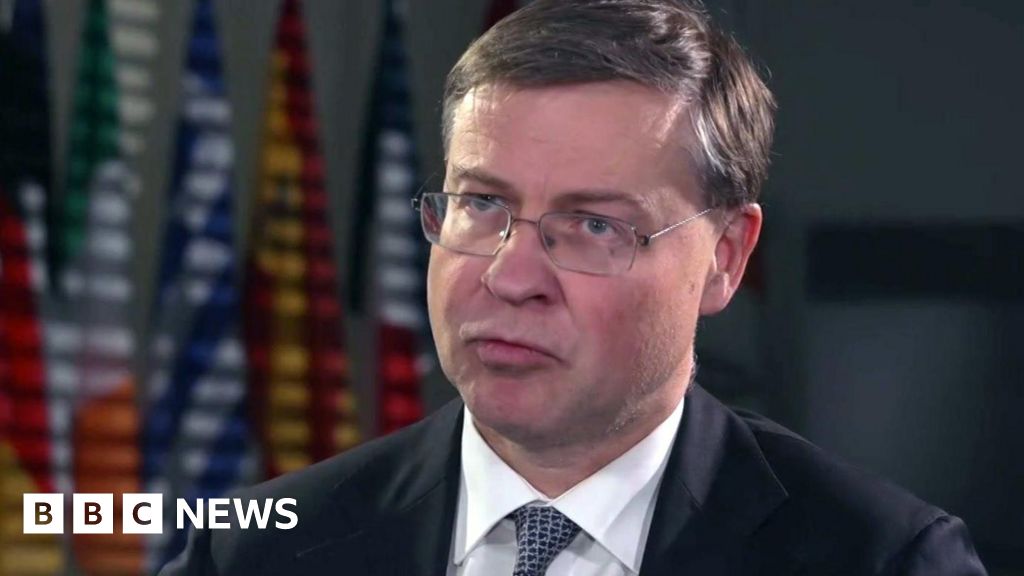
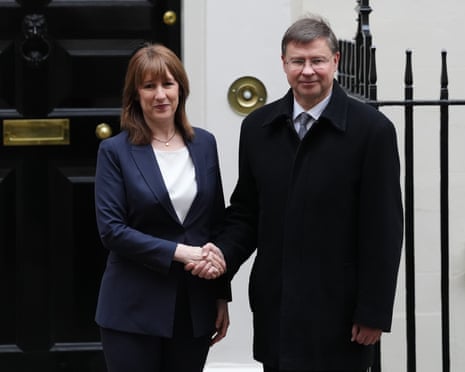
The European Union's February 2026 signal of openness to UK customs union membership represents a watershed moment for cross-border e-commerce sellers operating in the UK-EU corridor. EU Finance Commissioner Valdis Dombrovskis stated the bloc is "ready to engage with an open mind" following high-level talks with UK Chancellor Rachel Reeves, marking the strongest EU position yet on potential customs union membership. While the UK government has ruled out full customs union membership as a "red line," ongoing negotiations signal imminent regulatory alignment on food safety checks, VAT treatment, and product standards—changes that will reshape seller economics regardless of final customs status.
The tariff arbitrage opportunity is immediate and substantial. A customs union would eliminate tariffs and border checks on UK-EU commerce, potentially reducing compliance costs by 15-25% for sellers currently navigating post-Brexit friction. UK-based sellers shipping to EU marketplaces (Amazon.eu, eBay.eu) currently face £50-150 per shipment in customs documentation, VAT compliance, and border delays. EU sellers exporting to UK marketplaces experience similar friction. A customs union would streamline these operations, but the UK government's stated preference for "single market alignment" suggests a middle path: regulatory harmonization without full customs integration. This creates a 12-18 month window where sellers can optimize supply chains before final policy crystallizes.
The strategic sourcing shift is equally critical. Currently, the UK maintains separate trade agreements with India, Australia, and Japan—providing symbolic value but limited economic growth. A customs union would place the UK under the EU's umbrella of 40+ trade agreements covering approximately 70 countries and regions. For sellers, this means: (1) UK-based sellers lose independent negotiating leverage with non-EU partners, reducing tariff advantages on US and Indian sourcing; (2) EU sellers gain streamlined access to UK distribution; (3) Food, drink, and carbon trading deals under discussion could generate £9 billion annually to the UK economy by 2040, signaling strong demand for these categories. Sellers in food/beverage (HS codes 0201-2106), electronics (HS 8471-8517), and textiles (HS 6201-6217) face the most significant margin compression if tariff advantages erode.
Compliance complexity will increase before it decreases. Negotiations cover veterinary agreements, youth exchange programs, EU electricity market participation, and emissions trading system linkage—each requiring seller adaptation. VAT treatment, product standards (CE marking, UKCA marking), and logistics operations will shift during the 2025-2026 negotiation window. Sellers must monitor three critical deadlines: (1) Second UK-EU summit scheduled for later in 2025 (expected to produce new agreements); (2) February 3, 2026 follow-up meetings with Chancellor Reeves; (3) EU special summit in Belgium to strengthen the single market. Each summit is expected to produce iterative progress, meaning compliance requirements will evolve quarterly rather than in a single policy shift.
問題 8
How should sellers prepare for potential regulatory changes during the negotiation period?
Sellers should implement a three-part compliance preparation strategy: (1) Audit current VAT registration, product certifications (CE/UKCA), and customs documentation processes by Q1 2025; (2) Establish monitoring protocols for UK-EU summit announcements (scheduled for later in 2025 and February 2026) to track regulatory changes; (3) Prepare contingency compliance systems in Amazon Seller Central, eBay Seller Hub, and Shopify for potential VAT treatment changes and product standard harmonization. Specifically, sellers should review current food safety documentation (if applicable) to understand potential simplification from removal of most food safety checks. Additionally, sellers should evaluate 3PL provider capabilities to handle potential changes to customs procedures and VAT compliance. Budget 20-40 hours of compliance review time per quarter during 2025-2026 to stay ahead of regulatory changes.
Should UK sellers adjust sourcing strategies based on customs union negotiations?
Yes, UK sellers should implement a phased sourcing strategy during the 2025-2026 negotiation window. Phase 1 (Now-Q2 2025): Maintain current sourcing from India, Australia, and Japan to preserve tariff advantages before potential customs union membership eliminates UK-specific trade deal benefits. Phase 2 (Q2-Q4 2025): Monitor negotiation outcomes and begin evaluating EU sourcing alternatives if customs union membership appears likely. Phase 3 (Q4 2025-Q2 2026): Implement final sourcing strategy based on confirmed policy outcomes. Specifically, sellers should calculate tariff cost differentials between India/Australia sourcing (currently advantaged under UK trade deals) versus EU sourcing (advantaged under potential customs union). If customs union membership is confirmed, EU sourcing could become 5-15% cheaper due to eliminated tariffs and reduced logistics friction.