



Haemochromatosis Screening Boom | Health-Tech & Wellness Product Opportunity for UK/Ireland Sellers
- University of Edinburgh study identifies 70,000+ diagnosed cases across UK/Ireland; 1 in 54 people in northwest Ireland carry C282Y variant; creates demand surge for genetic testing kits, iron-reduction supplements, and wellness monitoring devices in high-prevalence regions


概览
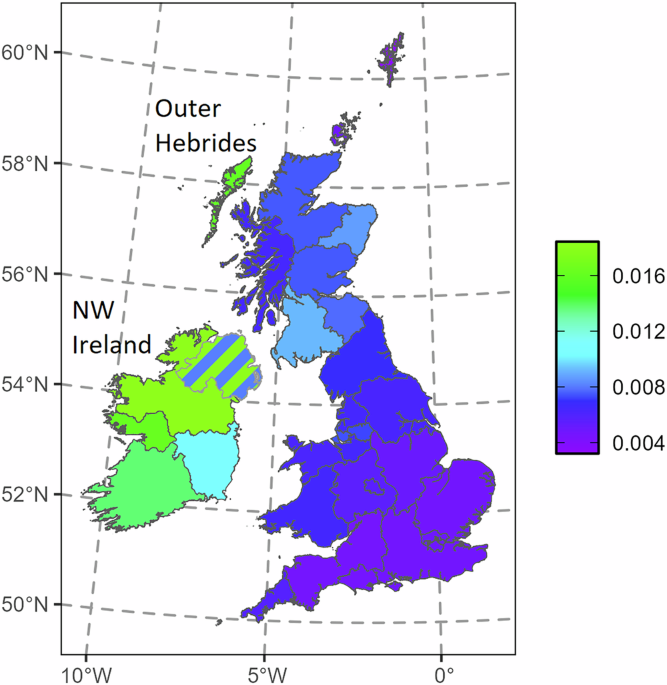
A landmark University of Edinburgh study analyzing 451,270 UK Biobank participants has identified significant geographic variation in hereditary haemochromatosis (HH) prevalence across the British Isles and Ireland, with profound implications for health-focused e-commerce sellers. The research reveals that northwest Ireland has the highest genetic risk with 1 in 54 people carrying the C282Y variant, compared to 1 in 218 in southwest England—an 11-fold difference that creates concentrated market opportunities. The study, published in Nature Communications and funded by Haemochromatosis-UK, documented over 70,000 diagnosed cases with prevalence rates 4x higher among white Irish patients versus white British individuals, indicating significant underdiagnosis and screening gaps.
For e-commerce sellers, this research unlocks three distinct product categories with immediate demand potential. First, genetic testing and diagnostic kits represent a high-margin opportunity as NHS screening remains limited and private testing demand accelerates following media coverage. Sellers can target high-risk regions (northwest Ireland, Outer Hebrides with 1 in 62 prevalence, Northern Ireland with 1 in 71) through Amazon UK, eBay UK, and Irish marketplaces with direct-to-consumer genetic testing services, positioning products as "Celtic Ancestry Screening" or "Iron Overload Risk Assessment." Second, iron-reduction supplements and chelation products address the 70,000+ diagnosed patients requiring ongoing management—the study emphasizes that early detection and regular venesection (blood donation) prevent serious complications including liver cancer and arthritis. Sellers can develop targeted supplement lines featuring iron-binding compounds, antioxidants, and liver-support formulations marketed specifically to Celtic ancestry populations. Third, wellness monitoring devices and health tracking apps capitalize on the study's finding that symptoms evolve over decades, creating demand for continuous monitoring solutions among at-risk individuals.
Geographic targeting becomes a critical competitive advantage. The research identifies specific high-prevalence zones: northwest Ireland (1 in 54), Outer Hebrideans (1 in 62), Northern Ireland (1 in 71), and notably Liverpool (11x higher diagnosis rates than Kent), suggesting concentrated Irish diaspora populations in UK cities. Sellers can implement region-specific Amazon advertising campaigns using postcode targeting in these areas, create localized landing pages emphasizing "Celtic genetic screening," and partner with Irish community organizations and health advocacy groups (Haemochromatosis-UK, RCSI University of Medicine) for co-marketing. The Western Isles population of 21,000 represents a micro-market for direct-to-consumer testing kits and supplements, while the broader Irish population across UK and Ireland (estimated 3-4M people with Irish ancestry) provides substantial addressable market for wellness products.
The regulatory and clinical context strengthens seller positioning. The 2021 addition of homozygous p.Cys282Tyr variants to ACMG v3.0 recommendations for clinical sequencing indicates increasing medical legitimacy and insurance coverage for genetic testing, reducing barriers to consumer adoption. Sellers can leverage this clinical validation in product listings, emphasizing that their offerings align with medical guidelines and support early detection protocols recommended by leading universities. The study's finding that 88% of diagnosed haemochromatosis cases carried pathogenic HFE variants provides scientific credibility for targeted marketing claims. However, sellers must navigate health claim regulations carefully—UK and EU regulations restrict medical claims, requiring sellers to position products as "wellness support" or "nutritional supplementation" rather than disease treatment.
問題 7
How large is the addressable market for haemochromatosis-related products?
The study documents 70,000+ diagnosed cases across UK and Ireland, but significant underdiagnosis exists—the research suggests actual prevalence is substantially higher based on genetic variant frequency. In northwest Ireland alone, 1 in 54 people carry the C282Y variant, implying 15,000-20,000 at-risk individuals in a region of ~800,000 people. The broader Irish diaspora population across UK and Ireland (3-4M people with Irish ancestry) represents potential market for preventive wellness products. Genetic testing kits typically retail for £150-400, supplements for £20-60 per month, and monitoring devices for £100-300, creating addressable market of £50-100M+ across UK/Ireland for health-focused sellers targeting this demographic.
What competitive advantages do sellers have in this emerging market?
Early-mover advantage is significant—media coverage of the University of Edinburgh study (published in Nature Communications, funded by Haemochromatosis-UK) is driving consumer awareness and search demand for related products. Sellers can establish brand authority by creating educational content around the research, positioning products as 'clinically-validated' solutions aligned with ACMG v3.0 recommendations. Geographic targeting provides competitive moat—sellers who establish presence in high-prevalence regions (northwest Ireland, Outer Hebrides, Northern Ireland) before competitors can capture disproportionate market share. Partnerships with health advocacy groups and community organizations create distribution advantages. The 70,000+ diagnosed patients represent loyal customer base with ongoing supplement and monitoring needs, enabling subscription models and repeat purchase optimization.