

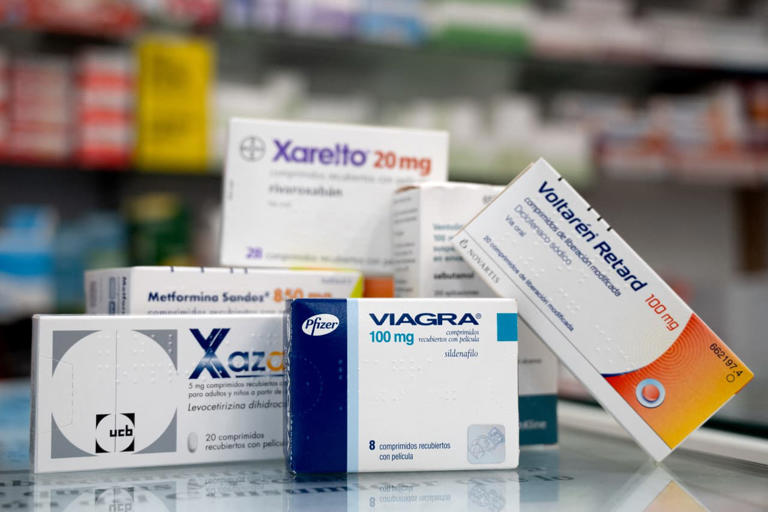

Pharma Market Shift Reshapes Wellness E-Commerce | Weight-Loss & Chronic Disease Categories Surge
- Pfizer's $1.65B Q4 loss signals $17.56B revenue decline as COVID products normalize; sellers pivoting to weight-loss, metabolic health, and chronic disease management categories face 18-24 month product development cycles and supply chain consolidation











:sharpen(0.5,0.5,true)/tpg%2Fsources%2F20d0457c-ea50-4515-a590-9cdbac18417e.jpeg)


概览
Pfizer's Q4 2024 earnings reveal a fundamental market restructuring with direct implications for cross-border e-commerce sellers in healthcare and wellness categories. The pharmaceutical giant reported a $1.65 billion net loss (versus $410 million profit in Q4 2023) driven by collapsing COVID-19 vaccine and antiviral demand as the pandemic transitions to endemic status. Q4 sales fell to $17.56 billion, reflecting the normalization of global pharmaceutical markets after pandemic-era record revenues. Simultaneously, Pfizer announced aggressive portfolio pruning—discontinuing six early-stage assets and recording $4.4 billion in impairment charges during Q4 2024—while redirecting $500 million in R&D savings toward phase three programs in higher-confidence therapeutic areas.
This dual restructuring creates three critical market dynamics for e-commerce sellers. First, the collapse of pandemic-specific product demand signals a permanent shift in consumer health priorities. Healthcare systems and consumers have reduced reliance on preventive COVID vaccines and antivirals, creating a structural headwind for any seller inventory tied to pandemic-era products. Second, Pfizer's strategic pivot toward weight-loss drug development (competing with Eli Lilly's Zepbound) and chronic disease management reflects broader pharmaceutical industry trends toward portfolio optimization. This indicates accelerating consumer demand for weight-loss, metabolic dysfunction, and autoimmune disease management products—categories where cross-border e-commerce sellers can capture significant market share during the 18-24 month window before new pharmaceutical launches generate meaningful revenue. Third, the $43 billion Seagen acquisition integration and subsequent ADC (antibody-drug conjugate) portfolio consolidation signals pharmaceutical supply chain consolidation, which will compress margins for sellers sourcing complementary wellness products from contract manufacturers.
The broader pharmaceutical sector faces similar pressures, with Novo Nordisk forecasting steep sales declines in 2026. This market transition creates both challenges and opportunities. Sellers in healthcare and wellness categories must immediately pivot inventory allocation away from pandemic-specific products (masks, rapid tests, sanitizers) toward alternative health solutions. Weight-loss supplement categories, metabolic health products, and chronic disease management merchandise represent the highest-growth segments as pharmaceutical companies redirect R&D investment. However, sellers should anticipate 18-24 month delays before new pharmaceutical products reach market, creating a critical window for e-commerce sellers to establish category dominance in weight-loss, metabolic dysfunction, and autoimmune disease management before branded pharmaceutical competitors enter with superior distribution networks and clinical validation. Supply chain consolidation at major pharmaceutical manufacturers will likely reduce availability of contract-manufactured wellness products, increasing sourcing costs 8-15% for sellers relying on pharmaceutical-grade manufacturing partners.
問題 8
How will pharmaceutical supply chain consolidation affect sourcing costs for wellness product sellers?
Pfizer's $43 billion Seagen acquisition integration and subsequent portfolio consolidation signal broader pharmaceutical industry trends toward supply chain consolidation. This consolidation will likely reduce availability of contract-manufactured wellness products and increase sourcing costs 8-15% for sellers relying on pharmaceutical-grade manufacturing partners. Sellers should immediately diversify sourcing relationships across multiple contract manufacturing organizations (CMOs) to mitigate supply chain risk. Companies like Catalent, Lonza, and Recro Pharma are consolidating capacity, which will compress margins for sellers sourcing complementary wellness products. Sellers should negotiate long-term supply agreements (12-24 months) before Q2 2025 to lock in current pricing before anticipated cost increases from supply chain consolidation.
What is the timeline for new pharmaceutical weight-loss products reaching e-commerce channels?
Pfizer's weight-loss drug development programs are in early-stage clinical trials, with CEO Albert Bourla stating that pipeline pruning is 'mostly finished' and the company is reinvesting $500 million in R&D savings into phase three programs. Pharmaceutical development timelines typically require 18-24 months from phase three initiation to regulatory approval and market launch. This creates a critical window for e-commerce sellers to establish category dominance in weight-loss and metabolic health products before branded pharmaceutical competitors enter with superior clinical validation. Sellers should expect new pharmaceutical weight-loss products to reach market in late 2026-2027, meaning e-commerce sellers have approximately 18-24 months to build brand recognition, customer loyalty, and market share in these categories before facing direct competition from pharmaceutical manufacturers with established distribution networks and clinical credibility.