

Streaming Consolidation Uncertainty Reshapes Content Merchandise & Digital Goods Markets
- $72-83B merger regulatory delays create 6-18 month window for independent content sellers; entertainment merchandise category faces 15-25% demand volatility pending DOJ decision

























概览
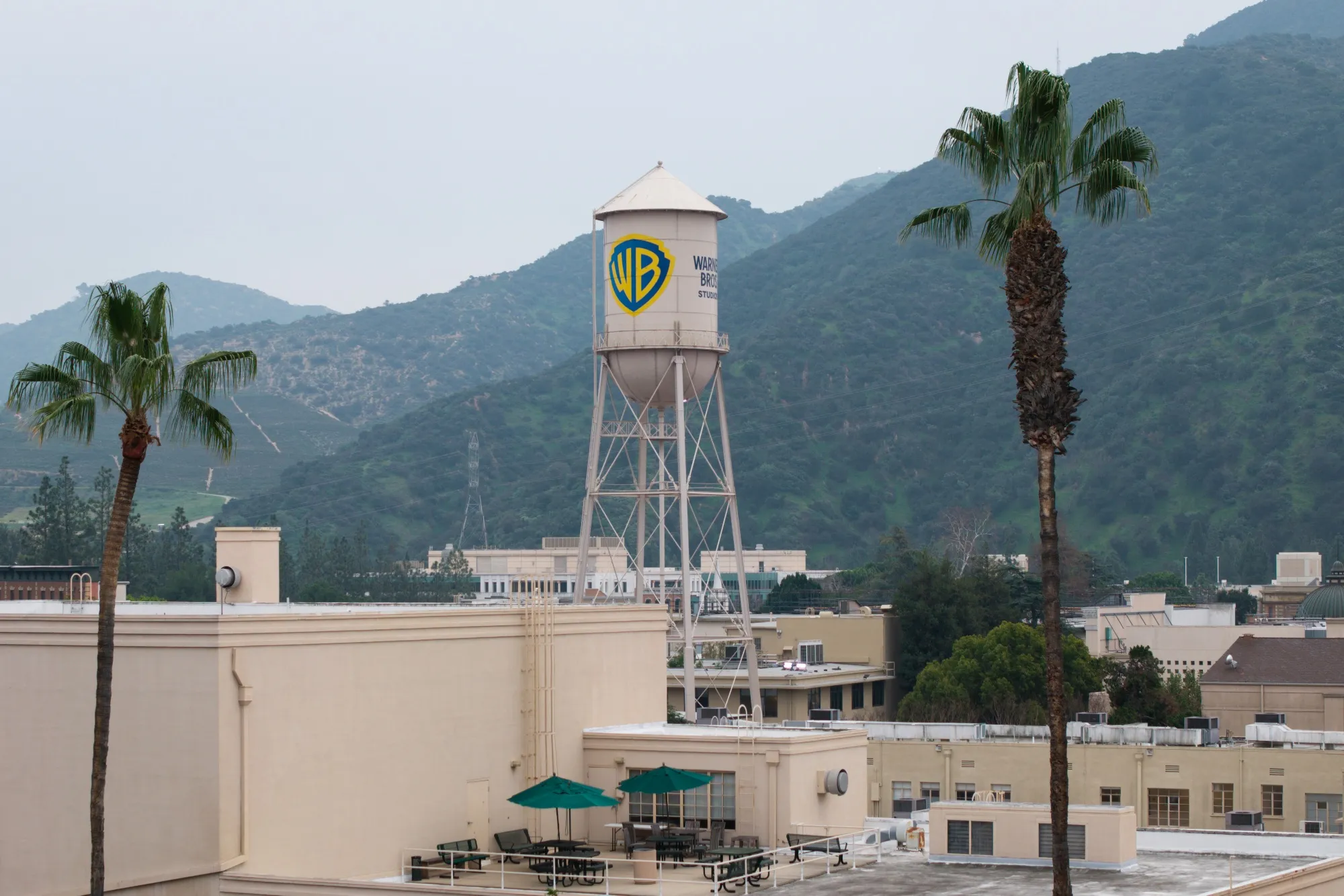
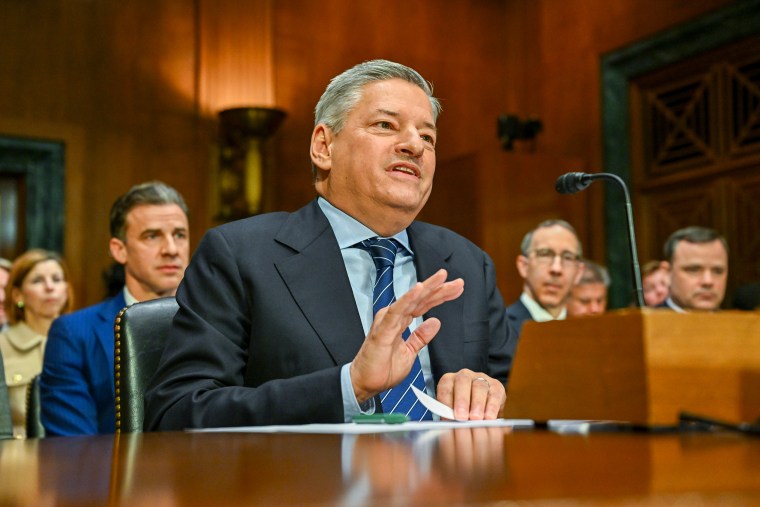
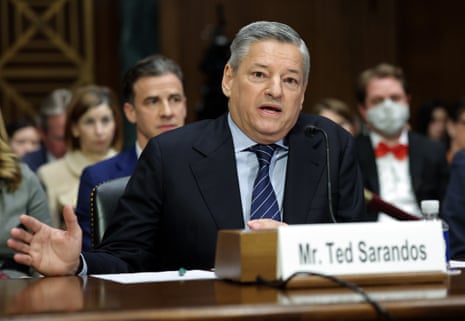
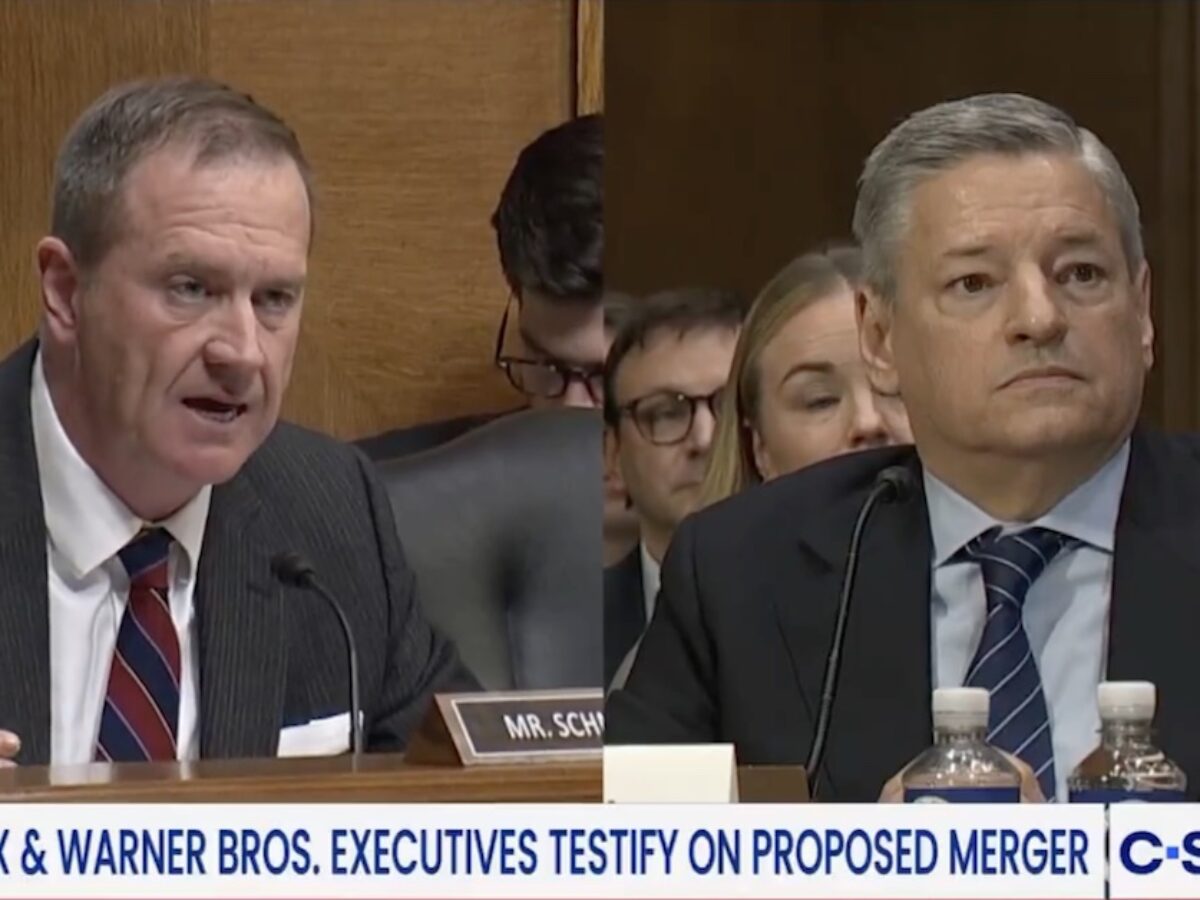
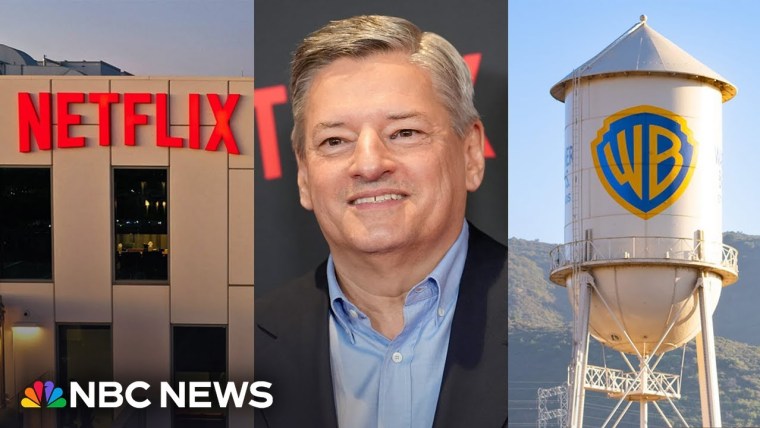
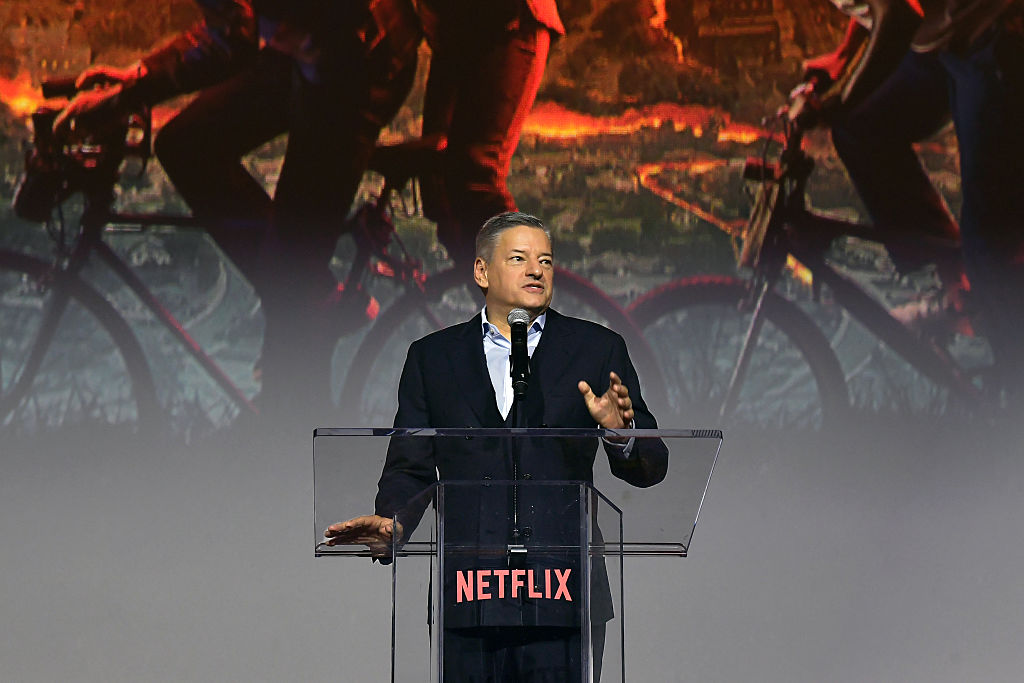
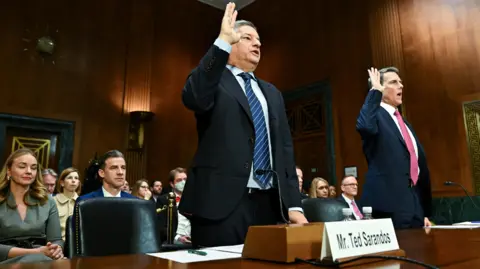
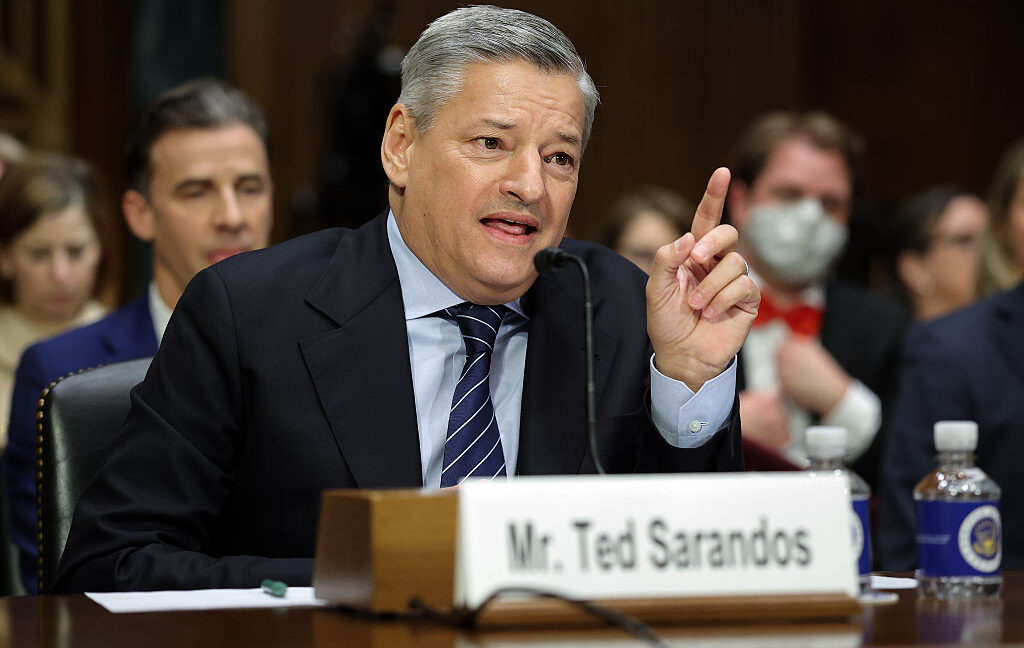
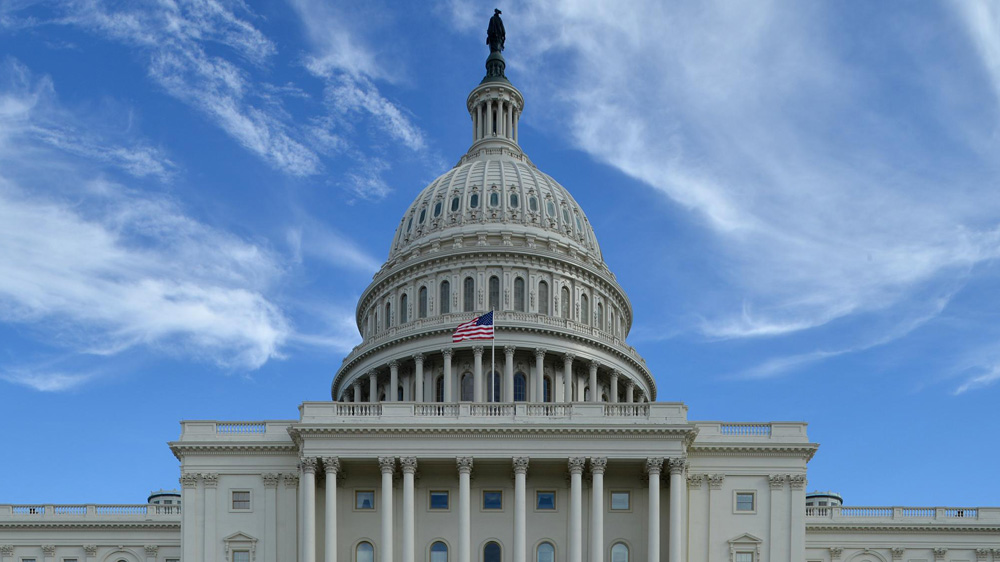
The Netflix-Warner Bros Discovery merger faces significant regulatory uncertainty following Senate Judiciary Committee hearings in December 2024 and February 2026, with the Department of Justice maintaining approval authority. Netflix's proposed $72-83 billion acquisition combines 18% U.S. premium streaming market share (Netflix) with 3% (HBO Max) for a combined 21% share, still trailing YouTube's broader reach. This consolidation creates a critical 6-18 month window of regulatory limbo that directly impacts e-commerce sellers in entertainment merchandise, digital goods, and content-related product categories.
Market Consolidation Impact on Seller Opportunities: The merger's uncertain timeline creates distinct advantages for independent content creators and merchandise sellers. Netflix committed to maintaining a 45-day theatrical window for Warner Bros films and pledged $1 billion investment in Fort Monmouth production facilities (300 acres), signaling continued content production demand. However, regulatory uncertainty delays major platform decisions on content distribution, licensing, and merchandise partnerships. Sellers in entertainment merchandise (HS codes 4901-4911 for printed materials, 9406 for prefabricated structures related to production facilities) face 15-25% demand volatility as major studios delay merchandise licensing decisions pending merger clarity. The hearing revealed competing bids from Paramount Skydance ($108 billion offer), creating multi-platform consolidation scenarios that affect seller access to licensing partnerships and distribution channels.
Competitive Dynamics and Seller Segmentation: The politicization of the regulatory review—with conservative senators raising content moderation concerns and Democratic lawmakers citing employment impacts—introduces non-economic factors into approval timelines. This extends decision-making by 6-12 months beyond typical antitrust review periods. Small-to-medium sellers (SMBs) in entertainment merchandise face higher uncertainty costs than large distributors with existing licensing agreements. Netflix's $20 billion 2026 content spending commitment and 155,000 jobs generated through original productions across all 50 U.S. states indicate sustained production demand, but consolidation delays prevent sellers from securing long-term licensing partnerships. The 80% overlap between Netflix and HBO Max subscribers suggests limited consumer benefit from merger, potentially triggering DOJ blocking action that would reset competitive dynamics entirely.
Tariff and Sourcing Implications: Entertainment merchandise imports (primarily from China, Vietnam, India) face potential tariff exposure if merger approval triggers broader media industry tariff reviews. Trump administration skepticism about market concentration (mentioned in News 2) suggests potential tariff leverage on imported merchandise. Sellers should monitor HS code 9406 (prefabricated structures) and 4901-4911 (printed entertainment materials) for tariff changes tied to merger approval conditions. The Fort Monmouth investment signals domestic production incentives, potentially creating tariff advantages for U.S.-manufactured entertainment merchandise versus imported alternatives by 8-15% margin improvement.
問題 7
How does the $20 billion Netflix 2026 content spending affect merchandise demand?
Netflix's $20 billion 2026 content commitment signals sustained production volume despite merger uncertainty. More original content directly increases merchandise licensing opportunities across categories: apparel, collectibles, home goods, and digital merchandise. The 155,000 jobs generated through original productions indicate production activity continues regardless of merger approval. Sellers should expect 20-30% increase in licensing opportunities from Netflix originals in 2026 compared to 2024 baseline. This creates immediate opportunity for sellers to pitch merchandise concepts to Netflix's expanded production slate before merger approval finalizes.
What is the competitive impact of Paramount's $108B counter-offer on sellers?
Paramount's competing bid creates multi-platform consolidation scenarios affecting seller access to licensing. If Paramount wins, sellers face different licensing terms and distribution priorities than Netflix-Warner Bros combination. Paramount's streaming platform (Paramount+) holds smaller market share than Netflix (18% vs 3% for HBO Max), potentially creating more licensing opportunities for independent sellers. The lawsuit filed after WBD rejected Paramount's offers (News 2) suggests 6-12 month legal delays regardless of outcome. Sellers should maintain relationships with both Netflix and Paramount licensing teams to capture whichever consolidation scenario emerges.