





AI Disruption Fears Trigger $300B Software Stock Collapse | Seller Tool Uncertainty & Vendor Risk
- Global software stocks plunge 8-16% as Anthropic's Claude agents threaten traditional SaaS; sellers face vendor instability for inventory, pricing, and customer service tools

























:sharpen(0.5,0.5,true)/tpg%2Fsources%2Fe6b5de08-080f-4bb5-9bf4-62931423b12c.jpeg)






































概览
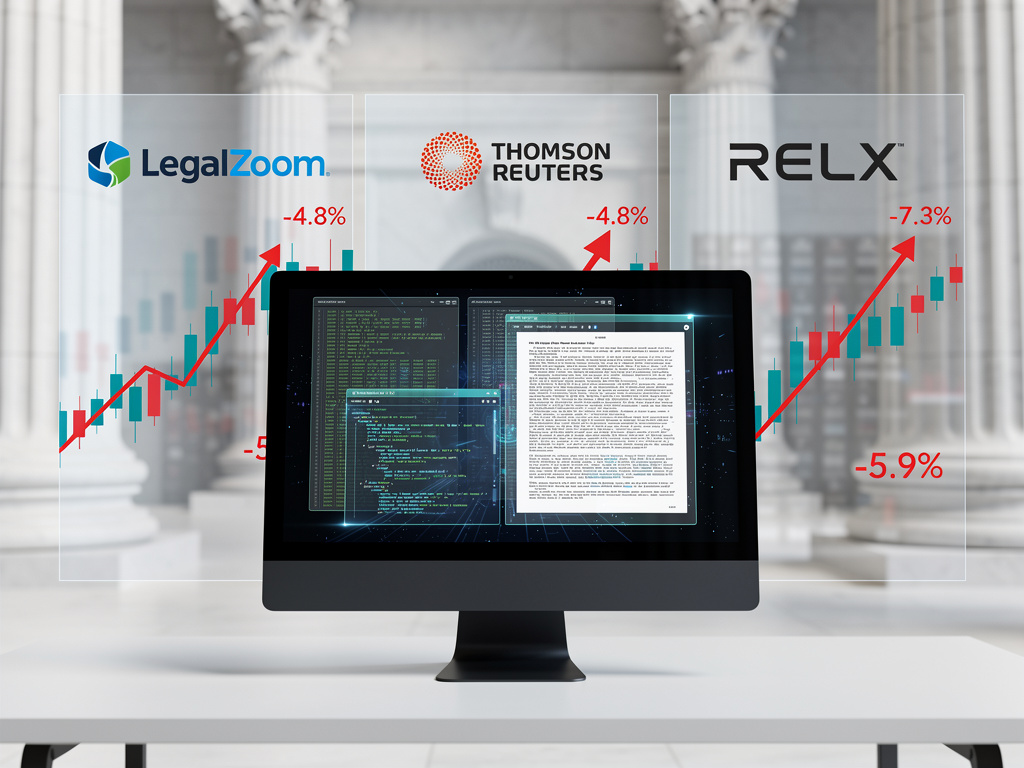
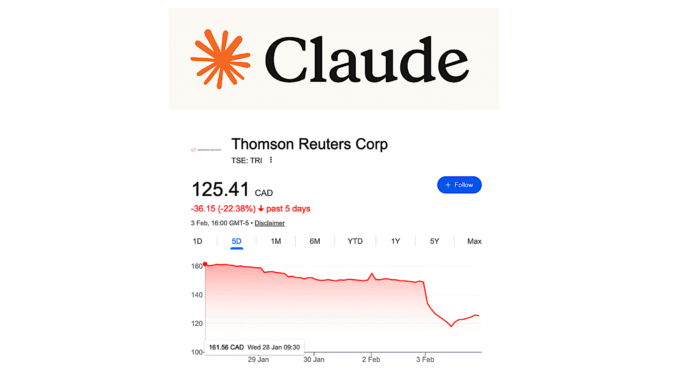
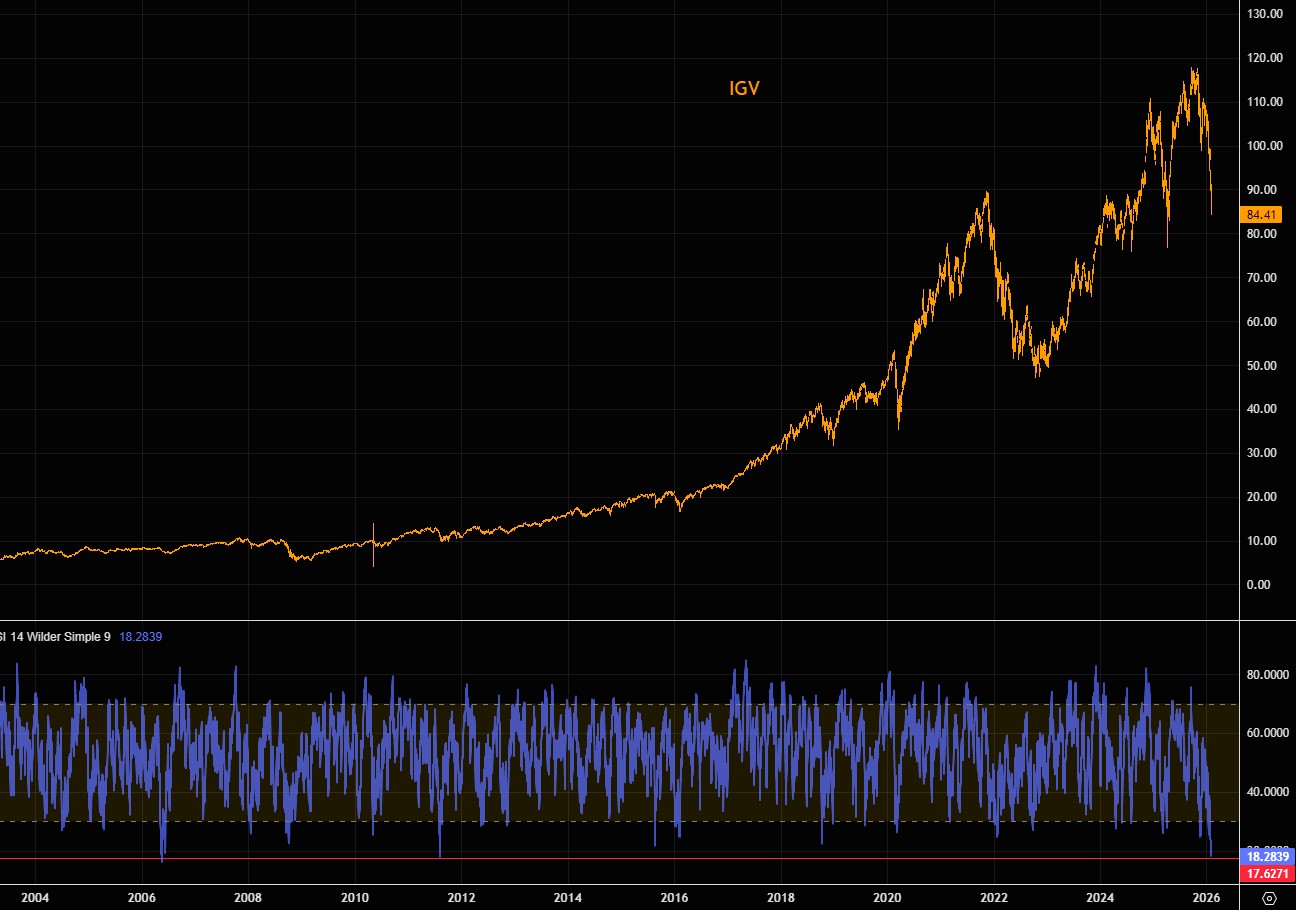
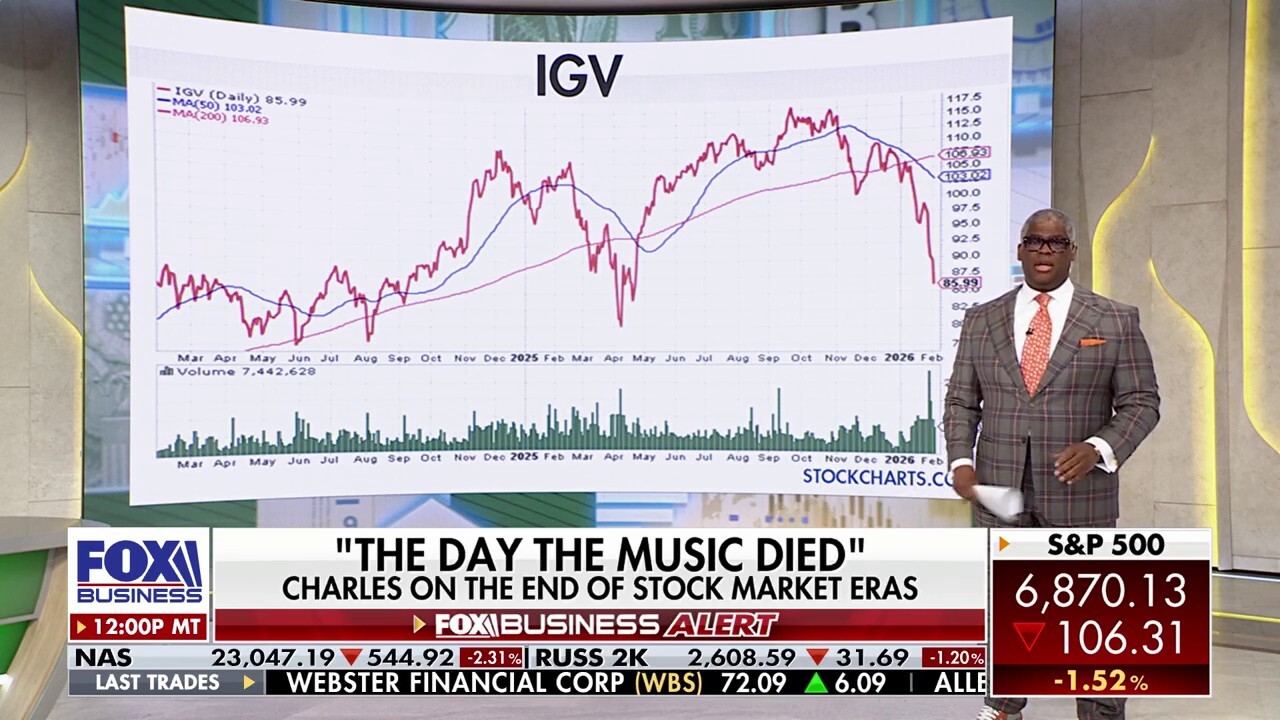
The global software sector experienced a catastrophic market correction triggered by rapid AI advancement and investor reassessment of technology valuations. On February 3-4, 2025-2026, a $300 billion market value decline swept across software and data analytics stocks worldwide, with particular pressure on companies perceived as vulnerable to AI displacement. Anthropic's launch of Claude Cowork agent plug-ins for legal, sales, marketing, and data analysis tasks catalyzed the selloff, signaling to investors that AI-native solutions could supplant traditional software providers. Major software companies experienced severe declines: Thomson Reuters fell 16%, RELX dropped 14%, Wolters Kluwer declined 12%, and Japanese developers NEC, Nomura Research, and Fujitsu sank 8-11%. The VIX volatility index reached 17.72, indicating elevated market uncertainty.
For e-commerce sellers, this volatility creates immediate operational risks across critical business functions. Sellers relying on SaaS-based inventory management tools, pricing optimization software, and customer service platforms face potential vendor instability as their technology providers experience financial pressure and reduced investment capacity. Companies like Publicis Groupe (advertising analytics), LegalZoom (business services), and Expedia (travel/logistics) saw shares collapse due to AI displacement concerns, signaling that software vendors serving e-commerce may face similar investor skepticism. The broader market context includes warnings from the International Monetary Fund and Bank of England about tech bubble risks, particularly as chipmakers like Nvidia and AI hyperscalers such as Microsoft reach record valuations.
The strategic implication is clear: sellers must immediately audit their technology stack and vendor financial health. Software providers experiencing 10-16% stock declines may reduce R&D spending, delay feature releases, or face acquisition pressure that disrupts service continuity. Foreign portfolio investors have withdrawn approximately $3 billion from Indian equities year-to-date (following a $19 billion 2025 selloff), directly impacting IT services companies like TCS, Infosys, HCL Tech, and Wipro that provide backend support for e-commerce platforms and seller tools. This capital flight reduces funding for technology innovation precisely when sellers need enhanced AI-powered features for competitive advantage.
Immediate seller opportunities emerge from vendor consolidation and AI-native tool adoption. As traditional software companies face valuation pressure, sellers should evaluate AI-native alternatives for inventory management (Claude-powered systems), dynamic pricing (AI-first platforms), and customer service automation. The market is signaling that investors prefer AI-native firms over legacy software companies attempting AI integration. Sellers who migrate to AI-native tools before their current vendors face acquisition or restructuring will gain 3-6 month competitive advantages in automation efficiency and cost reduction. Additionally, the software stock selloff creates acquisition opportunities for well-capitalized sellers to acquire specialized tools at depressed valuations or negotiate better pricing with distressed vendors.
問題 7
What are the best AI-native alternatives to traditional e-commerce software tools?
AI-native platforms emerging as investor favorites include Claude-powered systems (Anthropic), specialized AI agents for inventory/pricing, and machine learning-first analytics platforms. Rather than traditional SaaS vendors attempting AI integration, sellers should evaluate: (1) Claude-based inventory forecasting and optimization, (2) AI-native dynamic pricing platforms using real-time market data, (3) Generative AI customer service systems with multi-language support, (4) Machine learning-powered demand forecasting. These platforms typically offer 20-40% better accuracy than legacy systems and lower long-term costs due to reduced manual intervention. Begin evaluation by March 2025 to capture 3-6 month competitive advantages.
How can sellers capitalize on software vendor financial pressure to negotiate better pricing?
Distressed software companies facing 10-16% stock declines often reduce customer acquisition costs and offer aggressive retention pricing to maintain revenue. Sellers with multi-year contracts should request renegotiation citing vendor financial instability and competitive AI-native alternatives. Specifically, sellers can leverage the market correction to: (1) negotiate 15-25% price reductions by threatening migration to AI-native platforms, (2) demand enhanced features at no additional cost, (3) secure longer contract terms at locked-in rates before potential vendor acquisition. Contact your vendor's sales team by February 2025 with competitive AI-native quotes to initiate negotiations.