



Shopify Stock Plunge 2025 | Platform Investment Freeze Threatens Seller Tools
- Shopify's market decline signals reduced R&D spending on seller features; cross-border SMBs face delayed payment processing upgrades and potential fee increases

















概览
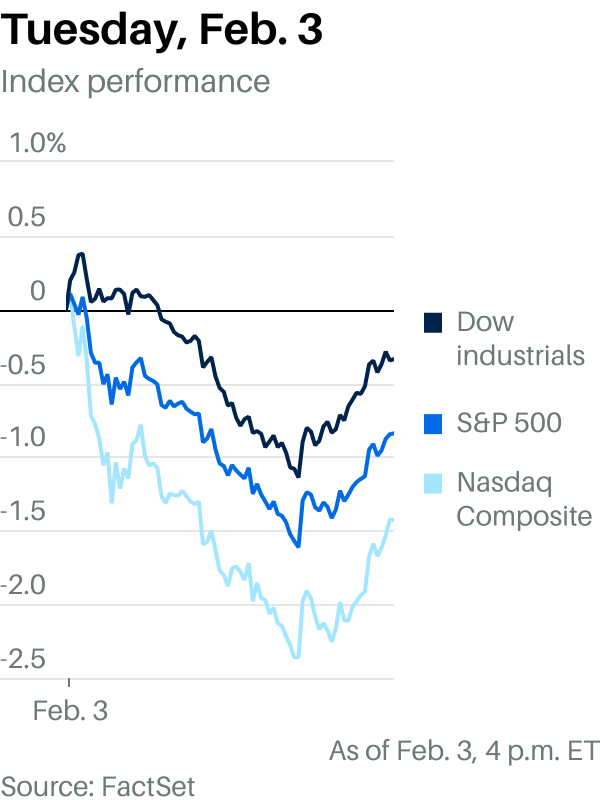
Anthropic's AI productivity tool launch on January 16, 2025 triggered a market selloff that directly impacts e-commerce platform stability and seller tool investment. Shopify experienced significant losses alongside other software platforms, with the broader market reflecting investor concerns about AI commoditization of established software business models. This market volatility carries critical implications for the millions of small and medium-sized e-commerce businesses relying on Shopify's infrastructure for cross-border payments, inventory management, and fulfillment operations.
The financial pressure on Shopify creates immediate working capital challenges for sellers. When software companies face investor pressure and declining valuations, they typically reduce discretionary spending on seller-focused features and infrastructure improvements. Shopify's payment processing capabilities—critical for cross-border transactions—may experience delayed upgrades or feature freezes. Sellers should anticipate potential fee adjustments as the platform seeks to improve profitability amid competitive pressures from AI-powered alternatives. The market reaction suggests investors fear software commoditization, meaning Shopify may prioritize cost-cutting over feature development for the next 6-12 months.
For cross-border sellers, this creates three immediate financial optimization opportunities. First, sellers should lock in current payment processing rates before potential fee increases; Shopify typically adjusts merchant fees during periods of financial pressure. Second, the reduced investment in seller tools means alternative payment providers (Stripe, PayPal, 2Checkout) may gain competitive advantage—sellers should evaluate switching costs versus fee savings. Third, the market volatility affecting private equity firms (Blue Owl Capital, KKR, Ares Management down ~10%) signals reduced availability of growth capital for seller financing products, making existing trade finance and invoice factoring solutions more valuable.
The cash flow implications are substantial for SMB sellers. Shopify serves millions of small and medium-sized businesses globally, many of whom depend on platform payment processing for working capital management. If Shopify reduces investment in payment infrastructure, settlement times could extend from 1-2 days to 3-5 days, tying up $500-2,000 in working capital per seller monthly. Sellers should immediately evaluate alternative payment routes: direct bank transfers, multi-currency wallets, or third-party payment processors that offer faster settlement. The market selloff also indicates reduced venture capital availability for fintech solutions, potentially limiting new financing products targeting e-commerce sellers in the next 12 months.
Immediate actions for sellers: Monitor Shopify's quarterly earnings announcements for guidance on R&D spending and payment infrastructure investment. Evaluate alternative payment processors and lock in current fee structures. Consider diversifying across multiple platforms to reduce dependency on Shopify's investment cycle. For sellers with $100K+ monthly revenue, explore dedicated payment processors offering 1-day settlement and lower cross-border fees (typically 1.5-2.5% vs. Shopify's 2.9% + $0.30).
問題 8
How does reduced private equity funding affect seller financing options?
The market selloff affecting Blue Owl Capital, KKR, and Ares Management (each down ~10%) signals reduced venture capital availability for fintech and seller financing products. This typically means fewer new financing options, higher interest rates on existing products, and stricter underwriting for invoice factoring and purchase order financing. Sellers should lock in current trade finance rates (typically 8-12% APR) before rates increase. The reduced funding environment also means fewer new payment solutions will launch in 2025, making existing Shopify Payments more critical—another reason to evaluate alternatives now while competition remains active.
Which alternative payment processors offer better terms than Shopify during market downturns?
During periods of platform financial pressure, alternative processors gain competitive advantage. Stripe offers 2.9% + $0.30 with 1-day settlement; PayPal offers 2.9% + $0.30 with 1-day settlement; 2Checkout offers 2.4% + $0.30 with 1-day settlement for high-volume sellers. For cross-border sellers, Wise (formerly TransferWise) offers 1.5-2% FX rates with 1-2 day settlement, significantly better than Shopify's 2.9% + currency markup. Sellers with $50K+ monthly revenue should evaluate switching costs (typically $500-2,000 in migration and setup) against 6-month fee savings of $1,500-3,000.